消费自由

Search documents
6人消费19元顾客道歉称赔1元:一场关于消费尊严与商业底线的深度对话
Sou Hu Cai Jing· 2026-01-20 00:25
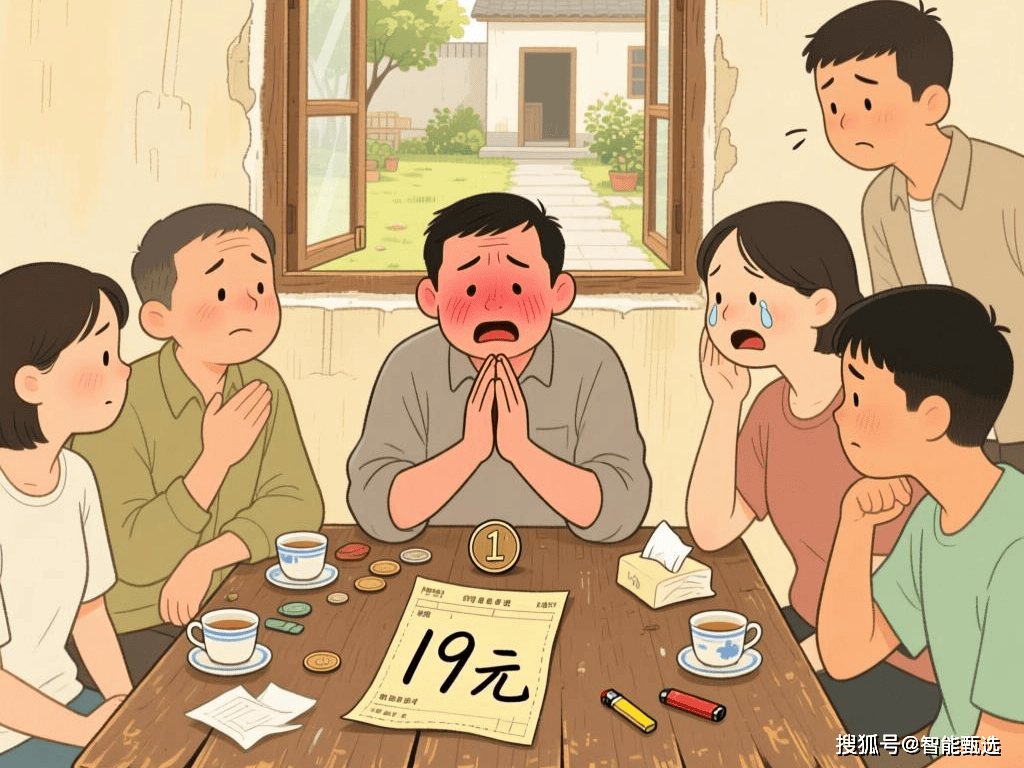
Core Viewpoint - The incident involving six customers consuming only 19 yuan at a hot pot restaurant highlights deeper societal contradictions regarding dignity, rules, and business ethics in contemporary consumer culture [1][3]. Group 1: Incident Overview - The event occurred in a third-tier city's self-service hot pot restaurant, which charges 29 yuan per person, including broth, ingredients, and drinks [3]. - The six customers only ordered a broth (19 yuan) and brought their own food, which led the restaurant to seek compensation after confirming through surveillance footage that no self-service ingredients were consumed [3]. - The restaurant's response to the public outcry emphasized the importance of respecting rules rather than merely seeking monetary compensation [3]. Group 2: Consumer Behavior and Economic Context - The customers' actions reflect a growing trend of "frugal economics" among young people, driven by increasing employment pressures and a noticeable trend of consumption downgrade [4]. - The incident raises questions about whether such frugality should override established rules, as the customers' choice to bring their own food indicates a disregard for the restaurant's policies [4]. - The psychological concept of the "broken windows effect" suggests that individuals may exploit perceived loopholes in rules when they believe there are no consequences [4]. Group 3: Business Implications - The pricing model of self-service restaurants relies on covering fixed costs through average consumer spending, and the 19 yuan contribution from the six customers is significantly below the breakeven point of 70% of average spending [4]. - The restaurant's decision to expose the incident on social media has sparked debates about privacy rights, as the surveillance footage could potentially identify the customers, raising legal concerns [6]. - The handling of the situation by the restaurant has been criticized as ineffective, as it escalated the issue from a dispute over rules to a privacy conflict, leading to negative public sentiment [6]. Group 4: Recommendations for Improvement - Businesses should consider private communication with customers to resolve issues rather than public exposure, and clearly display rules regarding outside food [7]. - There is a need for a balance between enforcing rules and maintaining a humane approach, such as offering discounts to customers facing financial difficulties [7]. - The incident underscores a broader trust deficit between businesses and consumers, necessitating a more inclusive consumer culture that acknowledges the challenges faced by low-income groups [7].

在美国,西瓜太大,我太小
Hu Xiu· 2025-07-07 09:24
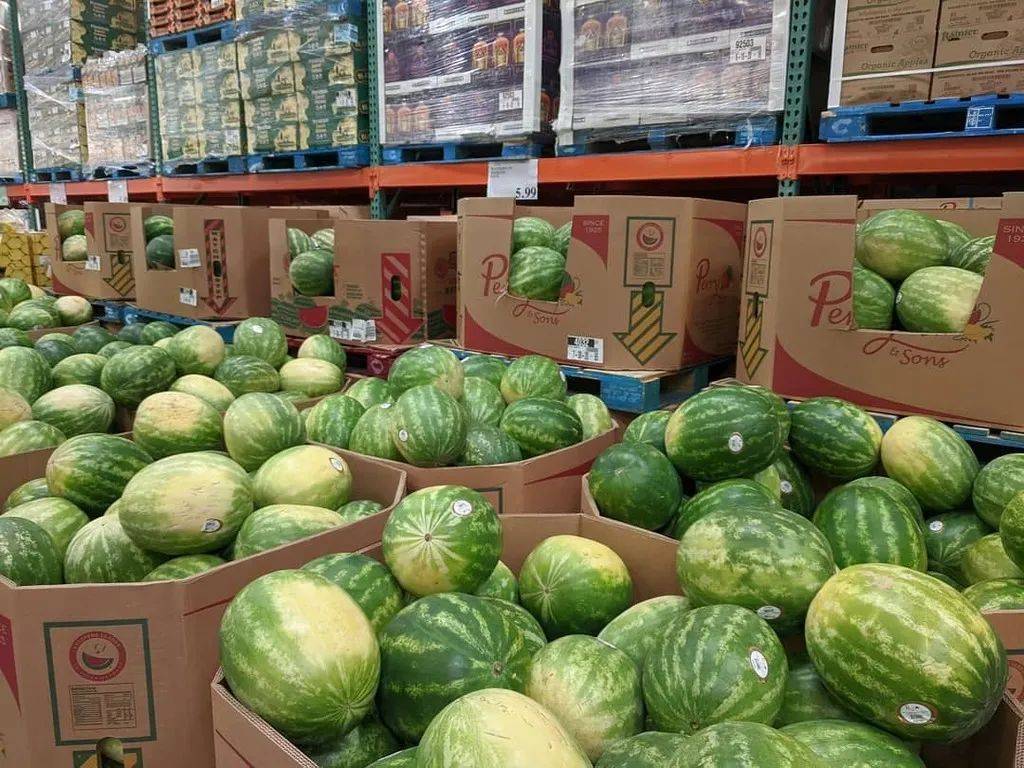
Core Viewpoint - The article discusses the challenges faced by single individuals in the U.S. retail market, particularly in relation to purchasing food items like watermelons, highlighting a system that favors bulk buying and family units over individual needs [1][30]. Group 1: Market Structure and Consumer Behavior - In the U.S., supermarkets sell watermelons as whole units rather than by weight, which contrasts with practices in other countries [3][5]. - The pricing strategy for pre-cut fruit in higher-end stores reflects a premium for convenience, indicating that single consumers pay more for smaller portions [9][11]. - The retail system in the U.S. is primarily designed around family units and bulk consumption, which can marginalize single consumers [16][18]. Group 2: Implications for Single Consumers - Single individuals face a dilemma of either buying large quantities of food that may go to waste or paying higher prices for smaller portions [21][30]. - The article suggests that the market treats single consumers as a niche market, requiring them to pay more for less, which does not align with their actual consumption needs [27][28]. - There is a growing trend of single-person households, which may eventually shift consumer demand towards smaller packaging and more individual-friendly products [25][26]. Group 3: Broader Social Context - The article notes that while American society is increasingly accepting of single living, the market structures have not adapted to support this demographic effectively [17][18]. - The consumption patterns in the U.S. reflect a lifestyle geared towards family and bulk buying, which can lead to feelings of neglect for single individuals [24][30]. - The article raises the question of whether market changes could prompt a redefinition of basic living units to better accommodate the needs of single consumers [25][29].