在地营销

Search documents
2025,文旅就在「生活」里
3 6 Ke· 2025-12-17 03:14
Core Insights - The article discusses the evolving travel preferences of the younger generation, emphasizing a shift from traditional travel to more spontaneous and integrated experiences that blend leisure with daily life [1][3][8]. Group 1: Travel Trends - The concept of "micro-vacation" is highlighted as a key trend in 2025, representing a form of nearby leisure that allows individuals to escape their daily routines [4][8]. - Young travelers are increasingly prioritizing experiences that are emotionally fulfilling and integrated into their everyday lives, rather than seeking out traditional tourist attractions [1][10]. - The rise of "Citywalk" and "20-minute park effect" indicates a preference for short, accessible trips that enhance local engagement and community experiences [1][3]. Group 2: Economic Impact - The county tourism market in China is projected to continue growing, with a focus on travel options that can be reached within three hours, appealing to younger demographics [3]. - Events like the "Su Super League" have significantly boosted local economies, generating substantial revenue through tourism, dining, and accommodation, with reported earnings of 379.6 billion yuan from the first six rounds of matches [13]. - The integration of cultural events and local experiences into tourism has led to increased visitor numbers and spending, as seen in locations like Dali and Hunan [14][19]. Group 3: Cultural Integration - The blending of cultural elements into daily life is becoming a hallmark of modern tourism, with local traditions and experiences being highlighted as key attractions [19]. - The use of technology, such as AR and AI, is enhancing the cultural experience in tourism, making historical and cultural narratives more accessible and engaging for visitors [17][19]. - The article emphasizes the importance of creating immersive experiences that resonate emotionally with travelers, transforming tourism into a more participatory and meaningful activity [15][17].

在蔡国强「升龙」的雪山脚下,我和当地人一起捡垃圾
36氪· 2025-09-29 00:17
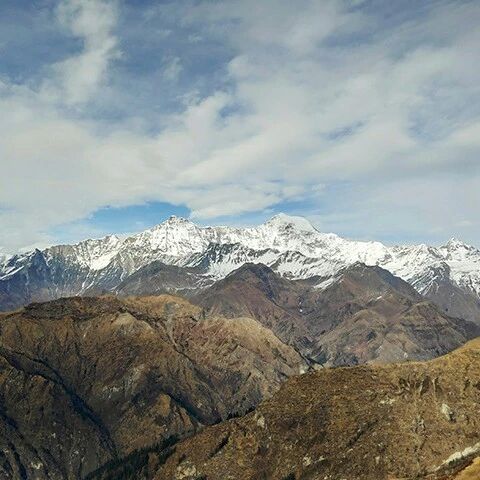
Core Viewpoint - The article discusses the environmental and social implications of a fireworks event organized by artist Cai Guoqiang and outdoor brand Arc'teryx in the Himalayas, raising questions about the sustainability of such marketing strategies and their impact on local communities and ecosystems [6][7][30]. Group 1 - The fireworks event took place in a fragile ecological area, with concerns about the environmental damage it may cause [6][15]. - Despite claims of eco-friendliness, the event left behind waste that required local villagers to clean up, contradicting the organizers' statements about environmental responsibility [12][25]. - Local residents were largely unaware of the event, highlighting a disconnect between the marketing efforts and the local community's engagement [22][28]. Group 2 - The article contrasts the fireworks event with a more environmentally conscious event by another outdoor brand, Mammut, which utilized light technology to celebrate a historical climbing route without harming the environment [30][32]. - It suggests that Arc'teryx could have chosen a more suitable and sustainable approach to marketing that aligns with their brand values and the local ecological context [33][34]. - The piece emphasizes the importance of integrating local communities into brand activities in a meaningful way, rather than imposing external marketing spectacles that may not resonate with them [22][34].
在蔡国强“升龙”的雪山脚下,我和当地人一起捡垃圾
Hu Xiu· 2025-09-24 23:25
Core Points - The event organized by Cai Guoqiang and Arc'teryx, a leading outdoor brand, has sparked controversy regarding environmental impact and marketing strategies [1][3][41] - Despite claims of eco-friendliness, the aftermath of the fireworks show has raised questions about the actual environmental consequences and the effectiveness of the proposed remediation measures [8][9][12] Environmental Impact - The location of the fireworks show, near the Karola Glacier, was chosen for its scenic backdrop and accessibility, but the ecological sensitivity of the area has been overlooked [6][35] - Observations indicate that the area remains littered with debris from the fireworks, contradicting the organizers' claims of environmental responsibility [7][8][11] - Experts argue that the proposed soil turnover for ecological restoration is ineffective in high-altitude environments, where valuable organic matter is buried [9][11] Local Community Response - Local residents, largely unaware of the event's significance, have engaged in cleanup efforts, highlighting a disconnect between the event's marketing and local awareness [20][22][23] - The community's involvement in cleaning up the aftermath reflects a genuine concern for their environment, contrasting with the event's perceived lack of local engagement [24][31][42] Comparison with Other Events - The event has been compared unfavorably to other outdoor brand initiatives, such as Mammut's environmentally conscious light display, which successfully integrated art and ecological preservation [33][38][39] - The choice of location and method for the fireworks show is criticized as a missed opportunity for a more meaningful and sustainable brand engagement [40][41]