地产转型

Search documents
2025搜狐财经年度论坛议程公布,吴晓求、刘纪鹏、阎学通等20余位重磅嘉宾齐聚,共探中国经济韧性
Sou Hu Cai Jing· 2025-11-26 04:25
Core Viewpoint - The 2025 Sohu Finance Annual Forum will be held in Beijing on November 27, featuring over 20 experts from academia, industry, and investment sectors discussing key topics such as macro policies, industrial upgrades, corporate internationalization, capital market reforms, and international dynamics [2]. Group 1: Forum Structure - The forum will include a morning session with prominent scholars and business leaders discussing economic trends and real estate transformation [2]. - Notable entrepreneurs will explore innovation in industry competition, while experienced industry professionals and renowned fund managers will share insights on investment management and asset allocation [2]. Group 2: Afternoon Session Focus - The afternoon session will feature discussions on China's economy, stock market development, new consumer dynamics, and international situations by leading experts [2]. - Entrepreneurs will share their experiences on maintaining long-term strategies and building core competitiveness amidst cyclical fluctuations and external challenges, embodying the spirit of modern entrepreneurship [2].


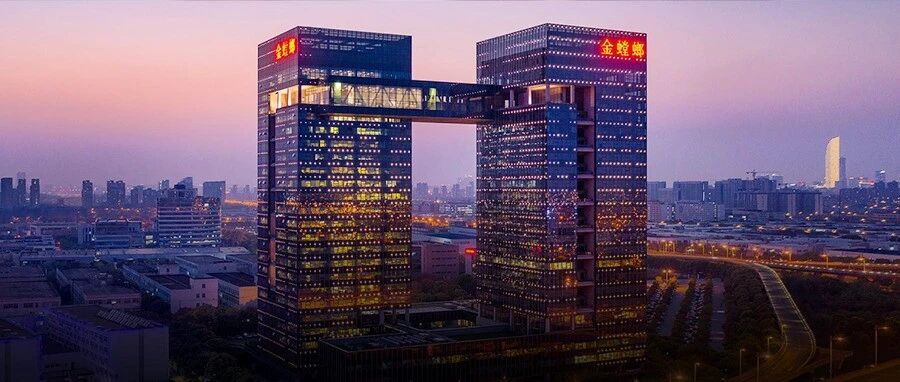
现金54亿,负债6亿,市值96亿:“装饰匠人”金螳螂的阵痛与重生
市值风云· 2025-09-23 10:10
Core Viewpoint - The article discusses the transformation and challenges faced by the real estate and construction industry in China, highlighting specific companies like Vanke and Jintai, and their financial situations and strategic adjustments in response to market conditions [4][5][6]. Group 1: Vanke's Financial Situation - Vanke A announced a low-interest loan of 2.064 billion from Shenzhen Metro Group, bringing total loans for the year to over 25.9 billion [4]. - As of September 16, Vanke's total market capitalization was just over 84 billion, with Shenzhen Metro's stake valued at approximately 18 billion [4]. - For 2024, Vanke's projected revenue is 343.2 billion, with a net loss of 49.5 billion, and for the first half of the year, revenue was 105.3 billion with a net loss of 11.9 billion [5]. Group 2: Shanghai Construction's Market Performance - Shanghai Construction has seen a surge in stock prices, with five consecutive trading days of gains, driven by retail investor interest [5]. - The company is projected to have a total revenue of 300.2 billion in 2024, with a net profit of 2.168 billion, and for the first half of the year, revenue was 105 billion with a net profit of 710 million [5]. - Despite having over 80 billion in cash, Shanghai Construction faces significant short-term and long-term debt obligations totaling 150 billion and 485 billion respectively [5]. Group 3: Jintai's Recovery and Transformation - Jintai, once a leader in the construction decoration industry, is undergoing a strategic transformation after facing significant losses, including a net profit loss of 4.95 billion in 2021 due to asset impairment [9][14]. - The company reported a revenue of 137 million for 2024, down over 30% year-on-year, with a net profit of 54 million [8][14]. - As of June 2025, Jintai's cash assets reached 5.4 billion, with interest-bearing debt of only 600 million, resulting in a net cash position of over 4 billion [19]. Group 4: New Business Opportunities - Jintai is focusing on three emerging sectors: cleanroom business, urban renewal, and overseas markets [21]. - The cleanroom business, which targets high-end manufacturing sectors, generated 800 million in revenue for 2024 and 160 million in the first half of 2025 [22]. - Urban renewal projects are expanding, with multiple projects already underway, and the market for urban renewal is expected to exceed 8.6 trillion by 2025, growing at 18.3% [23]. Group 5: International Expansion - Jintai's overseas business saw a 29% revenue increase in the first half of 2025, driven by a global expansion strategy [25]. - The company has established a regional management center in Singapore and is expanding into Southeast Asia and other regions [25]. - Jintai's success in international markets is attributed to its "design-first" strategy, leveraging partnerships with international hotel groups [25].