企业国际化

Search documents
全国政协委员黎俊东:统筹绿色发展与电网安全,推动中国能源企业出海拓局
中国能源报· 2026-03-09 13:23
Core Viewpoint - The article emphasizes the importance of a diversified energy supply system in China, highlighting the roles of various energy sources, particularly solar, natural gas, and waste-to-energy, in achieving the country's carbon neutrality goals [1][2]. Group 1: Solar Industry Development - The solar power sector is identified as a key player in China's green low-carbon energy strategy, characterized by its low cost and environmental benefits, but it faces challenges in stability due to extreme weather conditions [1]. - To address the instability of solar power generation, it is crucial to enhance grid safety and develop a multi-energy complementary supply system, leveraging flexible power sources like natural gas [1]. Group 2: Industry Trends and Competition - The article discusses the trend of "anti-involution" in the domestic solar industry, urging companies to focus on technological upgrades and quality improvements rather than merely expanding scale, thus fostering differentiated competitiveness [2]. - Companies are encouraged to transition from homogeneous competition to value creation by leveraging core technological advantages, promoting a shift towards high-end and refined industry practices [2]. Group 3: Internationalization of Energy Enterprises - A number of Chinese energy and environmental companies, after establishing a strong domestic presence, are now pursuing international expansion, particularly in Southeast Asia, Central Asia, and Europe [2]. - The article notes that Chinese companies have made significant strides in power generation technology, especially in waste-to-energy, and now possess the capability to surpass international standards, enhancing their competitiveness in global markets [2].

华夏基金黄皓-价值为本-逆向为先-结构性牛市下新演绎长期稳健之路
2026-03-04 14:17
Summary of Conference Call Records Company and Industry Overview - The conference call primarily discusses the investment strategies and market outlook of 华夏基金 (China Asset Management), focusing on the investment landscape for 2026 and beyond, particularly in the context of a structural bull market and macroeconomic conditions. Key Points and Arguments Market Conditions and Predictions - The market is entering a fundamental verification period, with institutional micro incremental funds expected to be significantly lower in 2026 (approximately 900 billion) compared to 2025 (approximately 1.69 trillion) [1][5] - The market is anticipated to transition into a period of observation following a rapid run-up, with emotions cooling as key events such as the Two Sessions and corporate earnings disclosures approach [5][6] Investment Strategy - Emphasis on balanced allocation, with a maximum weight of 20% in any single primary industry to reduce volatility [1][4] - Advocates for a contrarian approach, buying more when prices drop and selling when they rise, to mitigate fluctuations [1][4] - Focus on high-quality companies with internationalization potential, shifting from traditional exports to overseas production to mitigate geopolitical and supply chain risks [1][8] Sector Focus - Strong interest in AI investments, particularly hardware (e.g., PCB), with a shift in focus from cloud to edge computing expected by 2025 [1][8] - Increased attention to undervalued consumer sectors, where core asset valuations have dropped to 20-30 times earnings, indicating potential for mean reversion [1][9] - Main portfolio allocations include AI, internationalization of enterprises, new energy (lithium batteries/wind power), and aviation, with recent interest in the liquor sector [1][12] Selling Logic - Selling decisions are categorized into three types: 1. **Correction Sales**: Selling when fundamental changes indicate a long-term disadvantage [10] 2. **Joy Sales**: Selling after significant price increases when future performance is overestimated [10] 3. **Cross-Cycle Sales**: Selling based on macroeconomic predictions while remaining familiar with specific industries [11] Risk Management - The core principle of risk management is to remain conservative in uncertain environments, adjusting positions based on valuation rather than attempting to time the market [13][14] - The focus is on maintaining a long-term perspective and confidence in the A-share market's returns, emphasizing the importance of professional preparation and understanding of industries and companies [14] Additional Insights - The potential for a style shift in the market is noted, with a preference for low-risk, high-quality assets as institutional funds become more dominant [6][12] - The discussion highlights the significant valuation disparities within the stock pool, suggesting opportunities for mean reversion and contrarian investments [9][12] This summary encapsulates the key insights and strategic outlook presented during the conference call, providing a comprehensive overview of the investment philosophy and market expectations of 华夏基金.
妙可蓝多要将儿童奶酪棒卖到沙特,上月创始人被免职,还因其未履行承诺,遭公司申请仲裁
Xin Lang Cai Jing· 2026-02-11 10:21
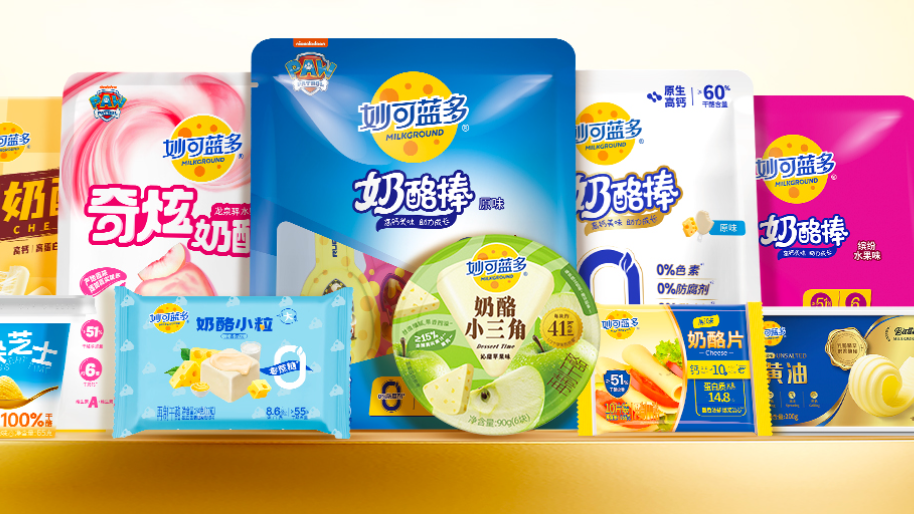
Core Viewpoint - Miaokelando (600882.SH) has signed a memorandum with Saudia Dairy & Foodstuff Co. (SADAFCO) to explore business opportunities for children's cheese sticks in the Saudi market, aligning with the company's strategy of focusing on its core business and international expansion [1][5] Group 1: Partnership and Market Strategy - The collaboration with SADAFCO will involve product innovation, localization, distribution, and marketing efforts, with SADAFCO providing insights into Saudi consumer preferences while Miaokelando will ensure product adaptation to local tastes [3][7] - If successful in the Saudi market, the partnership aims to expand into the Gulf Cooperation Council (GCC) region, indicating a broader regional strategy [3][7] Group 2: International Expansion and Market Position - CEO Kuai Yulong stated that this partnership marks a significant step in Miaokelando's internationalization, transitioning from a "Chinese cheese leader" to a "global cheese player," targeting the high consumer spending capacity and demand for quality snacks in the Middle East [3][7] - Miaokelando plans to penetrate Southeast Asian markets, including Thailand, by 2025, enhancing its global supply chain and brand presence [3][7] Group 3: Financial Performance and Leadership Changes - After two consecutive years of revenue decline, Miaokelando reported a revenue of 3.96 billion yuan in the first three quarters of 2025, a year-on-year increase of 10.09%, and a net profit of 176 million yuan, surpassing the entire net profit of 114 million yuan for 2024 [4][8] - The company experienced a leadership change with the dismissal of Vice Chairman and General Manager Chai Xiu, who remains a board member, and the appointment of Kuai Yulong as the new General Manager [4][8]

2026中国行业趋势深度解读:在变革中把握确定性机遇
Sou Hu Cai Jing· 2026-02-04 10:51
Core Insights - The report highlights that 2026 marks the beginning of China's "14th Five-Year Plan," emphasizing the need for high-quality economic development amid a global new order [1][3] Group 1: Macro Core - Eight Balances - The essence of China's high-quality transformation is a "balance art" that requires precise understanding of multiple relationships [3] - Industry balance requires managing "upgrade promotion" and "overcapacity prevention," particularly in sectors like new energy vehicles and batteries [5] - Market balance involves navigating "internal circulation" and "external circulation," with a focus on enhancing technological strength while benefiting trade partners [5] - Development dynamics must address the contrast between "high resilience" and "low confidence," necessitating strengthened social security and market confidence [5] - Technology and innovation must balance "promoting technology" with "preventing internal competition," as well as the rapid advancement of AI against slower implementation processes [5] Group 2: Key Industry Trends - Consumer Goods, Retail, and Health - The consumer goods and retail sector is transitioning from "market share competition" to "value creation," focusing on user lifecycle value rather than mere reach [6] - Emotional resonance is becoming a core competitive advantage in domestic consumption, with consumers seeking products that provide emotional experiences [8] - Channel transformation is marked by fragmentation and differentiation, with traditional channels declining and new formats like snack stores and instant retail rising [8] - E-commerce is evolving towards meticulous management of existing customers, with a shift from traffic management to user management [8] - Brand upgrades are driven by original technological innovation, with companies investing over 5% of revenue in R&D seeing significantly higher gross margins [9] - The health sector is experiencing dual narratives of increased regulation and innovation, driven by policy adjustments and evolving consumer demands [11] - The healthcare policy is focused on "high-quality development," with reforms in payment methods pushing for cost optimization and service efficiency [11] - Demand segmentation is leading to a rise in proactive health management, with an increasing focus on personalized solutions across the health lifecycle [11] Group 3: Common Core Trends - AI and Internationalization - AI is transitioning from a "follower" to a "leader," with value realization becoming crucial as it penetrates core business functions [13] - The internationalization of Chinese enterprises is shifting from "scale expansion" to "high-quality globalization," emphasizing brand and value chain development [14] - Successful internationalization requires leveraging local advantages in supply chain resilience and cost efficiency while adapting to regional market demands [14]
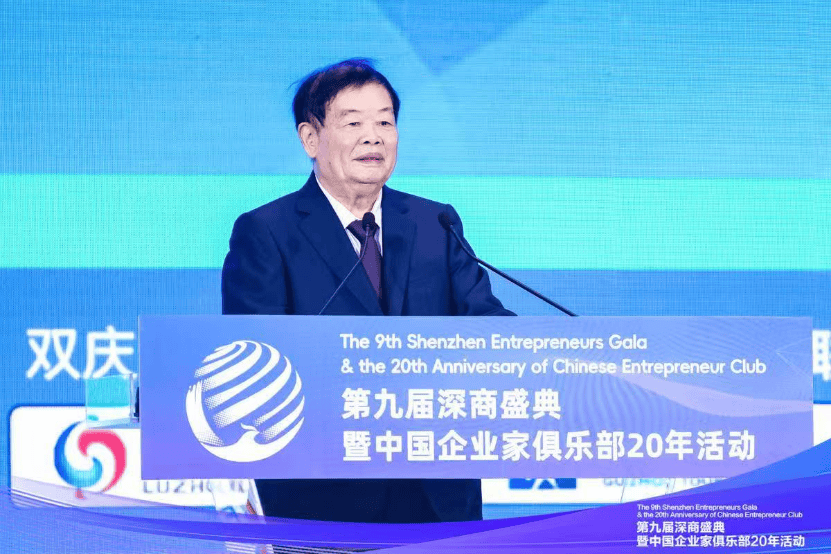
曹德旺分享企业“走出去”经验:真正的国际化,要深度融入当地社会
Sou Hu Cai Jing· 2026-01-12 04:33
Core Insights - The forum emphasized that international industrial cooperation transcends mere commercial interests, focusing on cultural exchange, talent cultivation, and future collaboration [1] Group 1: International Cooperation and Market Integration - The forum gathered top political, business, and academic leaders from China and Europe, focusing on new opportunities for cross-border cooperation in the China-Europe market [3] - The founder of Fuyao Glass, Cao Dewang, highlighted the importance of deeply integrating into local societies for true internationalization, advocating for proactive engagement rather than passive waiting for favorable conditions [4] Group 2: Fuyao Glass's Global Strategy - Fuyao Glass has established production bases and R&D centers in 13 countries, with its glass being used in one out of every three cars globally, showcasing its successful international expansion [4] - Cao Dewang stressed that genuine internationalization involves creating value for local communities and respecting local cultures, rather than just setting up factories abroad [4] Group 3: Talent Development and Education - The shortage of high-end application-oriented talent in the manufacturing sector is a critical bottleneck for international cooperation, as highlighted by Cao Dewang's recruitment challenges [5] - In response to the talent gap, Cao Dewang has committed over 100 billion yuan to establish Fuyao Technology University, aimed at cultivating practical problem-solving talents through collaboration with leading enterprises [5] - The university will focus on core engineering disciplines and aims to bridge the gap between academia and industry, fulfilling the social responsibility of nurturing future talent for the industry and the nation [5]

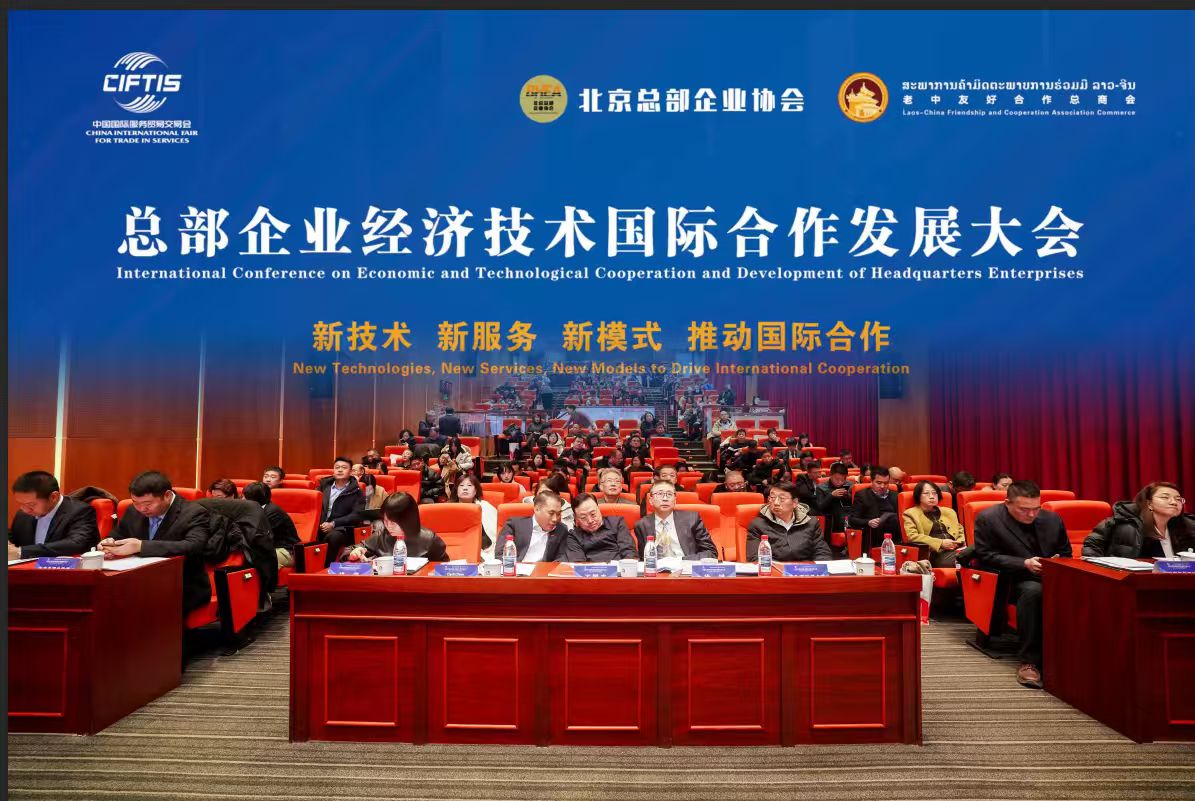
总部企业经济技术国际合作大会成功举办
Zhong Guo Jing Ji Wang· 2025-12-31 06:37
Group 1 - The conference focused on "New Technologies, New Services, New Models to Promote International Cooperation" and aimed to gather representatives from government, industry, academia, and international organizations to discuss new paths for international cooperation in headquarters economy [1][2] - Over 200 representatives from various sectors, including government departments, research institutions, financial institutions, and international organizations, participated in discussions to enhance the international influence of headquarters enterprises and build a collaborative development ecosystem [2][3] - The President of the Beijing Headquarters Enterprise Association emphasized the need for headquarters enterprises to leverage digital technology and industry integration trends to enhance international competitiveness and value chain influence [2][3] Group 2 - Multiple strategic cooperation agreements were signed during the conference, including partnerships with the China-ASEAN Legal Affairs Center and Beijing Bank to support enterprises in expanding into the ASEAN market and providing customized cross-border financing services [5] - The "Headquarters Enterprises International Production-Education-Research Service Base" was inaugurated, aiming to cultivate talents with international vision and innovative capabilities through deep integration of industry, academia, and research [5] - A policy interpretation session was held to address enterprise concerns, with officials explaining policies related to foreign direct investment, communication services, and international development support [5] Group 3 - The conference launched several initiatives, including the "Headquarters Enterprises Influence Dissemination and International Cooperation Promotion Action Plan" and the "Lancang-Mekong Silk Road Outbound Service Center" [6] - A roundtable dialogue featured discussions on new technology empowerment, service upgrades, and model innovation, providing diverse practical references for participating enterprises [9] - The event established an open and efficient international cooperation dialogue platform, aiming to deepen cross-field and cross-regional cooperation and contribute to international economic cooperation and sustainable development [10]
华为进入国际市场,李嘉诚的贡献到底有多大?
Sou Hu Cai Jing· 2025-12-29 15:33
Core Viewpoint - The article discusses the role of Li Ka-shing in Huawei's entry into the international market, questioning the extent of his influence and support during critical moments, particularly during the 2019 U.S. sanctions and earlier market entries [1][3][9]. Group 1: Huawei's Entry into the Hong Kong Market - In 1996, Li Ka-shing's company, Hutchison Whampoa, secured a telecommunications license in Hong Kong, which required rapid infrastructure development within three months [1][3]. - Huawei, then a relatively unknown company, was chosen by Li Ka-shing over more established competitors like Ericsson and Siemens, marking a significant step for Huawei's international ambitions [3][5]. - Huawei's competitive advantages included pricing that was 30-40% lower than competitors and a commitment to complete the project within the tight deadline, which they successfully achieved [5]. Group 2: Support During U.S. Sanctions - In 2018, during Huawei's challenges with U.S. sanctions, it was reported that Li Ka-shing supported Huawei with a £2 billion order, facilitating Huawei's entry into the UK market [7]. - However, it was clarified that this support was based on Huawei's competitive pricing and compliance with UK government regulations, rather than personal influence from Li Ka-shing [7][9]. - The article emphasizes that while Li Ka-shing did assist Huawei in its early international endeavors, the narrative of his extensive support during later challenges is overstated [9].

美联商汇(亚洲)资本集团创始合伙人杨杰:外向型企业一定走向国际的路上,更加坚决大步伐的往前走
Cai Jing Wang· 2025-12-27 13:55
Core Viewpoint - The forum highlighted the theme of "Future Positioning of Hainan Free Trade Port and New Opportunities in Sanya," emphasizing the need for Chinese enterprises, especially private ones, to confidently expand into international markets while navigating the complexities of U.S. capital markets [1][2]. Group 1: U.S. Capital Market Dynamics - The U.S. regulatory environment remains relatively open and welcoming to Chinese enterprises, with over 60 companies listed in the U.S. this year, marking a new high [4]. - The demand for Chinese companies to list and raise funds in the U.S. is still strong, despite a cautious and somewhat hungry attitude from U.S. investors towards Chinese assets [4][5]. - In 2025, it is projected that 69 Chinese companies will go public in the U.S., a 7.2% increase from 2024, with a total IPO fundraising amount of $1.42 billion, primarily in sectors like smart technology, healthcare, and new energy [3][4]. Group 2: Challenges for Small Enterprises - Approximately 70% of the 69 companies expected to list in 2025 will raise less than $10 million, with only 4% expected to exceed $100 million in fundraising [4]. - Small enterprises are increasingly finding it difficult to meet the heightened standards set by the U.S. Securities and Exchange Commission for listing, making it less feasible for them to enter the U.S. market [5][6]. - Traditional industries lacking innovation or new business models may struggle to gain recognition in the U.S. capital market, which favors innovative or asset-light companies [5][6]. Group 3: Strategic Outlook for Chinese Enterprises - Internationally-oriented enterprises must pursue opportunities in international capital markets to thrive, as the domestic market becomes saturated [5][6]. - The forum discussed the potential for Hainan to attract global capital and become a financial hub comparable to major centers like Hong Kong, New York, and London, emphasizing the importance of capital market openness [7][8]. - Despite geopolitical tensions, the necessity for Chinese enterprises to engage with U.S. markets remains, as many high-quality clients still come from the U.S. [8][9].
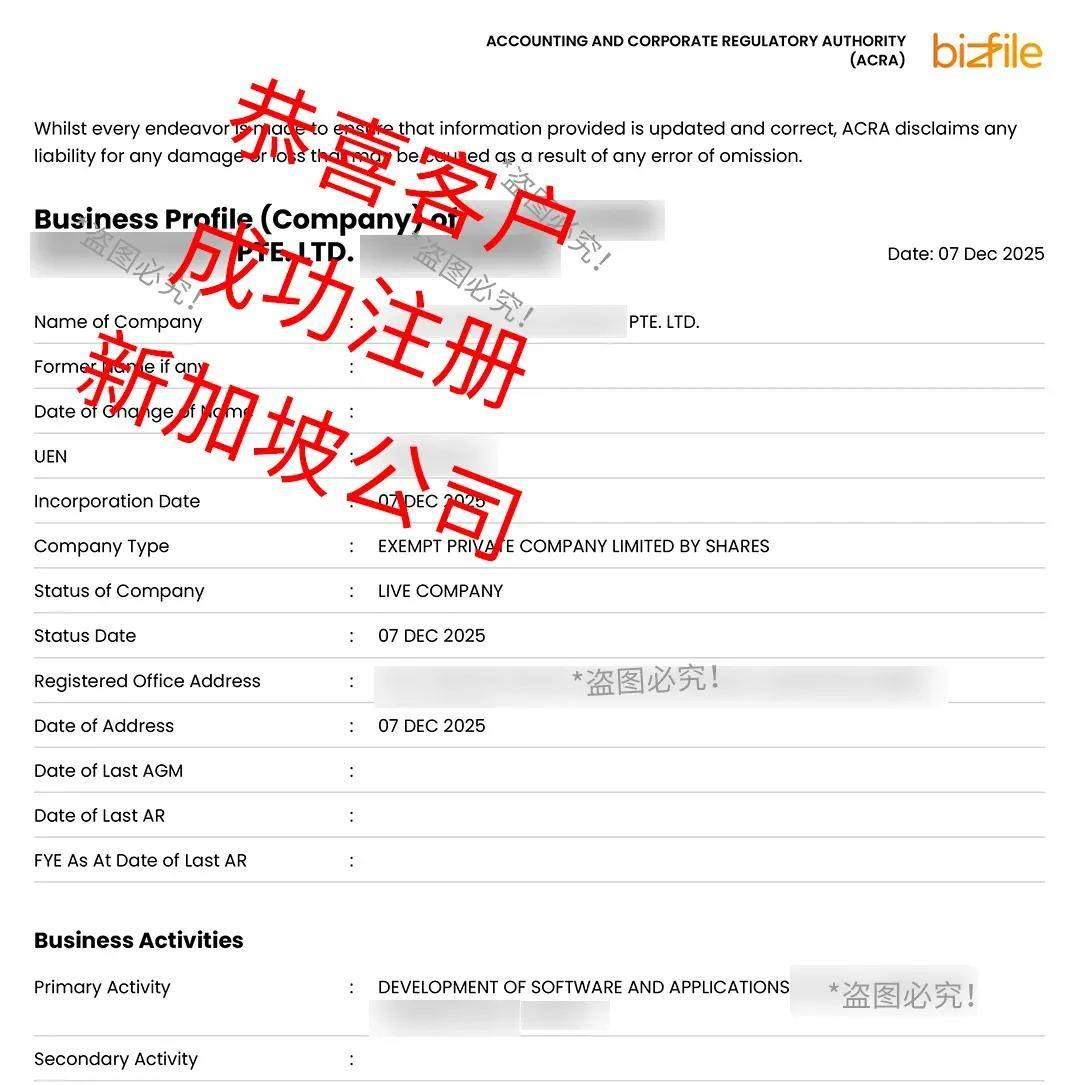
从注册到战略支点:一家软件公司如何借力新加坡驶向全球【成功案例】
Sou Hu Cai Jing· 2025-12-19 03:12
Core Insights - C Company has successfully obtained registration approval for its Singapore subsidiary, marking a significant step in its global market strategy by establishing Singapore as a strategic hub [1] Group 1: Strategic Decision - C Company chose Singapore as its first global expansion site due to multiple strategic advantages, including its status as a financial and business center in Asia, a stable regulatory environment, and efficient government services [2] - The vibrant digital innovation ecosystem, strict intellectual property protection, and geographical position as a gateway to Southeast Asia further enhance Singapore's attractiveness for tech companies like C Company [2] - Singapore's government has introduced favorable policies, such as the "Global Entrepreneur Program," which supports high-potential startups with comprehensive resources, aligning well with C Company's international ambitions [2] Group 2: Efficient Registration Process - The registration process for C Company was efficient, facilitated by Singapore's fully digital official platform "BizFile+" [3] - The platform integrates all services related to company registration, allowing foreign investors to complete the registration process online in an average of 1 to 3 days [4] - The process is characterized by convenience, including online one-stop services, precise business classification, and clear core requirements for registration [5] Group 3: Strategic Advantages - Establishing a subsidiary in Singapore enhances C Company's international brand credibility, significantly increasing its professionalism and trustworthiness in the eyes of global clients and partners [7] - The low corporate tax rate of 17% and extensive network of double taxation avoidance agreements in Singapore provide favorable conditions for international tax planning [8] - Singapore's status as an open international financial center facilitates access to capital markets for financing and attracts top international talent [9] Conclusion - The establishment of the Singapore subsidiary represents a practical implementation of C Company's strategic blueprint and a new starting point for the company [10] - This move enables C Company to more agilely seize regional and global opportunities, accelerating the integration of technological innovation and business networks [10]
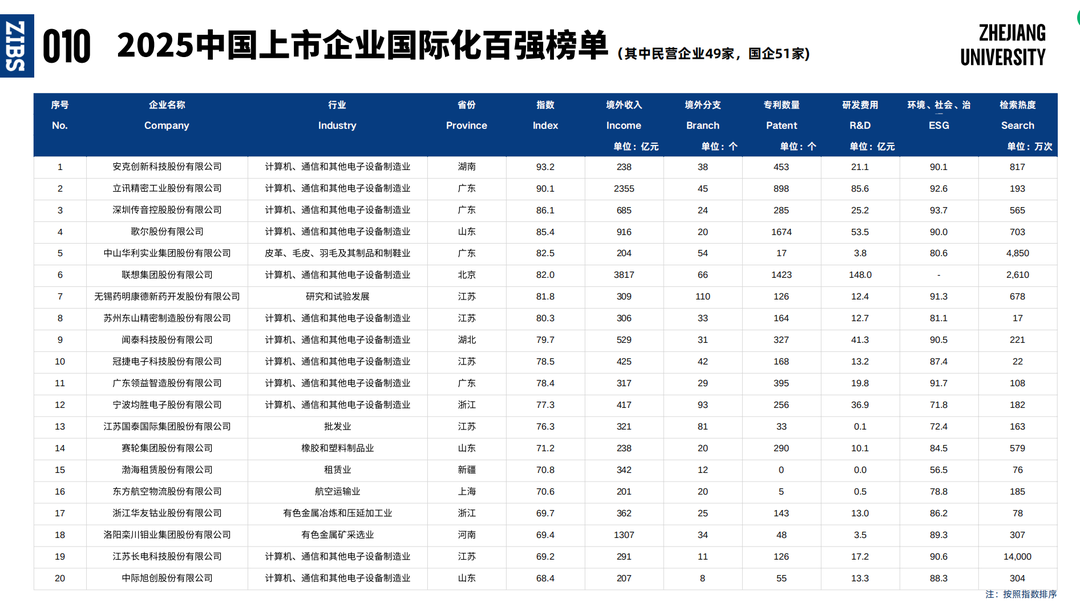
山东上榜10家!CCM发布2025中国上市企业国际化百强榜单
Da Zhong Ri Bao· 2025-12-17 07:02
Group 1 - The "2025 China Private Enterprises Internationalization Top 100 List" was released at a forum in Hangzhou, highlighting the globalization progress of Chinese private enterprises [1] - The list is based on a quantitative indicator system assessing "internationalization scale, organization, innovation, and influence," showing that the manufacturing sector remains the main force in internationalization with 61 companies in the top 100 [1] - The Yangtze River Delta region leads in representation, with active participation from companies in Guangdong, Zhejiang, Beijing, Shandong, Jiangsu, and Shanghai [1] Group 2 - The top 100 internationalized enterprises generated a total of 6.02 trillion yuan in overseas revenue, accounting for 16.2% of total revenue, with an average overseas revenue of 602.1 million yuan per company [4] - The entry threshold for the list was set at 1.859 billion yuan, indicating a significant increase in both the scale and quality of internationalization among Chinese enterprises [4] - Shandong province had 10 companies on the list, showcasing its international competitiveness in sectors like non-ferrous metal processing and high-end chemical new materials [4][6] Group 3 - Notable companies from Shandong include GoerTek (4th), Sailun Group (14th), and Zhongji Xuchuang (20th), reflecting the region's diverse industrial strengths [4] - Haier Smart Home ranked among the top companies with overseas revenue of 142.9 billion yuan and 6,406 patents, indicating its strong innovation capabilities [4] - The province's economic structure is characterized by both state-owned enterprises and private enterprises, with the latter driving innovation in precision manufacturing and smart hardware [6][7]