
宏观政策

Search documents
华宝期货晨报铝锭-20260401
Hua Bao Qi Huo· 2026-04-01 03:02
Report Industry Investment Rating - Not provided Core Viewpoints - The price of finished products is expected to move in a volatile and consolidating manner, and the price of aluminum is expected to be strong in the short - term. The finished products are expected to continue to move with a downward - shifted center of gravity and weak operation, while the aluminum price is supported by geopolitical and fundamental factors to remain high [1][2][3] Summaries by Relevant Catalogs Finished Products - In the Yunnan - Guizhou region, short - process construction steel production enterprises will have a shutdown and maintenance period during the Spring Festival from mid - to late January, and the resumption time is expected to be around the 11th to 16th day of the first lunar month, with an estimated impact on the total construction steel output of 741,000 tons during the shutdown. In Anhui Province, 1 out of 6 short - process steel mills started to shut down on January 5, and most of the remaining mills will shut down around mid - January, with an estimated daily output impact of about 16,200 tons during the shutdown [1][2] - From December 30, 2024, to January 5, 2025, the total transaction (signing) area of newly built commercial housing in 10 key cities was 2.234 million square meters, a 40.3% decrease from the previous period and a 43.2% increase year - on - year [2] - The price of finished products continued to decline in a volatile manner yesterday, reaching a new low in the recent period. In the pattern of weak supply and demand, the market sentiment is also pessimistic, leading to a continuous downward shift of the price center. The winter storage this year is sluggish, providing weak support for the price [2] Aluminum - In March 2026, the domestic electrolytic aluminum output increased by 1.6% year - on - year and 10.7% month - on - month. The downstream industry's start - up rate increased overall, and the proportion of molten aluminum rose by about 9.3 percentage points to 73.7%, higher than the initial expectation. The domestic aluminum processing comprehensive PMI reached 65.6%, indicating a significant rebound above the boom - bust line [2] - In March, the aluminum processing industry showed a rapid recovery trend under the combined effects of the "Golden March" peak season, post - holiday resumption of production, policy drive, and high prosperity in some emerging fields. However, factors such as high - level fluctuations in aluminum prices, differentiation in terminal demand, disturbances to exports caused by the Middle East situation, as well as scrap aluminum costs and compliance policy constraints, still limit the industry's subsequent upward space [2] - In mid - to late March, the regional differentiation in the domestic electrolytic aluminum market became more significant, with the inventory trends in East and South China deviating from the spot price difference, and regional market differentiation becoming the core feature of the current electrolytic aluminum spot market [2] - The volatile Middle East situation gives the aluminum price short - term upward momentum. The domestic inventory is still high, and the domestic price is expected to be weaker than the overseas price. The current market trading sentiment revolves around oil prices, and the Middle East geopolitics is the core variable affecting market games [3]
华宝期货碳酸锂晨报:宏观叠加供应扰动高位震荡,成材:重心下移偏弱运行-20260401
Hua Bao Qi Huo· 2026-04-01 03:01
Report's Investment Rating for the Industry - No information provided Core View of the Report - The lithium carbonate market is experiencing high-level fluctuations due to the combination of macro factors and supply disruptions [2][3] Summary Based on Relevant Catalogs Market Performance - Yesterday, the main contract 2605 of lithium carbonate oscillated downward with increased trading volume and showed a position reduction throughout the day. The Guangzhou Futures Exchange warehouse receipt volume decreased to 11,318 lots. The difference in open interest between the 2605 and 2609 contracts has narrowed to only 10,000 lots. The SMM average price of battery-grade lithium carbonate in the spot market is 164,500 yuan/ton. As prices fall, upstream lithium salt producers are more reluctant to sell, while downstream material manufacturers' procurement has not significantly improved. Inquiries are active, but transactions are somewhat light [2] Fundamental Analysis - **Supply**: Last week, raw material prices were divided. The CIF price of spodumene concentrate in China slightly increased, while the domestic spot price slightly decreased. The SMM operating rate continued to rise to 56.57%, and the total output increased to 24,814 tons, with overall supply steadily increasing [3] - **Demand**: Ternary lithium iron phosphate continued the trend of increasing production and inventory. Energy storage cells had strong production and sales and low inventory, presenting a structural highlight. The intensive release of new models from March to April is expected to drive a marginal improvement in demand [3] - **Inventory**: Last week, the SMM four - region social inventory decreased to 39,300 tons. The sample weekly inventory increased to 99,500 tons in a cumulative manner but remained at a relatively low level. The total inventory days increased to 27.9 days. Structurally, upstream and downstream enterprises increased inventory, while traders reduced inventory [3] Macro - policy Analysis - **International**: The 15% temporary tariff policy of the US White House is still within the window period, which is a phased positive for demand. Geopolitical conflicts in the Middle East continue to cause disruptions, but Trump has signaled the end of the war, and macro uncertainties still exist [3] - **Domestic**: The comprehensive utilization management method for new - energy vehicle power batteries will long - term optimize the domestic supply structure and raise the cost support center. The development of Qinghai salt lakes, the "14th Five - Year Plan" for energy storage, and the Central Economic Work Conference support the long - term balance of supply and demand. The 2026 government work report mentioned zero - carbon parks/factories, which are expected to become the second growth curve for energy storage [3]
维护金融市场稳定运行!央行召开重要会议
证券时报· 2026-03-31 11:13
Core Viewpoint - The People's Bank of China (PBOC) emphasizes the need for a moderately loose monetary policy to support economic stability and reasonable price recovery, while addressing external challenges and domestic economic issues [2][5]. Group 1: Monetary Policy - The PBOC suggests leveraging both incremental and stock policies to enhance monetary policy effectiveness, using various tools to adjust based on domestic and international economic conditions [2][5]. - The meeting highlights that macro policies have become more proactive this year, with monetary policy remaining moderately loose, creating a favorable financial environment for sustained economic improvement [5]. - The PBOC aims to maintain ample liquidity, ensuring that the growth of social financing and money supply aligns with economic growth and price level expectations [5]. Group 2: Interest Rates - The meeting recommends strengthening the guidance of central bank policy rates and improving the market-based interest rate transmission mechanism to lower financing costs [6]. - It emphasizes the need to regulate credit market operations to reduce intermediary financing costs and promote low comprehensive financing costs [6]. Group 3: Bond Market - The PBOC advises monitoring the bond market from a macro-prudential perspective, focusing on changes in long-term yields and enhancing the efficiency of fund utilization [7]. Group 4: Foreign Exchange Market - The meeting stresses the importance of enhancing the resilience of the foreign exchange market, stabilizing market expectations, and maintaining the RMB exchange rate at a reasonable and balanced level [8]. Group 5: Support for Private Economy - Although the meeting did not explicitly mention maintaining capital market stability, it emphasized the continuous provision of financial services to support the development of the private economy [9].

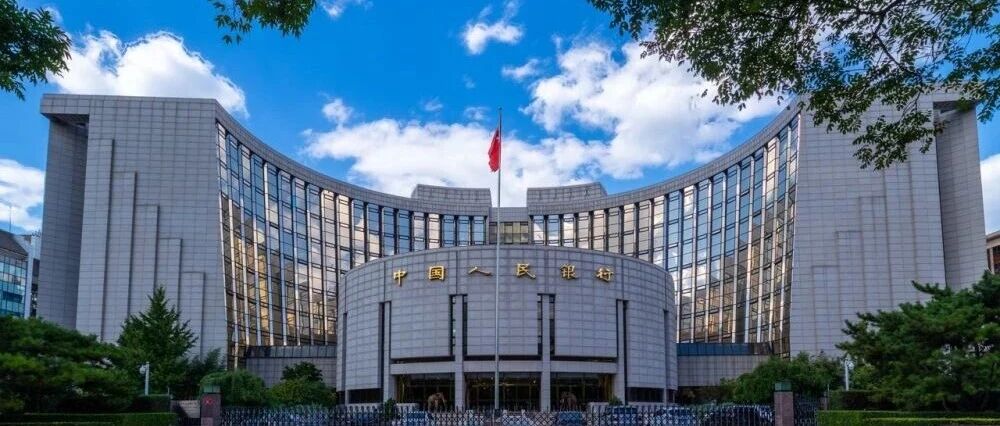
央行重磅会议!事关下阶段货币政策思路
清华金融评论· 2026-03-31 09:58
Core Viewpoint - The People's Bank of China (PBOC) emphasizes the need for a moderately loose monetary policy to support economic stability and growth, while addressing external challenges and ensuring a balanced financial environment [2][3][4]. Group 1: Monetary Policy and Economic Environment - The PBOC's monetary policy remains moderately loose, utilizing various tools to create a favorable financial environment for sustained economic improvement [2]. - The loan market interest rate reform is showing effectiveness, with social financing costs at historically low levels [2]. - The external economic environment is increasingly challenging, with weak global economic momentum and frequent geopolitical and trade conflicts [2]. Group 2: Future Policy Directions - The meeting suggests integrating incremental and stock policies, using multiple tools to strengthen monetary policy regulation based on domestic and international economic conditions [3]. - Maintaining ample liquidity is crucial, aligning social financing scale and money supply growth with economic growth and price level expectations [3]. - The PBOC aims to enhance the effectiveness of monetary policy transmission mechanisms and improve the efficiency of fund utilization [3]. Group 3: Financial Sector Support - Large banks are encouraged to play a key role in serving the real economy, while smaller banks should focus on their core responsibilities and strengthen capital [3]. - Structural monetary policy tools will be utilized to support key areas such as domestic demand expansion, technological innovation, and the development of small and micro enterprises [3]. - The PBOC emphasizes the importance of maintaining financial market stability and enhancing financial management capabilities under open conditions [3][4].

华宝期货晨报铝锭-20260331
Hua Bao Qi Huo· 2026-03-31 03:52
Group 1: Report Industry Investment Ratings - No relevant content Group 2: Core Views -成材预计震荡整理运行,价格重心下移,偏弱运行 [1][3] -铝锭预计价格短期偏强运行,关注宏观情绪 [4] Group 3: Summary by Related Catalogs 成材 -云贵区域短流程建筑钢材生产企业春节停产检修时间多在1月中下旬,复产时间预计在正月十一至十六,停产预计影响总产量74.1万吨 [2][3] -安徽省6家短流程钢厂,1家1月5日停产,大部分1月中旬左右停产,个别1月20日后停产,停产日度影响产量1.62万吨左右 [3] -2024年12月30日 - 2025年1月5日,10个重点城市新建商品房成交面积223.4万平方米,环比降40.3%,同比增43.2% [3] -成材昨日震荡下行,价格创新低,供需双弱,市场情绪悲观,冬储低迷,对价格支撑不强 [3] 铝锭 -昨日铝价冲高,近期中东局势紧张,铝产能受影响,短期拉升价格 [2] -国内氧化铝市场累库且幅度扩大,供应端开工率小幅回落,但广西新投项目投产,周度产量环比增长,供应压力显现 [3] -3月铝加工综合PMI为65.6%,反弹至荣枯线上方,行业整体景气度回升,各细分板块PMI跃升,呈现节后修复、旺季驱动特征 [3] -4月铝加工行业景气度预计由“全面修复”转向“结构分化”,综合PMI中枢向荣枯线回归 [3] -三月下半月,国内电解铝市场区域分化行情显著,华东、华南库存走势与现货价差背离加剧 [3] -周末局势紧张,铝价短期获走强动力,国内库存偏高,预计价格较外盘偏弱,市场交易情绪围绕油价,中东地缘是核心变量 [4]
本周热点前瞻2026-03-30
Guo Tai Jun An Qi Huo· 2026-03-30 03:17
Report Summary 1. Report Industry Investment Rating No information provided regarding the report industry investment rating. 2. Core Viewpoint The report provides a forward - looking analysis of key events and data releases in the coming week and their potential impacts on the futures market, including data from China, the US, and the Eurozone, as well as important meetings and speeches [2][3][4]. 3. Summary by Directory This Week's Key Focus - On March 31 at 09:30, China will release March official manufacturing PMI, non - manufacturing PMI, and composite PMI [2][5]. - On April 1 at 20:30, the US will announce February retail sales [2][15]. - On April 2 at 20:30, the US will release the initial jobless claims for the week ending March 28 [2][19]. - On April 3 at 20:30, the US will publish the March non - farm payroll report [2][23]. - Attention should be paid to factors such as domestic macro - policies, the military conflict between the US, Israel, and Iran, other international geopolitical situations, and speeches by US President Trump and Fed officials [2]. This Week's Hotspot Preview March 30 - Fed Chairman Powell will attend an open discussion at Harvard University. His speech and its impact on relevant futures prices should be monitored [3]. - G7 finance ministers, energy ministers, and central bank governors will hold a meeting to discuss the release of strategic oil reserves. The meeting's result and its impact on crude oil and related futures prices should be noted [4]. March 31 - China's March official manufacturing PMI is expected to be 50.0% (previous value: 49.0%), and non - manufacturing PMI is expected to be 50.2% (previous value: 49.5%). A slight increase may help commodity and stock index futures rise but suppress treasury bond futures [5]. - The Eurozone's March CPI initial value is expected to show a significant rebound. The annual rate of harmonized CPI (unadjusted) is expected to be 2.8% (previous value: 1.9%), and the core harmonized CPI annual rate (unadjusted) is expected to be 2.9% (previous value: 2.3%), which may stimulate expectations of the ECB's interest rate hike this year [6]. - The US March Conference Board consumer confidence index (previous value: 91.2) and February JOLTs job openings (previous value: 6.946 million) will be released [9][10]. April 1 - The USDA will release the quarterly inventory report and crop planting intention report. Their impacts on relevant agricultural product futures prices should be monitored [11]. - China's March SPGI manufacturing PMI is expected to be 51.8 (previous value: 52.1). A slight decrease may suppress industrial product and stock index futures but help treasury bond futures [12]. - The Eurozone's February unemployment rate is expected to be 6.2% (previous value: 6.1%) [13]. - The US March ADP new employment is expected to be 85,000 (previous value: 63,000). An increase may help non - ferrous metals, crude oil, and related commodity futures prices rise but suppress gold and silver futures prices [14]. - The US March ISM manufacturing PMI is expected to be 52.1 (previous value: 52.4) [16]. - The US EIA crude oil inventory change for the week ending March 27 (previous value: + 6.926 million barrels). A continued increase may suppress crude oil and related commodity futures [17]. April 2 - The US February trade deficit is expected to be $55 billion (previous value: $54.5 billion) [18]. - The US initial jobless claims for the week ending March 28 are expected to be 215,000 (previous value: 210,000). A slight increase may help gold and silver futures prices rise but suppress non - ferrous metals, crude oil, and related commodity futures prices [19]. April 3 - The US Fed's balance sheet as of April 1 (previous value: $6.66 trillion) will be released [21]. - China's March SPGI services PMI is expected to be 53.7 (previous value: 56.7) [22]. - The US March non - farm payroll report: The seasonally adjusted new non - farm employment is expected to be 48,000 (previous value: - 92,000), the unemployment rate is expected to be 4.5% (previous value: 4.4%), and the average hourly wage monthly rate is expected to be 0.4% (previous value: 0.4%). A significant improvement in new non - farm employment and a slight increase in the unemployment rate may further reduce the possibility of the Fed's interest rate cut later this year, suppress gold and silver futures, but help other industrial product futures [23]. - The US March ISM non - manufacturing PMI is expected to be 57 (previous value: 56.1). A slight increase may slightly suppress gold and silver futures prices [24]. April 4 - China will release the market prices of important production materials in the circulation field in late March, covering 9 categories and 50 types of products [25].
【权威解读】1—2月份规模以上工业企业利润实现较快增长
中汽协会数据· 2026-03-27 07:04
Core Viewpoint - In the first two months of 2026, the profits of large-scale industrial enterprises in China experienced rapid growth, driven by proactive macro policies and a recovery in various industries, particularly in equipment manufacturing and high-tech sectors [1][4]. Group 1: Profit Growth and Revenue - In January-February, the profits of large-scale industrial enterprises increased by 15.2% year-on-year, accelerating by 14.6 percentage points compared to the previous year [1]. - The gross profit margin, calculated by deducting operating costs from operating income, grew by 6.9% year-on-year, a significant improvement from the previous year's flat performance [1]. - The manufacturing sector saw an 18.9% profit increase, while mining and electricity, heat, gas, and water supply sectors reported growths of 9.9% and 3.7%, respectively [1]. Group 2: Industry Performance - Out of 41 major industrial categories, 24 reported profit growth, with a growth coverage of 58.5% [2]. - The equipment manufacturing sector's revenue grew by 8.9%, leading to a 23.5% profit increase, which is 15.8 percentage points higher than the previous year [2]. - High-tech manufacturing profits surged by 58.7%, contributing 7.9 percentage points to the overall profit growth of large-scale industrial enterprises [3]. Group 3: Cost and Profitability - The cost per 100 yuan of revenue for large-scale industrial enterprises decreased to 84.83 yuan, marking the first year-on-year decline since 2022 [4]. - The profit margin for operating income improved to 4.92%, an increase of 0.43 percentage points year-on-year [4]. - Profits improved across different enterprise sizes, with private enterprises experiencing a 37.2% profit growth compared to the previous year [4].

资金面充裕,国债期货全线收涨
Hua Tai Qi Huo· 2026-03-27 05:17
1. Report Industry Investment Rating No relevant content provided. 2. Core View of the Report The bond market is oscillating between stable growth and easing expectations. In the short - term, attention should be paid to the policy signals at the end of the month. The market is affected by factors such as geopolitical situations in the Middle East, inflation expectations, cross - quarter funding, unchanged LPR, and uncertainties in foreign capital inflows due to the Fed's interest rate cut expectations and global trade uncertainties [3]. 3. Summary by Related Catalogs 3.1 Interest Rate Pricing Tracking Indicators - **Price Indicators**: China's CPI (monthly) has a 1.00% month - on - month increase and a 1.30% year - on - year increase; China's PPI (monthly) has a 0.40% month - on - month increase and a - 0.90% year - on - year decrease [9]. - **Monthly Economic Indicators**: The social financing scale is 451.40 trillion yuan, with a month - on - month increase of 2.29 trillion yuan and a growth rate of 0.51%. M2 year - on - year is 9.00% with no change. The manufacturing PMI is 49.00%, with a month - on - month decrease of 0.30% and a decline rate of 0.61% [10]. - **Daily Economic Indicators**: The US dollar index is 99.94, with a day - on - day increase of 0.32 and a growth rate of 0.32%. The US dollar against the offshore RMB is 6.9184, with a day - on - day increase of 0.012 and a growth rate of 0.17%. SHIBOR 7 - day is 1.44, with a day - on - day increase of 0.00 and a growth rate of 0.21%. DR007 is 1.44, with a day - on - day increase of 0.00 and a decline rate of 0.06%. R007 is 1.55, with a day - on - day decrease of 0.01 and a decline rate of 0.55%. The 3 - month inter - bank certificate of deposit (AAA) is 1.48, with a day - on - day increase of 0.01 and a growth rate of 0.40%. The AA - AAA credit spread (1Y) is 0.09, with a day - on - day increase of 0.00 and a growth rate of 0.40% [10]. 3.2 Treasury and Treasury Futures Market Overview Relevant figures include the closing price trend of the main continuous contracts of treasury futures, the price change rate of each treasury futures variety, the precipitation fund trend of each treasury futures variety, the position ratio of each treasury futures variety, the net position ratio of the top 20 in each treasury futures variety, and the long - short position ratio of the top 20 in each treasury futures variety [12][13][17]. 3.3 Money Market Funding Situation - **Fiscal Aspect**: From January to February, the fiscal operation started smoothly. General public budget revenue increased by 0.7% year - on - year, and expenditure increased by 3.6% year - on - year. The revenue side shows that enterprise - related taxes performed better than the household sector. VAT increased by 4.7%, while consumption tax and individual income tax declined, indicating weak household consumption. Government fund revenue decreased by 16% year - on - year due to the drag of land transfer, and expenditure increased by 16% year - on - year due to the accelerated issuance of special bonds. The economy still shows a pattern of "strong supply and weak demand", and the foundation for the recovery of the real estate and consumption sectors is not yet solid [2]. - **Financial Aspect**: In February, the overall financial data showed the characteristics of "stable total amount and differentiated structure". The credit growth rate continued to decline to 6.0%, the social financing growth rate remained flat at 8.2%, M1 rebounded to 5.9% driven by the Spring Festival dislocation and unexpected consumption, and M2 remained flat at 9.0% due to increased fiscal expenditure. In terms of structure, medium - and long - term corporate loans increased year - on - year under the pre - emptive policy, but household credit demand continued to be weak, especially the medium - and long - term loans showed a net decrease again, indicating that the willingness of the real economy to increase leverage still needs to be repaired [2]. - **Central Bank Operation**: On March 26, 2026, the central bank carried out a 7 - day reverse repurchase operation of 224 billion yuan at a fixed interest rate of 1.4% [2]. - **Money Market**: The repurchase rates of the main tenors 1D, 7D, 14D, and 1M are 1.320%, 1.438%, 1.506%, and 1.503% respectively, and the repurchase rates have declined recently [2]. 3.4 Spread Situation Relevant figures include the inter - period spread trend of each treasury futures variety, and the spread between the spot bond term spread and the futures cross - variety spread (such as 4*TS - T, 2*TS - TF, 2*TF - T, 3*T - TL, 2*TS - 3*TF + T) [31][32][34]. 3.5 Two - Year Treasury Futures Relevant figures include the implied interest rate of the main contract of two - year treasury futures and the treasury bond maturity yield, the IRR of the TS main contract and the funding rate, the three - year basis trend of the TS main contract, and the three - year net basis trend of the TS main contract [42][44]. 3.6 Five - Year Treasury Futures Relevant figures include the implied interest rate of the main contract of five - year treasury futures and the treasury bond maturity yield, the IRR of the TF main contract and the funding rate, the three - year basis trend of the TF main contract, and the three - year net basis trend of the TF main contract [46][58]. 3.7 Ten - Year Treasury Futures Relevant figures include the implied yield of the main contract of ten - year treasury futures and the treasury bond maturity yield, the IRR of the T main contract and the funding rate, the three - year basis trend of the T main contract, and the three - year net basis trend of the T main contract [53][57]. 3.8 Thirty - Year Treasury Futures Relevant figures include the implied yield of the main contract of thirty - year treasury futures and the treasury bond maturity yield, the IRR of the TL main contract and the funding rate, the three - year basis trend of the TL main contract, and the two - year net basis trend of the TL main contract [61][64]. 3.9 Strategies - **Unilateral Strategy**: The repurchase rate has declined, and the price of treasury futures is oscillating [4]. - **Arbitrage Strategy**: Pay attention to the decline of the 2606 basis [4]. - **Hedging Strategy**: There is medium - term adjustment pressure, and short - sellers can use far - month contracts for appropriate hedging [4].
现货价格弱势运行,宏观风险仍存
Hua Tai Qi Huo· 2026-03-26 05:37
Group 1: Report Industry Investment Rating - No relevant content provided Group 2: Core Viewpoints of the Report - The spot price is running weakly, and macro - risks still exist. With the marginal easing of the Middle East situation, the prices of outer - market crude oil and LPG have declined, and the PG futures price has fallen from a high. The domestic spot prices in various regions showed mixed trends yesterday. Due to the easing of the Middle East situation and the outer - market trend, the manufacturers of civil gas and ether - post carbon four have offered discounts to increase sales. Although there have been significant pull - backs in both the inner and outer markets, the situation in Iran remains unclear, the Strait of Hormuz has not resumed navigation, and the news is constantly changing. In a high - volatility market, both long and short positions lack a safety margin, so caution is needed [1] - The short - term strategy for unilateral trading is to mainly wait and see due to short - term sharp fluctuations. There are no strategies for inter - period, inter - variety, spot - futures, and options trading [2] Group 3: Summary Based on Related Catalogs Market Analysis - On March 25th, the regional prices were as follows: Shandong market, 6380 - 6500; Northeast market, 5620 - 6010; North China market, 6200 - 6450; East China market, 6700 - 7350; Yangtze River area market, 6840 - 6960; Northwest market, 5700 - 6015; South China market, 7100 - 7300 [1] - In the second half of April 2026, the CIF price of frozen propane in East China was 980 US dollars/ton, a decrease of 100 US dollars/ton, and the price of butane was 980 US dollars/ton, a decrease of 100 US dollars/ton. In RMB terms, the price of propane was 7435 yuan/ton, a decrease of 762 yuan/ton, and the price of butane was 7435 yuan/ton, a decrease of 762 yuan/ton. The same price changes occurred in South China [1] Strategy - Unilateral: Short - term sharp fluctuations, mainly wait and see in the short term [2] - Inter - period: None [2] - Inter - variety: None [2] - Spot - futures: None [2] - Options: None [2]
螺纹日报:震荡偏弱-20260325
Guan Tong Qi Huo· 2026-03-25 09:50
1. Report Industry Investment Rating - The investment rating for the steel industry is not explicitly stated in the report, but the short - term view is that the rebar main contract will fluctuate weakly, and the long - term view is that it will continue to fluctuate strongly [5] 2. Core View of the Report - The short - term rebar main contract fluctuates weakly due to the easing of the Middle - East situation and the weakening of iron ore and coking coal driven by the decline in crude oil. However, the downside space is limited. In the future, it will mainly follow the spot price to repair the basis. In the long - term, as it enters the peak season, it is expected to continue to fluctuate strongly. Attention should be paid to the downstream resumption progress and destocking speed [5] 3. Summary by Relevant Catalogs Market行情回顾 - **Futures Price**: The rebar main contract on Wednesday had a decrease of 56,176 open positions, and the trading volume shrank compared with the previous trading day, with 593,608 lots. The short - term moving average broke below the 5 - day moving average of 3137, and the daily line was above the medium - term 30 - day moving average of 3096 and the 60 - day moving average of 3115. The short - term trend was weak, while the medium - term trend was strong [1] - **Spot Price**: The mainstream area's HRB400E 20mm rebar spot price was 3,230 yuan/ton, a decrease of 10 yuan compared with the previous trading day [1] - **Basis**: The futures price was at a discount of 98 yuan/ton to the spot price [2] Fundamental Data - **Supply and Demand Situation** - **Supply**: In the week of March 19, 2026, the rebar production was 2.0333 million tons, a week - on - week increase of 80,300 tons and a year - on - year decrease of 228,800 tons. The steel mill's resumption of production was moderate, and the supply - side pressure on prices was limited [3] - **Demand**: In the week of March 19, 2026, the current apparent demand was 2.0809 million tons, a week - on - week increase of 312,800 tons and a year - on - year decrease of 349,100 tons. Seasonal resumption of work drove the rebound of apparent demand, but the year - on - year performance was still weak. The intensity of demand recovery was the core variable in the future [3] - **Inventory**: The social inventory was 6.5321 million tons, a week - on - week decrease of 13,400 tons; the steel mill inventory was 2.362 million tons, a week - on - week decrease of 34,200 tons; the total inventory was 8.8941 million tons, a week - on - week decrease of 47,600 tons, entering the weekly destocking for the first time. However, the absolute inventory and inventory - to - sales ratio were still at a high level, suppressing the upward space of prices [3] - **Cost and Profit**: The steel price valuation was at a low level. Geopolitical factors pushed up oil prices and shipping costs, providing support for commodity prices [3] - **Macroeconomic Aspect**: The Fourth Session of the 14th National People's Congress held on March 5, 2026, released positive signals. The government work report proposed measures such as issuing 1.3 trillion yuan of ultra - long - term special treasury bonds, arranging 4.4 trillion yuan of local government special bonds, and implementing a moderately loose monetary policy. The market's expectation of infrastructure and real - estate support increased, and the sentiment received phased support [4] Driving Factor Analysis - **Bullish Factors**: Low steel price valuation, geopolitical factors pushing up costs, policy support expectations, implementation of steel mill production cuts, and cost support repair [5] - **Bearish Factors**: Persistent weak terminal demand, weakening cost support, continuous inventory accumulation, slow destocking speed, and bearish capital position structure [5]