地缘政治平衡

Search documents
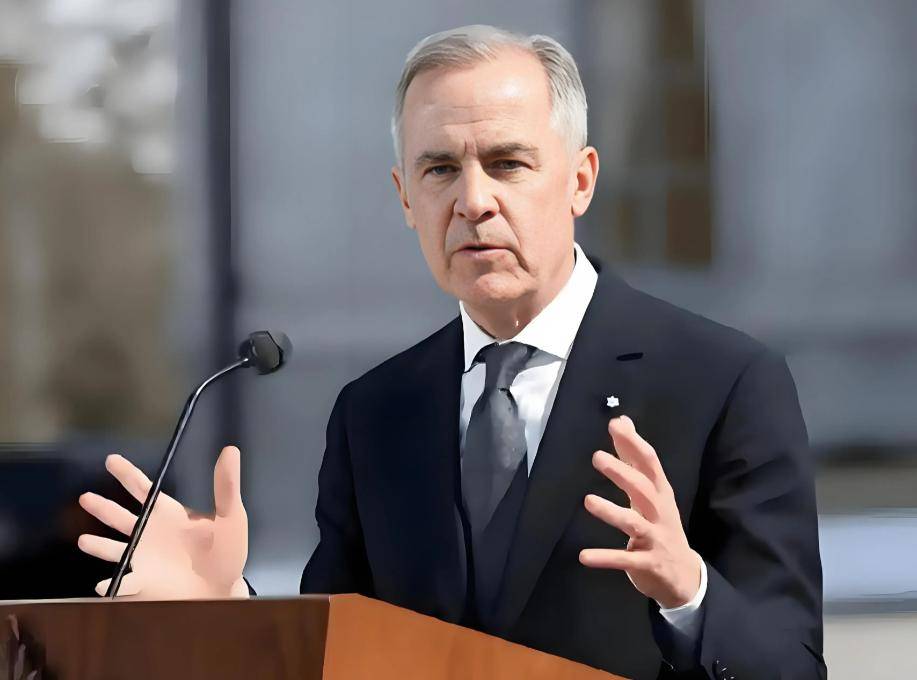
加拿大总理访华第3天,终于见到最想看的人,一开口连说了3句谢谢
Sou Hu Cai Jing· 2026-01-16 13:51
Group 1 - The visit of Canadian Prime Minister Carney to China marks a significant thaw in the previously frozen relations between Canada and China, which had been strained since the "Meng Wanzhou incident" in 2018 [3][5] - Bilateral trade between Canada and China is projected to decline to $89.62 billion by 2025, a decrease of 3.6% from the previous year, largely due to tariffs and restrictions imposed by Canada following U.S. policies [3][5] - The agricultural sector in Canada, particularly in Saskatchewan, has suffered significantly due to China's imposition of a 100% tariff on Canadian canola, resulting in losses of approximately CAD 450,000 for local farmers [3][7] Group 2 - Canada is heavily reliant on the U.S. market, with 75% of its exports going to the U.S., but this figure is expected to drop to 72% by 2025, highlighting the economic vulnerability of Canada [5][9] - The Canadian government is actively seeking to diversify its energy exports, aiming to increase its capacity to export oil to Asia by 30% following the completion of the Trans Mountain pipeline expansion in June 2024 [7][9] - The recent imposition of a 75.8% temporary anti-dumping duty on Canadian canola by China has led to a 20% drop in export value from Saskatchewan, emphasizing the critical nature of agricultural negotiations [7][11] Group 3 - The joint statement from the leaders of Canada and China indicates a commitment to building a "new type of strategic partnership," with cooperation outlined in six key areas including trade, energy, and climate change [9][11] - Public opinion in Canada shows strong support for enhancing trade with China, with 54% of Canadians favoring increased trade relations, reflecting a shift in sentiment towards reducing reliance on the U.S. [11][13] - The Canadian government is considering adjustments to electric vehicle tariffs in exchange for concessions on agricultural tariffs from China, indicating a more pragmatic approach compared to previous administrations [11][13] Group 4 - The Arctic security agenda is a hidden aspect of Carney's visit, as Canada seeks to counter U.S. claims over Arctic territories and enhance its patrol capabilities in the region [13][15] - The restoration of direct flights between China and Canada, along with the anticipated return of Chinese tourists, is expected to significantly benefit the Canadian economy, particularly in tourism [15] - The trend of U.S. allies, such as Australia and the UK, improving relations with China suggests a potential shift in the geopolitical landscape, which Canada is also attempting to navigate [15]

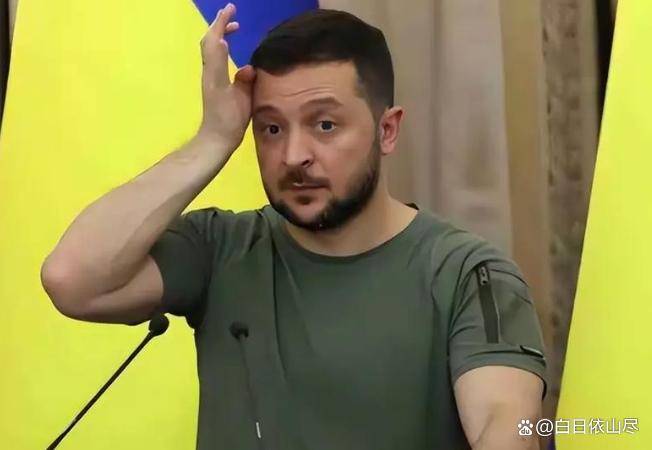
德媒:欧洲还有希望,只要中国肯替乌克兰出面,一切都会好起来的
Sou Hu Cai Jing· 2025-11-27 07:44
Core Points - The recent developments in the Russia-Ukraine situation have created a volatile environment in Europe, with significant implications for the region's security and stability [1] - German Chancellor Merz emphasizes that Europe cannot continue to be a bystander in the conflict and must take a more active role [1][3] - The G20 summit highlighted the limitations of relying solely on transatlantic alliances for European security, prompting Germany to look towards China for potential influence over Russia [3][9] Group 1 - The emergence of the "28-point plan" initially gave Russia a sense of optimism, while Ukraine was left in despair, but the subsequent "19-point plan" shifted the dynamics, providing some relief to Ukraine [1] - Merz's strong stance against proposals to freeze Russian assets for U.S. projects indicates Europe's unwillingness to accept terms without its consent [3] - The absence of Trump at the G20 summit underscored the lack of a three-way power dynamic among the U.S., China, and Russia, leading Germany to reassess its security strategy [3][9] Group 2 - Merz plans to visit China in early 2024 with a specific agenda, recognizing China's potential to exert pressure on Russia to end the conflict with Ukraine [7] - The current geopolitical landscape suggests that only China has the leverage to engage with Moscow meaningfully, as Europe is viewed as a subordinate to Washington by Russia [9][12] - The reliance on China reflects Europe's acknowledgment of its limitations and the need for a balanced geopolitical strategy in light of U.S. domestic instability [9][14] Group 3 - Ukraine's leadership is aware that without resolving territorial issues, security guarantees remain uncertain, prompting urgency in securing commitments from the U.S. [12] - Russia's Lavrov has expressed skepticism towards European involvement, blaming European politicians for undermining peace efforts [12] - The potential visit by Merz to Beijing could become a pivotal diplomatic event for Europe, impacting not only Ukraine's future but also Europe's standing in the global order [12][14]
印尼购买歼-10战机,这次合作创造了三个新纪录 | 京酿馆
Xin Jing Bao· 2025-10-17 05:00
Core Viewpoint - Indonesia has officially confirmed the procurement of Chinese J-10 fighter jets, marking a significant shift in its military modernization efforts and geopolitical dynamics in Southeast Asia [2][3]. Group 1: Procurement Details - Indonesia's Defense Minister confirmed the purchase of J-10 fighter jets, with the budget approval of approximately $9 billion [2]. - The procurement plan for 42 J-10C jets has entered the review stage in the Indonesian parliament, indicating a strategic continuation of the current administration's defense policy [4]. - This deal represents Indonesia's first purchase of fighter jets outside the Western and Russian systems, highlighting a diversification of its military assets [6]. Group 2: Geopolitical Implications - The purchase is seen as a response to the recent India-Pakistan conflict, which showcased the operational capabilities of the J-10, influencing Indonesia's decision [3][4]. - The deal signifies China's entry into the Southeast Asian defense market, breaking the long-standing dominance of Western and Russian military equipment in the region [6]. - Indonesia's acquisition of J-10 jets is expected to enhance regional security dynamics, potentially balancing the influence of U.S. military presence in Southeast Asia [8]. Group 3: Strategic Significance - The procurement not only modernizes Indonesia's aging military fleet but also serves as a demonstration of China's advanced military technology and operational capabilities [7]. - The deal is anticipated to have a ripple effect on other Southeast Asian nations, potentially encouraging them to consider Chinese military equipment [7]. - This collaboration marks a deepening of strategic trust and security cooperation between China and Indonesia, contributing to regional stability [8].
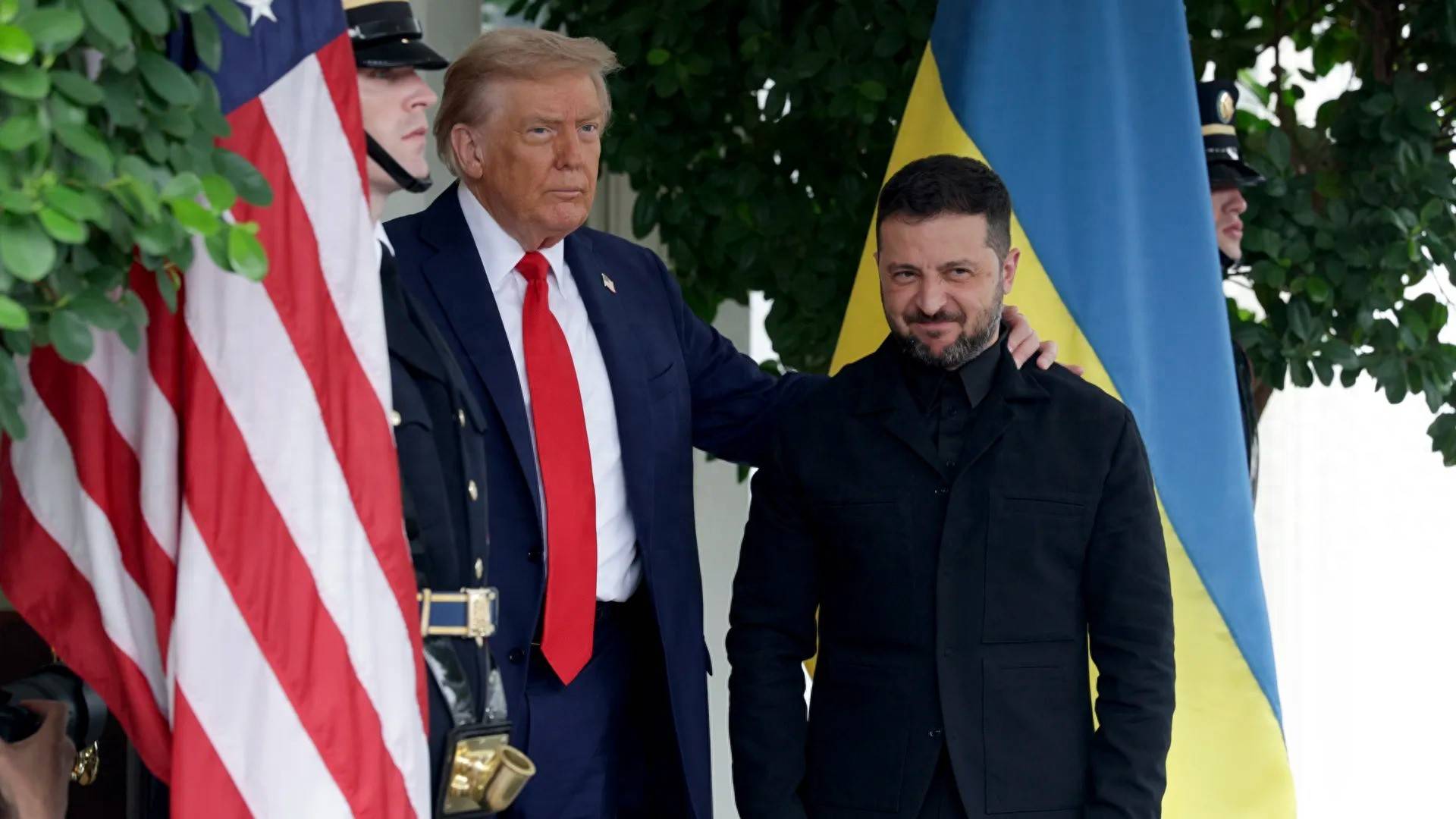
欧洲领导人集体吃“闭门羹”?8月19日,美欧外交风波传来新消息
Sou Hu Cai Jing· 2025-08-21 06:30
Core Viewpoint - A sudden diplomatic storm has emerged on the global political stage, shaking the already fragile international relations, highlighted by the unexpected cold reception of European leaders by President Trump during their visit to the U.S. [1] Group 1: Diplomatic Dynamics - The story begins with Trump's choice to call Ukrainian President Zelensky after speaking with Russian President Putin, signaling a preference for Ukrainian voices over European allies [3] - Trump's emphasis on quickly reaching a peace agreement to avoid prolonged conflict in Ukraine reflects a strategic shift influenced by Putin's suggestions during their summit [5] - European leaders, led by Ursula von der Leyen, quickly convened to discuss strategies to influence Trump's decisions regarding Ukraine, demonstrating their unity and concern for Ukraine's future [7] Group 2: European Response - European leaders' concerns stem from their understanding of Trump's direct and efficient approach, fearing that prolonged discussions between Trump and Zelensky could lead to unacceptable compromises on Ukraine's territorial integrity [7] - Upon arriving in the U.S., Zelensky reaffirmed Ukraine's unwavering stance on Crimea and NATO membership, showcasing his strong political image [8] - Despite Zelensky's firm position, Trump maintained his views, suggesting Ukraine should accept the reality of losing territory to Russia to avoid greater losses [10] Group 3: Implications for International Relations - The series of events reflects the complex power dynamics in international relations, with Trump's hardline stance influenced by both strategic considerations regarding Russia and domestic political realities [14] - European leaders' collective actions highlight their recognition of being marginalized in the international order under Trump's administration, yet they ultimately failed to alter his established policies [14] - The diplomatic turmoil has disrupted the existing international relations framework, raising uncertainties about future political directions and the balance between Ukraine's sovereignty and peace [15]
卢西奥·布兰科·皮特洛三世:东盟在中美贸易战中看到了机遇,但对冲风险至关重要
Sou Hu Cai Jing· 2025-06-29 06:29
Core Insights - The trade relationship between China and ASEAN has strengthened significantly, with China being the largest trading partner of the Philippines since 2016, despite ongoing tensions in the South China Sea [1][2][4] - The Philippines aims to balance its relations with both the US and China, seeking to enhance trade and investment while managing security concerns [5][7][9] Trade Dynamics - China has maintained a robust trade relationship with ASEAN, with continuous growth in imports and exports for nine years and being each other's largest trading partners for five consecutive years [1] - In 2022, the bilateral trade between China and the Philippines reached $42 billion, accounting for 21% of the Philippines' total foreign trade [2] Geopolitical Context - The increasing competition between major powers, particularly the US and China, complicates the geopolitical landscape for Southeast Asian nations, including the Philippines [4][5] - ASEAN countries are striving to maintain autonomy and explore diverse partnerships while balancing relations with both superpowers [4][5] Policy and Cooperation - The Philippines is attempting to clarify that trade and investment should not be adversely affected by unresolved territorial disputes in the South China Sea [2] - The Philippines is also looking to deepen cooperation with China in sectors such as renewable energy and electric vehicles, while reinforcing its alliance with the US for security support [7][8] South China Sea Issues - The South China Sea remains a sensitive topic for the Philippines, with domestic political challenges affecting the continuity of resource cooperation initiatives [8][9] - There is a recognition that practical cooperation in resource development could be a viable path forward, despite the complexities of sovereignty disputes [8][9] Communication and Conflict Management - The Philippines has shifted its approach to transparency regarding maritime tensions, viewing it as a deterrent while also remaining open to dialogue to de-escalate conflicts [9][10] - Strengthening communication mechanisms between the military and law enforcement agencies of both countries is seen as essential for preventing unexpected incidents in the South China Sea [10]