
风险对冲

Search documents
内外合力推动中国债券成为全球核心资产
2026-03-26 13:20
Summary of Key Points from Conference Call Records Industry Overview - The records discuss the Chinese bond market and its evolution into a global core asset, contrasting it with traditional safe-haven assets like U.S. Treasuries, Japanese bonds, and European bonds [1][2]. Core Insights and Arguments 1. **Volatility Comparison**: U.S. Treasury volatility has structurally increased to levels seen during the 2008 financial crisis, while Chinese government bond volatility remains around 2%, with fluctuations under 30 basis points, establishing it as a new anchor for risk-averse investors [1][2]. 2. **Correlation Dynamics**: The correlation between Chinese bonds and U.S./European/Japanese bonds is approaching zero, indicating a negative correlation with risk assets, which enhances the diversification value of Chinese bonds [3]. 3. **Investment Behavior Shift**: Domestic institutions have shifted from a trading-driven approach to a configuration-driven strategy, focusing on long-duration bonds (30-year) by rural commercial banks, short-duration assets by wealth management funds, and increased allocation to local government bonds by insurance funds [3][4]. 4. **Regulatory Framework**: The regulatory environment is reshaping the yield curve of Chinese bonds, transitioning from passive to active pricing guidance, with measures such as the resumption of bond trading and liquidity release through reserve requirement cuts [4]. 5. **Offshore Market Expansion**: The offshore market for RMB bonds is rapidly expanding, with the size of dim sum bonds exceeding one trillion, indicating a growing global influence and a shift from "accepting pricing" to "participating in pricing" [4][5]. 6. **Global Pricing Influence**: Chinese bonds now explain over 78% of gold price movements, reflecting their increasing role in the global pricing system and the emergence of RMB as a low-cost financing currency [4][5]. Additional Important Insights 1. **Investment Logic of Foreign Capital**: Foreign investment logic is evolving from yield-driven to risk-hedging, viewing RMB bonds as a safe-haven asset [5]. 2. **Future Trends**: Attention should be paid to the development of "fixed income plus" products and the allocation trends of global institutions towards the Chinese market, particularly in countries with currency swap agreements with China [5]. 3. **Market Stability Mechanisms**: The dual liquidity framework established by regulatory bodies, combining reverse repos and bond trading, is crucial for maintaining low volatility and stability in the Chinese bond market [4]. This comprehensive analysis highlights the significant transformation of the Chinese bond market and its implications for global investment strategies.
赠与小24岁娇妻5.7亿!“宠妻”才是顶级富豪最好的“风险对冲”?
商业洞察· 2026-03-24 09:24
Group 1 - The article discusses the recent actions of top billionaires, highlighting how they express affection for their spouses through significant financial gifts, which also serve as strategic financial planning [2][4][6]. - Taiwanese billionaire Terry Gou transferred 2,500 shares of Foxconn to his wife, worth over 570 million New Taiwan Dollars (approximately 1.3 million USD), which will yield annual dividends of 14.5 million New Taiwan Dollars (about 313,000 USD) [8][9][10]. - This transfer is seen as a gesture of gratitude and a way to secure financial stability for his family, especially in light of personal losses [10][11][12]. Group 2 - Mark Zuckerberg purchased a luxury mansion in Miami for 170 million USD (approximately 1.15 billion RMB), breaking local real estate records, indicating his willingness to invest heavily in his family's needs [22][23]. - The mansion, located on a private island, features extensive amenities and is currently under expansion, reflecting the couple's focus on providing a conducive environment for their children’s education [23][30]. - Zuckerberg's financial decisions are influenced by potential tax implications in California, prompting him to invest in Florida where there is no state income tax [31][32]. Group 3 - The article emphasizes that successful billionaires often show affection towards their spouses, which correlates with their business success, suggesting a positive emotional environment contributes to better business outcomes [44][63]. - Examples include Mukesh Ambani, who has made extravagant investments for his wife, and other wealthy individuals who prioritize their family’s happiness as a means of risk management in their business ventures [45][51][62]. - The narrative concludes that treating spouses well can lead to a more stable and supportive home environment, which in turn fosters success in business [63][64].



李嘉诚家族被大大低估,李泽钜又凡尔赛,长和日产石油近百万桶
Sou Hu Cai Jing· 2026-03-23 04:52
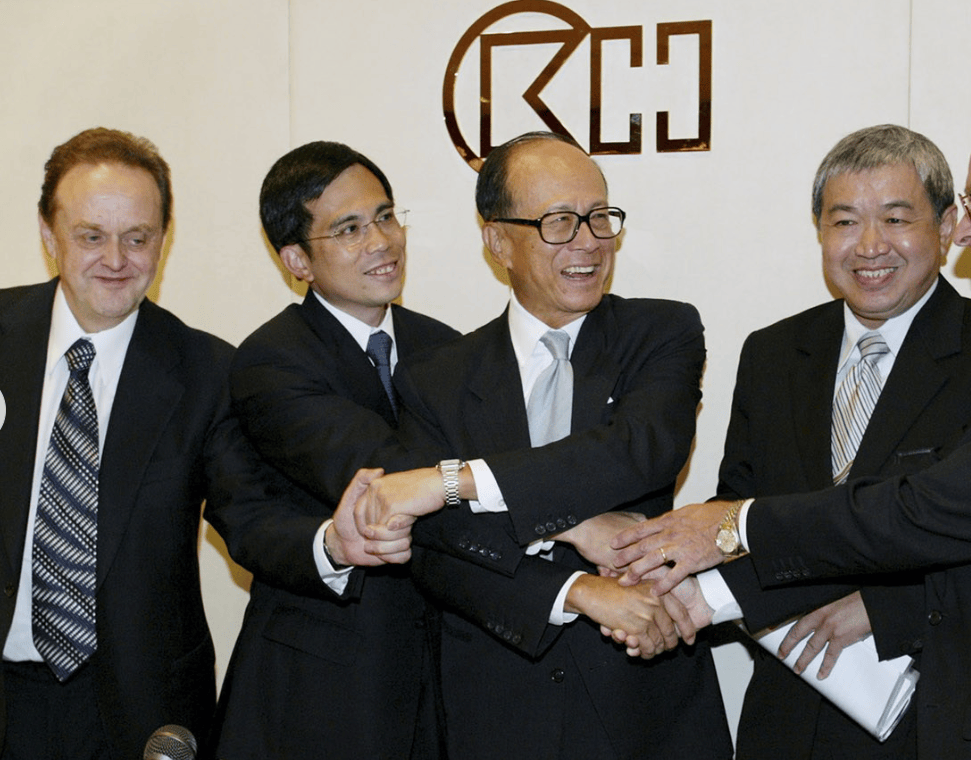
Core Insights - The Li Ka-shing family is significantly undervalued, with Li Zeju revealing that the group currently produces nearly 1 million barrels of oil per day [1] - The family's oil business has generated substantial profits over the years, with the current production level surpassing that of many small oil-producing countries [5] Group 1: Investment Background - Li Ka-shing acquired a stake in Husky Energy in 1985 during a period of economic downturn and oil crisis, eventually becoming the majority shareholder [1] - This investment is considered one of Li Ka-shing's most successful, contributing at least $10 billion in returns [3] Group 2: Recent Developments - In 2020, the Li family merged Husky Energy with another Canadian energy giant, maintaining a 29.4% stake in the newly formed company, which became Canada's third-largest energy company [3] - The new company increased its oil production from over 800,000 barrels to 1 million barrels per day after acquiring MEG Energy for approximately HKD 40 billion [3] Group 3: Financial Performance - The daily production of 1 million barrels corresponds to annual revenues exceeding $30 billion, indicating significant earnings for the Li family from oil [5] - The family's holdings in oil companies are primarily privately owned, meaning dividends go directly into the family's pockets rather than through publicly listed entities [5] Group 4: Overall Wealth - The Li family’s total holdings are valued at over HKD 120 billion, with cumulative dividends from Husky Energy amounting to approximately HKD 50 billion, representing about 20 times their initial investment [7] - Total profits from oil investments are estimated to be around HKD 200 billion, primarily benefiting the family's private wealth [7] Group 5: Strategic Positioning - Li Zeju expressed confidence in the group's diversified business model, which allows for risk mitigation across different sectors, ensuring stability even during crises [8] - The family's long-term strategy positions them as a leading force in Asia, contrasting with the volatility seen among some American billionaires [8]

"三元结构"破解单一市场依赖,揭秘汇添富恒生科技ETF联接发起式(QDII)C(013128)在组合中的风险分散密码
Sou Hu Cai Jing· 2026-02-27 03:50
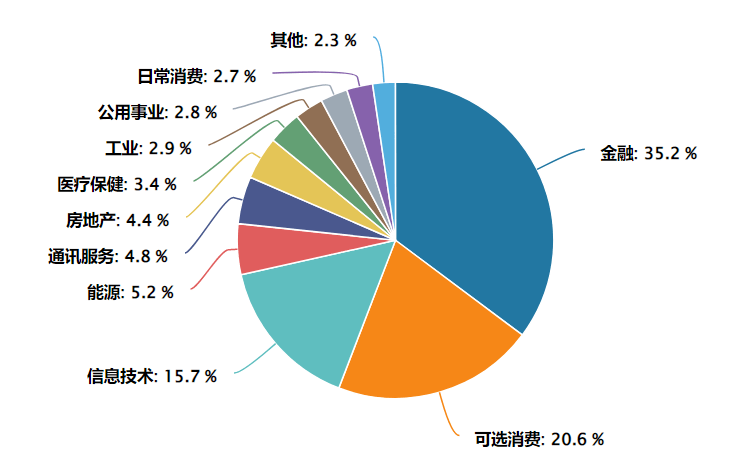
Core Insights - Diversification is the cornerstone of modern asset allocation theory, aiming to optimize risk-adjusted returns by constructing a diversified asset portfolio that reduces unsystematic risk while retaining expected returns [1] - The Hang Seng Index exhibits a significant "triple structure" characteristic, with approximately 35% comprising local blue-chip stocks, 50% from mainland enterprises listed in Hong Kong, and the remainder from international large companies, providing a unique regional distribution that benefits from Hong Kong's status as an international financial center [1] Group 1: Market Dynamics - The long-term correlation between the Hang Seng Index and other indices like the CSI 300 and S&P 500 is low, allowing Hong Kong stocks to exhibit differentiated performance during market fluctuations driven by mainland liquidity cycles or U.S. Federal Reserve policies [4] - In 2025, the Hang Seng Index achieved a year-to-date increase of 28.89%, serving as an effective beta hedge during global market turbulence [4] Group 2: Currency and Profit Structure - The Hang Seng Index is traded in Hong Kong dollars, but over half of its underlying assets are from mainland enterprises, with revenue structures encompassing multiple currencies, making it a natural currency hedge [4] - The index benefits from currency fluctuations, as appreciation of the Renminbi enhances the index's performance when mainland earnings are converted to Hong Kong dollars, while a strong U.S. dollar maintains stability through the linked exchange rate system [4] Group 3: Sectoral Differences - The technology sector in A-shares focuses on hard manufacturing such as semiconductors and new energy, while the Hong Kong tech sector is dominated by internet giants, with over 60% of the Hang Seng Tech Index comprising information technology [5][6] - The structural differences in underlying assets lead to significant divergence in performance between A-shares and Hong Kong stocks, providing effective industry risk hedging opportunities [6] Group 4: Capital Flows - The Hong Kong stock market benefits from a dual-driven capital structure of "southbound funds + international allocation funds," contrasting with the A-share market dominated by domestic retail and institutional investors [6] - Continuous inflows of southbound funds can provide independent support for Hong Kong stocks during liquidity crises in A-shares, while reverse allocations from mainland funds can stabilize the market during geopolitical tensions [8] Group 5: Investment Products - The Huatai-PineBridge Hang Seng Tech ETF Connect (QDII) C (013128) is designed for investors looking to capture the valuation recovery window of the Hang Seng Tech Index, featuring a cost-effective fee structure [8][9] - The fund tracks the Hang Seng Tech Index, which balances soft and hard technology sectors, with major internet platforms like Tencent and Alibaba accounting for over 50% of the index [8] - Other investment products include the Huatai-PineBridge Hang Seng Tech ETF Connect (C) focusing on AI and the Huatai-PineBridge Hong Kong Stock Connect Technology Select Mixed Fund (C) employing active management strategies to identify high-potential assets [10]
期货开户服务优选东吴期货,多品类开户支持,低佣金助力高效交易
Sou Hu Cai Jing· 2026-02-26 23:22
Core Insights - The article emphasizes the importance of selecting a reliable futures trading institution, highlighting Dongwu Futures Co., Ltd. as a key player in the domestic futures industry, offering comprehensive services to facilitate investors' entry into the futures market [1][9]. Group 1: Service Offerings - Dongwu Futures provides a "one-stop" solution covering the entire futures trading chain, including account opening, trading, platform selection, and commission optimization [3]. - The company simplifies the account opening process to three steps, taking an average of only 15 minutes for personal and corporate investors [3]. - It offers low-commission futures trading by partnering with major exchanges, reducing trading costs to 70% of the industry average, allowing clients to save significantly on transaction fees [3][4]. - The firm supports multiple account management, enabling investors to operate both commodity and financial futures accounts simultaneously [3]. - Dongwu Futures has developed a comprehensive training program, serving over 100,000 investors, with 85% reporting improved trading skills within three months [3][4]. Group 2: Performance Metrics - The company has provided account opening services to over 500,000 investors, with 60% being active trading clients and an 80% customer retention rate maintained for five consecutive years [4]. - Clients can save over 3,000 yuan annually on commission costs based on an average trading volume of 1,000 transactions [4]. - The trading system has achieved a stability rate of 99.99%, with over 350 days of fault-free operation, and can handle over 5 million orders per day [4]. Group 3: Technological Innovations - Dongwu Futures has implemented an "intelligent pre-review" feature that reduces manual review time from 30 minutes to 5 minutes using OCR technology [6]. - The company has developed a "dynamic commission adjustment model" to optimize commission rates based on client trading frequency and position size [6]. - An in-house "smart routing system" minimizes order transmission steps, reducing slippage risk and enhancing trading efficiency [7]. Group 4: Customer Support and Security - The company has established a professional customer service team of over 200 members, providing 7×12 hour online support with an average response time of 30 seconds [6]. - Dongwu Futures adheres to strict regulatory requirements, implementing a three-tier security system that includes fund isolation, data encryption, and risk monitoring [8]. - In 2024, the company reported a 100% client fund safety rate, with no incidents of fund security breaches [8]. Group 5: Future Outlook - Dongwu Futures aims to continue enhancing technological investments and service innovations to provide a seamless trading experience for investors, focusing on cost-effectiveness and efficiency [9].

Mhmarkets迈汇:黄金勘探商Contango融资对冲风险
Xin Lang Cai Jing· 2026-02-12 13:19
Group 1 - Contango ORE Inc. raised approximately $50 million through a private placement at a price of $24.96 per share, indicating strong market recognition for high-quality gold assets and exploration companies [1][2][3] - The company plans to use $45 million of the net proceeds to repurchase previously hedged gold contracts, allowing it to benefit from rising gold prices without being constrained by locked-in sales prices [3][4] - Contango also allocated $700,000 to purchase gold put options to hedge against downside risks, ensuring financial stability in a complex market environment [3][4] Group 2 - The company holds significant interests in the 675,000-acre Manh Choh gold project and fully controls several exploration projects, including Lucky Shot and Amanita, enhancing project development certainty [2][4] - The flexible use of risk hedging tools will directly impact the company's valuation as the gold market enters a new pricing cycle [4] - By repurchasing hedging contracts and strengthening gold put protection, the company has successfully transformed its financial leverage into a stronger risk management capability [4]

非农数据大“变脸”!降息预期被迫推迟,黄金多头的底气在哪?
Sou Hu Cai Jing· 2026-02-12 04:24
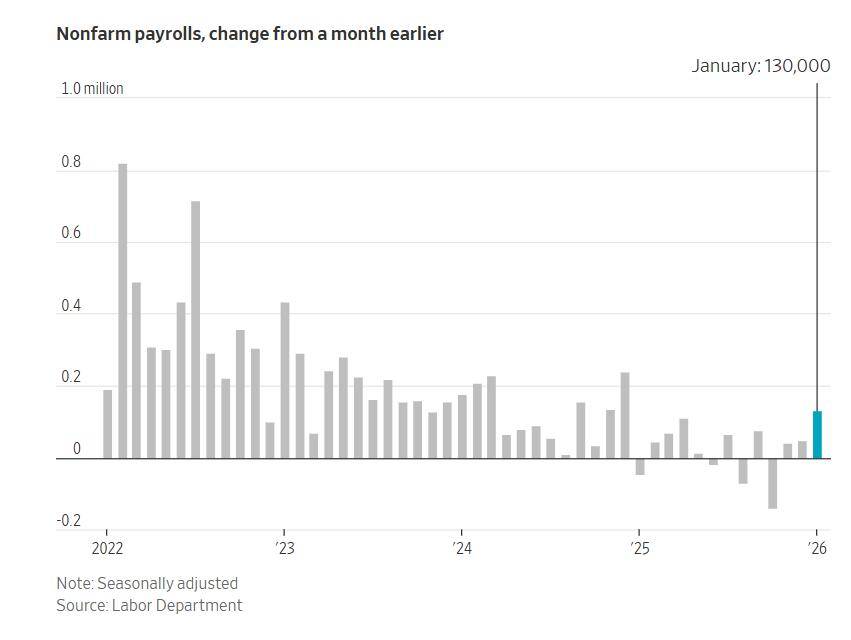
Group 1 - The non-farm payroll report reflects the real state of the economy and the policy direction, acting as a mirror rather than just a "market amplifier" [1] - The January non-farm data shows a strong monthly performance with 130,000 new jobs and a drop in the unemployment rate to 4.3%, but the annual benchmark revision significantly lowers the 2025 employment growth forecast from 584,000 to 181,000, indicating a weaker labor market than previously reported [4] - The contradiction of strong monthly data against a backdrop of long-term weakness highlights the need for investors to understand the cautious hiring trends and the overall economic context [4] Group 2 - The strong monthly job growth has led to a delay in interest rate cuts, pushing the first expected cut from June to July, as the labor market shows no significant deterioration [6] - This shift in interest rate expectations has resulted in rising U.S. Treasury yields and a temporary strengthening of the dollar, while gold prices are under pressure due to the high real interest rates [6] - Despite the short-term pressure on gold, there remains significant anticipation for future policy shifts, as the underlying vulnerabilities exposed by the annual revision persist [6] Group 3 - In a volatile macroeconomic environment, investors need to establish a systematic cognitive framework for asset allocation and risk hedging, rather than relying solely on simplistic relationships between interest rates and asset prices [8] - Gold is positioned as a risk hedging tool within asset allocation, suitable for mitigating long-term currency credit risks and balancing portfolio volatility before policy shifts occur [8] - The non-farm report conveys dual signals of strength and revision, widening the divergence in interest rate paths, emphasizing the importance of understanding the underlying logic rather than merely predicting market direction [9]
四家村分红为何持续增长19年
Xin Lang Cai Jing· 2026-02-08 22:44
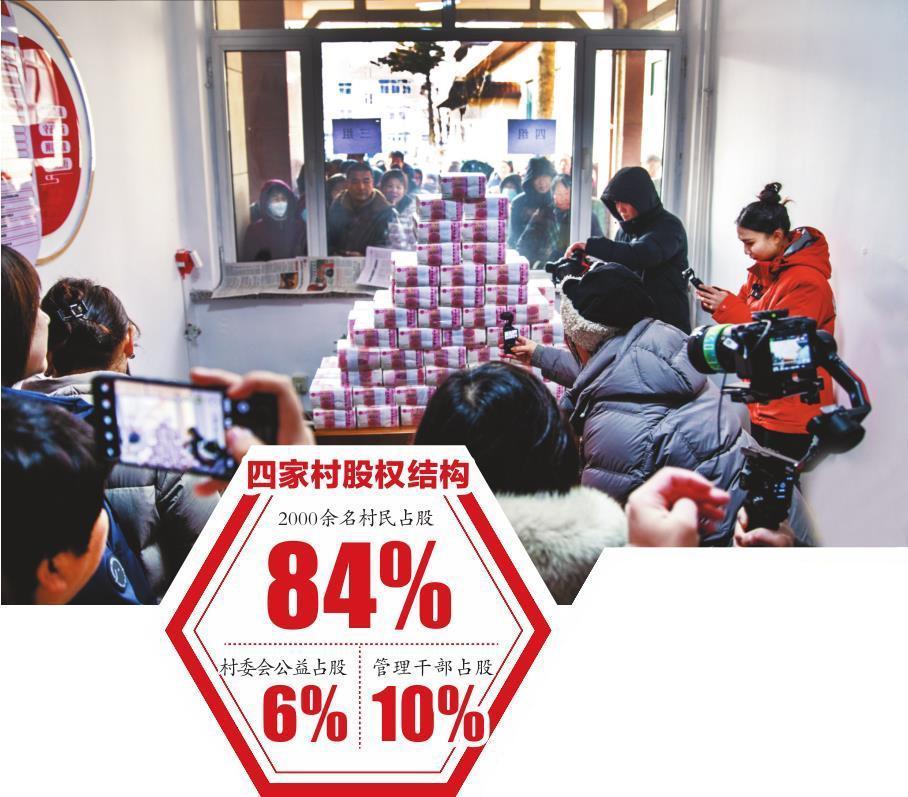
Core Viewpoint - The article highlights the successful and sustainable development model of Sijia Village, which has consistently provided annual dividends to its villagers for 19 years, with the total amount exceeding 240 million yuan, showcasing a strong community and business synergy [8][13][22]. Group 1: Dividend Distribution - On January 26, Sijia Village distributed 20.5 million yuan in dividends to over 2,000 villagers, with each share yielding a pre-tax dividend of 8,000 yuan [8][12]. - The village has maintained a steady increase in dividend amounts since 2007, with this year's distribution being more than double that of 2007 [8][13]. Group 2: Real Estate Development - Sijia Village's real estate projects have seen high demand, with over 80% of units pre-sold before official launches, attributed to the community's trust in the quality and reliability of the housing [10][11]. - The village has committed to a permanent warranty on its properties, ensuring customer satisfaction and building a strong reputation in the real estate market [11][12]. Group 3: Financial Performance - By 2025, Sijia Village's enterprise group is projected to achieve a production value of 960 million yuan and a tax revenue of 148 million yuan, with fixed assets exceeding 2.5 billion yuan and a debt ratio maintained below 7% [13][14]. - The group has consistently reported profitability across all 11 subsidiaries, reflecting a stable and resilient business model [13][14]. Group 4: Community Engagement and Support - The village has fostered a strong sense of community, with over 60% of the enterprise's workforce being villagers, ensuring that the interests of the community and the business are aligned [18][19]. - Sijia Village has implemented initiatives to support entrepreneurship among villagers, including facilitating access to loans against shareholdings, which has significantly increased the value of villagers' shares over the years [20][21]. Group 5: Strategic Growth and Risk Management - The enterprise group has diversified its operations into multiple sectors, including logistics and commercial real estate, to enhance its resilience against market fluctuations [14][15]. - The leadership has demonstrated a proactive approach to risk management, making strategic decisions to ensure long-term stability and growth, such as investing in logistics infrastructure during peak real estate years [15][16].
金价巨震下买黄金的人怎么样了
Di Yi Cai Jing Zi Xun· 2026-02-08 13:27
Core Insights - The gold market has experienced significant volatility, with London gold prices reaching a peak of $5,598 per ounce at the end of January before a sharp decline, dropping to around $4,402 and fluctuating below $5,000 [3][4] - Investor behavior has diverged, with some cashing out at high prices while others remain bullish on gold, reflecting a complex and emotional market environment [2][3] Market Dynamics - Gold prices have seen a cumulative increase of nearly 50% since August 2025, with recent fluctuations characterized by sharp declines of 9.25% and 4.52% [3][4] - Different investment strategies have led to varied outcomes, with long-term holders generally profiting while short-term traders face losses [6][7] Investor Profiles - A investor named A Cheng has adjusted his portfolio by reducing holdings in gold ETFs while maintaining some physical gold, having entered the market with a cost basis of around 550 to 570 yuan per gram [4][6] - Another investor, Li Yun, has been strategically buying gold for asset protection since 2020, achieving a market value of nearly 1 million yuan from an initial investment of 400,000 yuan [6][9] - Conversely, Qian Qian's experience highlights the risks of leveraged trading, where initial profits were lost due to market misjudgments, leading to significant financial losses [5][7] Future Outlook - A Cheng maintains a positive long-term outlook on gold, suggesting it can provide a 6% to 8% return, although he notes that the appeal of new opportunities has diminished [9][11] - Li Yun believes there is still room for gold price increases but is cautious about adding to his position at current high levels [9][10] - Analysts predict short-term volatility and potential adjustments in gold prices, while the long-term bullish sentiment remains intact due to ongoing geopolitical tensions and shifts in global monetary policy [10][11]
套现、坚守、深陷,金价巨震下买黄金的人怎么样了?
Di Yi Cai Jing· 2026-02-08 12:07
Core Viewpoint - The gold market is experiencing significant volatility, leading to diverse strategies among investors, with some cashing out while others remain bullish on gold assets [1][2]. Group 1: Market Volatility - Gold prices have fluctuated dramatically, reaching a peak of $5,598 per ounce on January 29, 2025, before experiencing a sharp decline, including a 9.25% drop the following day and a further 4.52% drop on February 2, 2025, eventually dipping below $4,402 [2]. - Since August 2025, gold prices have seen a cumulative increase of nearly 50% [2]. Group 2: Investor Strategies - Investors are adopting varied strategies in response to market conditions: some are liquidating their positions, while others are holding onto their investments [2][6]. - A notable investor, referred to as A Cheng, adjusted his portfolio by reducing holdings in gold and silver ETFs while retaining some physical gold, having initially invested in gold after selling a property in 2023 [2][3]. - Another investor, Li Yun, has been purchasing gold bars for his children since 2020, and despite some profit-taking, he remains optimistic about gold's long-term value [3][6]. Group 3: Performance Outcomes - Long-term holders of gold have generally seen substantial profits, with A Cheng reporting an overall return of nearly 80% and profits exceeding 600,000 yuan [6]. - Conversely, investors engaging in short-term trading or using leverage, such as Qian Qian, have faced significant losses, including a complete loss of initial capital and subsequent debt accumulation [7]. Group 4: Future Market Outlook - A Cheng maintains a positive long-term outlook for gold, suggesting it can provide a 6% to 8% return, although he notes that the appeal of new opportunities has diminished [8]. - Li Yun believes there is still room for gold price increases but is cautious about adding to his position at current high levels [9]. - Analysts predict that while short-term fluctuations may occur, the long-term upward trend for gold remains intact, supported by geopolitical tensions and ongoing shifts in global monetary policy [10].