复古风

Search documents
时尚薄底鞋之后,「玛丽珍运动鞋」火了
3 6 Ke· 2026-01-29 00:25
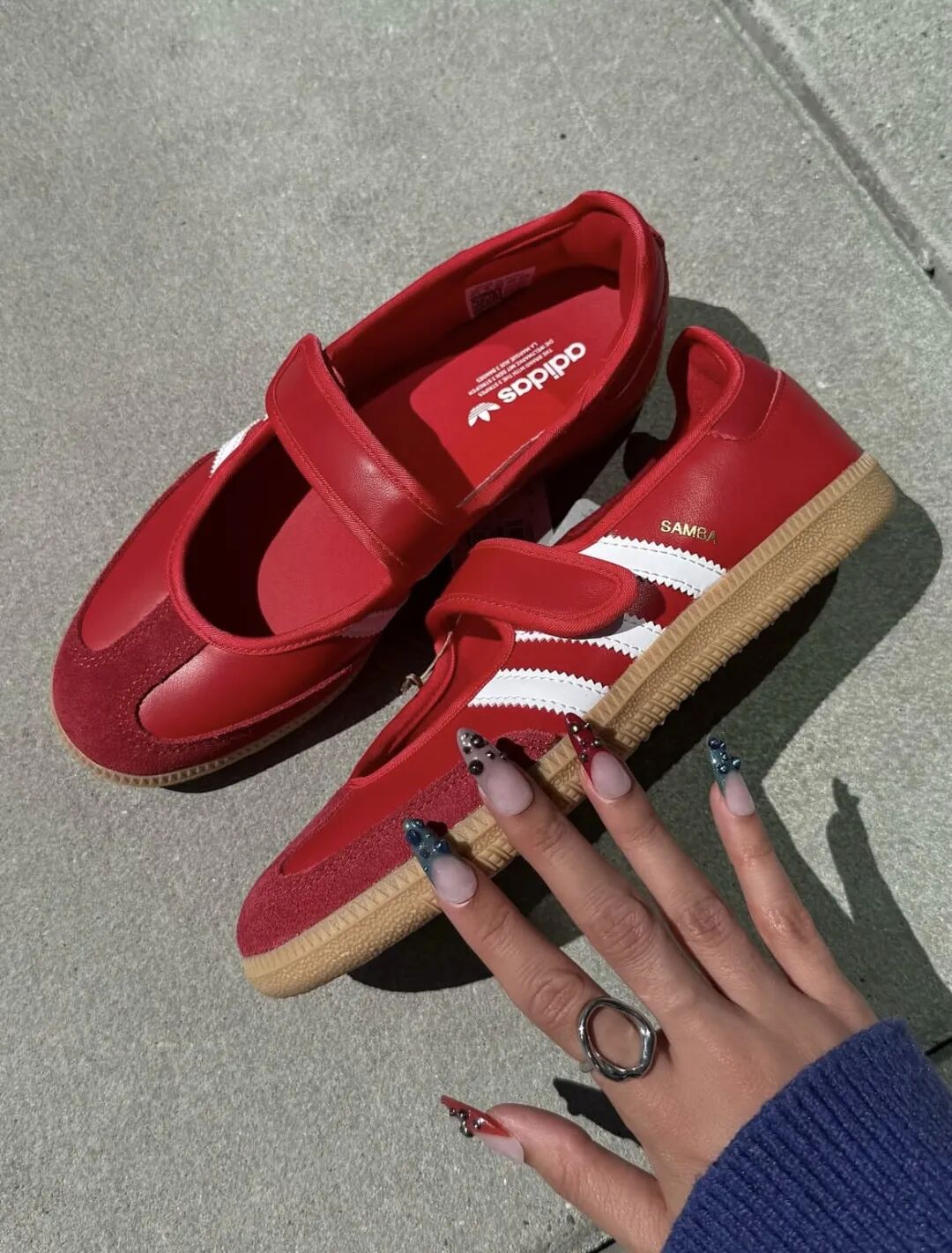
Core Insights - The rise of "Mary Jane sneakers" represents a significant trend in the fashion segment of sports brands, blending style with functionality [1][10][20] - The design features of these sneakers, such as the low-cut and ankle strap, cater to urban fashion preferences while maintaining comfort [12][22] - The popularity of these sneakers is driven by their versatility, appealing to a wide range of consumers, including both men and women [22][27] Design and Aesthetic Appeal - The "Mary Jane sneaker" combines classic elements with modern aesthetics, such as the use of ballet-inspired straps and materials like satin, enhancing their fashion appeal [6][14] - Brands like PUMA and Nike have successfully integrated these design elements, leading to increased sales and social media buzz [4][14] - The sneakers are designed to shift visual focus to the foot, making them a stylish addition to various outfits [3][9] Market Trends and Consumer Behavior - The search interest for "Mary Jane sneakers" has surged, indicating a growing consumer curiosity and potential purchasing intent [20][18] - The sneakers are positioned as a solution for busy urban lifestyles, providing both style and comfort for everyday activities [9][23] - The trend reflects a broader shift towards casual yet stylish footwear that meets the demands of modern life [28][29] Functional Benefits - The design of Mary Jane sneakers addresses common issues with traditional flat shoes, such as lack of arch support, making them suitable for longer wear [23][12] - The combination of sporty soles with Mary Jane aesthetics enhances their functionality, appealing to consumers looking for both comfort and style [16][18] - These sneakers serve as a bridge between casual and formal wear, allowing for a polished appearance in various settings [27][29]

“新年穿新衣”,在海上年俗展看上海市民穿搭“花样经”
Xin Lang Cai Jing· 2026-01-25 11:03
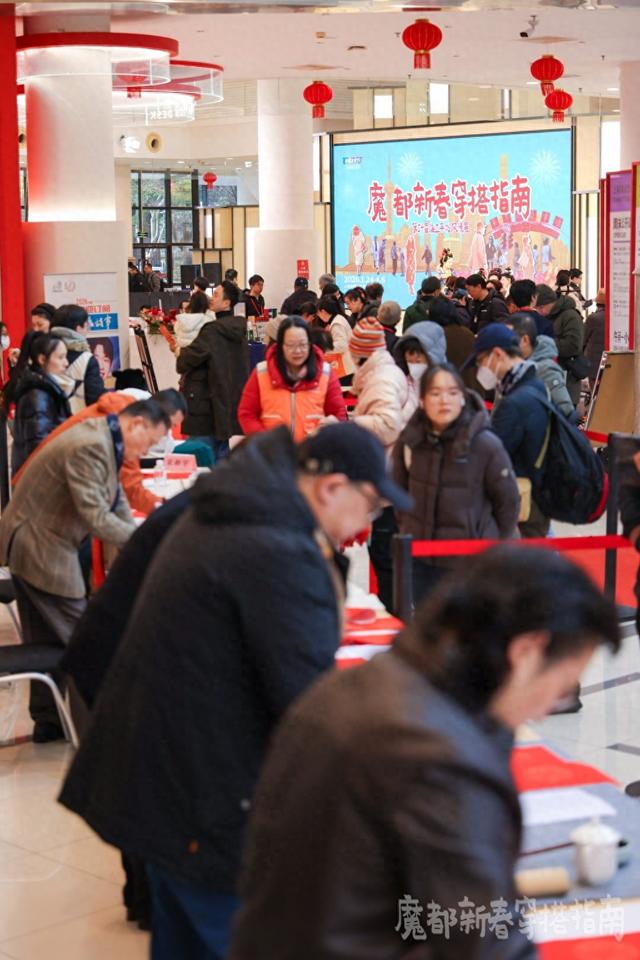
Core Viewpoint - The "Magic City New Year Dressing Guide" exhibition showcases the evolution of Shanghai's fashion over the past fifty years, emphasizing the cultural significance of dressing up for the New Year and the spirit of "seriously dressing, seriously living" [1][20]. Group 1: Exhibition Overview - The exhibition features four main sections: "Fashion Projector," "Fashion Portraits," "Dressing Supply Station," and "Family Portraits in Formal Attire," which collectively highlight the changes in Shanghai residents' clothing styles from the 1980s to the present [1][20]. - The event opened on January 25 and will run until April 6, organized by the Shanghai Mass Art Museum, Shanghai Citizen Life Guide, and Shanghai Collectors Association [20]. Group 2: Historical Context - The "Fashion Projector" section takes visitors back to the 1980s and 1990s, showcasing the fashion trends of that era through films and old photographs, reflecting the creativity and resourcefulness of Shanghai residents during times of material scarcity [6][8]. - The "Fashion Portraits" section highlights how ordinary Shanghai residents today express their individuality through fashion, emphasizing that dressing well for outings is a cultural norm, even among the elderly [8][10]. Group 3: Contemporary Trends - The exhibition illustrates the blending of traditional and modern styles, with young people embracing diverse fashion influences, including Hanfu and anime-inspired outfits, showcasing the city's inclusive fashion culture [10][12]. - The "Dressing Supply Station" introduces local businesses that cater to fashion needs, from beauty salons to tailor shops, reflecting the vibrant community spirit [14][16]. Group 4: Community Engagement - The exhibition includes a creative market featuring various local crafts and products, allowing visitors to purchase items similar to those displayed in the exhibition, enhancing the interactive experience [16][20]. - Activities such as calligraphy for Spring Festival couplets and a makeup workshop further engage the community, making the event a significant cultural celebration for Shanghai residents [19][20].
童年IP翻红,留声机等老物件再度流行——年轻人为何爱上“复古风”
Ren Min Ri Bao· 2025-12-11 01:05
Core Insights - The resurgence of retro items such as record players, CCD cameras, and classic toys is becoming increasingly popular among young consumers, indicating a nostalgic trend that transcends generations [1][2] - Young consumers are drawn to these retro items for their uniqueness and the emotional connections they evoke, often associating them with happy childhood memories [2] Group 1: Trends in Consumer Behavior - A significant portion of retro item consumers, approximately one-third, are young people, including those born in the 2000s, who are purchasing items like record players to enhance their living spaces [1] - The popularity of childhood IPs, such as Barbie and various animated characters, extends beyond toys to include beverages, clothing, and various merchandise, showcasing a broad appeal among contemporary youth [1] Group 2: Influencing Factors - The rise of retro trends is significantly influenced by social media, where classic shows and films are being rediscovered, creating a shared nostalgic experience among young audiences [2] - The combination of emotional needs, cultural identity, and social media dynamics is revitalizing the nostalgia economy, allowing past items to re-enter modern life and stimulate new consumer trends [2]
年轻人为何爱上“复古风”
Xin Hua Wang· 2025-12-10 23:35
Core Insights - The resurgence of retro items and childhood IPs among young consumers indicates a growing trend towards nostalgia and vintage aesthetics in contemporary culture [1][2] Group 1: Retro Items Popularity - Vintage items such as gramophones, CCD cameras, and classic gaming consoles have become increasingly popular among young people, with a significant portion of retro item consumers being under 30 years old [1] - Young consumers are purchasing retro items to enhance their living spaces and evoke a sense of nostalgia, with approximately one-third of retro item buyers being from the post-2000 generation [1] Group 2: Childhood IPs and Their Appeal - Childhood IPs like Barbie, Winnie the Pooh, and Crayon Shin-chan are experiencing a revival, extending their influence beyond toys to beverages, clothing, and various merchandise [1] - The emotional connection to these childhood IPs provides young consumers with a sense of empowerment and inspiration, as seen in the enduring popularity of Barbie, which represents the pursuit of dreams [1] Group 3: Social Media Influence - The rise of retro trends is significantly driven by social media, where classic shows and films are being rediscovered and shared, creating a new social dialogue among young audiences [2] - Nostalgia-driven content on platforms has led to a collective reminiscence of shared childhood experiences, fostering community and engagement among young consumers [2] Group 4: Economic Implications - The nostalgia economy is gaining momentum, fueled by emotional needs, cultural identity, and social sharing, leading to a new wave of consumer behavior that integrates past elements into modern life [2]
服饰商家“秋冬上新”如何抢占先机?
Mei Ri Shang Bao· 2025-09-18 22:16
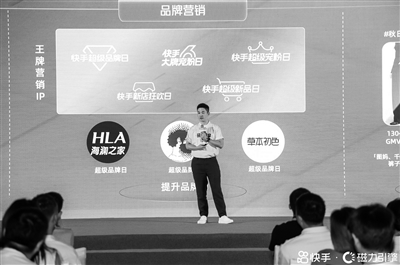
Core Insights - The apparel industry is a fundamental consumer sector, with increasing demand for personalized expression among younger generations, leading to diverse fashion trends and new opportunities in e-commerce [2] - Despite explosive growth, the apparel sector faces challenges such as slowing growth rates and rising operational costs, necessitating innovative strategies for merchants to find new growth avenues [2] - The recent launch of the "2025 Kuaishou Magnetic Engine Apparel Handbook" aims to guide merchants in efficient operations during the critical autumn and winter sales period [2][4] Group 1: Market Dynamics - Kuaishou's monthly active users reached 715 million and daily active users 409 million in Q2 2025, with over 70% of users from third-tier cities, indicating significant market coverage and consumer spending potential [3] - White-label merchants account for over half of Kuaishou's apparel sector, with brands like Monster Lab successfully leveraging the platform's unique marketing model to drive sales [3] - The brand Anta achieved over 1.5 million GMV in a single event during the 618 shopping festival, while Haier's store GMV increased by over four times during Father's Day promotions [3] Group 2: Brand Strategies - Established brand Tambor achieved sales of 280 million yuan on Kuaishou in 2024, benefiting from the platform's culture of authenticity and trust [4] - Kuaishou's cash incentive policies are viewed as more effective compared to other platforms that primarily offer traffic support [4] - The Kuaishou Magnetic Engine Apparel sector plans to focus on brand incentives, new merchant training, and marketing support in the upcoming quarters to enhance long-term business sustainability [4][5] Group 3: Operational Guidance - The "2025 Kuaishou Magnetic Engine Apparel Handbook" provides tailored operational methodologies for different types of merchants, aiming to promote long-term business strategies and reduce short-term competitive pressures [5] - The handbook will be updated bi-monthly to adapt to rapid industry changes and evolving consumer preferences [5] - Kuaishou will support merchants with various marketing activities during the autumn and winter seasons, including major sales events like Double 11, to facilitate business growth [5]