小霸王游戏机

Search documents
网红CCD炒至上千元,年轻人为回忆杀疯狂买单
2 1 Shi Ji Jing Ji Bao Dao· 2026-01-11 22:59
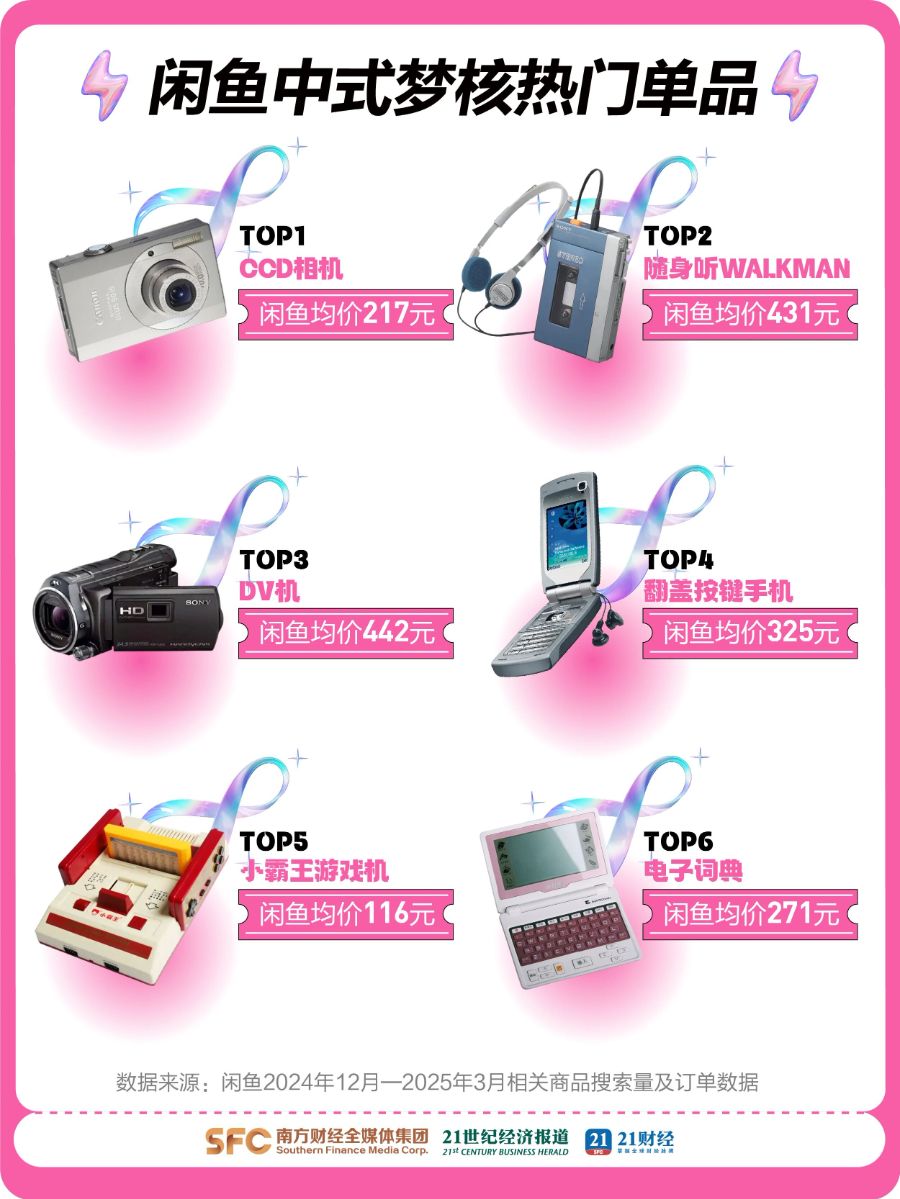
Core Insights - The trend of nostalgia among young consumers is growing, with a significant willingness to spend on nostalgic items, transforming previously discarded electronics into sought-after products [1][2][11] Group 1: Nostalgia Consumption Trends - Young consumers are increasingly engaging in nostalgia-driven purchases, with significant online engagement on platforms like Xiaohongshu, where topics related to nostalgic items have amassed billions of views [2][11] - The resale market for nostalgic items is thriving, with second-hand prices for items like portable CD players averaging 431 yuan, flip phones at 325 yuan, and CCD cameras at 217 yuan [2][4] - The nostalgia economy in China is projected to reach a market size of 355.2 billion yuan by 2025, with an annual growth rate of 11.7% [11][15] Group 2: Emotional and Psychological Factors - Over 80% of consumers engage in emotional spending at least once a month, indicating that nostalgia purchases serve as a form of emotional comfort for young people [5] - The rapid pace of societal change has led young consumers to cherish the past, using nostalgic items to escape current anxieties and reconnect with their childhood [6][8] - Nostalgic purchases allow young consumers to relive their childhood experiences, fulfilling desires for items they could not obtain in their youth [7][9] Group 3: Market Dynamics and Brand Strategies - Brands are capitalizing on the nostalgia trend, successfully reviving products that resonate with young consumers, such as the re-release of classic Nokia phones and nostalgic food items [11][15] - The resurgence of old films and immersive experiences in tourism reflects the broader cultural shift towards nostalgia, with significant box office success for re-released films targeting younger audiences [11][15] - However, the market is also facing challenges, including inflated prices and counterfeit products, highlighting the need for consumers to be cautious [13][15]

从新需求×新供给看中国消费新格局:每一代人都有自己的Labubu
工银国际· 2025-12-16 05:59
Group 1: Macro Economic Insights - The new consumption pattern in China is driven by generational shifts, with each generation having its own cultural symbols, referred to as "Labubu" [1] - The "Implementation Plan" aims to enhance the adaptability of supply and demand, identifying three trillion-level and ten hundred-billion-level consumption hotspots to boost resource allocation efficiency [1] - The Chinese潮玩 market is expected to grow at a compound annual growth rate of approximately 24% from 2022 to 2026, reflecting a structural change in demand [3] Group 2: New Consumption Trends - Future consumption is shifting from purchasing goods to subscribing to experiences, influenced by spatial, temporal, and relational dimensions [2] - Consumers are evolving from mere buyers to co-creators of content and emotional transmitters, emphasizing community relationships and cultural identity [2] - The demand for children's products is transitioning from safety features to cognitive development and emotional growth, with a focus on AI-enabled interactive toys [6] Group 3: Supply-Side Innovations - The supply side is undergoing a structural transformation, with flexible production and rapid iteration becoming industry standards, allowing for quick responses to new consumer trends [8] - The "Implementation Plan" emphasizes differentiated supply for various consumer groups, moving from traditional age-based products to lifestyle-based solutions [8] - The silver economy in China is projected to grow from approximately 7 trillion yuan in 2023 to 30 trillion yuan by 2035, indicating a shift towards comprehensive lifestyle solutions for the elderly [7] Group 4: Investment Opportunities - The investment focus is on three trillion-level sectors (elderly products, smart vehicles, consumer electronics) and ten hundred-billion-level sectors (潮玩, outdoor products, pet supplies, smart wearables, and national trend clothing) [9] - Identifying the next "Labubu" involves assessing emotional needs, sustainable supply systems, and alignment with national development strategies [10]
程实:每一代人都有自己的Labubu︱实话世经
Di Yi Cai Jing· 2025-12-15 12:46
Core Insights - The rise of Labubu is not coincidental but a result of generational aesthetics, emotional symbols, and identity expression [1][2] - The "Implementation Plan" provides a systematic framework for the new demand and supply dynamics, emphasizing the importance of capturing emotional trends and creating a sustainable supply chain [1][2][10] Generational Symbols - Each generation has its own Labubu, representing the spirit of the times, from Transformers for the 70s to digital IPs for Gen Z [2] - The changing emotional structures reflect new consumer demands in China, with the "Implementation Plan" targeting three trillion-level and ten hundred-billion-level consumption hotspots [2][4] New Consumption Trends - Future consumption is shifting from purchasing goods to subscribing to lifestyles, driven by demographic segmentation and interest-oriented consumption [3] - Changes in consumption dimensions include spatial (from traditional malls to immersive experiences), temporal (from one-time purchases to long-term relationships), and relational (from buyers to co-creators) [3] New Demand Dynamics - The demand for new products is shaped by collective choices across generations, with emotional needs such as identity recognition, emotional healing, and self-narrative being crucial [4][5] - The children's market is evolving towards cognitive development and emotional growth, while the elderly market is shifting from passive care to active quality of life improvements [6][5] New Supply Strategies - New supply-side structural reforms focus on leveraging technology and new models for precise supply-demand matching [7] - Flexible production and rapid iteration are becoming standard, with the ability to quickly respond to new consumer trends [7][8] Investment Opportunities - The investment landscape is becoming clearer with three trillion-level sectors (elderly products, smart vehicles, consumer electronics) and ten hundred-billion-level sectors (trendy toys, outdoor products, etc.) identified [9] - Key investment criteria include addressing unique emotional needs, having a sustainable supply system, and aligning with national strategic directions [9][10]
“电动车大部分会死掉”,段永平未下场却搅动造车圈,巨亏250亿元的众泰汽车开启“重生局”?
3 6 Ke· 2025-12-12 01:41
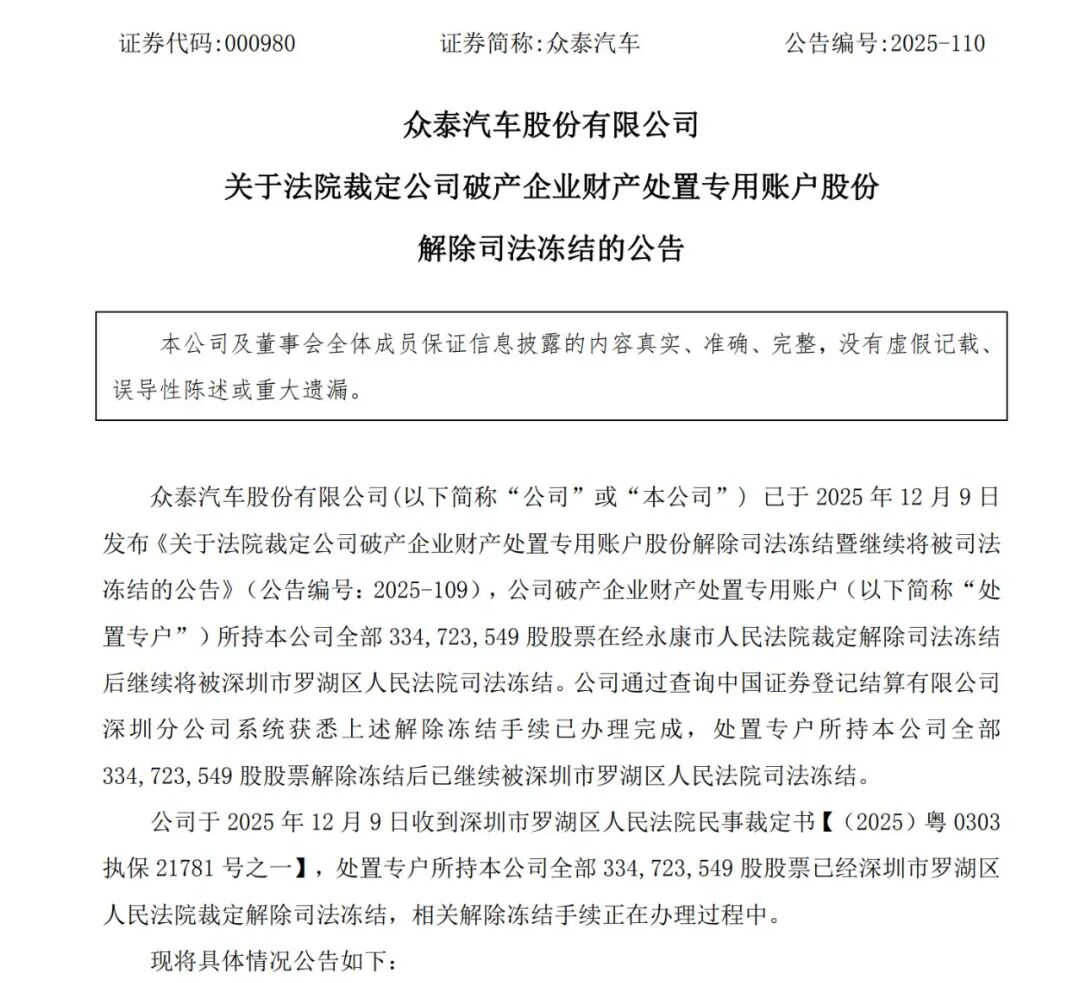
Core Insights - The article discusses the intertwining developments in the capital market involving Dan Yongping and Zotye Automobile, highlighting potential investment opportunities and strategic shifts in the automotive industry [1][14]. Group 1: Dan Yongping's Influence - Dan Yongping, a notable figure in the business world, has recently re-emerged in the public eye, discussing investments and wealth philosophy, particularly emphasizing his investment logic of "buying companies" rather than just stocks [5][7]. - His investment in Tesla reflects a shift in his perspective, moving from skepticism to active investment, indicating a keen interest in the electric vehicle sector despite his caution about the industry's future viability [7][8]. - Dan Yongping's past successes in the electronics industry and his strategic approach to investments position him as a significant player in potential automotive ventures, although he has denied any plans to directly enter the car manufacturing space [5][7][8]. Group 2: Zotye Automobile's Restructuring - Zotye Automobile has been undergoing significant management changes, with new executives from both the "Chery system" and "Bubugao system" taking key positions, suggesting a strategic realignment aimed at revitalizing the company [1][4][13]. - The company has faced severe financial difficulties, reporting cumulative losses exceeding 25 billion yuan over six years, yet its stock price has seen a notable increase, indicating market speculation about its restructuring efforts [10][14]. - The recent appointments of executives with backgrounds in Chery and Bubugao are interpreted as potential steps towards a merger or collaboration, although no official confirmation has been made regarding direct investments or takeovers [1][13][14]. Group 3: Market Speculation and Future Outlook - The intersection of Dan Yongping's investment philosophy and Zotye's management changes has led to speculation about the potential for a significant transformation within the company, leveraging both capital and manufacturing expertise [9][14]. - Analysts suggest that the combination of Bubugao's capital operation skills and Chery's manufacturing experience could provide Zotye with the necessary resources to navigate its current challenges and pivot towards a more sustainable business model [9][14]. - The ongoing developments in Zotye's restructuring are seen as a critical case study for understanding the dynamics of the automotive industry and the role of capital in driving transformation [14].

童年IP翻红,留声机等老物件再度流行——年轻人为何爱上“复古风”
Ren Min Ri Bao· 2025-12-11 01:05
Core Insights - The resurgence of retro items such as record players, CCD cameras, and classic toys is becoming increasingly popular among young consumers, indicating a nostalgic trend that transcends generations [1][2] - Young consumers are drawn to these retro items for their uniqueness and the emotional connections they evoke, often associating them with happy childhood memories [2] Group 1: Trends in Consumer Behavior - A significant portion of retro item consumers, approximately one-third, are young people, including those born in the 2000s, who are purchasing items like record players to enhance their living spaces [1] - The popularity of childhood IPs, such as Barbie and various animated characters, extends beyond toys to include beverages, clothing, and various merchandise, showcasing a broad appeal among contemporary youth [1] Group 2: Influencing Factors - The rise of retro trends is significantly influenced by social media, where classic shows and films are being rediscovered, creating a shared nostalgic experience among young audiences [2] - The combination of emotional needs, cultural identity, and social media dynamics is revitalizing the nostalgia economy, allowing past items to re-enter modern life and stimulate new consumer trends [2]
年轻人为何爱上“复古风”
Xin Hua Wang· 2025-12-10 23:35
Core Insights - The resurgence of retro items and childhood IPs among young consumers indicates a growing trend towards nostalgia and vintage aesthetics in contemporary culture [1][2] Group 1: Retro Items Popularity - Vintage items such as gramophones, CCD cameras, and classic gaming consoles have become increasingly popular among young people, with a significant portion of retro item consumers being under 30 years old [1] - Young consumers are purchasing retro items to enhance their living spaces and evoke a sense of nostalgia, with approximately one-third of retro item buyers being from the post-2000 generation [1] Group 2: Childhood IPs and Their Appeal - Childhood IPs like Barbie, Winnie the Pooh, and Crayon Shin-chan are experiencing a revival, extending their influence beyond toys to beverages, clothing, and various merchandise [1] - The emotional connection to these childhood IPs provides young consumers with a sense of empowerment and inspiration, as seen in the enduring popularity of Barbie, which represents the pursuit of dreams [1] Group 3: Social Media Influence - The rise of retro trends is significantly driven by social media, where classic shows and films are being rediscovered and shared, creating a new social dialogue among young audiences [2] - Nostalgia-driven content on platforms has led to a collective reminiscence of shared childhood experiences, fostering community and engagement among young consumers [2] Group 4: Economic Implications - The nostalgia economy is gaining momentum, fueled by emotional needs, cultural identity, and social sharing, leading to a new wave of consumer behavior that integrates past elements into modern life [2]
对话段永平:不懂生意的人很难做好投资
Sou Hu Cai Jing· 2025-11-11 15:31
Core Insights - The dialogue features Fang Sanwen, founder of Xueqiu, and investor Duan Yongping, discussing investment philosophies and experiences, particularly emphasizing the importance of understanding companies rather than just stock prices [1] Investment Philosophy - Duan Yongping transitioned from being a business operator to an investor, realizing that the essence of investing lies in understanding the business itself, inspired by Warren Buffett's philosophy of "buying a company" [3][4] - He believes that understanding business operations is crucial for successful investing, stating that "those who do not understand business find it hard to invest well" [3] Investment Strategy - Duan advocates for a concentrated investment strategy, likening it to a "punch card" metaphor where one can only make a limited number of significant investments, suggesting he currently holds around ten core investments [3][4] - He emphasizes the importance of deep understanding and long-term holding of a few companies rather than diversifying across many [4] Case Studies - For his investment in NetEase, Duan highlighted the company's passionate team and sound business model, which led to a significant return on investment, although he admits he still does not fully understand the company [4] - Apple is identified as a core asset, with its value stemming from both product quality and corporate culture, which prioritizes user experience and long-term value over short-term profits [5] Current Market Views - Duan expressed that Apple's current stock price is "not cheap," and investment returns should be evaluated against opportunity costs [6] - Regarding Nvidia, he acknowledged the importance of not missing out on the AI wave, recognizing the company's strong competitive position and sustainable demand in the AI industry [7]





身家猛涨50亿,“中国巴菲特”豪捐1500万元股票
Sou Hu Cai Jing· 2025-11-04 14:10
Core Insights - Duan Yongping, known as "China's Buffett," donated 10,000 shares of Kweichow Moutai stock valued at 15 million yuan to Jiangxi Water Conservancy and Electric Power University [2][3] - The donation is part of Duan's long-standing commitment to educational philanthropy, having donated over 1 billion yuan to various universities over the past 20 years [2][5] - Kweichow Moutai has a history of consistent dividends, with an estimated dividend of 515,600 yuan from the donated shares based on last year's payout [2][5] Company and Industry Overview - Kweichow Moutai has distributed a total of 336.11 billion yuan in dividends to date, with a cash dividend of 64.67 billion yuan planned for 2024 and a payout ratio of 75% [4][5] - Despite a slight revenue growth of 6.32% to 130.90 billion yuan and a net profit increase of 6.25% to 64.63 billion yuan in the first three quarters, the company faces challenges in maintaining growth amid a declining market for high-end liquor [10] - The price of Moutai's flagship product has dropped significantly, from 2,220 yuan per bottle at the beginning of the year to 1,640 yuan, reflecting market pressures [10] - Moutai's management is actively seeking diversification strategies to alleviate performance pressures, including exploring new product lines in wine and health beverages [10][11]

一年赚6万,小天才批量制造未成年「大佬」
36氪· 2025-10-31 09:17
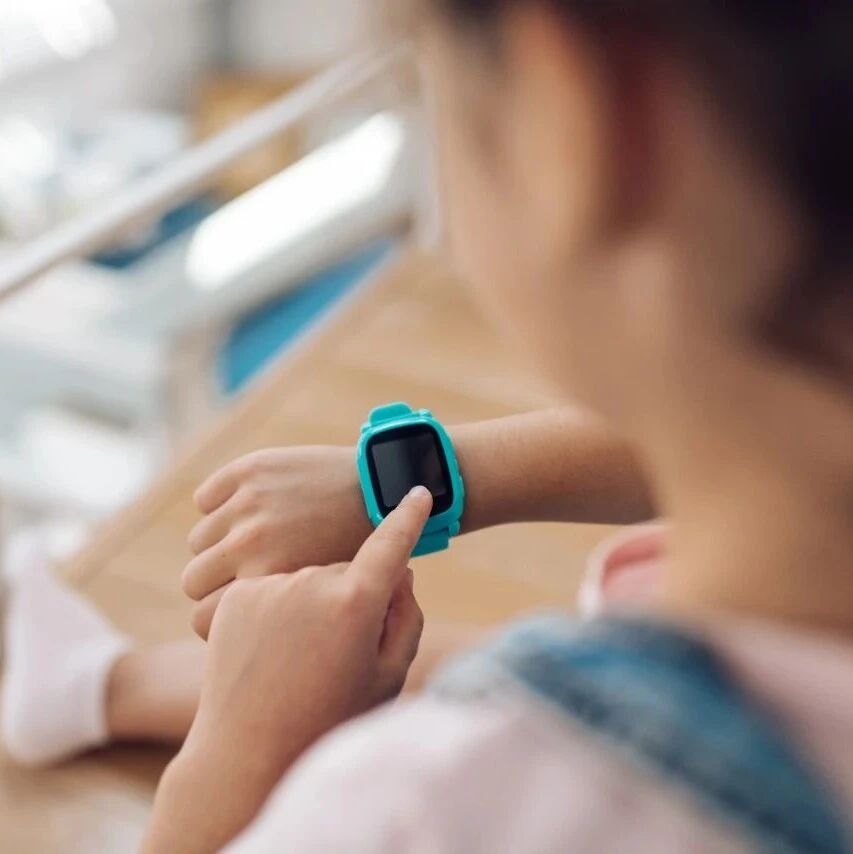
Core Viewpoint - The article discusses the complex social dynamics and commercial activities surrounding the "小天才" (Little Genius) children's smartwatch, highlighting issues such as virtual transactions, social status, and the prevalence of scams and cyberbullying among its young users [2][5][33]. Group 1: Social Dynamics - The "小天才" smartwatch has become a status symbol among children, with users needing a significant number of likes (starting from 600,000) to be recognized as "大佬" (big shots) in the community [3][4]. - The community is primarily composed of children from affluent families, with many parents being professionals such as civil servants or academics [4][5]. - The culture surrounding the smartwatch has led to a social hierarchy where children without the device may feel excluded from peer groups [5][17]. Group 2: Commercial Activities - Young users engage in various commercial activities, including selling "bot" services to artificially inflate likes on their profiles, with some earning substantial amounts during peak seasons [6][7]. - The market for virtual goods related to the smartwatch is thriving, with transactions for accounts with high likes being common, and services for account management and content creation being offered [10][12]. - The article notes that the "小天才" ecosystem has fostered a form of "light entrepreneurship" among children, creating a unique marketplace driven by social media dynamics [13][33]. Group 3: Risks and Challenges - The article highlights the risks associated with the smartwatch's social network, including scams, cyberbullying, and exposure to inappropriate content, which have become prevalent issues [5][33]. - Young users often engage in risky behaviors, such as sharing personal information and participating in online harassment, reflecting a lack of understanding of the consequences [18][33]. - The article mentions that regulatory measures are being considered to address these issues, as the original purpose of the smartwatch—to ensure safety and communication—has been overshadowed by its entertainment features [34][35]. Group 4: Market Position - "小天才" holds a dominant position in the children's smartwatch market, with a market share of 35.3% and a year-on-year growth of 47.6%, significantly outpacing industry averages [22]. - The brand's success is attributed to its unique social features that differentiate it from competitors, making it a preferred choice among children and parents alike [9][24]. - The article notes that the increasing complexity of the social dynamics and commercial activities surrounding the smartwatch may lead to further challenges in maintaining a healthy ecosystem for its young users [35].
一年赚6万,小天才批量制造未成年“大佬”
创业邦· 2025-10-30 03:34
Core Viewpoint - The article discusses the rise of the "Xiaotianzi" smartwatch among children, highlighting its role in creating a social hierarchy and commercial ecosystem among young users, leading to both opportunities and risks in the digital landscape [6][9][21]. Group 1: Market Dynamics - Xiaotianzi holds a 35.3% market share in the children's smartwatch sector, with a year-on-year growth of 47.6%, significantly outpacing the industry average [21]. - The brand has established itself as a status symbol among middle-class families, with many parents opting for it to ensure their children's safety and communication needs [8][17]. - The average age of prominent users, referred to as "big shots," ranges from 11 to 17 years, indicating a young demographic heavily engaged in social media dynamics [6][7]. Group 2: Social and Commercial Ecosystem - The Xiaotianzi smartwatch has fostered a culture where children engage in "like" trading, creating a marketplace for services such as "like bots" and account management, which are often operated by minors [10][12][13]. - Users can earn money through various means, including selling "likes" and managing accounts, with some young entrepreneurs reportedly earning over 60,000 yuan in a year [10][12]. - The competitive nature of gaining likes has led to a significant increase in the threshold for being recognized as a "big shot," now requiring at least 800,000 likes [18][21]. Group 3: Risks and Challenges - The article highlights the darker side of this ecosystem, including issues of online bullying, scams, and inappropriate content, which have emerged as children navigate this digital space [8][18][28]. - Parents often face challenges in monitoring their children's activities, leading to conflicts and even legal issues when transactions occur without parental consent [15][31]. - The increasing complexity of the social dynamics and the potential for exploitation have prompted calls for stricter regulations and oversight in the children's smartwatch market [31][32].