外汇储备安全

Search documents
中国减持美债引关注,外资资金流向变化,FDI数据揭示新趋势
Sou Hu Cai Jing· 2026-02-16 02:43
Group 1 - The core viewpoint of the article discusses the strategic adjustment of China's holdings in U.S. Treasury bonds, indicating a long-term trend of reduction since its peak in 2013, with current holdings dropping below $700 billion [1][3] - China's reduction in U.S. Treasury bonds is not a spontaneous decision but a calculated move to optimize reserve assets, reflecting a shift in financial management philosophy towards more stable investments [3][14] - In contrast, Japan and the UK have increased their holdings in U.S. Treasury bonds, highlighting differing asset allocation strategies among countries [3][12] Group 2 - Foreign investment in Chinese interbank bonds has decreased significantly, with holdings expected to drop to 3.46 trillion yuan by the end of 2025, a reduction of nearly 1 trillion yuan from peak levels [5][8] - The decrease in foreign holdings of Chinese bonds does not indicate a lack of confidence in China; rather, it reflects a "tortoise and hare" effect where funds are being redirected from fixed-income markets to equities, indicating a search for higher returns [5][15] - Despite a 9.5% year-on-year decline in actual foreign investment in 2025, the rate of decline has been narrowing, suggesting a recovery in foreign investment speed [8][9] Group 3 - The increase in foreign direct investment (FDI) from countries like Switzerland (66.8%), UAE (27.3%), and the UK (15.9%) indicates a continued interest in the Chinese market, countering narratives of withdrawal [10][12] - The establishment of new foreign enterprises in China grew by 19.1% last year, reflecting a positive sentiment towards the Chinese economy [9][10] - The article emphasizes that the flow of capital is a natural process, with both reductions and increases in investments reflecting a more complex interaction between global economies [17][19] Group 4 - The article suggests that the current international financial environment is characterized by a dynamic interplay of asset flows, with China actively promoting the internationalization of the yuan and diversifying its investments [17][20] - The ongoing adjustments in asset allocations by both China and foreign investors represent a broader reconfiguration of global economic interests, moving beyond simple lending relationships to more intricate partnerships [21][24] - The overall economic data serves as a reflection of market expectations, with a focus on long-term trends rather than short-term fluctuations [20][21]

突然发现2026年的假期有两个历史第一次
Sou Hu Cai Jing· 2026-01-21 00:39
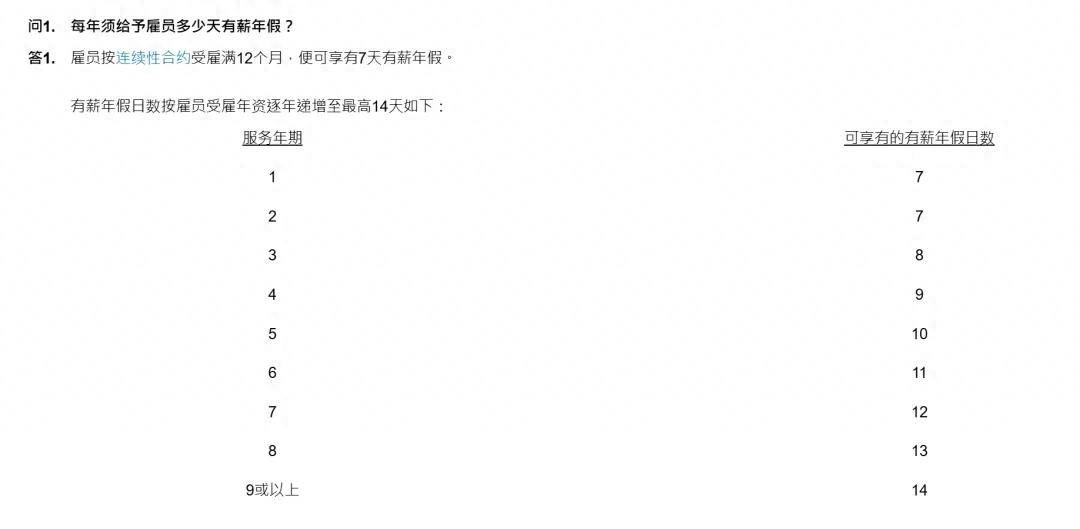
Group 1 - The increase in national rest time in China is an inevitable trend, both in comparison with other countries and in historical context [1] - In 2026, there will be two historical firsts regarding holidays: the Spring Festival will have a nine-day holiday, unprecedented in New China [2][3] - The longest holiday prior to this was eight days, which occurred in 2009 during the Mid-Autumn Festival and National Day [4][5] - The nine-day holiday in 2026 is made possible by the addition of two public holidays in 2025, extending the Spring Festival and May Day holidays [7] Group 2 - The Mid-Autumn Festival in 2026 will have a three-day holiday, and the National Day will have a seven-day holiday, allowing for a potential 13-day long holiday if three days of leave are taken [9][10] - Currently, the total number of statutory holidays in mainland China is 13 days after the increase in 2025 [11] - In comparison, Taiwan will have 16 statutory holidays in 2026, highlighting a disparity in holiday duration [12][14] - Japan and South Korea will also have 16 and 15 statutory holidays respectively in 2026, further emphasizing the shorter holiday duration in mainland China [15][16] Group 3 - The paid annual leave system in mainland China is significantly shorter than in Taiwan, Japan, and South Korea, with only five days for one year of service compared to 15 days in South Korea and 10 days in Japan [19][24] - The annual leave in Taiwan is notably more generous, with employees receiving up to 30 days after 20 years of service [20][21] - The execution of annual leave in mainland China presents challenges, as many employees do not fully utilize their entitled leave [27] - The comparison with other regions indicates that there is substantial room for growth in the annual leave policies in mainland China [30]
俄罗斯央行起诉欧洲,银行3000亿资产争夺战,俄警告将对等反制
Sou Hu Cai Jing· 2025-12-21 04:32
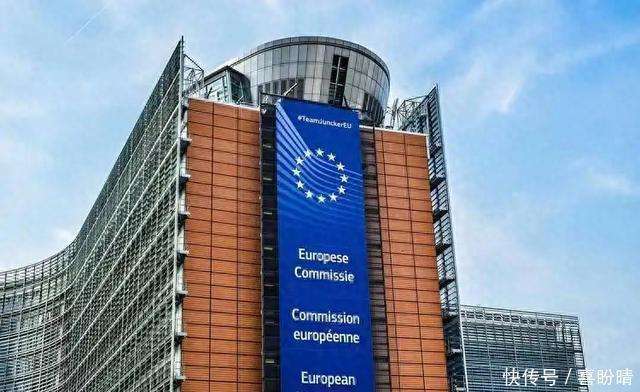
Core Viewpoint - The European Union has controversially decided to indefinitely freeze Russian assets within its territory, amounting to approximately €300 billion, and use these funds to provide compensation loans to Ukraine, which has sparked significant backlash from member states and Russia [3][6][12]. Group 1: EU Decision and Reactions - The EU's decision was made using Article 352 of the Lisbon Treaty, allowing for a simple majority vote rather than requiring unanimous consent from all member states, which has raised concerns about the legitimacy of the process [5]. - Hungary's Prime Minister Orbán has openly criticized the EU's actions as akin to declaring war on Russia, indicating potential shifts in Hungary's foreign exchange reserve strategy [7]. - Belgium initially opposed the decision, citing violations of international law, but ultimately compromised under EU pressure, highlighting the complexities of intra-EU relations [6][14]. Group 2: Financial Implications and Military Context - The frozen Russian assets primarily consist of foreign exchange reserves and corporate assets, with most held in Belgium's European Clearing Bank, and the interest from these assets has already been used as collateral for Ukrainian loans since early this year [6]. - The urgency of the EU's decision is compounded by the withdrawal of U.S. funding, placing additional pressure on core EU countries like France and Germany to support Ukraine amidst ongoing military challenges [6][12]. Group 3: Internal EU Divisions and Future Risks - The internal divisions within the EU have become more pronounced, with Eastern European countries advocating for stronger sanctions against Russia, while others like Hungary and Slovakia remain cautious due to their energy dependencies [10][14]. - The decision to use frozen assets may set a concerning precedent, leading other nations to reconsider the safety of holding foreign exchange reserves in Europe, potentially accelerating a shift away from reliance on the euro and dollar [15]. - The long-term sustainability of EU unity, achieved at the cost of member states' sovereignty and international law principles, remains uncertain, as sanctions can have reciprocal effects that may harm the EU itself [17].