外资审查

Search documents
两起锂电出海交易“被卡”
高工锂电· 2026-01-13 15:57
Core Viewpoint - The article highlights the increasing challenges in cross-border transactions related to lithium battery technology, emphasizing that the ability to transfer technology and control key assets is being re-evaluated in the context of strategic industries [1]. Group 1: Cross-Border Transaction Challenges - Two recent cross-border transactions involving lithium battery technology have faced significant obstacles, bringing to light the friction in the industry [2]. - Reliance Industries of India attempted to negotiate technology licensing with China's Xiamen Hichain Energy, but progress has stalled due to China's tightening of technology transfer regulations [3]. - The focus for Reliance may shift towards integrating and assembling battery storage systems rather than local mass production of battery cells [4]. Group 2: Regulatory Impacts on Mergers and Acquisitions - DeFu Technology's planned acquisition of Circuit Foil Luxembourg faced restrictive conditions imposed by the Luxembourg Ministry of Economy, which limited control rights and decision-making power [5]. - The significance of mergers in technology-intensive manufacturing, such as copper foil, lies in the control that enables technological and customer synergies; however, regulatory changes can downgrade acquisitions to mere financial investments [6][7]. - DeFu ultimately chose to terminate the transaction, acknowledging that the current conditions did not align with its strategic goals [8]. Group 3: Global Market Dynamics - The setbacks in these transactions reflect a broader structural change in the global environment for lithium battery exports over the past year, with increased scrutiny in North America affecting market access [9]. - The U.S. has implemented regulations that tie supply chain sources and ownership control to incentives and compliance frameworks, altering who can participate in the domestic industry [9]. - As this security-focused logic spreads to allied nations, the dynamics in Europe and Southeast Asia are also evolving, with cross-border cooperation becoming more complex and regulated [9]. Group 4: Shifts in Market Strategy - The tightening of technology transfer regulations is leading to a regression in collaboration forms, moving from battery cell manufacturing solutions to the integration and assembly of battery storage systems [10]. - In Europe, foreign investment reviews are transforming acquisitions from full ownership to structures with limited voting rights, diminishing the strategic value of such transactions [11]. - Southeast Asian markets are transitioning from being mere export platforms to regions with local manufacturing requirements tied to incentives, local content, and employment contributions [12][13]. Group 5: Future Outlook - By 2026, the challenges of international expansion will evolve from merely establishing factories and securing orders to redesigning transaction structures and global strategies within regulatory boundaries [14].


突发|荷兰冻结闻泰子公司Nexperia 147亿资产:半导体供应链影响与应对策略
Sou Hu Cai Jing· 2025-10-16 09:50
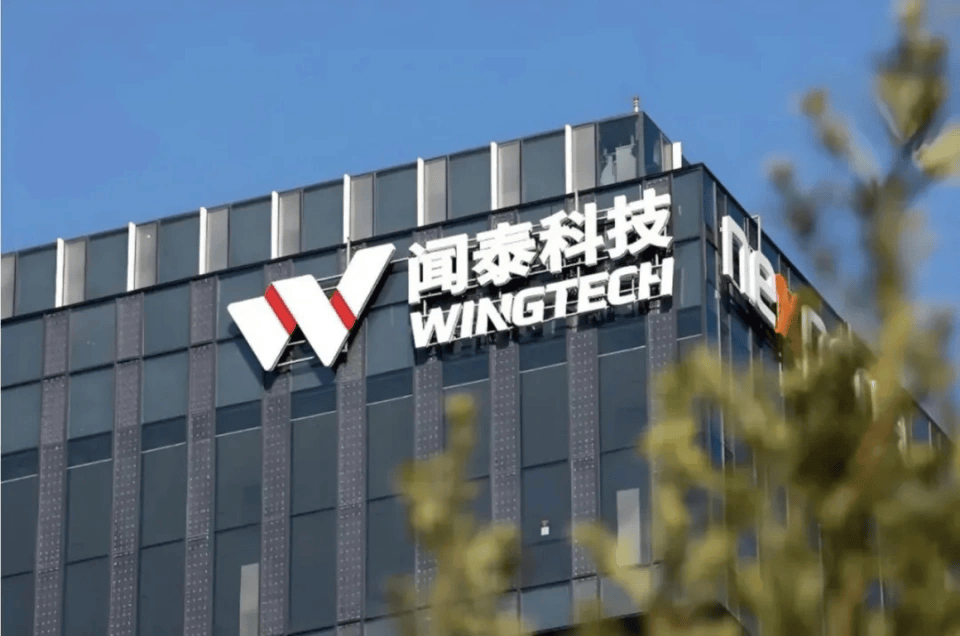
Core Viewpoint - The Dutch Ministry of Economic Affairs and Climate Policy has issued an asset freeze order against Nexperia, a wholly-owned subsidiary of Wingtech Technology, involving semiconductor assets valued at approximately 14.7 billion RMB (about 2 billion USD) to protect national security, which may restrict Nexperia's operations in the Netherlands [1][3]. Group 1: Event Background - The asset freeze was issued in October 2025, targeting Nexperia's key assets in the Netherlands, including the NXP legacy factory and R&D center, due to foreign investment scrutiny and national security concerns, particularly regarding technology transfer risks [3]. - Wingtech Technology has faced regulatory pressures in Europe and the U.S. since acquiring Nexperia in 2021, and this freeze may be a result of the expanded EU foreign investment review framework [3]. - Nexperia plans to appeal the decision and maintains that business operations will continue normally, although the incident has led to a short-term decline in Wingtech's stock price [3]. Group 2: Multi-Dimensional Impact - For Wingtech/Nexperia, the asset freeze may lead to operational halts in the Netherlands, affecting the production of discrete semiconductors (such as diodes and transistors) and increasing financial pressure, resulting in heightened stock price volatility [4]. - The global supply chain may experience a shortage of discrete components, particularly in the automotive and consumer electronics sectors, with prices potentially rising by 5-10% and delivery times extending by 2-4 weeks [5]. - The incident highlights the "decoupling" trend, prompting the EU and U.S. to accelerate localization efforts (e.g., CHIPS Act), leading to increased demand for alternative suppliers like Vishay and Infineon [6]. Group 3: Company Response and Forecast - Nexperia may appeal the asset freeze and consider relocating assets outside the Netherlands while enhancing its EV/5G product lines [7]. - If the appeal fails, Nexperia might sell off some assets, and in the long term, Wingtech is expected to accelerate localization efforts in China, facing more EU scrutiny [7]. - Official updates are anticipated within 1-3 months, and monitoring Wingtech's official website is advised [7]. Group 4: Practical Guidance for Clients - Clients are advised to assess Nexperia inventory and confirm supply through Wingtech's global channels [8]. - Switching to alternative suppliers like Vishay or Infineon is recommended, with free BOM audits offered by Wingtech [9]. - Conducting compliance self-checks to evaluate foreign investment review risks and signing end-user declarations to avoid gray market channels is crucial [10]. - In the medium to long term, building a multi-supplier system and securing long-term contracts with alternative suppliers is suggested [11]. Group 5: Industry Perspective - The incident serves as a reminder that compliance and redundancy in design are more critical than overreacting to asset freezes, emphasizing the importance of supply chain resilience [13]. - The asset freeze is viewed as an opportunity for a healthier industry, with Wingtech committed to supporting clients from component alternatives to PCBA delivery [14].