
女性解放

Search documents
纪念碧姬·芭铎:从“女性历史的火车头”到动物权益保护者
Xin Lang Cai Jing· 2025-12-30 00:29
Core Viewpoint - Brigitte Bardot, a French cultural icon and actress, passed away at the age of 91, leaving behind a legacy as a symbol of femininity and animal rights activism, while also being a controversial figure due to her political views and statements [1][32]. Group 1: Early Life and Career - Brigitte Bardot was born on September 28, 1934, in a wealthy family in Paris, which fostered her rebellious spirit due to strict upbringing [3]. - She began her career as a ballet student and later became a fashion model, appearing on the cover of Elle magazine [3]. - Bardot's film debut was in "Normandy Apples" in November 1952, and she gained fame with her role in "The Bikini Girl" in March 1953, which featured her in a bikini, a controversial fashion at the time [7][9]. Group 2: Rise to Fame - Bardot's role in "And God Created Woman" in 1956 established her as a sex symbol and a representative of a new generation of liberated Western women [13]. - She became the highest-paid actress in France during the 1960s, with significant roles in films like "Contempt" directed by Jean-Luc Godard, which became a box office success [21][38]. - Bardot's influence extended to fashion, inspiring trends such as the Bardot neckline and popularizing items like ballet flats and black tights [38]. Group 3: Activism and Controversy - After retiring from acting in 1973, Bardot dedicated her life to animal rights, founding the Brigitte Bardot Foundation and advocating against animal cruelty [26][28]. - Her political views, particularly her criticisms of immigration and her support for far-right ideologies, sparked significant controversy and legal issues later in her life [30][31]. - Bardot's statements on sexual harassment in 2018 drew widespread criticism, contrasting her earlier image as a feminist icon [31]. Group 4: Legacy and Impact - Bardot's death prompted mixed reactions in France, with far-right politicians praising her as a patriotic figure, while leftist responses focused on her contributions to film and animal rights [32][35]. - She is remembered as a cultural icon whose influence on fashion and film continues to resonate, with many contemporary artists and celebrities citing her as an inspiration [38].

中产家庭富养女儿的陷阱
虎嗅APP· 2025-05-19 13:47
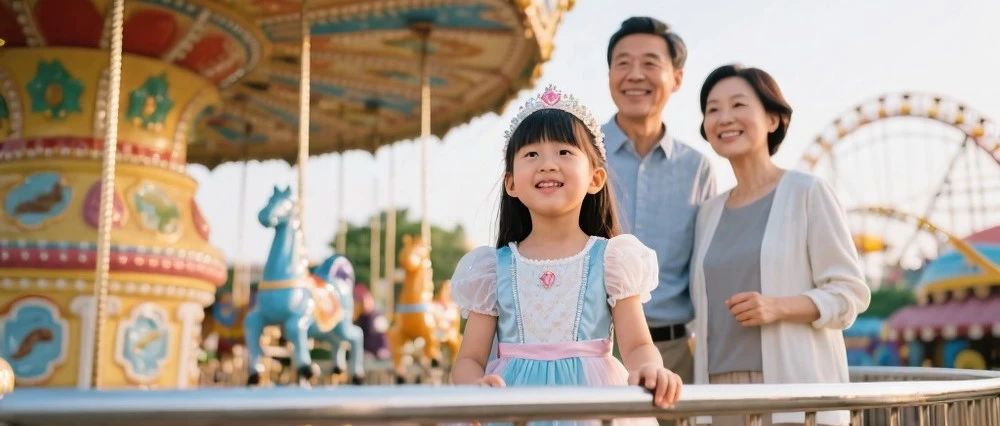
Core Viewpoint - The article discusses the evolution of women's social status and rights in China, highlighting the challenges faced by women despite progress in education and employment opportunities. It critiques the overprotection of daughters in middle-class families, which may hinder their ability to navigate the complexities of society and achieve independence [2][3][4]. Group 1: Historical Context - The early 20th century saw the rise of the New Culture Movement in China, with women's liberation being a significant topic. The introduction of Henrik Ibsen's play "A Doll's House" inspired many educated women, but the reality of women's independence was far more complex [2]. - In 1923, Lu Xun's speech "What Happens After Nora Leaves" challenged the romanticized notions of women's liberation, emphasizing the lack of practical support for women seeking independence [2]. Group 2: Current Challenges - Despite advancements in women's rights over the past century, many women still face significant societal challenges, leading to misconceptions about the ease of achieving independence in a competitive job market [3]. - The article notes that many middle-class parents, aiming to protect their daughters from hardship, may inadvertently create a "cage" that limits their daughters' understanding of the real world [5][6]. Group 3: Parental Influence - Middle-class families often prioritize the protection of daughters over sons, leading to a lack of resilience and awareness of societal challenges among girls. This overprotection can result in unrealistic expectations about life and relationships [7][8]. - The article argues that daughters raised in such environments may develop a distorted view of society, lacking the necessary skills to navigate its complexities and risks [8]. Group 4: Wealth and Independence - Many middle-class parents mistakenly believe that leaving behind material wealth, such as real estate, will ensure their children's future security. However, the article points out that economic conditions are constantly changing, making this assumption unreliable [10]. - The focus on superficial skills and interests, rather than essential life skills and resilience, can leave daughters unprepared for the realities of adulthood [11]. Group 5: Marriage and Self-Perception - The article discusses how middle-class daughters often grow up with the expectation of finding a successful partner, leading to a lack of competitive spirit and self-reliance [13]. - This mindset can result in disillusionment when faced with the harsh realities of marriage and personal independence, as many women may find themselves unprepared for the challenges of adult life [15].
中产家庭富养女儿的陷阱
Hu Xiu· 2025-05-18 23:06
Core Viewpoint - The article discusses the evolution of women's social status and rights in China, highlighting the historical context of women's liberation and the ongoing challenges they face despite progress in education and employment opportunities [5][6]. Group 1: Historical Context - The early 20th century saw the rise of the New Culture Movement in China, with women's liberation being a significant topic, influenced by Ibsen's play "A Doll's House" [1]. - Lu Xun's 1923 speech "What Happens After Nora Leaves" critiqued the romanticized notions of women's liberation prevalent at the time [2]. Group 2: Current Challenges - Despite advancements in women's rights over the past century, many women still face societal challenges that hinder their independence and economic self-sufficiency [5][6]. - The perception that women can easily achieve independence in a competitive job market is misleading, as many still rely on familial support [6]. Group 3: Parental Influence - Middle-class parents often overprotect their daughters, creating a "protective umbrella" that may limit their exposure to real-world challenges [7][8]. - This overprotection can lead to unrealistic expectations and a lack of understanding of societal complexities, making it difficult for these girls to navigate adult life [11][12]. Group 4: Wealth and Education - Many middle-class families mistakenly believe that material wealth, such as property, guarantees their children's future security, despite the changing economic landscape [15][16]. - The focus on non-essential skills and interests in education may detract from developing essential survival skills necessary for independence [17][19]. Group 5: Marriage and Independence - The traditional family structure often leads daughters to fantasize about finding a "good husband" rather than fostering a competitive spirit [20][21]. - This mindset can result in a lack of preparedness for the realities of adult life and relationships, as many women may find themselves unprepared for the challenges of marriage and financial independence [25][26].
|晒书客·花月之书|
Jing Ji Guan Cha Bao· 2025-04-29 10:28
Group 1 - The book "Nora in China: The Shaping and Evolution of the New Female Image, 1900-1930s" discusses the influence of Ibsen's play "A Doll's House" on Chinese women's liberation and identity during the early 20th century [1][2] - The character Nora serves as a model for women's self-liberation, inspiring intellectuals concerned about national strength and identity [2] - The book explores various interpretations of Nora's story in China, including themes of self-rescue, resistance to marriage, and career aspirations, highlighting women's journey towards independence [2] Group 2 - The book "Transitional Labor: Delivery Riders in the Platform Economy" examines the precarious nature of gig work, particularly focusing on delivery riders who often view their jobs as temporary or transitional [3][4] - The research indicates that the delivery economy has grown significantly, with riders becoming a common sight even in smaller cities, driven by algorithmic systems and surveillance capitalism [5] - The study concludes with concerns about the dignity and safety of individual laborers, emphasizing the fragmented helplessness experienced by riders in the gig economy [5] Group 3 - The book "The Cigarette Company: A Study of Sino-American Tobacco Trade, 1870-1930" analyzes the rise of cigarette consumption and its ties to capitalism, particularly through the lens of the British American Tobacco Company [10][11] - It details the establishment of the company's branches in China and the intricate "Bright Leaf Tobacco Network," illustrating the pervasive influence of cigarette culture across various social and cultural domains [12] - The book emphasizes the ongoing relevance of its themes, particularly regarding the establishment and functioning of networks in the context of capitalist expansion [12]