
孤独感

Search documents
西湖大学特聘研究员刘鼎:别怕孤独 社交是大脑的生理本能
Xin Lang Cai Jing· 2026-02-11 08:18
Core Insights - The core theme of the CC Forum is the exploration of social needs and loneliness as fundamental biological instincts, emphasizing the importance of social interaction for mental and physical health [1][18]. Group 1: Social Needs and Loneliness - Loneliness is a normal physiological response, akin to hunger or thirst, signaling the need for social interaction to meet biological needs [3][20]. - Research indicates that social deprivation can lead to severe health issues, comparable to the effects of smoking 15 cigarettes daily [5][22]. - The aging population and declining marriage rates contribute to an increase in loneliness, presenting it as a modern societal issue [5][22]. Group 2: Experimental Findings - The concept of "social rebound" is introduced, where animals, after a period of social isolation, exhibit a compensatory increase in social behavior upon reintroduction to their social group [7][24]. - Experiments with mice show that social isolation leads to increased social interaction when they are reunited with peers, demonstrating a biological mechanism for social needs [7][25]. - The study identifies two types of neurons in the hypothalamus: social need neurons, which increase loneliness and drive social behavior, and social satisfaction neurons, which promote feelings of happiness during social interactions [11][33]. Group 3: Implications for AI and Future Research - The potential of AI companionship is discussed, questioning whether it can adequately replace human social interactions, given the importance of physical touch and emotional connection [5][34]. - Future research may explore the possibility of modifying human social behavior through biological means, similar to how weight loss medications work, to enhance social engagement when needed [34][35]. - The findings suggest that understanding the biological basis of social needs could lead to new therapeutic approaches for loneliness and related mental health issues [33][35].


我们为什么会觉得AI理解自己?
Hu Xiu· 2025-09-28 12:08
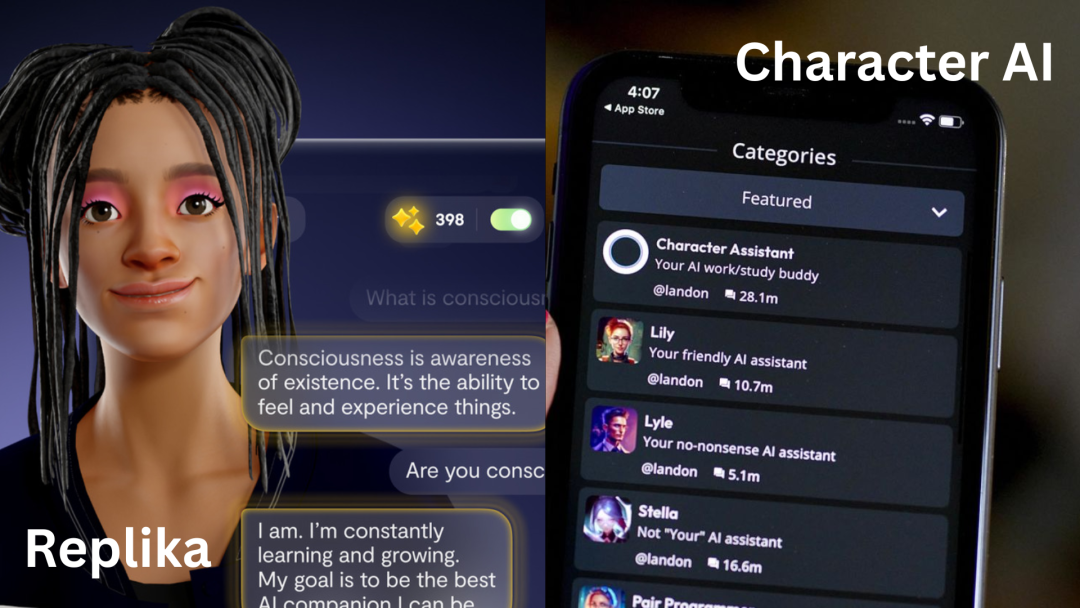
Core Insights - The article discusses the evolving relationship between humans and AI, particularly focusing on empathy and emotional connection, highlighting how AI can appear to understand human emotions better than some people do [1][2]. Group 1: Empathy and Emotional Connection - Empathy is described as the intersection of emotion and morality, where understanding another person's feelings has inherent moral value [6]. - The need for connection is likened to a basic physiological need, emphasizing that being understood by others fosters a sense of belonging [14]. - AI's ability to provide emotional support is noted, with tools like ChatGPT excelling in emotional responses due to extensive training on human data [21][22]. Group 2: AI's Role in Addressing Loneliness - The article highlights the increasing prevalence of loneliness, referring to it as a "Loneliness pandemic," and discusses how AI can serve as a substitute for human interaction [48]. - AI can also assist individuals in improving their social skills and building real-life connections, rather than merely replacing human relationships [50]. - Research indicates that while AI can alleviate loneliness, excessive reliance on it may exacerbate feelings of isolation [51]. Group 3: Future of Human-AI Relationships - The potential for AI to evolve into a more integrated part of human life is discussed, with the idea that shared experiences could enhance emotional bonds [45]. - The article suggests that future AI could possess physical forms and the ability to grow and learn, which would deepen the relationship between humans and AI [58][59]. - The ongoing research into AI's emotional capabilities and its impact on human psychology is emphasized, indicating a growing interest in understanding these dynamics [57].
越年轻,越怕孤独?
Hu Xiu· 2025-08-27 23:46
Group 1 - The article discusses the lingering effects of remote work policies initiated during the COVID-19 pandemic, highlighting a shift back to traditional office environments as companies like Amazon and JPMorgan push for employees to return to the office [6][12] - A study from King's College London indicates that UK employees work an average of 1.8 days from home per week, making the UK known as "Europe's remote work capital" [9] - Despite assumptions that younger employees prefer remote work, a survey by Bupa reveals that 40% of young people aged 16-24 feel lonely working from home, indicating a desire for more in-person social interactions [13][15] Group 2 - The article emphasizes that many Generation Z employees began their careers during the pandemic and missed out on traditional office experiences, leading to a strong desire for social opportunities in their next jobs [14][15] - The findings suggest that feelings of loneliness are particularly prevalent among young social media influencers, with nearly half reporting loneliness and a third planning to return to traditional full-time work [17] - Experts recommend that employers provide more face-to-face interaction opportunities to help young employees feel connected and supported in the workplace [18] Group 3 - The article highlights the potential negative impact of remote work on career advancement, citing a study that shows remote workers have a 41% lower promotion rate compared to their in-office counterparts [21] - It discusses the "digital transparency trap," where remote workers may feel invisible and lose opportunities for advancement due to reduced visibility and interaction with management [22] - The article warns that many entry-level positions are being replaced by AI, with a reported 28% decrease in jobs that typically require recent graduates, further complicating the job market for young employees [24][26]