学习曲线效应

Search documents
物价,该涨了?
虎嗅APP· 2026-03-19 14:19
Core Viewpoint - The article emphasizes the importance of maintaining a reasonable price increase to support economic growth, employment, and consumer spending, countering the misconception that lower prices are always better for the economy [4][5]. Group 1: Economic Context and Price Dynamics - The government aims for a price increase target of 2% to stimulate consumer spending and improve employment and income levels [4]. - A commentary in "Qiushi" magazine highlights the relationship between reasonable price levels and better employment and wage conditions, advocating for a proactive approach to price recovery [4]. - The article discusses the misconception that lower prices are beneficial, warning that persistent low prices can lead to a vicious cycle of low consumption and low profits for businesses, ultimately harming employment and income [4][5]. Group 2: Infrastructure and Manufacturing Dominance - Since 2020, it has been recognized that China operates as a low-price society, with the cost of modern living being the lowest globally [7]. - China's infrastructure projects, such as high-speed rail and highways, significantly support its high consumption rates, with global shares in various sectors like high-speed rail at 70% and electric vehicle sales at 65% [8][9]. - The article lists impressive statistics on China's infrastructure, including 5.04 million kilometers of high-speed rail and 18.4 million kilometers of highways, which bolster its manufacturing and consumption capabilities [8][9]. Group 3: Manufacturing and Global Trade - China's manufacturing sector holds a dominant position globally, producing 70% of the world's mobile phones and 80% of solar batteries, among other products [12][14]. - The country is the largest importer of various commodities, including iron ore and soybeans, indicating its critical role in global supply chains [15]. - The article argues that China's manufacturing output and import capabilities position it as a global production leader, countering narratives of insufficient domestic demand [16]. Group 4: Economic Challenges and Future Directions - The article warns of potential overcapacity in manufacturing sectors, suggesting that the scale of production may exceed global demand, leading to challenges in maintaining cost reductions [30]. - It highlights the need for a shift from price competition to value competition, advocating for improved labor conditions and reduced working hours to enhance overall economic health [32][34]. - The government is taking steps to address "involution" in competition, aiming to optimize market conditions and promote a more sustainable economic environment [26][34].


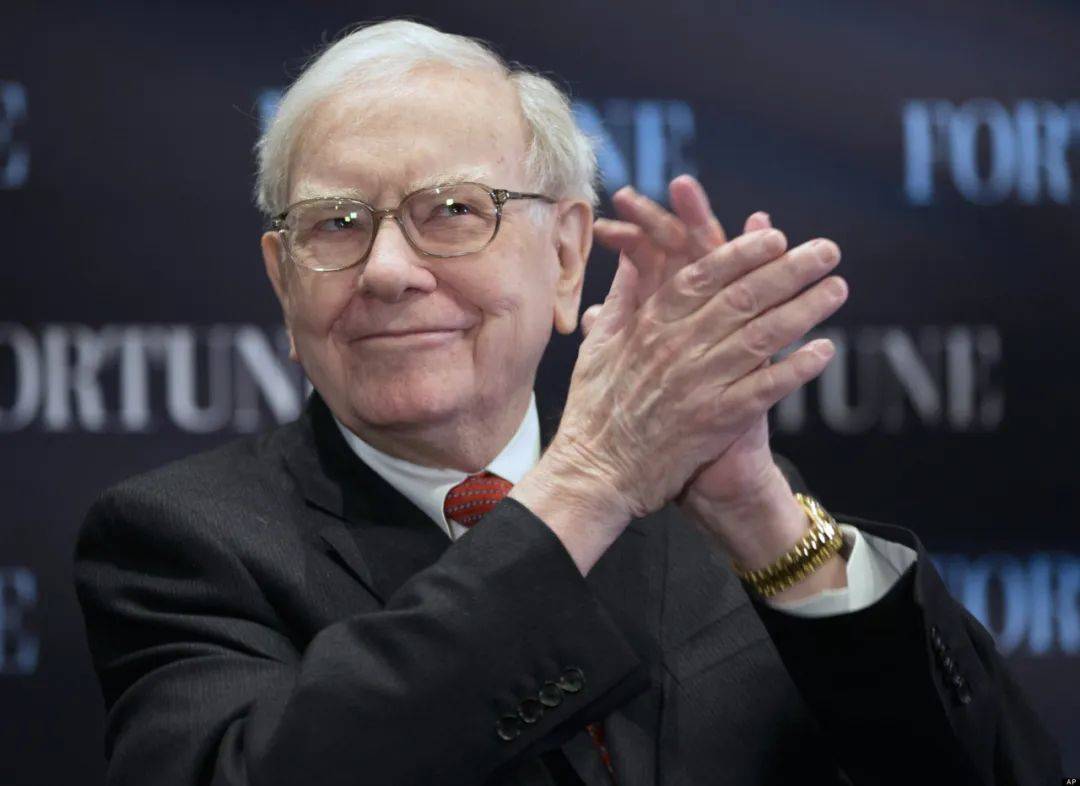
解码巴菲特万亿财富密码:5大护城河重构投资底层逻辑
Sou Hu Cai Jing· 2025-06-25 13:40
Core Concept - Warren Buffett's wealth, exceeding $100 billion, exemplifies the ultimate practice of recognizing competitive advantages in businesses, with the "moat" theory serving as a core framework for value investing [2] Group 1: Economic Essence of Moat Theory - The moat represents a "monopolistic competition barrier" that allows companies to achieve long-term excess profits, contrasting with the traditional economic assumption of perfect competition [3] - Companies with a moat act as "micro-monopolists," leveraging differentiated competition strategies to break the diminishing marginal returns [3] - Tiffany's blue box exemplifies brand premium, where brand value and price discrimination theory combine to create a significant competitive barrier, with brand premium contribution in the luxury sector exceeding 60% [3] Group 2: Five Types of Moats - **Brand Moat**: Strong brands create cognitive monopolies, with brand loyalty increasing profits by 25%-85% for every 5% increase in loyalty [4] - **Switching Cost Moat**: High switching costs, such as those in the banking sector, create natural barriers to customer turnover, with retention rates in high switching cost industries being 3-5 times higher than in others [5] - **Network Effect Moat**: The success of platforms like Microsoft Windows illustrates the network effect, where value increases with user numbers, creating a self-reinforcing cycle [6] - **Economies of Scale Moat**: Walmart's "Everyday Low Price" strategy is based on scale economies, with logistics costs controlled at one-third of the industry average [7] - **Scale Moat**: Companies like Apple and Walmart leverage scale advantages and network effects to create high user migration costs and comprehensive cost control systems [8] Group 3: Dynamic Evolution of Moat Theory - In the digital economy, the forms of moats are evolving, with data monopolies and algorithmic advantages reshaping competitive landscapes, yet the essence remains in building sustainable competitive advantages for long-term excess profits [8] Group 4: Investment Insights - Investors should identify moats by analyzing financial statements and understanding the economic substance of competitive advantages, focusing on dimensions like brand value and cost structures [9] - Buffett's investment philosophy embodies the practice of moat theory, emphasizing the importance of finding companies with enduring moats for value growth [9]