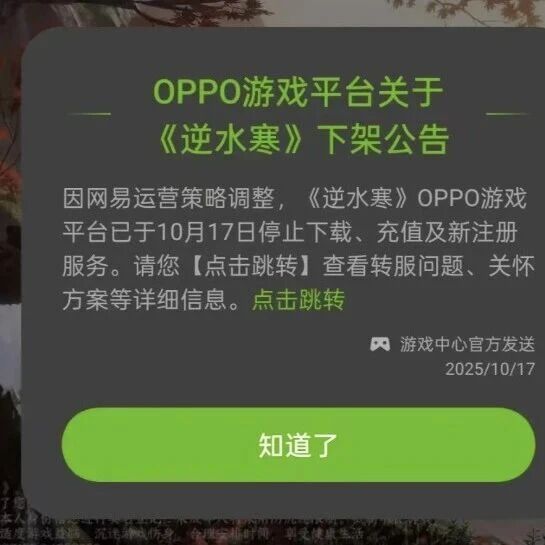
安卓税

Search documents
网易不忍了,带头抵制安卓税:比苹果税还高,达50%,全球最高
Sou Hu Cai Jing· 2025-12-02 11:50
Core Viewpoint - The article discusses the rising resistance from gaming companies against the high commission fees imposed by Android app stores, referred to as "Android tax," which can reach up to 50%, significantly higher than Apple's 30% fee for in-app purchases [1][5]. Group 1: Background on Commission Fees - Apple charges a 30% commission on in-app purchases for apps on the App Store, with a reduced rate of 15% for small businesses [1]. - In contrast, Android platforms in China impose a 50% commission, which is considered the highest globally [5]. Group 2: Industry Response - NetEase has taken the lead in resisting the Android tax by removing several of its game apps from mobile manufacturers' app stores, opting instead to distribute them through short video and social media channels [3][10]. - Other major companies like Tencent and Alibaba are also following suit, indicating a broader industry shift away from traditional app store distribution to alternative channels to avoid high commission fees [5][10]. Group 3: Changes in Market Dynamics - Historically, mobile manufacturers held significant power over app distribution, forming alliances that enforced high commission rates on game developers [7]. - The rise of alternative promotional channels, such as social media and short video platforms, has provided game developers with more options, reducing their reliance on traditional app stores [9]. - This shift in distribution strategy suggests a potential restructuring of the Android gaming distribution landscape, as companies are now willing to challenge the established norms [10].


安卓税再见,网易带头掀桌,国产手游要与手机渠道决裂?
3 6 Ke· 2025-11-24 23:27
Core Viewpoint - The gaming giant NetEase is undergoing a significant separation from major domestic Android phone manufacturers, leading to the removal of its games from various app stores, indicating a shift in the gaming distribution landscape in China [4][12]. Group 1: Industry Changes - A growing number of users are reporting the disappearance of NetEase games from app stores of major Android brands like OPPO, Xiaomi, and Vivo, starting with less popular titles and escalating to major games [2][4]. - The traditional revenue-sharing model, often referred to as "Android tax," where 50% of revenue goes to phone manufacturers, is becoming increasingly unsustainable for game developers due to rising development and marketing costs [8][9][12]. - The emergence of new platforms, particularly short video platforms, has diverted traffic away from traditional app stores, prompting developers to seek alternative distribution methods [12][18]. Group 2: Developer Strategies - In response to the changing landscape, major developers like NetEase and Tencent are moving away from channel servers, indicating a shift towards official game servers to retain user data and provide better service [14][20]. - Smaller developers may still rely on channel servers for exposure and user acquisition, but they face challenges as the market evolves [20][24]. Group 3: App Store Dynamics - The app store ecosystem is experiencing a crisis of relevance, with many popular games and applications becoming difficult to find, leading to a decline in user trust [16][18]. - Platforms like TapTap are gaining traction by offering a more authentic user experience, including community engagement and genuine player reviews, contrasting with traditional app stores [18][24]. Group 4: Future Considerations - The current revenue-sharing model is under scrutiny, with calls for a reduction in the high 50% cut taken by app stores to foster a healthier ecosystem for developers [24]. - There is a need for phone manufacturers to enhance their app store offerings by improving user experience and community engagement to remain competitive [22][24].
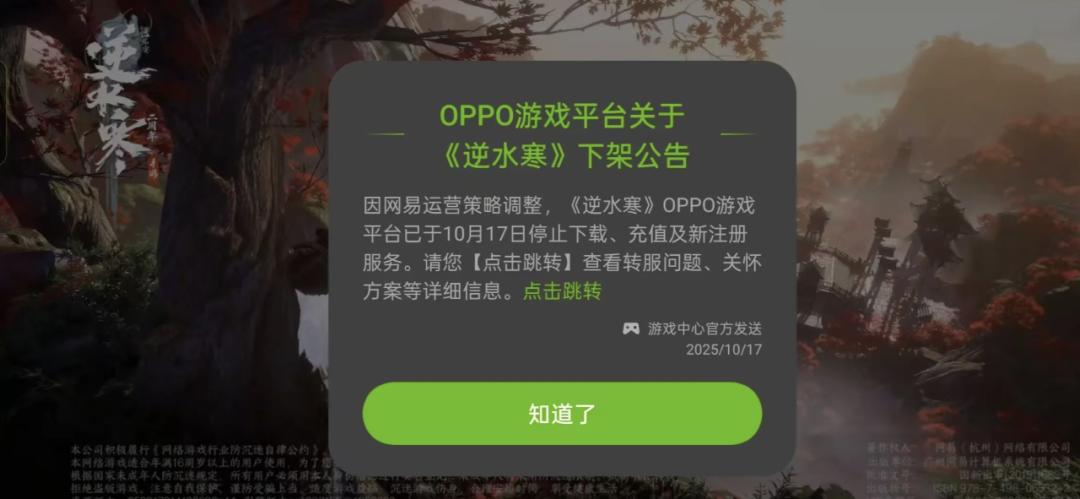
游戏巨头纷纷拒交“安卓税”了,手机厂商还能躺赚多久?
猿大侠· 2025-11-22 04:12
Core Viewpoint - The recent withdrawal of NetEase games from OPPO's app store highlights a growing tension between game developers and traditional Android distribution channels, primarily due to high revenue sharing models that limit profit margins for developers [1][4][15]. Group 1: Game Withdrawal from OPPO - NetEase games, including popular titles like "Onmyoji: Yokai House" and "Fantasy Westward Journey," will cease operations on OPPO channels starting from November 2024, with a complete withdrawal expected by October 2025 [1]. - This trend of withdrawing from OPPO channels began last year and reflects a broader industry shift away from traditional Android distribution methods [1][4]. Group 2: Revenue Sharing Issues - The high revenue sharing model, often referred to as "Android tax," has become a critical issue for game developers, with reports indicating that Android channels take up to 50% of revenue, significantly higher than the 30% typically charged by platforms like Apple's App Store [6][15]. - The "hardcore alliance" established by major Android manufacturers in 2014 set a standard revenue share of 50% for game developers, which has persisted in the industry [8]. Group 3: Alternative Distribution Models - Developers are increasingly exploring alternative distribution methods, such as using platforms like TapTap, which do not charge revenue shares, allowing for greater profitability [10][12]. - Successful titles like "Genshin Impact" and "Awakening of Nations" have demonstrated that it is possible to achieve significant revenue without relying on traditional Android channels [12][14]. Group 4: Industry Evolution - The gaming industry is transitioning from a "traffic-driven" model to a "content-driven" model, where the quality of the game itself becomes the primary factor in attracting users [14]. - Despite the shift, the costs associated with customer acquisition through alternative channels have increased, as seen in NetEase's substantial advertising expenditures [14][15].