对话即交易

Search documents
千问接入淘宝,AI购物成为新趋势
Sou Hu Cai Jing· 2026-01-17 04:45
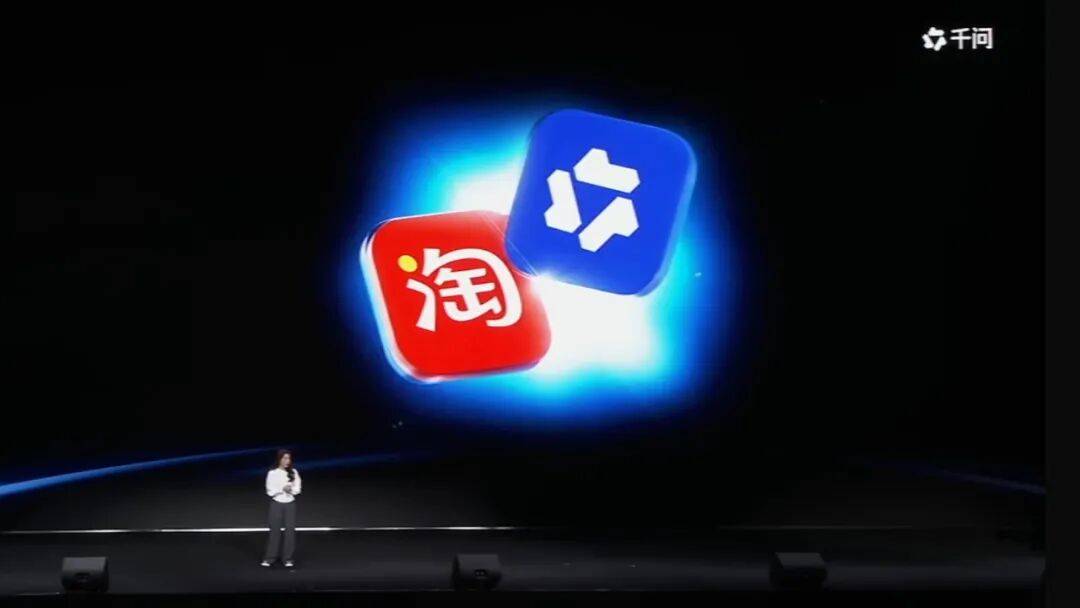
Core Insights - The article discusses Alibaba's launch of the "dialogue-based transaction" model through its Qianwen App, which integrates various services like food delivery, shopping, and travel booking into a seamless user experience [3][9][10] - This innovation marks a significant shift in retail e-commerce, reducing transaction friction and enhancing user engagement in high-frequency consumption scenarios [3][22] Group 1: AI Shopping and Market Trends - AI shopping is becoming a global trend, with major companies like OpenAI, Microsoft, and Google introducing features that allow users to make purchases directly through chat interfaces [4][5] - Alibaba's unique position combines advanced AI models with a comprehensive service ecosystem, giving it a competitive edge in the AI shopping landscape [8][9] - The shift towards AI shopping is expected to generate substantial revenue, with predictions suggesting that the U.S. B2C retail market could see up to $1 trillion in collaborative revenue by 2030 [22] Group 2: Alibaba's Strategic Position - Alibaba's Qianwen App has integrated with various Alibaba ecosystem services, positioning it as a central hub for consumer transactions [3][10] - The app's ability to understand user intent and provide tailored recommendations represents a significant advancement over traditional e-commerce models [12][26] - Alibaba's extensive consumer base and established infrastructure provide a solid foundation for leveraging AI in shopping, making it difficult for competitors to replicate [10][27] Group 3: Future of E-commerce - The article emphasizes a fundamental restructuring of commercial logic, moving from traditional search and recommendation models to a three-dimensional approach based on intent understanding and scene demand [26] - The emergence of "super app" ecosystems is highlighted, where various AI applications could serve as shopping entry points, but success will depend on robust e-commerce support [27][28] - The rise of specialized AI shopping advisors in niche markets is anticipated, which could lead to new business models and service standards in the AI-driven retail landscape [28]


电商Agent来了,谷歌发布UCP,亚马逊拒绝加入,阿里积极拥抱
3 6 Ke· 2026-01-14 02:58
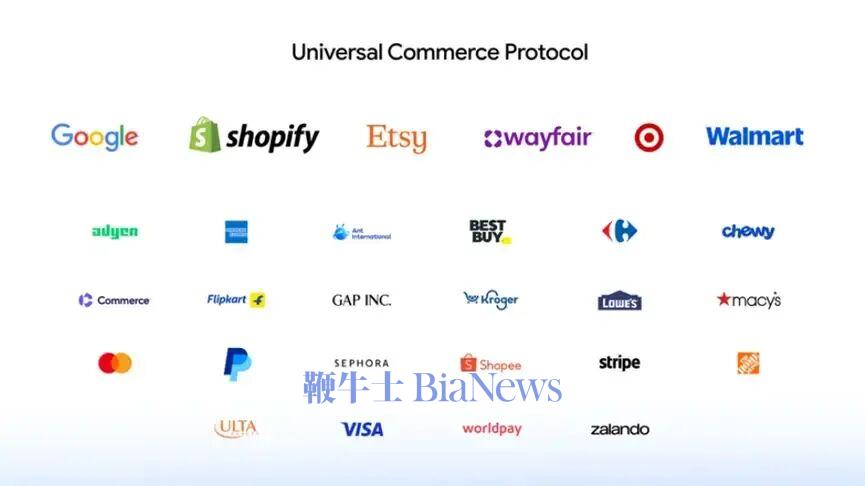
Core Insights - The launch of the Universal Commerce Protocol (UCP) by Google in collaboration with Shopify, Walmart, Target, Visa, and Stripe marks a significant shift in the e-commerce industry towards a new era of "conversation as transaction" [1][6][11] - Traditional e-commerce giants are facing immediate challenges as the UCP aims to standardize interactions that were previously controlled by centralized platforms [2][4][8] Group 1: UCP Overview and Implications - UCP is not just an API specification; it aims to create a universal language for e-commerce transactions, allowing AI agents to interact seamlessly with merchant systems [6][10] - The protocol threatens centralized e-commerce platforms by reducing the necessity for consumers to visit sites like Amazon or Taobao, as they can interact directly with AI agents [6][8] - UCP redefines human-computer interaction from a graphical interface to an intent-based interface, potentially diminishing the value of traditional platform features like homepage traffic and personalized recommendations [8][11] Group 2: Strategic Responses from Major Players - Amazon's absence from the UCP alliance signals a strategic choice to maintain its closed ecosystem, focusing on internal AI developments and reinforcing its control over its platform [13][14] - In contrast, Alibaba's Ant International actively embraces UCP, leveraging its extensive commercial ecosystem and payment capabilities to support AI-driven business growth [19][21] - The differing strategies highlight a fundamental divergence: Amazon seeks to fortify its existing model, while Alibaba aims to become a foundational infrastructure provider within the new open ecosystem [25][31] Group 3: Future Competitive Landscape - The competition in e-commerce will evolve across three levels: entry points dominated by AI assistants, infrastructure provided by companies like Shopify and Ant International, and the transformation of product information and service capabilities to be AI-friendly [27][28][29] - The UCP's establishment signals a shift from platform-centric competition to a broader contest over who can define the next generation of consumer interactions [29][39] - The future of commerce will require businesses to prepare for AI agents, marking a transition from an "attention economy" to an "intention economy" [40][41]