工业克苏鲁

Search documents
产业大模型,跑出一只“水下独角兽”
3 6 Ke· 2025-12-29 02:03
Core Insights - The article discusses the rise of the term "Industrial Cthulhu," reflecting on the significant advancements in industrial value in the U.S. and China, highlighting the latter's dominance in global industrial output [4][5][24] - It emphasizes the challenges and opportunities in integrating artificial intelligence (AI) into industrial processes, particularly through the example of the Smart Institute, a subsidiary of China National Building Material Group [10][25] Group 1: Industrial Value and Global Standing - In 2024, the U.S. industrial value reached a historic high of $374 billion, with manufacturing value at $291 billion, while Germany and Japan's industrial values were $98 billion and $93 billion, respectively, significantly lower than the U.S. [4] - China achieved an industrial value of 40.5 trillion RMB (approximately $5.69 trillion) in 2024, maintaining its position as the world's largest industrial nation, accounting for over 30% of global output [5] - In heavy industries like cement, China produced 1.825 billion tons in 2024, nearly 50% of global production, marking 39 consecutive years at the top [7] Group 2: AI Integration in Industry - The Smart Institute has developed an industrial AI model that optimizes production processes, reducing cement production costs by an average of 2 RMB per ton, generating significant economic benefits for factories [9][10] - The institute has established a standardized implementation plan for AI applications, expanding its services to 66 factories in 2024 and aiming for over 100 by 2025 [11] - The challenges of implementing AI in industrial settings include data handling, understanding complex business logic, and ensuring stability and low error rates in production environments [17][18] Group 3: Future Directions and Innovations - The Smart Institute aims to further develop AI applications to help reduce cement production costs by 3-5 RMB per ton, with a projected payback period of under one year [18] - The integration of AI in industrial processes is seen as essential for enhancing productivity and addressing the pressures of rising costs and environmental regulations [24][25] - The article concludes that AI must be deeply rooted in industrial practices to unlock its full potential and drive a new wave of industrial revolution [25]

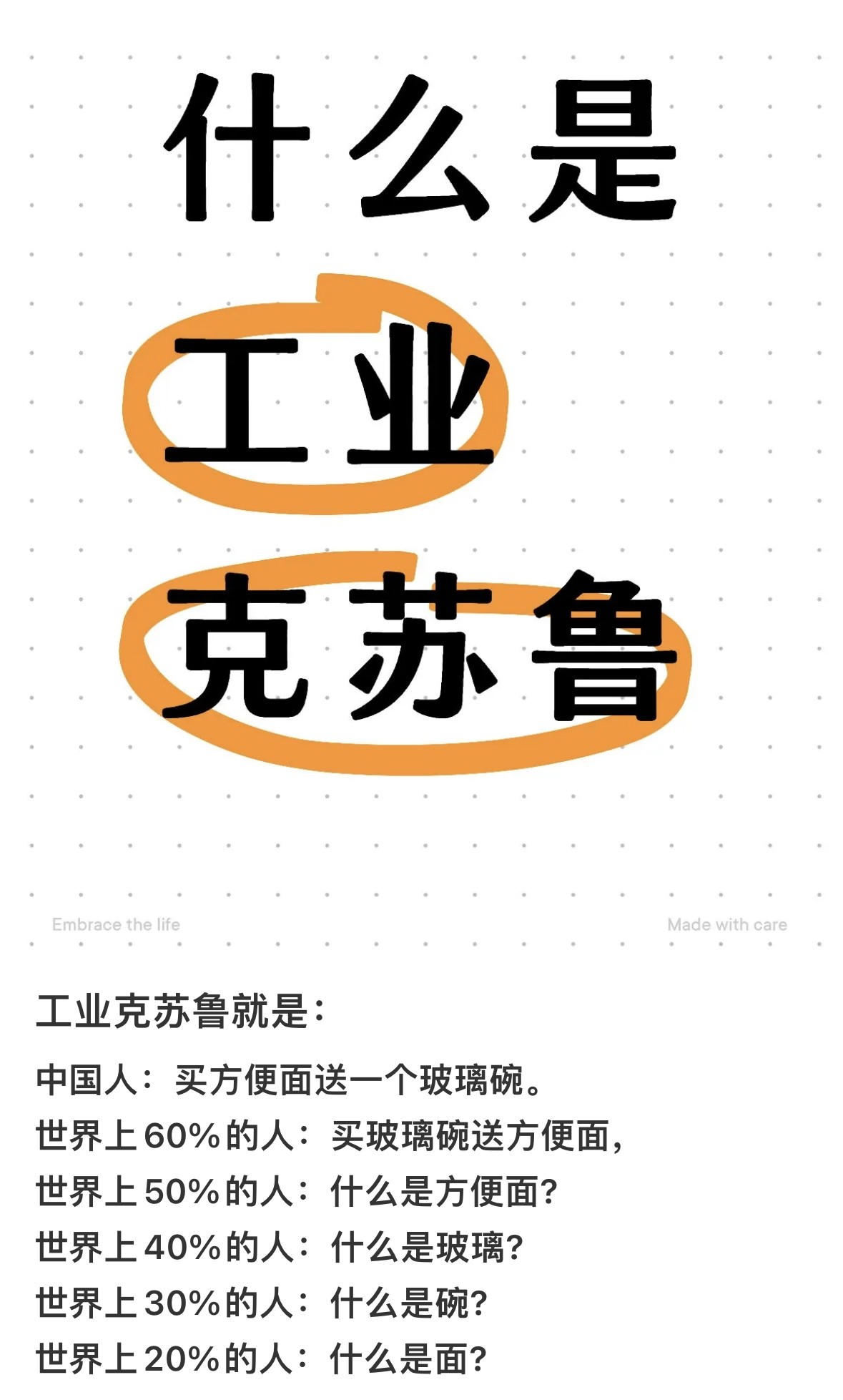
工业克苏鲁,中国想从世界买什么?
虎嗅APP· 2025-12-03 10:22
Core Viewpoint - The article discusses the implications of China's self-sufficiency in manufacturing and its reluctance to engage in international trade, raising questions about the future of global trade dynamics and the concept of "Industrial Cthulhu" [4][8]. Group 1: Trade Dynamics - The author highlights that during a recent trip to mainland China, the prevailing sentiment was a lack of interest in imports, as China is capable of producing everything it needs more efficiently and at lower costs [7]. - The article questions the existence of trade if the largest seller, China, is not interested in buying from others, suggesting a potential shift in global trade paradigms [8]. - The author notes that the current trade surplus for China reached $3.3 trillion by the end of October, indicating a significant imbalance in trade relationships [16]. Group 2: Industrial Innovation - The article emphasizes China's rapid advancements in various sectors, including electric vehicles, photovoltaics, and AI, showcasing its transition from a manufacturing hub to an innovation leader [12]. - It mentions that the cost of hardware for autonomous vehicles in China is less than one-third of that in the U.S., highlighting China's competitive edge in technology [12]. - The article also points out that Western pharmaceutical companies are increasingly investing in Chinese firms, recognizing their potential in innovative drug development [12]. Group 3: Economic Challenges - The author discusses the risks associated with China's high trade surplus, including the potential for increased financial risk and inefficiency in overseas dollar assets [16]. - The article suggests that China's reliance on its status as the "world's factory" may hinder the internationalization of the renminbi, as the country imports less and maintains a singular channel for offshore assets [17]. - It raises concerns about the long-term sustainability of China's economic model, which may lead to a vicious cycle of trade imbalances and reduced global competitiveness [16][17]. Group 4: Future Considerations - The article proposes a shift in narrative from a zero-sum game in trade to a collaborative approach, suggesting that countries should work together and share benefits rather than compete solely on buying and selling [18]. - It emphasizes the need for a new framework that transforms the "world factory" concept into a "world workshop + world testing ground," which could foster innovation and cooperation [18].
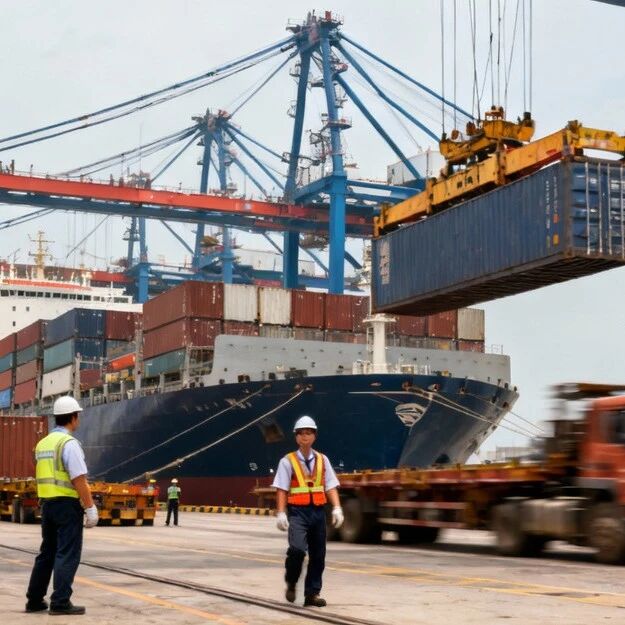
一觉醒来,我们成“工业克苏鲁”了
3 6 Ke· 2025-05-29 02:38
Core Viewpoint - The article draws a parallel between the concept of "Cthulhu" in literature and China's manufacturing industry, suggesting that China's manufacturing capabilities are vast, complex, and often misunderstood, akin to the ancient gods in Lovecraft's mythos [3][6]. Group 1: Manufacturing Cost Dynamics - The article highlights that the low prices of Chinese manufactured goods, such as a disposable lighter costing around 0.47 yuan each, are not due to low manufacturing costs but rather due to innovative business models that focus on advertising revenue rather than product sales [6][8]. - It argues that foreign manufacturing is expensive not because of production costs but due to high brand premiums and inefficiencies in non-manufacturing processes [6][7]. - The example of GoPro illustrates how Chinese manufacturers have successfully reduced costs by utilizing reverse engineering and modular manufacturing, allowing them to create similar products at significantly lower prices [8][9]. Group 2: Reverse Innovation and Supply Chain - Chinese manufacturers have adopted "reverse innovation" strategies, allowing them to bypass patent barriers by developing alternative technologies that achieve similar functionalities without infringing on existing patents [8][9]. - The modular manufacturing approach in China enables rapid assembly of products using standardized components, which contrasts with the custom manufacturing processes often used by Western brands [11][12]. - The article emphasizes the strength of China's supply chain, particularly in Shenzhen, where a dense network of suppliers and manufacturers facilitates quick and cost-effective production [13][16]. Group 3: R&D Efficiency - The article discusses how China's engineering workforce, which numbers around 4 million, allows for high efficiency in research and development, enabling rapid product iterations and market responsiveness [19][20]. - It contrasts the slow and costly R&D processes in Western companies, where high salaries and small teams hinder innovation speed, with China's ability to quickly develop and test new products [18][19]. - The success of companies like DJI in the drone market exemplifies how rapid iteration and a full-chain engineering approach can lead to significant market share and competitive pricing [20][22]. Group 4: Market Impact and Consumer Perception - The rise of Chinese manufacturing has disrupted the market for high-end products, making previously luxury items accessible to a broader consumer base [23][26]. - The article likens the current competition between Chinese manufacturers and Western luxury brands to the historical conflict between artisanal guilds and emerging factories, highlighting the shift in consumer perception regarding product value and pricing [25][26]. - It concludes that the success of Chinese manufacturing reveals inefficiencies in traditional high-end production processes, prompting consumers to reassess what constitutes true value in products [26][27].