
茶咖

Search documents
工业遗存焕新记
Xin Lang Cai Jing· 2026-02-07 23:55
Core Viewpoint - The revitalization of industrial heritage sites in Nanping, particularly through the establishment of the Nan Paper 1958 Entrepreneurship Park and the "Yuanping 1958 Shiguang Station" railway park, is transforming these areas into vibrant cultural and economic hubs, attracting both local residents and tourists [2][4]. Group 1: Nan Paper 1958 Entrepreneurship Park - The Nan Paper 1958 Entrepreneurship Park has been developed to preserve the historical industrial landscape while fostering new business activities, with 25 enterprises currently operating within the park [4]. - The park serves as a significant symbol of Nanping's industrial history, marking the year 1958 when the Nan Paper factory was established, and it has become a focal point for community engagement and economic activity [3][4]. - The park has attracted various businesses, including a high-end knitwear company, which has seen a surge in orders, indicating a positive economic impact on the local community [3]. Group 2: Railway Park Development - The "Yuanping 1958 Shiguang Station" railway park, a 550-meter long green space, has been created from the former Nan Paper dedicated railway line, which ceased operations in 2018 [4][5]. - The park features a blend of historical and modern elements, including restored railway tracks, cultural walls, and landscaped areas, aimed at enhancing the urban environment and providing recreational space for residents [5]. - The transformation of the railway area involved community collaboration, resulting in the removal of illegal structures and the improvement of the local landscape, thereby addressing previous urban decay [5].


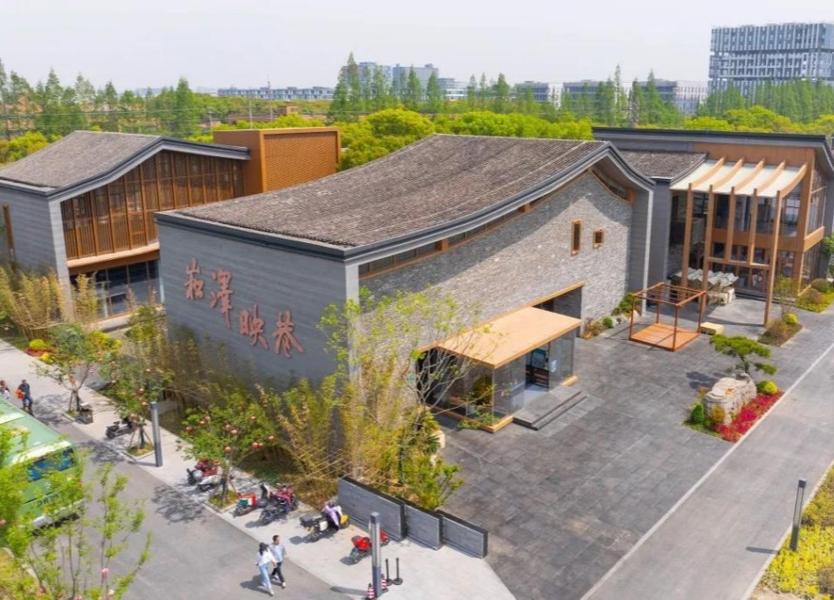
青浦奥莱联动周边乡村打造“环奥莱商旅秀带” 让“购物流量”再变“乡村留量”
Jie Fang Ri Bao· 2026-01-13 01:45
Core Insights - The article discusses the development of a "Ring Outlet Business Travel Show Belt" in the Zhao Xiang Town of Qingpu District, aimed at transforming shopping into immersive experiences and extending consumer stay in the area [2][3][6]. Group 1: Business Development - The Jingbo Qinhan (Fangxia) Fashion Center has seen a 16% increase in output since its establishment two years ago, expanding its customer base from Zhao Xiang Town to the surrounding Yangtze River Delta region [2]. - Qingpu Outlet has ranked first in national outlet sales for 11 consecutive years, with 644,000 visitors recorded during the 2022 National Day and Mid-Autumn Festival holiday [3][9]. - The construction of the second phase of Qingpu Outlet is underway, expected to be completed this year, which will increase the total area to 200,000 square meters, making it the largest outlet in Asia [9]. Group 2: Consumer Experience - The "Ring Outlet Business Travel Show Belt" aims to convert shopping into a starting point for immersive consumption experiences, linking various themes and enhancing consumer engagement [3][6]. - The integration of local villages with the outlet aims to create a seamless experience for consumers, offering unique dining and accommodation options that complement the outlet's offerings [7]. - Various immersive consumption activities have been organized, such as the "Summer QU Qingpu" event, which includes cultural and recreational activities to attract visitors [4]. Group 3: Strategic Partnerships - Qingpu Outlet is collaborating with local villages like Hemu Village to offer joint promotions, such as transportation services and discounts for consumers who shop at the outlet and stay at local accommodations [7]. - Future plans include integrating resources from surrounding villages to create a unified brand for local products and services, enhancing the overall consumer experience [8]. - The development of a comprehensive tourism program is underway, which will include a mini-program for event calendars, route planning, and booking services [8].
库迪咖啡获评2025年度全球化先锋企业
Di Yi Cai Jing· 2025-12-26 09:38
Core Insights - Kudi Coffee has been recognized as a "Global Pioneer Enterprise" in the "2025 EDGE AWARDS Global Innovation Selection" for its breakthrough achievements in globalization, supply chain strength, and business innovation [1] - The company is transitioning from being a "global participant" to a "global rule contributor," leveraging its operations in 33 countries and over 18,000 stores to integrate China's manufacturing efficiency with global consumer demand [1] Group 1: Global Supply Chain and Production Capacity - Kudi Coffee is constructing a global supply chain base in Anhui, covering over 400,000 square meters, which includes green bean storage, coffee roasting, food ingredients, and packaging materials [1] - The second phase of the roasting project features four Italian Brambati 600 kg intelligent roasting machines, with an annual processing capacity of 75,000 tons of green beans, supporting a peak supply of 10 million cups per day [1] - The upcoming super factory will be the largest and most intelligent comprehensive factory in the global coffee industry, further enhancing Kudi Coffee's manufacturing capabilities [1] Group 2: Product Innovation and Market Adaptation - Kudi Coffee is expanding beyond traditional coffee products by introducing a diverse product matrix including fruit coffee, tea coffee, and milk coffee to meet the varied demands of young consumers [2] - The company emphasizes its brand philosophy that "good coffee comes from good raw materials," establishing global sourcing partnerships with coffee bean-producing regions in Colombia, Rwanda, and Uganda [2] Group 3: Brand Influence and Cultural Integration - Kudi Coffee's globalization strategy includes not just store expansion but also a comprehensive output of brand influence, moving from "product export" to "value export" through top-tier events and IP collaborations [2] - As a global sponsor of the Argentina national football team, Kudi Coffee leverages the sport's influence to reach millions of fans, while also collaborating with popular IPs like "Nezha 2" and "Detective Conan" to integrate Chinese brand concepts into overseas markets [3] - Recent collaborations with fashion designer Hubert Barrère for a Christmas-themed project have garnered recognition in both the global fashion and coffee industries, showcasing Kudi Coffee's innovative marketing strategies [3]
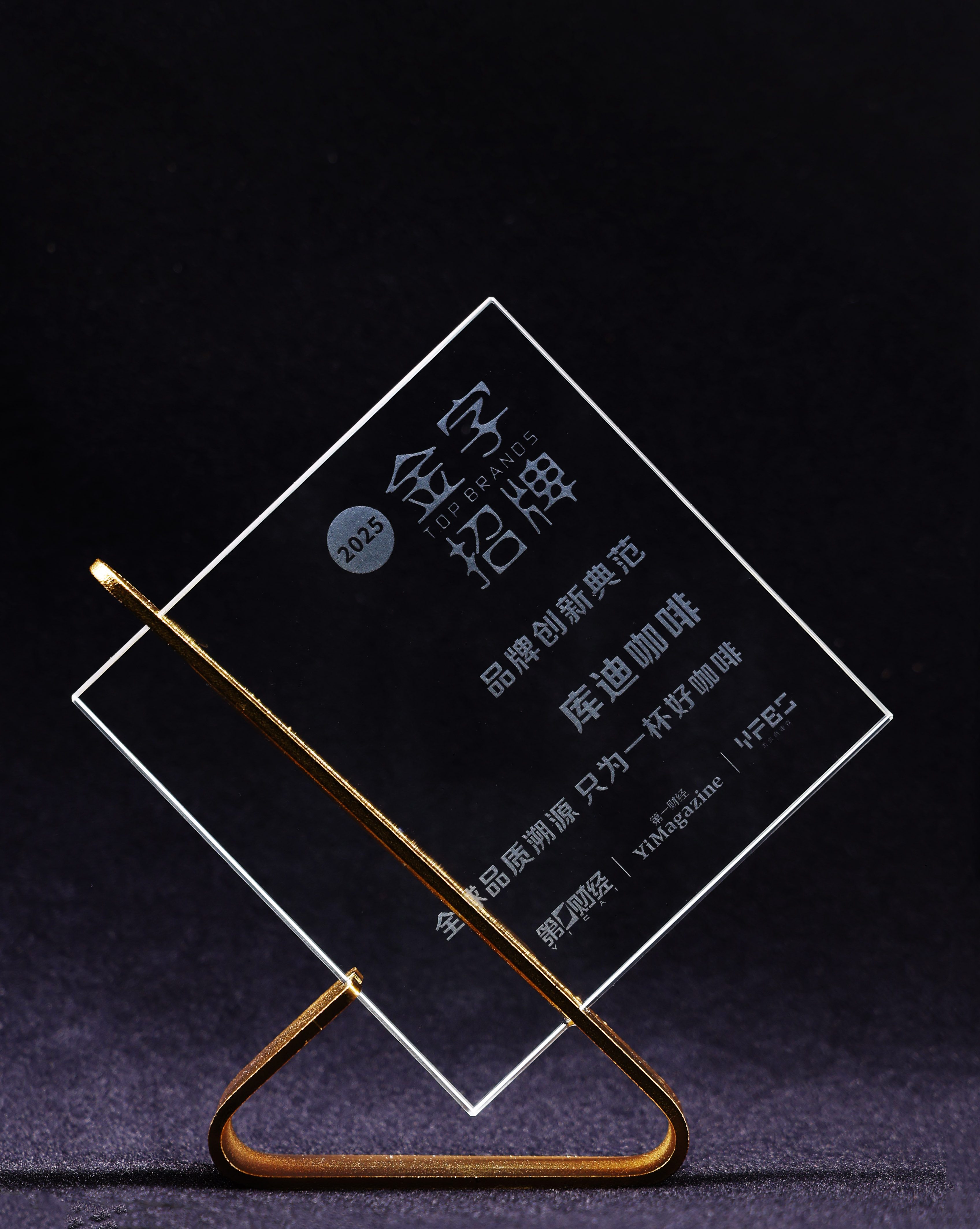
库迪咖啡获评《第一财经》杂志2025年金字招牌品牌创新典范
Di Yi Cai Jing· 2025-10-30 06:31
Core Insights - Kudi Coffee has been recognized as a "Gold Signboard" brand innovation model by "First Financial" magazine for its exceptional product quality, innovative market strategies, and broad market recognition [1][5] Brand Recognition - The "Gold Signboard" list is one of the most credible consumer market opinion surveys in China, selected by consumer votes, and has been held for 17 consecutive years [5] - Kudi Coffee's inclusion in the list demonstrates its brand strength and influence in the coffee market, with over 18,000 global stores across 33 countries and regions, ranking third among global coffee brands [5] Product Strategy - Kudi Coffee aims to make coffee enjoyment easy for users, supported by a large store network and an innovative product system that covers diverse consumption scenarios [5] - The company has introduced various flavored beverages, such as milk coffee, tea coffee, and fruit coffee, appealing to mainstream young consumers and redefining coffee consumption choices [5][6] Supply Chain and Quality - Kudi Coffee emphasizes quality through a comprehensive supply chain, establishing a global supply chain base in Anhui with over 400,000 square meters, including a super factory with a processing capacity of 75,000 tons of green beans annually [6] - The company collaborates with raw material production areas in Yunnan, Shanxi, and Rwanda to ensure high-quality supply, sourcing coffee beans from Ethiopia, Colombia, Brazil, and Yunnan, China [6] Cultural Engagement - Kudi Coffee enhances its brand image by integrating cultural elements and popular IPs, connecting with younger audiences and establishing deeper emotional links with consumers [7] - The brand's influence extends beyond coffee, collaborating with major events like the 2025 WTT China Grand Slam and the 2025 League of Legends World Championship, showcasing its recognition across various sectors [7] Future Outlook - Kudi Coffee plans to deepen its brand influence by leveraging its global supply chain and expanding its store network, aiming to create a "coffee + trendy play" ecosystem that resonates with Generation Z [8]
营收吊打星巴克!瑞幸翻身了
Ge Long Hui· 2025-08-03 10:02
Core Viewpoint - Luckin Coffee has shown remarkable recovery and growth amidst the ongoing price war in the coffee and tea industry, achieving significant revenue and profit increases in the second quarter of 2024 [1][3]. Financial Performance - In Q2 2024, Luckin Coffee's total net revenue reached 12.359 billion yuan, a year-on-year increase of 47.1%, marking the highest growth rate in the past four quarters [1]. - Operating profit surged by 61.8% year-on-year to 1.7 billion yuan [1]. - The company's stock price has doubled over the past year and increased 30 times from its lowest point in 2020 [1]. Market Dynamics - The second quarter of 2024 saw a significant price war initiated by three major delivery platforms, leading to historically low beverage prices [3]. - Despite the price war, Luckin Coffee has emerged as a strong competitor, with a gross merchandise volume (GMV) growth of 46% to 14.2 billion yuan [5]. - Self-operated store revenue accounted for 74% of total net revenue, reaching 9.14 billion yuan, a 45.6% year-on-year increase [5]. Store Expansion - Luckin Coffee opened 2,109 new stores in Q2 2024, bringing the total number of stores to 26,206 [9]. - The company has opened nearly 4,000 new stores in the first half of 2024, compared to just over 2,000 in the second half of the previous year [9]. Competitive Landscape - Compared to Starbucks, which reported a net income of 5.68 billion yuan for the same period, Luckin's performance is notably superior [10]. - The coffee market in China has seen significant changes, with Luckin Coffee surpassing Starbucks in annual revenue for the first time in 2023 [19]. Industry Trends - The boundaries between coffee and tea markets are blurring, with brands like Luckin actively introducing tea-based products to attract a broader customer base [20]. - The industry is shifting from aggressive expansion to a focus on operational efficiency and brand differentiation, as evidenced by recent changes in branding among leading tea brands [29]. Cost Challenges - Operating costs, particularly rent, have surged, with a 65% year-on-year increase in 2024, reaching 8.541 billion yuan, which poses challenges to the sustainability of the low-price strategy [23]. - The company has faced pressures to control costs while maintaining competitive pricing amidst rising operational expenses [30].

营收吊打星巴克!瑞幸翻身了
格隆汇APP· 2025-08-03 09:06
Group 1 - The core viewpoint of the article highlights that Luckin Coffee has successfully navigated the challenges posed by the fierce price wars in the coffee and tea industry, achieving significant revenue growth and market presence [2][3][8] - In Q2, Luckin Coffee reported total net revenue of 12.359 billion yuan, a year-on-year increase of 47.1%, marking the highest growth rate in the past four quarters [3][10] - The company's operating profit surged by 61.8% year-on-year to reach 1.7 billion yuan, reflecting its strong performance amidst the competitive landscape [3][10] Group 2 - Luckin Coffee's stock price has doubled over the past year, and since its lowest point in 2020, it has increased by 30 times [4][10] - The company has aggressively expanded its store count, adding 2,109 new stores in a single quarter, bringing the total to 26,206 stores by the end of Q2 [15][10] - Compared to Starbucks, which reported net revenue of 5.68 billion yuan for the same period, Luckin's performance stands out significantly [16][10] Group 3 - The article discusses the impact of the ongoing price war initiated by major delivery platforms, which has led to historically low beverage prices [9][10] - Luckin Coffee has benefited from this price war, with its gross merchandise volume (GMV) increasing by 46% year-on-year to 14.2 billion yuan [10][10] - The company has also seen a rise in same-store sales, with a 13.4% year-on-year increase in self-operated stores [10][10] Group 4 - The article notes that the coffee market in China has undergone significant changes, with Luckin Coffee surpassing Starbucks in annual revenue for the first time in 2023 [29][30] - The coffee and tea markets are increasingly converging, with brands like Luckin actively introducing tea-based products to attract a broader consumer base [31][30] - The competitive landscape is shifting towards a focus on brand differentiation and operational efficiency, as companies face rising costs and market saturation [50][51] Group 5 - The article emphasizes the challenges that Luckin Coffee and the broader beverage market will face in the future, particularly in terms of cost control and maintaining brand value [56][57] - The increase in delivery orders has created both opportunities and challenges for Luckin, as it must manage rising delivery costs while expanding its consumer base [55][56] - The need for long-term strategies to enhance brand loyalty and consumer engagement is highlighted as a critical focus for Luckin and the industry as a whole [57][56]

链博会观察|一杯茶的沉浮 健康理念让传统文化“沏”出新味道
Bei Ke Cai Jing· 2025-07-19 01:38
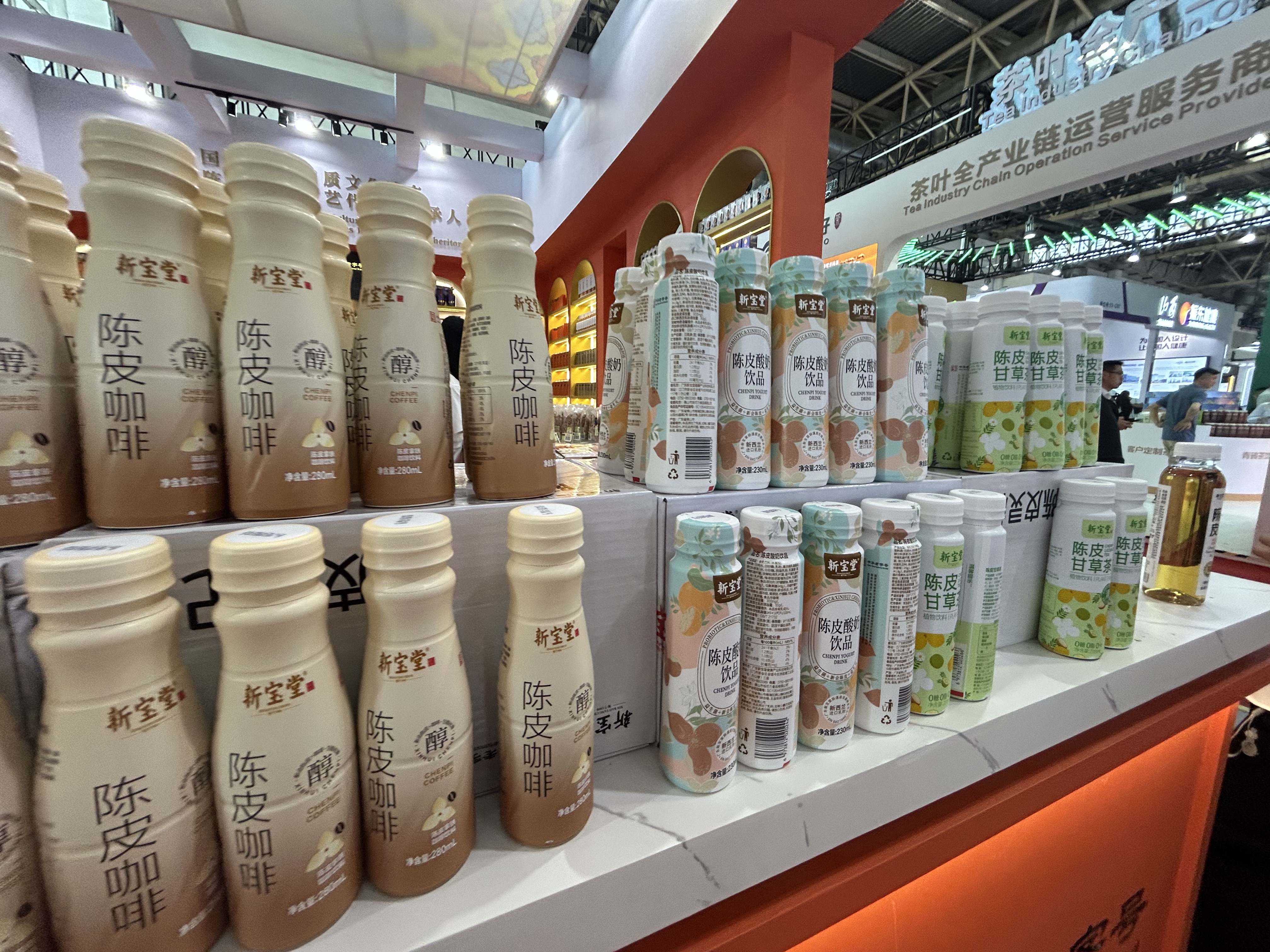
Core Insights - The tea industry in China is experiencing a transformation driven by health-conscious trends and the younger demographic, with the market expected to exceed 530.96 billion yuan by 2028 [2][5] - Traditional tea culture is evolving, with companies shifting from simple cultivation and wholesale to a full industry chain approach, focusing on product development and deep processing [3][4] Industry Trends - The demand for ready-to-drink tea beverages and innovative products like tea-flavored ice cream and beer is on the rise, reflecting a shift in consumer preferences [1][20] - The competition in the tea market has intensified, leading to issues like overproduction and product homogenization, prompting companies to innovate [5][6] Company Strategies - Companies like Hubei Tea Group are expanding their operations to include product research and development, creating a variety of tea derivatives and establishing marketing channels both domestically and internationally [7][8] - New Bao Tang, a century-old brand, has developed a complete industry chain around Chenpi (dried tangerine peel), integrating cultivation, processing, and retail [9][14] Market Opportunities - The rise of health-oriented tea products is creating new opportunities for tea and herbal medicine companies, with many now serving as suppliers for ready-to-drink brands [16][22] - The increasing popularity of health drinks has led to a significant rise in the number of related enterprises, with a reported 6.1 times increase in registrations for health tea companies compared to the previous year [22] Consumer Preferences - The integration of traditional tea with modern health concepts is appealing to consumers, as evidenced by the popularity of products like herbal teas and functional beverages [24][27] - Companies are recognizing the need to diversify their product offerings to meet the evolving demands of consumers, moving towards functional and personalized tea products [27][29]
中餐离世界级品牌还有多远
Jing Ji Ri Bao· 2025-07-09 00:08
Group 1 - The core viewpoint of the articles highlights the rapid expansion of Chinese restaurant brands overseas, with a significant increase in the number of Chinese restaurants globally, reaching nearly 300,000 from 2019 to 2024 [1] - The motivation for this expansion is driven by the potential of the international market, which offers new opportunities compared to the highly competitive domestic market [1] - Current trends show that Chinese restaurants are moving towards branding and chain development, aiming to break the cycle of having many types of cuisine without strong brand recognition [1] Group 2 - Challenges faced by Chinese brands in international expansion include supply chain issues, localization, and standardization, which are critical for successful overseas operations [2] - The process of adapting to local markets is essential for survival, as demonstrated by Panda Express, which modified traditional dishes to cater to American tastes while maintaining a balance between authenticity and localization [3] - The ultimate goal of Chinese cuisine's international expansion is to serve as a cultural ambassador, conveying Chinese values and lifestyle through food, thus enhancing global influence and recognition [3]
开源证券晨会-20250623
KAIYUAN SECURITIES· 2025-06-23 14:41
Macro Economic Overview - Industrial production remains resilient, with overall industrial activity at a historically high level despite weak construction demand and fluctuating automotive and home appliance sales [3][4]. - Recent data indicates that construction starts are low, with cement shipments at historical lows, while industrial production remains strong, particularly in the chemical sector [3]. - The demand side shows weakness in construction, with lower apparent demand for rebar and building materials compared to historical levels [3]. Agricultural Sector - The poultry market is entering a seasonal downturn, leading to potential short-term pressure on chicken prices. In May, the average price for white feather broilers was 7.41 yuan/kg, with a slight decrease from the previous month [7][8]. - The inventory levels for breeding chickens are relatively high, indicating sufficient supply despite the pressure on prices [7]. - Egg prices are expected to decline further in June due to weak terminal demand and high supply pressure, with the average wholesale price for eggs dropping significantly [8][9]. Semiconductor Industry - The domestic high-end semiconductor packaging leader, Shenghe Jingwei, has entered the guidance acceptance phase for its IPO, focusing on advanced packaging materials [13][14]. - The global semiconductor packaging materials market is projected to grow, with a current domestic localization rate of around 15% for semiconductor materials [15]. - Key materials for advanced packaging are being closely monitored, with several domestic companies positioned to benefit from the localization of these materials [15][16][17]. Chemical Industry - The solid-state battery industry is experiencing accelerated industrialization, supported by favorable policies and advancements in high-performance materials [20][21]. - The demand for solid-state batteries is increasing, with several companies making significant progress in material production and technology [22][23]. - The industry is expected to reach a commercialization inflection point by 2030, with ongoing developments in production capabilities and material costs [21][22]. Consumer Services Sector - The 618 shopping festival showed strong performance in instant retail, with significant growth in sales for tea and coffee brands, indicating a recovery in consumer spending [25][26]. - The beauty and personal care sector also saw stable growth during the 618 period, with major e-commerce platforms reporting substantial sales figures [27]. - The overall consumer services index has underperformed the broader market, highlighting competitive pressures within the sector [28]. Pharmaceutical Industry - Zhongsheng Pharmaceutical is focusing on traditional Chinese medicine while innovating in drug development, with a robust pipeline expected to drive future growth [33][34]. - The company has established a sustainable business model that integrates innovative drugs with traditional Chinese medicine, positioning itself well in the market [34]. - The projected net profits for Zhongsheng Pharmaceutical are expected to grow steadily from 3.08 billion yuan in 2025 to 3.92 billion yuan by 2027 [33][34].

国潮茶消费的破圈密码
Zhong Guo Chan Ye Jing Ji Xin Xi Wang· 2025-05-28 06:55
Core Insights - The tea consumption landscape in China is undergoing a transformation driven by "Guochao" (national trend), with innovative tea products and cultural experiences attracting younger consumers [1][2] - The essence of this transformation is the reinterpretation of traditional culture through contemporary language, requiring the tea industry to shift from being mere "tea suppliers" to "cultural translators" [1][3] Group 1: Cultural Deconstruction - The integration of traditional cultural elements into modern contexts is essential, as seen in the transformation of literary spirits into aesthetic experiences in places like the Shunan Bamboo Sea [2] - Operators are encouraged to create a cultural elements database, modernizing traditional tea poetry, utensils, and rituals to resonate with younger audiences [2] Group 2: Consumer Experience Reconstruction - Successful examples like the Anji tea garden illustrate the concept that "scene equals product," where tea gardens are transformed into interactive and shareable experiences [2] - The use of technology, such as AR, enhances storytelling and engagement, creating memorable experiences that surpass traditional advertising [2] Group 3: Value Chain Reinvention - Tea companies are urged to move beyond linear thinking of "agricultural products to beverages" and instead create an ecological loop of "cultural experience, social currency, and derivative consumption" [3] - The shift from tea culture as a "cultural heritage" to a "lifestyle" is crucial for breaking category boundaries and attracting consumers [3]