工作生活平衡

Search documents
2026年,调休终于彻底消失了
3 6 Ke· 2026-02-27 09:33
Group 1 - The core message of the news is the announcement that all statutory holidays in 2026 will align with weekends, significantly reducing the need for "adjusted work schedules" that have caused employee dissatisfaction [2][3] - The public's reaction reflects a deep-seated resistance to the current adjusted work schedule system, which has often required employees to work extended hours before or after holidays [3][5] - The new holiday arrangement is seen as a collective protest against the hidden overtime culture in modern workplaces, indicating a generational shift in workplace values towards prioritizing mental health and legal rights over traditional narratives of hard work [6][8] Group 2 - Companies that understand the importance of genuine rest for employees are likely to perform better financially, as the focus shifts from mere salary incentives to emotional value and benefits [9][11] - The trend towards more humane holiday policies is prompting a reevaluation of employer branding, with successful companies integrating work-life balance into their core values [9][12] - Innovative management practices, such as providing substantial transportation and accommodation subsidies for employees' families during holidays, are gaining popularity as they enhance employee satisfaction and loyalty [12]


就业难微观体感强烈?赵忠:就业阵痛期核心矛盾是结构性失衡
Nan Fang Du Shi Bao· 2026-01-23 11:12
Core Viewpoint - The average urban survey unemployment rate in China is projected to be 5.2% in 2025, indicating a stable employment situation at the macro level, but individuals are feeling significant employment pressure at the micro level. The core contradiction of current employment pressure lies in structural issues, exacerbated by technological advancements and economic changes, necessitating macro reforms and lifelong learning for resolution [1][4][5]. Macro Economic Indicators - The 2025 target for the urban survey unemployment rate is around 5.5%, and achieving a 5.2% rate is considered commendable given the current economic context. However, this figure does not fully capture the employment landscape, as different demographics and regions face varying employment pressures, highlighting the need for more comprehensive evaluation metrics beyond just unemployment rates [4][6]. Structural Employment Issues - The primary challenge is structural, particularly concerning skill mismatches. Economic transitions and technological advancements are creating and eliminating jobs, leading to a disconnect between existing workforce skills and new job requirements. This is compounded by regional disparities in labor supply and demand, as well as a mismatch between job offerings and job seekers' preferences, especially among the youth [6][7]. Youth Employment and Education - The number of college graduates is expected to reach 12.22 million in 2025, with a projected increase to 12.7 million in 2026. The key to ensuring youth employment lies in adapting educational programs to meet market demands. The government should implement targeted policies to encourage employers to hire graduates, while educational institutions must align their curricula with labor market needs [9][10]. Age Discrimination and Career Development - The "35-year-old employment crisis" reflects a broader societal issue where workers face career stagnation and increased competition from younger individuals. This demographic often bears family pressures, making job transitions challenging. Addressing this requires collaborative efforts from society, businesses, and individuals to create equitable employment opportunities and promote lifelong learning [10][11]. Work-Life Balance and Employment Quality - There is a growing emphasis on work-life balance among younger generations, with a shift in focus towards the quality of employment rather than just job availability. The government has recognized the importance of high-quality employment, which includes maintaining a balance between work and personal life as a fundamental aspect of job quality [14][16]. AI and Employment Dynamics - The rapid advancement of AI technology poses both challenges and opportunities for employment. While some jobs may be at risk of automation, new roles are also emerging. The key lies in how AI is integrated into the workforce, emphasizing the need for continuous learning and adaptation among workers to remain competitive in an evolving job market [22][23].

2026年的首尔:政府花80万求你休息,财阀却在逼你卖命
3 6 Ke· 2026-01-07 07:53
Group 1 - The South Korean government has implemented a "4.5-day workweek" to address low birth rates and encourage young people to re-engage with the workforce, offering financial incentives to companies that reduce working hours [2][4] - In Hanam City, civil servants benefit from this policy, allowing them to leave work early on Fridays, which challenges the traditional work culture in East Asia [4][11] - Conversely, executives in large corporations face increased pressure, often working under "emergency management modes" that require them to work on Saturdays, leading to a sense of "high-paid slavery" [5][7] Group 2 - Many young South Koreans are opting for "pure rest," with 590,000 choosing not to work, study, or seek employment in 2025, indicating a disconnect between government incentives and actual engagement [4][12] - There is a growing trend among middle management to avoid promotions due to the associated risks and loss of work-life balance, with some preferring to remain in stable positions that offer legal protections [10][11] - The situation in South Korea reflects broader trends in East Asia, where companies are shifting pressures upward, leading to a re-evaluation of career paths and the value of work-life balance [12]

留学去新西兰干体力活,治好年轻人的工作内耗
Hu Xiu· 2025-07-12 01:57
Core Insights - The narrative of "prestigious schools changing destiny" is losing its appeal among Chinese students studying abroad, as they prioritize personal development paths over the pursuit of elite institutions [1][4] - There is a noticeable shift in the preferences of international students, who are increasingly considering quality of life, job stability, and growth opportunities over traditional prestigious universities [2][5] Group 1: Changing Preferences in Education - International students are now looking towards less conventional countries and programs, valuing practical skills and personal growth over academic prestige [2][5] - The education landscape is diverging into two paths: one focused on elite education with an emphasis on academic reputation, and another prioritizing practical skills and individual development [5][37] Group 2: Individual Stories Reflecting New Trends - Wu Shuang, a student in New Zealand, shifted from a traditional view of success to a more grounded lifestyle, finding fulfillment in practical work in the wine industry [7][13] - Sue transitioned from a stable banking career in China to a public service role in New Zealand, emphasizing the importance of personal growth and meaningful work [14][20] - Josh, who studied landscape design, found a new direction in nursing, highlighting the importance of being needed and respected in his work [22][27] - Arabella, inspired by her experiences in a homestay, pursued a career in early childhood education, reflecting the growing interest in meaningful and culturally integrated professions [28][35] Group 3: Broader Implications for the Workforce - The current generation of students is redefining "decent living" to include values such as fulfillment, achievement, and work-life balance, moving away from the traditional markers of success [37] - The shift in values among young professionals indicates a broader trend towards seeking tangible, respected, and meaningful work experiences, as seen in the New Zealand education model [37]

比上海还老钱的城市,挤满提前退休的中产
36氪· 2025-06-12 23:38
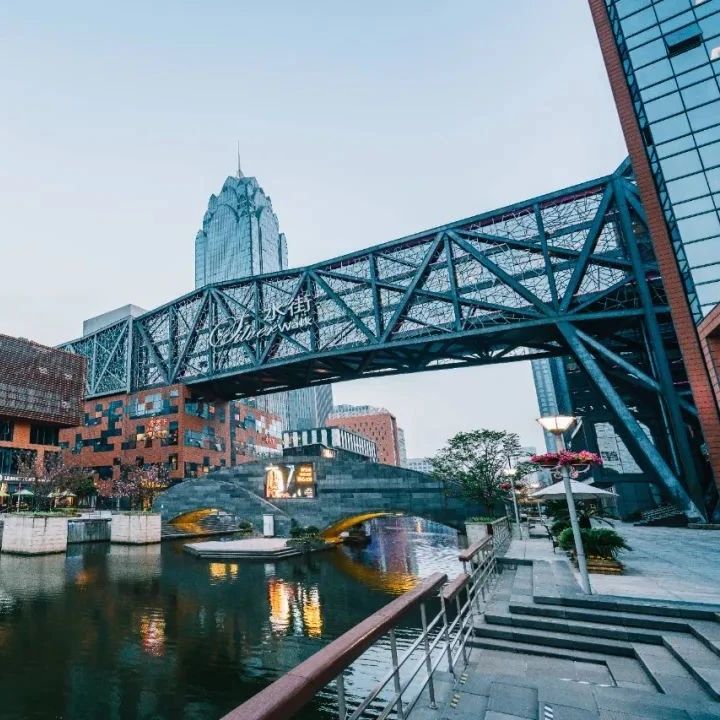
Core Viewpoint - Ningbo is emerging as a desirable relocation destination for young professionals and urban middle-class individuals seeking a balanced lifestyle, offering a combination of affordability, quality of life, and job opportunities [4][10][18]. Group 1: Living Conditions and Affordability - Ningbo's housing prices are relatively low, with an average price of around 20,000 yuan per square meter, making it more competitive compared to cities like Hangzhou and Shanghai [22]. - The city offers a relaxed lifestyle with access to nature, including parks and lakes, which contributes to a sense of well-being among residents [6][11]. - Young people moving to Ningbo can enjoy a comfortable life without the financial strain often associated with larger cities, as they can find affordable housing and a lower cost of living [18][28]. Group 2: Job Opportunities and Incentives - Ningbo has a robust manufacturing and foreign trade sector, providing ample job opportunities for newcomers [15]. - The city offers attractive talent subsidies, including a rental subsidy of 10,000 yuan per year for up to three years for those under 35 who meet certain criteria [15][21]. - Higher education qualifications can lead to significant one-time talent bonuses, making it financially appealing for young professionals to relocate [15][21]. Group 3: Lifestyle and Cultural Aspects - Residents in Ningbo experience a slower pace of life, with a focus on work-life balance, allowing them to engage in leisure activities and enjoy their surroundings [36]. - The local culture emphasizes a relaxed lifestyle, with entertainment options that include outdoor activities rather than nightlife, contributing to a healthier lifestyle [28][36]. - The city is characterized by a strong sense of community and a focus on education, with parents valuing their children's upbringing and educational opportunities [40].
比上海还老钱的城市,挤满提前退休的中产
创业邦· 2025-06-05 10:33
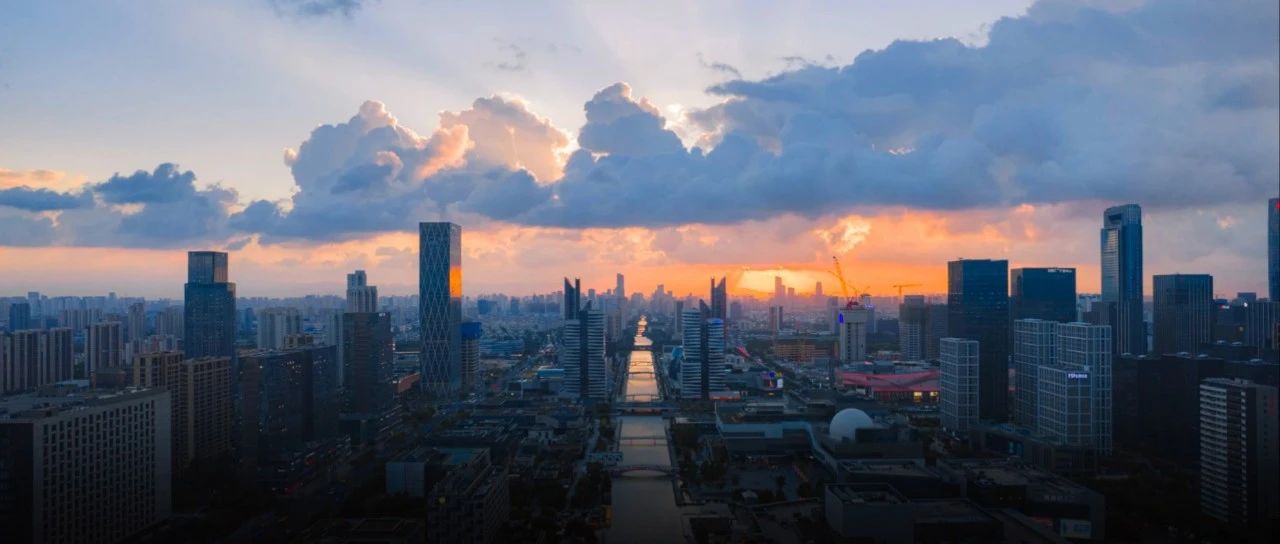
Core Viewpoint - The article discusses the rising popularity of Ningbo as a desirable relocation destination for young professionals and urban middle-class individuals seeking a better work-life balance and a more relaxed lifestyle compared to major cities like Beijing and Shanghai [3][5][10]. Summary by Sections Living Conditions - Ningbo is characterized by its affordable housing, with an average price of around 20,000 yuan per square meter, making it more accessible than cities like Shanghai and Hangzhou [15][26]. - The city offers a pleasant living environment with natural scenery, including lakes and parks, contributing to a relaxed lifestyle [5][11]. Economic Opportunities - Ningbo has a robust manufacturing and foreign trade sector, providing ample job opportunities for young professionals [10][18]. - The city offers attractive talent subsidies, including a rental subsidy of 10,000 yuan per year for up to three years for individuals under 35 who have paid social insurance for six months [10][15]. Lifestyle and Culture - Residents of Ningbo enjoy a slower pace of life, with a focus on work-life balance, where work occupies only about 30% of their lives [24]. - The local culture emphasizes enjoying life rather than being overly competitive, with leisure activities such as cycling and visiting parks being more common than nightlife [18][22]. Education and Family Life - Ningbo is noted for its strong educational environment, with a high number of academicians, making it appealing for families with children [26]. - The city provides a nurturing environment for children, allowing them to grow up in a less pressured atmosphere compared to larger cities [26]. Health and Well-being - Many newcomers report improved health and well-being after relocating to Ningbo, attributing this to the city's lifestyle and environment [27]. - The absence of a vibrant nightlife encourages healthier living habits, such as cooking at home and maintaining regular sleep patterns [27].