干部队伍建设

Search documents
神湾镇党委书记林冠军:GDP增长目标为“保6争8”
Nan Fang Du Shi Bao· 2026-02-04 16:29
Group 1 - The core objective for Shenzhou Town in 2026 is to achieve a GDP growth target of "maintaining 6% and striving for 8%" with a focus on double-digit growth in industrial investment [2][5] - The town plans to attract investment exceeding 3.5 billion yuan in 2026, concentrating on three key industries: equipment manufacturing, new energy, and modern agriculture and food [4] - Infrastructure development is a priority, with plans for construction projects totaling over 1 billion yuan to enhance industrial support [5] Group 2 - Shenzhou Town has advantages in land development and port resources, which will be leveraged for investment attraction [4] - The town aims to increase its GDP from the current 3.4 billion yuan to 6 billion yuan during the "14th Five-Year Plan" period [5] - The successful implementation of these goals is dependent on a high-quality cadre team [5]

严选优育 精管善用 实干笃行
Xin Lang Cai Jing· 2026-01-25 20:19
Core Viewpoint - The Chinese Academy of Medical Sciences emphasizes the importance of talent selection and cultivation to drive high-quality development in the health sector, establishing a comprehensive mechanism for "selection, cultivation, management, and utilization" [1][2][3]. Group 1: Selection Mechanism - The organization prioritizes political standards in the selection of personnel, focusing on practical performance and the ability to serve the overall agenda [1]. - A multi-faceted assessment system is established, including annual evaluations and mid-term assessments, to create a precise "capability map" of candidates [1][2]. - The aim is to identify and select capable individuals through a competitive process, ensuring that only the most qualified candidates are chosen for leadership roles [1][3]. Group 2: Training and Development - The Academy integrates theoretical training, party spirit cultivation, and capability enhancement throughout the development process, focusing on improving professional skills and strategic planning [2]. - Targeted training programs are designed for different groups of leaders, transitioning from natural growth to planned cultivation [2]. - A dynamic tracking system is implemented to monitor the growth trajectory of personnel, shifting from one-time training to continuous development [2][3]. Group 3: Management and Supervision - The organization aims to strengthen institutional constraints and daily supervision by refining management regulations and establishing clear behavioral standards [2]. - A risk prevention network is created to monitor key areas and positions, ensuring early detection of potential issues [2]. - Strict accountability measures are enforced for any discrepancies in personal reporting and economic responsibilities, reinforcing the importance of compliance [2][3]. Group 4: Utilization of Talent - The Academy promotes a performance-based approach to personnel utilization, encouraging the use of individuals who excel in significant tasks and reforms [3]. - Barriers between different departments are dismantled to facilitate cross-field and cross-departmental exchanges, broadening the experience of personnel [3]. - A clear goal management system is established to define tasks and assessment standards, enhancing team vitality and effectiveness [3].
陈振林与各单位“一把手”集体谈话时强调以上率下 扛牢使命 压实责任 为气象高质量发展营造更好环境
Xin Lang Cai Jing· 2026-01-24 15:26
Core Viewpoint - The meeting emphasizes the importance of strengthening the leadership and supervision of the "first responsible person" in the meteorological sector to ensure high-quality development and effective implementation of the Party's policies [1][2]. Group 1: Leadership and Supervision - The meeting highlighted the need for regular collective discussions with key leaders to enhance supervision and accountability within the meteorological departments [1]. - It was noted that the achievements of 2025 are a result of the unity and efforts of the leadership teams and staff, which are driven by the "first responsible person" [1]. Group 2: Political and Organizational Guidance - The "first responsible person" is urged to lead by example in political matters, ensuring alignment with the Party's innovative theories and enhancing the implementation of major decisions from the Party [2]. - There is a focus on systematic planning and meticulous execution in team building, emphasizing the importance of selecting and nurturing young talent to improve overall capabilities [2]. Group 3: Work Style and Integrity - The meeting calls for a commitment to improving work styles and maintaining integrity, with an emphasis on continuous efforts to foster a clean and positive work environment [2]. - The "first responsible person" is tasked with the ongoing responsibility of managing and supervising staff to uphold ethical standards [2].
黑龙江:从严从实加强干部队伍建设
Zhong Yang Ji Wei Guo Jia Jian Wei Wang Zhan· 2025-12-28 23:58
Group 1 - The core message emphasizes the need for the Heilongjiang Provincial Discipline Inspection and Supervision Commission to enhance its political stance and ensure the implementation of the spirit of the 20th Central Committee, focusing on high-quality supervision and law enforcement [1] - The commission is committed to strengthening the construction of its cadre team by selecting outstanding personnel, providing targeted training, and ensuring strict management to create a robust and clean team for high-quality development [1] - In 2023, the commission has initiated actions to improve case handling and effectiveness, along with customized annual training plans that have reached over 4,200 participants through 49 training sessions [1] Group 2 - The third provincial competition for the capacity of discipline inspection and supervision organs highlighted practical skills, assessing political theory, supervision, investigation practices, and big data application among 64 participants [2] - The commission is enhancing its training system by combining centralized training with practical case investigations, ensuring comprehensive training for new and young cadres [2] - The commission emphasizes strict management and support for its cadres, focusing on leaders and new appointees, while standardizing the operation of disciplinary powers [2] Group 3 - Various local discipline inspection and supervision agencies are enhancing team building by focusing on personalized training and creating specialized talent incubation groups [3] - Activities such as compiling handbooks for new employees and conducting collective discussions are being implemented to ensure comprehensive training coverage for new cadres [3] - The commission is updating the integrity files of its cadres in real-time and employing methods like family visits to strengthen daily supervision [3] Group 4 - The commission stresses the importance of self-revolution in strengthening its cadre team, aiming to enhance political capabilities and legal literacy to ensure high-quality development in the new journey of discipline inspection and supervision work [4]
锻造“高新中坚” 激活发展动能
Xin Hua Ri Bao· 2025-12-17 06:46
Group 1 - The core idea of the article emphasizes the implementation of the "High-tech Backbone" plan in HuZhuang Town, aiming to build a competent middle-level cadre team to support local high-quality development [1] Group 2 - The town focuses on precise selection of talents, ensuring that the recruitment and training of cadres are treated as foundational projects, with a dynamic management system in place that has already included 12 outstanding young cadres, 75% of whom are post-90s [1] - A comprehensive training program called "HuZhuang Qingyou+" is established, with quarterly specialized training sessions and practical projects to enhance the professional skills and capabilities of middle-level cadres [2] Group 3 - The town combines strict management with care, creating a motivating environment for innovation and entrepreneurship, revising the assessment scheme to link performance directly with promotions [3] - A negative list for middle-level cadre responsibilities has been established to enhance supervision and education, while also providing support through regular communication and activities to alleviate pressure and enhance motivation [3]
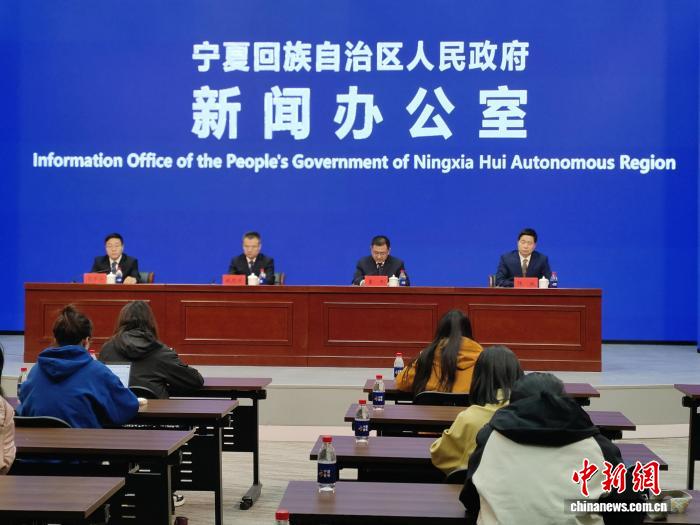
宁夏人才资源总量突破百万
Zhong Guo Xin Wen Wang· 2025-11-03 08:50
Core Points - Ningxia's talent resources have exceeded 1 million during the "14th Five-Year Plan" period, surpassing the target [1] Group 1: Talent Development and Management - Ningxia has implemented the "5123" project for young cadres and the "source project" for cadre exchanges, placing young leaders in key positions to gain experience [2] - The region has achieved significant results in grassroots party organization construction, with over 70% of villages generating operational income exceeding 100,000 yuan and training over 26,000 "two leaders" [2] - Ningxia has launched the "Talent Gathering Ningxia 1134 Action," establishing a four-tier talent training system and reserving over 2,700 outstanding talents [2] Group 2: Policy and Reform - The Ningxia government has empowered hiring entities such as universities and public hospitals with greater autonomy in talent recruitment and evaluation, alongside 13 specific measures to enhance innovation and creativity among talents [3]
贵州:持续加强干部队伍建设 学用结合锻造铁军
Zhong Yang Ji Wei Guo Jia Jian Wei Wang Zhan· 2025-10-28 00:37
Group 1 - The Guizhou Provincial Commission for Discipline Inspection and Supervision is focusing on enhancing the discipline construction of the party, emphasizing the importance of political integrity, capability, work style, and cleanliness among its personnel [1][2] - A total of 130 discipline inspection and supervision officials from provincial, municipal, and county levels participated in a specialized training session aimed at improving their ability to perform duties in accordance with regulations and laws [1] - The commission has organized 25 specialized training sessions this year, including discussions on the spirit of the 20th Central Commission for Discipline Inspection's Fourth Plenary Session, and has conducted 778 training sessions overall, benefiting over 23,000 officials [2] Group 2 - The optimization of the team structure is a key focus, with efforts to enhance the functions of internal departments and allocate more resources to frontline supervision and enforcement [3] - The commission is conducting comprehensive research on the staffing of various departments and is implementing a plan to adjust and optimize personnel allocation based on the findings [3] - A recognition event was held to honor 44 advanced collectives and 88 outstanding workers, aimed at motivating discipline inspection officials to strive for excellence [4]
中共国家税务总局委员会关于二十届中央第三轮巡视整改进展情况的通报
Zhong Yang Ji Wei Guo Jia Jian Wei Wang Zhan· 2025-09-22 10:37
Group 1 - The Central Inspection Team conducted a routine inspection of the State Taxation Administration from April 15 to July 20, 2024, and provided feedback on October 21, 2024 [1][2] - The State Taxation Administration's Party Committee has taken the inspection feedback seriously, emphasizing the importance of rectification and political responsibility [2][3] - A leadership group was established to oversee the rectification process, with the Party Secretary taking primary responsibility for key measures [3][4] Group 2 - The State Taxation Administration is focusing on addressing key issues identified in the inspection, including improving tax collection and management [6][7] - Specific measures include enhancing the effectiveness of tax audits and addressing issues related to illegal tax practices [7][8] - The administration is also working on improving the management of social security fees and non-tax revenues, ensuring better coordination among departments [8][9] Group 3 - The administration is committed to implementing tax reduction and exemption policies accurately, ensuring that eligible taxpayers receive benefits [10][11] - Efforts are being made to combat tax-related corruption and improve the integrity of the tax system through comprehensive governance measures [11][12] - The administration is enhancing its cadre training and selection processes to ensure a competent workforce [13][14] Group 4 - The State Taxation Administration is focused on long-term rectification efforts, particularly in areas highlighted by the inspection, such as tax collection and management [15][16] - The administration is also working on improving the regulatory framework for social security fees and non-tax revenues [17][18] - Continuous efforts are being made to strengthen the overall governance of the tax system and address systemic issues [19][20] Group 5 - Future plans include integrating rectification efforts into daily operations and aligning them with broader economic goals [20][21] - The administration aims to establish a long-term mechanism for addressing recurring issues and enhancing the quality of tax services [21]
中共审计署党组关于二十届中央第三轮巡视整改进展情况的通报
Zhong Yang Ji Wei Guo Jia Jian Wei Wang Zhan· 2025-09-22 10:37
Group 1 - The audit authority is implementing a series of corrective measures following the feedback from the Central Inspection Team, emphasizing the importance of political responsibility and organizational leadership in the rectification process [2][3][4] - The audit authority has established a dedicated leadership group to oversee the rectification efforts, ensuring that corrective actions are prioritized and effectively managed [2][3] - A systematic approach to tracking and managing rectification tasks has been implemented, including the use of an information system to monitor progress and ensure accountability [3][4] Group 2 - The audit authority is focusing on enhancing the quality of audit supervision, particularly in areas such as public welfare funding and major risk identification, to ensure effective oversight and risk mitigation [5][6][7] - There is a commitment to improving the operational mechanisms of audit work, including the establishment of clear reporting protocols and collaboration with relevant departments to address significant issues identified during audits [4][5] - The authority is also enhancing its internal governance by strengthening the management of audit personnel and ensuring compliance with ethical standards [7][8] Group 3 - The audit authority is dedicated to long-term rectification efforts, combining immediate actions with sustainable practices to ensure ongoing compliance with central directives [11][12] - Future plans include reinforcing the mechanisms for continuous improvement in audit practices, ensuring alignment with national policies, and enhancing the effectiveness of audit operations [12][13] - The authority aims to uphold strict party discipline and accountability within its ranks, fostering a culture of integrity and transparency [13][14]
第一观察丨读懂“七一”前夕集体学习中的高频词
Xin Hua She· 2025-06-30 16:43
Core Viewpoint - The article emphasizes the importance of self-revolution within the Communist Party of China (CPC) as a means to address historical cycles of governance and to strengthen the party's internal construction, particularly through political, self-revolutionary, and institutional frameworks [3][5][7]. Group 1: Political Construction - The CPC's political construction is highlighted as a fundamental aspect of its governance, with a focus on addressing political issues directly to avoid superficial solutions [4]. - Since the 18th National Congress, the importance of political construction has been elevated, with the 19th National Congress emphasizing its primacy in the overall party construction [4]. Group 2: Self-Revolution - Self-revolution is identified as a critical strategy for the CPC to navigate complex governance challenges, with anti-corruption efforts being a key component of this self-revolution [5]. - The article notes that the CPC has made significant strides in anti-corruption since the 18th National Congress, with a commitment to ongoing efforts in this area [5]. Group 3: Institutional Framework - The establishment of a comprehensive system for strict party governance is discussed, with a focus on various organizational and regulatory frameworks [7]. - Historical context is provided, showing that institutional construction has been a recurring theme in collective learning sessions, indicating its long-term significance for the CPC [7]. Group 4: Ideological Construction - Ideological construction is described as foundational for the party, with various educational initiatives aimed at reinforcing ideological commitment among party members [8]. - The article outlines a series of concentrated educational campaigns that have been implemented to deepen theoretical understanding and unify party members [8]. Group 5: Cadre Development - The quality and quantity of party members are emphasized as crucial for the CPC's effectiveness, with recent statistics showing a net increase in party membership [9]. - The article discusses the importance of developing a robust cadre system, focusing on leadership and young talent to ensure effective governance [10].