医学研究

Search documents
Med:龙尔平/王婧/庞军玲团队通过深度多组学分析,揭示慢阻肺病的三种分子亚型
生物世界· 2026-03-10 08:30
Core Insights - Chronic Obstructive Pulmonary Disease (COPD) is a complex heterogeneous disease influenced by multiple factors, necessitating breakthroughs in precision medicine [3] - A study published in Cell identified three novel molecular subtypes of COPD in a biomass-exposed Chinese population, linking these subtypes to acute exacerbation risks and providing a scientific basis for personalized treatment [3][6] Group 1: Identification of Subtypes - The research team recruited 159 COPD patients from five clinical centers in Guizhou Province, a region with high biomass fuel exposure, and identified three subtypes: Stable (SS), Restrictive (RS), and Fragile (CS) [6] - The Stable subtype is characterized by eosinophilic inflammation and mild genetic background, suitable for inhaled corticosteroid treatment [6] - The Restrictive subtype shows significant lung structural damage and is appropriate for structural interventions like lung volume reduction surgery [6] - The Fragile subtype presents environmental drivers, metabolic disorders, and nicotine dependence, indicating a need for enhanced environmental protection and intensive smoking cessation strategies [6] Group 2: Evidence Chain and Clinical Outcomes - The study utilized a quantifiable and traceable evidence chain to analyze the molecular characteristics and clinical outcomes of the Restrictive and Fragile subtypes [8] - For the Restrictive subtype, imaging evidence indicated the highest emphysema ratio and lowest lung fissure integrity, suggesting a high risk for collateral ventilation and guiding treatment strategies [8] - In the Fragile subtype, a complex microbiome interaction network was revealed, with significant enrichment of triethanolamine and its correlation with lipid metabolism disorders, establishing a pathway from environmental exposure to systemic inflammation [10] Group 3: Implications for Precision Medicine - The research advances precision medicine from a one-size-fits-all approach to individualized interventions based on molecular evidence chains, highlighting the driving pathways behind different subtypes [12] - This shift promotes a transition from "treating diseases" to "treating individuals" and from "experience-based decisions" to "evidence-based decisions" [12]


中国应对阿尔茨海默病策略值得借鉴
Xin Lang Cai Jing· 2026-02-25 18:56
Core Insights - China is significantly advancing Alzheimer's disease research, with strategies in funding, talent acquisition, and clinical studies that are noteworthy for global reference [1] Funding and Investment - The Chinese government has implemented plans and invested substantial funds to enhance screening, diagnosis, and treatment of Alzheimer's disease [1] - Funding for Alzheimer's research in China has been consistently increasing, leading to improved quality and speed of clinical and preclinical studies [1] Research Output - Since the 1990s, the quantity and quality of research in the field of Alzheimer's disease in China have improved markedly, with published research papers increasing from 12 between 1988 and 1992 to over 8,000 from 2013 to 2017 [1] Global Recognition - The advancements in Alzheimer's research in China have attracted attention from researchers worldwide, with many top scientists moving to China in recent years [1] - John Hardy, a geneticist from the UK Dementia Research Institute, noted that China is gradually becoming a research hub for Alzheimer's disease, contrasting with the increasing restrictions in the US [1]
研究发现肥胖显著增加感染重症风险
Xin Hua She· 2026-02-15 04:20
Core Findings - Obesity significantly increases the risk of hospitalization and death from common infections, with the risk in severely obese individuals being approximately three times that of individuals with normal weight [1] Group 1: Research Overview - The study involved collaboration among researchers from Finland, the UK, and other countries, covering over 540,000 participants from Finland and the UK [1] - The average follow-up period for the participants was 13 to 14 years, analyzing the association between obesity and severe infections [1] Group 2: Infection Types and Risk Assessment - The research examined various common infections, including influenza, pneumonia, gastroenteritis, and urinary tract infections [1] - The study utilized Body Mass Index (BMI) to measure obesity, categorizing individuals with a BMI over 30 as obese and those over 40 as severely obese [1] Group 3: Findings and Recommendations - Compared to individuals with normal weight, obese individuals have a 70% higher risk of hospitalization or death due to infectious diseases [1] - The risk of severe infections increases with weight, with severely obese individuals facing a risk approximately three times higher than that of normal weight individuals [1] - Researchers suggest that obesity should be considered a significant risk factor for severe infections and recommend timely vaccination for obese individuals to reduce the risk of severe infections [1]
重磅:Cell发表哥大最新突破,精准锁定代谢障碍治疗关键靶点
GLP1减重宝典· 2026-02-15 04:08
Core Viewpoint - The research identifies the bed nucleus of the stria terminalis (BNST) as a central hub in the brain that regulates feeding behavior by integrating sensory inputs and internal states, providing a unified control mechanism for appetite and weight management [17]. Group 1: Mechanisms of Taste and Feeding Behavior - The taste system acts as the primary sensory gateway for regulating eating behavior, with specialized taste receptor cells (TRC) responsible for detecting basic tastes [7]. - The study highlights that the brain's conversion of sweet taste signals into actual feeding behavior is not fully understood, despite advancements in sensory biology [7]. - Hunger significantly enhances the preference for sweet tastes, indicating that internal states can influence sensory perception and feeding behavior [7]. Group 2: Role of BNST in Feeding Regulation - The BNST is confirmed as a key brain region that integrates internal states and sensory signals, playing a crucial role in the unified regulation of feeding behavior [8][11]. - Activation of specific neurons in the central amygdala (CEA) that respond to sweet tastes is shown to influence feeding behavior through projections to the BNST [9]. - The study demonstrates that BNST is essential for mediating the feeding response to sweet stimuli, with evidence showing that inhibiting BNST activity blocks sweet-induced feeding [9][10]. Group 3: Impact of Hunger and Sodium Deficiency - Hunger increases the amount of food consumed in response to sweet tastes by 2.5 times, with this effect dependent on normal taste pathways [10]. - The BNST's response to sweet tastes is enhanced by hunger, while sodium deficiency significantly increases the response to salty tastes [11]. - BNST integrates signals from both sweet taste and hunger, allowing for precise control over specific feeding behaviors [11]. Group 4: Behavioral Experiments and Findings - Activation of BNST leads to increased feeding impulses, even for normally avoided substances, demonstrating its broad regulatory capacity over feeding behavior [14]. - Inhibition of BNST results in reduced food intake regardless of the animal's hunger state, indicating its critical role in feeding regulation [14]. - The research introduces a neural decoding system that can accurately identify combinations of stimuli and physiological states based on BNST neuron activation patterns [14]. Group 5: Implications for Weight Management - The study reveals that BNST can be targeted for weight management, showing that selective activation can delay weight loss in cachexia models and that inhibition can reduce weight in obesity models [15][16]. - The findings suggest that BNST may be a key brain region for the action of GLP1 receptor agonists, which are used in clinical weight management [16]. - Overall, the research provides new insights into the mechanisms of appetite regulation and potential therapeutic targets for obesity and cachexia [17].

震撼医学圈!《柳叶刀》曝出:一旦达到这个“理想体重”,80%糖友有望完全停用药物!
GLP1减重宝典· 2026-02-11 13:28
Core Insights - The article emphasizes the alarming global diabetes situation, with approximately 537 million adults aged 20-79 affected in 2021, projected to rise to 783 million by 2045, predominantly suffering from type 2 diabetes and often accompanied by overweight or obesity [7] - A significant study published in The Lancet Diabetes & Endocrinology reveals a precise relationship between weight loss and diabetes remission, providing revolutionary guidance for clinical practice [7][10] Research Methodology - The research team adhered to Cochrane and PRISMA guidelines, systematically reviewing relevant randomized controlled trials from databases like PubMed and Embase, focusing on interventions after one year [8] - Out of 3602 articles, 22 high-quality trials were included, ensuring low bias risk and reliable results [8] Key Findings - A significant dose-response relationship was found: for every 1% weight loss, the probability of complete remission increases by 2.17%, and partial remission by 2.74% [10] - Specific data shows that weight loss of less than 10% results in a complete remission rate of only 0.7%, while a weight loss of 20-29% leads to a complete remission rate of 49.6%, and ≥30% weight loss results in a remarkable 79.1% complete remission rate [11] Implications for Diabetes Management - The study positions weight management as a core pillar in treating type 2 diabetes, significantly enhancing remission rates and reducing complication risks [13] - The precise dose-response relationship indicates that even moderate weight loss can yield substantial health benefits, highlighting the potential of various weight loss interventions [13] Future Directions - Future research should explore the long-term effects of weight loss on diabetes remission, particularly the efficacy and safety of new weight loss medications [15] - The ongoing development and application of weight loss drugs could significantly reduce the incidence of type 2 diabetes and improve remission rates, making it a reachable global health goal [15]

新晋院士乔治·霍夫曼:他的研究事关全球50多个国家的孩子
Xin Lang Cai Jing· 2026-01-31 08:13
Core Insights - The article highlights the significant contributions of George Hoffman in the field of pediatric metabolic diseases and his collaboration with Tongji Hospital in China, emphasizing the importance of international cooperation in medical research and treatment [2][3][12]. Group 1: Contributions to Pediatric Metabolic Diseases - George Hoffman has published over 700 papers and identified 27 new entities of pediatric metabolic diseases, establishing a newborn screening system in Germany that serves as a model for Europe [2][10]. - His work has led to the integration of rare disease centers and gene therapy networks across 12 EU countries, impacting clinical practices in over 50 countries [2][10]. - Hoffman founded the Courage Foundation, which has received over 100 million euros in donations to support social and humanitarian aid for children with chronic diseases [10][11]. Group 2: Collaboration with Tongji Hospital - Hoffman has been a key partner for Tongji Hospital, where he has shared his expertise in pediatric metabolic diseases and facilitated the establishment of a rare disease medical center [12][13]. - A framework cooperation agreement was signed between Tongji Hospital and Heidelberg University to establish the "Tongji-Heidelberg Rare Disease Medical Center" [13]. - Over the past five years, Tongji Hospital has led the development of more than 30 domestic treatment guidelines in the field of endocrine genetic metabolism and rare diseases [14]. Group 3: Personal Journey and Impact - Hoffman's journey began in Germany, where he developed a strong interest in natural sciences and pursued a medical degree at the University of Göttingen, eventually focusing on metabolic diseases [4][8]. - His experiences in clinical settings, particularly in Birmingham, shaped his understanding of the importance of diagnosing and communicating disease causes to families [5][6]. - The collaboration with Chinese colleagues has been described as a blend of love, career, and family, highlighting the personal connections that have developed through professional interactions [15][16].
中国临床案例成果数据库初具规模
Xin Lang Cai Jing· 2026-01-27 21:05
Core Insights - The China Clinical Case Database has collected over 122,000 standardized case reports from more than 5,000 medical institutions across the country, with total readership exceeding 31 million by the end of 2025 [1][2] Group 1 - The China Clinical Case Database, initiated by the Chinese Medical Association in 2019, has developed into the largest clinical case repository in China, playing a crucial role in diversifying clinical talent evaluation and promoting quality medical practices [1] - The database has users from over 80 countries and regions, evolving from a domestic platform to one with international visibility and influence [1] - Future efforts will focus on enhancing quality and expanding applications, aiming to establish the database as a learning, evaluation, and resource platform for healthcare professionals [1] Group 2 - The database is transitioning from a "results display and storage platform" to an "interactive academic community" through standardized case formats and bilingual content [2] - Since 2024, researchers from over 80 countries, including the United States, Australia, and Japan, have accessed the case resources, providing effective pathways for the Chinese medical community to engage in global knowledge governance [2]
墨尔本大学重磅新发现!神奇免疫细胞助力燃脂塑形,每个人都能变苗条!科学减肥迎来新希望!
GLP1减重宝典· 2026-01-27 09:35
Core Viewpoint - Australia is at the forefront of obesity research, with recent breakthroughs from the University of Melbourne potentially addressing obesity challenges [6][10]. Group 1: Research Breakthroughs - Researchers at the University of Melbourne have discovered three distinct types of adipocyte progenitor cells, challenging the long-held belief that there is only one type [10]. - The first type of cell leads to unconditional fat accumulation around organs, contributing to metabolic diseases like fatty liver [11]. - The second type, known as "fast-burning fat cells," can suppress weight gain and efficiently burn body fat, representing a significant focus for weight loss and health management [13]. - The third type functions to balance fat within the body, maintaining a stable state [14]. Group 2: Obesity Statistics in Australia - Australia has one of the highest obesity rates globally, with 70% of adults classified as overweight or obese, and one in five children also affected [16][17]. - The obesity issue has prompted ongoing scientific interest and research in Australia, with significant public engagement in weight loss advancements [17]. Group 3: Genetic Factors in Obesity - A recent study indicates that body shape is largely determined by genetics, with findings suggesting that infants with larger heads are more likely to become overweight as adults [24]. - Key brain regions, the nucleus accumbens and the medial orbitofrontal cortex, are linked to body fat content, with larger sizes in these areas correlating with higher fat levels [27]. - The nucleus accumbens is associated with pleasure and desire, while the medial orbitofrontal cortex relates to reward mechanisms and emotional regulation, impacting individuals' ability to resist food cravings [29].

严选优育 精管善用 实干笃行
Xin Lang Cai Jing· 2026-01-25 20:19
Core Viewpoint - The Chinese Academy of Medical Sciences emphasizes the importance of talent selection and cultivation to drive high-quality development in the health sector, establishing a comprehensive mechanism for "selection, cultivation, management, and utilization" [1][2][3]. Group 1: Selection Mechanism - The organization prioritizes political standards in the selection of personnel, focusing on practical performance and the ability to serve the overall agenda [1]. - A multi-faceted assessment system is established, including annual evaluations and mid-term assessments, to create a precise "capability map" of candidates [1][2]. - The aim is to identify and select capable individuals through a competitive process, ensuring that only the most qualified candidates are chosen for leadership roles [1][3]. Group 2: Training and Development - The Academy integrates theoretical training, party spirit cultivation, and capability enhancement throughout the development process, focusing on improving professional skills and strategic planning [2]. - Targeted training programs are designed for different groups of leaders, transitioning from natural growth to planned cultivation [2]. - A dynamic tracking system is implemented to monitor the growth trajectory of personnel, shifting from one-time training to continuous development [2][3]. Group 3: Management and Supervision - The organization aims to strengthen institutional constraints and daily supervision by refining management regulations and establishing clear behavioral standards [2]. - A risk prevention network is created to monitor key areas and positions, ensuring early detection of potential issues [2]. - Strict accountability measures are enforced for any discrepancies in personal reporting and economic responsibilities, reinforcing the importance of compliance [2][3]. Group 4: Utilization of Talent - The Academy promotes a performance-based approach to personnel utilization, encouraging the use of individuals who excel in significant tasks and reforms [3]. - Barriers between different departments are dismantled to facilitate cross-field and cross-departmental exchanges, broadening the experience of personnel [3]. - A clear goal management system is established to define tasks and assessment standards, enhancing team vitality and effectiveness [3].
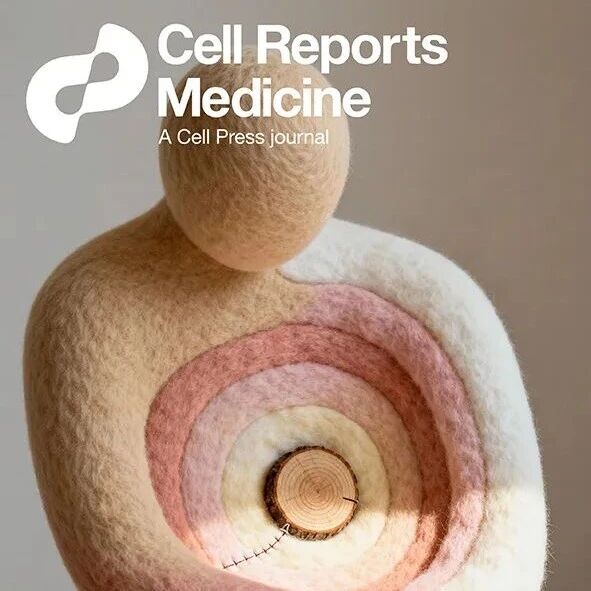
登上Cell子刊封面:包玉倩/夏天团队揭示,体重指数超过这一阈值的糖尿病患者,死亡风险增加
生物世界· 2026-01-23 00:21
Core Viewpoint - The study identifies a threshold for Body Mass Index (BMI) that increases mortality risk in patients with type 2 diabetes, specifically indicating that a sustained BMI of ≥ 27 kg/m² raises the risk of death in individuals aged 40 and above in China, while a BMI between 18.5-26.9 kg/m² is considered ideal [3][9][11]. Group 1: Research Findings - The research highlights that the prevalence of type 2 diabetes is rising among the elderly, with over 65% of cases occurring in individuals aged 40 and above, posing significant challenges to global health systems [7]. - The study emphasizes the importance of comprehensive metabolic management, particularly sustained weight management, as a primary treatment goal for type 2 diabetes patients [7]. - The research team utilized two metrics to quantify BMI exposure: the percentage of time BMI is above the target range (TAR) and the percentage of time BMI is within the target range (TTR) [8]. Group 2: Study Methodology - The study involved a cohort of 3,708 individuals aged ≥ 40 years with type 2 diabetes, who had at least five BMI measurements over four years, with a median follow-up time of five years, resulting in 1,020 recorded deaths [9]. - Results indicated a positive correlation between sustained BMI ≥ 27 kg/m² (TAR) and increased mortality risk, while longer durations of BMI maintained within the range of 18.5–26.9 kg/m² (TTR) were associated with survival benefits [9][11].