平台经济转型

Search documents
“便宜饭”退场 “安心饭”上桌
Xin Lang Cai Jing· 2026-02-15 23:22
Group 1 - The core viewpoint of the articles indicates a systemic shift in China's platform economy from an "efficiency-first" model to a "human-centered" approach, marking the end of the era where low prices were achieved at the expense of laborers' rights [1][2] - The recent administrative guidance from the Ministry of Human Resources and Social Security and other departments emphasizes the need for platform companies to take responsibility for labor practices, manage algorithms, and ensure the basic rights of new employment forms [1] - The increase in delivery fees by platforms like Sam's Club and Hema, with price hikes of 3 to 6 yuan per order in some regions, reflects the rising operational costs associated with compliance and labor protections [1][2] Group 2 - The regulatory push for "who benefits, who bears responsibility" aims to internalize the long-ignored social costs into the platform operation systems, leading to an industry consensus on rising costs [2] - The transition away from unsustainable promotional practices, such as heavily subsidized pricing, indicates that the platform economy is moving towards a phase where compliance becomes a cost factor [2] - The shift from "cheap meals" to "assured meals" is seen as a necessary step for China's economy towards high-quality development, fostering a new ecosystem of shared responsibility and risk management [3]
降抽佣促共赢:货运平台与司机共筑良性生态
Huan Qiu Wang· 2026-01-29 05:31
Core Viewpoint - The logistics industry, particularly road freight, is facing significant challenges regarding the income and working conditions of truck drivers, which are crucial for the sustainability and quality of service in the sector [1] Group 1: Current Challenges for Truck Drivers - Over 40% of drivers question the reasonableness of platform fees, citing high commissions and duplicate charges that compress their income [1] - 70.27% of drivers report long working hours with little rest, while 59.50% express concerns about occupational risks and insufficient social security [1] - Issues such as delayed payments and untrustworthy shippers frequently jeopardize drivers' earnings, leading to decreased motivation and service quality [1] Group 2: Positive Developments in the Industry - Some freight platforms are proactively optimizing commission structures and introducing peak service fee algorithms, signaling a positive industry transformation [2] - For instance, Huolala has reduced its overall commission rate from 12.2% in 2023 to 10.9%, with a maximum commission cap of 100 yuan per order for non-discount card users and 50 yuan for discount card users, benefiting approximately 1.7 million drivers [2] - The introduction of peak service fees during high-demand periods has resulted in an average income increase of 13 yuan per driver, enhancing their willingness to accept orders [2] Group 3: Ongoing Efforts and Future Directions - While commission reductions and peak service fees are steps in the right direction, further collaboration between policies and platforms is necessary to ensure drivers' income stability [3] - Huolala has implemented measures such as optimizing pricing rules and introducing a payment service that is expected to generate additional income for drivers [3] - The industry has reached a consensus on lowering excessive commissions and establishing freight guarantee mechanisms, supported by regulatory initiatives to improve driver support services [3] Group 4: Long-term Vision for the Industry - A healthy ecosystem in the freight industry relies on respecting and safeguarding drivers' rights, necessitating a shift from short-term profit motives to integrating driver needs into algorithm design and rule-making [4] - Enhanced oversight and a commitment to transparent commission practices are essential for fostering a sustainable relationship between platforms and drivers [4] - Collective efforts from all stakeholders are crucial to ensure that drivers receive fair compensation and to promote the long-term stability of the freight industry [4]
经济日报:携程的问题出在哪里?
Zhong Guo Jing Ji Wang· 2026-01-20 13:04
Group 1 - The core issue of the investigation against Ctrip is related to its high profits conflicting with the "real economy first" directive, highlighting the tension between platform monopolies and fair market practices [1] - Ctrip's practices, such as the "price adjustment assistant" that pressures hotels to follow suit in pricing, exemplify the "involution" that the policies aim to address, leading to a detrimental cycle for the entire industry [1] - The investigation serves as a critical opportunity for the overall transformation of the platform economy, emphasizing that antitrust actions are intended to promote innovation and ensure fair competition among all market participants [2] Group 2 - The investigation into Ctrip reflects a broader trend of increasing regulatory scrutiny on platform enterprises, necessitating a shift towards creating genuine incremental value through technological innovation and fair profit distribution [1] - The evolving regulatory landscape and the awakening of various stakeholders' rights are reshaping the competitive environment for platform companies, urging them to adapt and innovate [1]



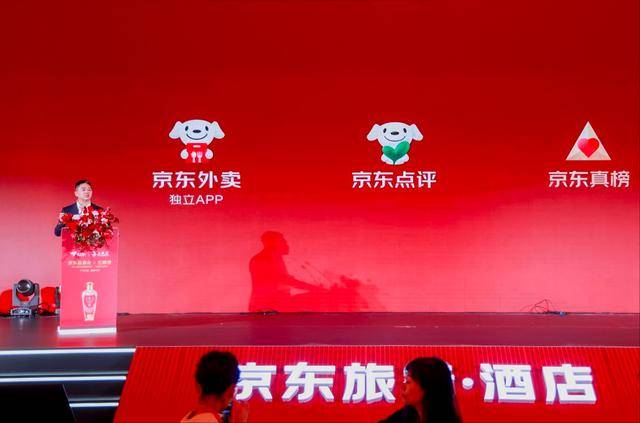
京东上线京东点评 AI破解行业刷单买榜乱象
Sou Hu Cai Jing· 2025-11-17 15:15
Core Insights - JD.com launched the JD Review platform on November 17, featuring five sub-channels: finding food, booking hotels, selecting products, planning activities, and choosing home services [1] - The platform introduced JD True List and aims to recruit 100,000 JD Truth Officers for blind testing of products and services [1] - JD.com also unveiled the AI All-Net Review, a domestic ranking AI model that analyzes multiple review data daily to generate evaluation content, with a focus on objectivity and comprehensiveness [3] Group 1 - The credibility of review systems remains a significant pain point in both e-commerce and local life sectors, with issues like fake reviews and manipulated results hindering consumer decision-making [3] - The AI All-Net Review integrates review data from within JD's ecosystem and attempts to consolidate publicly available information from the entire internet, showcasing both positive and negative content [3] - The AI system features a "JD Food Eight Families" virtual persona comment function, currently offering six personality styles for users to choose from, with two additional styles to be determined by user voting [3] Group 2 - JD True List, as a key product, establishes a composite evaluation model that includes AI All-Net Review, repurchase rates, and user blind testing [3] - The repurchase metric is based on actual consumption records from over 700 million active users on JD's platform, using long-term purchasing behavior as a selection criterion [3] - The blind testing mechanism employs a "buy-eat-separate" approach, ensuring participants are unaware of the merchant information related to the dishes they experience, focusing solely on the product and service quality [3] Group 3 - The initial blind testing activity will launch in Beijing, with no age or occupational restrictions for the recruitment of JD Truth Officers, who can experience related dining and accommodation services for free [4] - Participants must commit to three principles: authenticity in behavior, stance, and expression [4] - This initiative indicates JD.com's intention to extend its trustworthiness established in product retail to the local life sector, which heavily relies on reputation, aiming to create a more transparent and credible consumer decision-making platform [4]