年轻消费群体偏好改变

Search documents
金价降了没人买,金店人潮不见了,老百姓为啥不喜欢黄金了?
Sou Hu Cai Jing· 2025-11-17 18:09
Core Viewpoint - The continuous interest rate hikes by the Federal Reserve and the strong rise of the US dollar index have put significant pressure on international gold prices, which have fallen from a peak of $2078.8 per ounce in March to a low of $1618.3 per ounce last month. However, contrary to previous trends, domestic gold stores in China are experiencing poor sales despite the drop in gold prices [1][3]. Group 1: Reasons for Poor Domestic Gold Sales - The decline in international gold prices has not translated into significant price drops in domestic gold stores due to the limited decrease in domestic gold prices, which are affected by the depreciation of the Chinese yuan against the US dollar [3][5]. - The majority of gold sold in domestic stores consists of jewelry, which includes high processing and design fees that do not adjust with international gold price fluctuations, resulting in minimal price reductions for consumers [3][5]. - Domestic demand for gold has decreased significantly due to the ongoing economic downturn and the impact of repeated COVID-19 outbreaks, leading consumers to cut back on non-essential spending, including gold jewelry [5][7]. Group 2: Changing Consumer Preferences - The younger generation shows a declining interest in gold jewelry, viewing it as outdated and preferring luxury items like designer bags and high-performance cars to express their personal style and economic status [7][9]. - Consumers are becoming increasingly savvy regarding the resale of gold, often facing unfavorable buyback prices compared to their purchase prices, which diminishes their willingness to invest in gold [9].



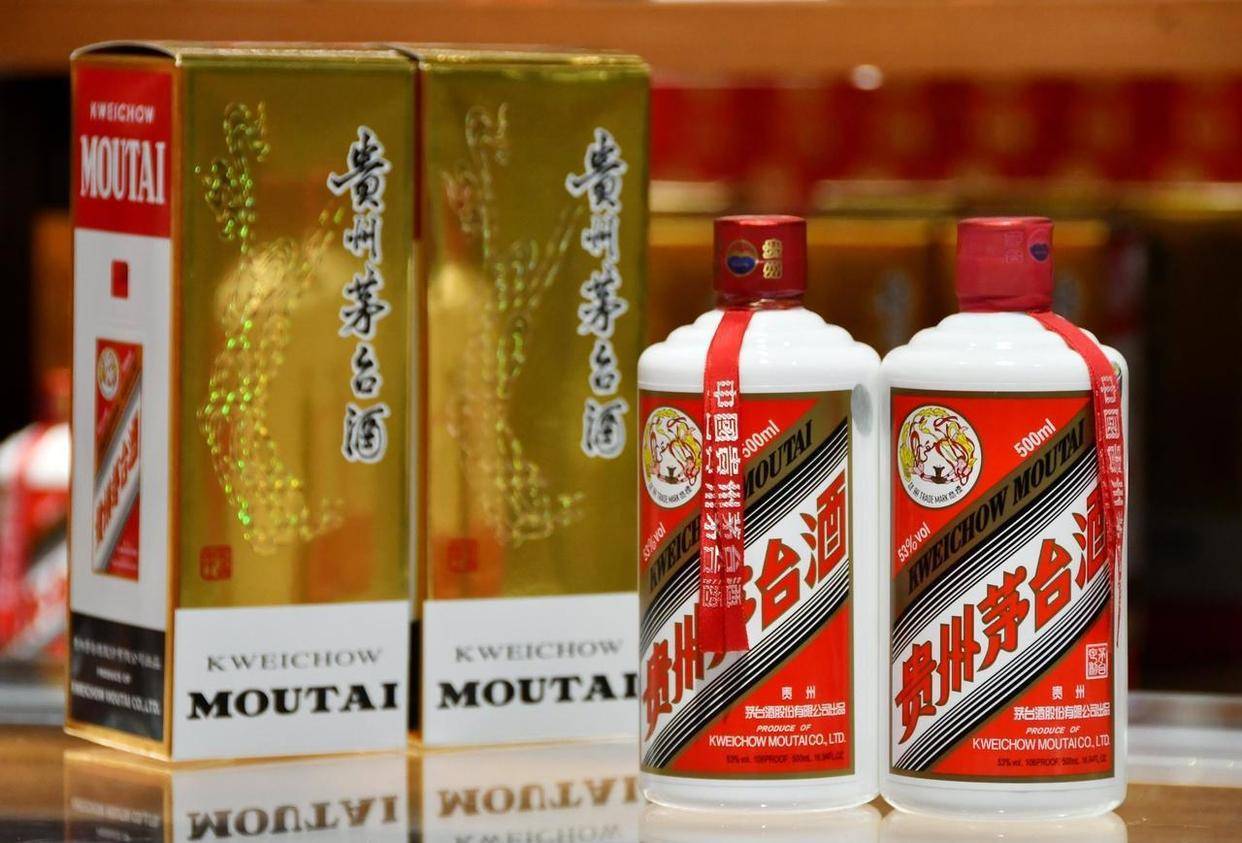
茅台暴跌到心理价位!硬通货最终坠落神坛,幕后四大理由难逆转!
Sou Hu Cai Jing· 2025-11-09 01:50
Core Insights - The price of Moutai has fallen below the official retail price of 1499, marking a significant shift in the market dynamics for this high-end liquor [1] - The decline in Moutai's price reflects deeper issues in the market, indicating a loss of control over pricing mechanisms that have historically stabilized its value [1] Group 1: Market Dynamics - Moutai's price has dropped from 2400 to below 1499, which is a psychological threshold set by the company, indicating a failure of its pricing control mechanisms [1] - The decline in price is seen as a symbolic event, suggesting that the era of Moutai as a high-demand luxury item may be coming to an end [1] Group 2: Factors Influencing Demand - The introduction of regulations prohibiting the use of public funds for purchasing high-end liquor has significantly reduced Moutai's official sales channels, impacting its market demand [3] - The real estate sector's downturn has also affected Moutai's sales, as it was previously used as a form of currency in business dealings, but developers are now unable to afford such purchases [5] - Changing consumer behavior, particularly among younger generations who prefer other beverages over Moutai, has contributed to the decline in its popularity [7] Group 3: Cultural Significance - Moutai has historically been a symbol of status and power, often used in official settings and business dealings, but this cultural significance is waning as the economic environment shifts [3][5] - The perception of Moutai is changing, with younger consumers viewing it as outdated, leading to a decline in its status as a luxury item [7] Group 4: Future Outlook - The decline in Moutai's price signals the end of an era characterized by government procurement and real estate-driven demand, suggesting a return to a more typical high-end liquor market [7] - While Moutai may still retain some brand value, it is likely to be viewed more like other premium liquors, losing its unique status as a "hard currency" [7]