幼稚经济

Search documents
幼稚经济消费趋势洞察
Yi En Zi Xun· 2025-12-10 11:11
Group 1: Overview of the "Childish Economy" - The "Childish Economy" is driven by the trend of "self-rejuvenation," where adults consume childlike products to cope with real-life uncertainties, reflecting emotional consumption[3] - The popularity of the "Childish Economy" has increased by 26% compared to the previous year, with social media engagement reaching 108,212,508 interactions in 2025[11] - Key consumer segments include "Circle Followers" (44.4%), "Pressure Experience Seekers" (36.2%), and "Compensatory Healers" (19.4%)[43] Group 2: Consumer Behavior and Preferences - Consumers are drawn to products that evoke childhood memories, such as blind boxes, miniature landscapes, and electronic pets, which serve as emotional outlets[10] - Emotional values sought by consumers include surprise, companionship, healing, and nostalgia, with surprise being a significant driver[26][27] - The "Compensatory Healers" segment shows a 564% increase in interest in AI smart companion toys from 2024 to 2025, indicating a growing demand for emotional support products[82] Group 3: Social Media Marketing Insights - Marketing strategies on platforms like Xiaohongshu focus on community resonance and lifestyle presentation, with a 73.2% increase in commercial posts and a 52.2% increase in spending over the past year[93] - On Douyin, the most effective content types include blind box unboxing, creative storytelling, and immersive scene content, which enhance consumer engagement[112] - The emotional and sensory experiences provided by products are crucial for attracting consumers, with ASMR and immersive storytelling being particularly effective[119][123]
电商运营:2025“幼稚经济”消费趋势洞察报告
Sou Hu Cai Jing· 2025-12-08 16:45
Core Insights - The report highlights the emergence of the "Childish Economy" as a mainstream emotional consumption trend, where adults engage in playful consumption to counteract real-life uncertainties and achieve emotional satisfaction. The social media volume related to this trend is projected to grow by 26% in 2025 compared to the previous year [1][4][12]. Group 1: Characteristics of the "Childish Economy" - The "Childish Economy" is defined as a psychological compensation mechanism for young people in fast-paced lifestyles, where they consciously consume nostalgic and joyful items to alleviate past regrets and current pressures [7][12]. - Three main consumer groups are identified: - "Circle Followers," primarily Gen Z, who build social identities through symbolic consumption and seek community belonging [4][17]. - "Pressure Experience Seekers," mainly urban white-collar workers and students, who use immersive experiences like building blocks and miniature models for instant stress relief [4][17]. - "Compensatory Healers," typically middle-aged individuals, who consume nostalgic toys and retro snacks to heal childhood emotional gaps [4][17]. Group 2: Social Media Marketing Insights - Social media platforms exhibit distinct characteristics in marketing the "Childish Economy": - Xiaohongshu focuses on community resonance and lifestyle promotion, with strong engagement in narrative and DIY tutorial content [1][4]. - Douyin emphasizes resonant storytelling and immersive content, with unboxing videos and creative short dramas gaining significant traction [1][4]. - Brands leverage IP collaborations, celebrity endorsements, and immersive experiences to connect with consumers, making emotional value and contextual presentation central to marketing strategies [1][4]. Group 3: Popular Product Categories - Popular product categories within the "Childish Economy" include blind boxes, cotton dolls, trendy toys, and stress-relief items, characterized by dopamine-inducing colors, miniaturization, and soft textures [1][11][14]. - Consumers seek emotional values such as surprise, companionship, and healing through these products, with a notable interest in items like electronic pets and nostalgic snacks [11][12][14].


2025“幼稚经济”消费趋势洞察报告
Sou Hu Cai Jing· 2025-12-08 15:10
Core Insights - The "Childish Economy" has evolved from fragmented discussions on social media into a significant consumer and cultural trend, characterized by adults consuming childlike products to cope with real-life uncertainties, with a year-on-year growth of 26% in popularity [1][4][12] - This trend is driven by psychological compensation needs among young people in high-pressure, fast-paced lifestyles, focusing on emotional values such as healing, surprise, and companionship [1][4][12] Consumer Segmentation - The core consumer groups are categorized into three types: - "Circle Followers" (44.4%): Primarily Gen Z, they build social identities through symbolic consumption, seeking community recognition [1][4][17] - "Pressure Experience Seekers" (36.2%): Mostly urban white-collar workers and students, they use immersive experiences like building blocks and ASMR for immediate stress relief [1][4][17] - "Compensatory Healers" (19.4%): Mainly middle-aged individuals, they purchase nostalgic toys and retro snacks to fill emotional voids, with AI companionship toys seeing a 564% increase in popularity [1][4][17] Social Media Marketing Insights - Social media platforms exhibit distinct characteristics in marketing the "Childish Economy": - Xiaohongshu (Little Red Book) shows a 73.2% increase in commercial ad volume and a 52.2% increase in ad spending, focusing on community resonance and lifestyle presentation [1][4][11] - Douyin (TikTok) has a 36.2% increase in ad volume and a 26.9% increase in spending, with narrative-driven content and immersive ASMR videos being particularly popular [1][4][11] Emotional Value and Product Characteristics - Consumers in the "Childish Economy" seek emotional values such as order, surprise, healing, and nostalgia through their purchases [1][4][13] - Visual characteristics of products include "dopamine colors," miniaturization, and soft textures, which evoke feelings of joy, control, and safety [1][4][14] Popular Product Categories - Key product categories in the "Childish Economy" include blind boxes, cotton dolls, miniature models, and stress-relief toys, which are designed to provide emotional value and immersive experiences [1][4][11][12]

重新养自己,这七种“幼稚经济”俘获年轻人
Xin Lang Cai Jing· 2025-11-24 05:37
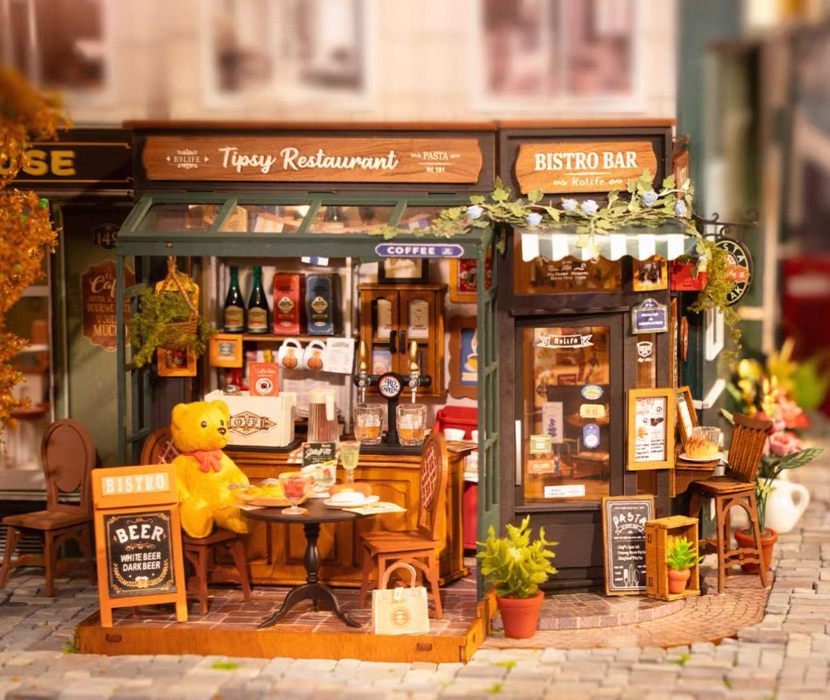
Core Insights - The "childish economy" is emerging as a significant market trend, appealing to adults seeking emotional comfort and nostalgia through products traditionally aimed at children [1][21][30] - This trend reflects a broader shift in consumer behavior, where emotional value and self-compensation are prioritized over mere functionality [6][10][27] Group 1: Miniature Models - Miniature models have gained popularity among adults as a form of emotional expression and stress relief, providing a sense of control and accomplishment [2][5] - The market for miniature models is diverse, with products ranging from affordable to high-end, catering to both beginners and experienced hobbyists [3][5] Group 2: Companion Dolls - Companion dolls have become a central emotional outlet for adults, with over 80% of surveyed individuals owning small toys, indicating a strong demand for emotional value [6][8] - Brands like Jellycat have successfully tapped into this market, achieving significant revenue growth and creating a "companion economy" [6][8] Group 3: Adult Pacifiers - Adult pacifiers are designed to address anxiety and stress, with a growing market presence as consumers seek emotional tools to cope with modern pressures [10][12] - The product's design has evolved to appeal to adults, transforming it into a fashionable accessory rather than a mere child’s item [10][12] Group 4: Retro Gaming Consoles - Retro gaming consoles are experiencing a resurgence, providing adults with a nostalgic escape from the complexities of modern gaming [14][15] - These consoles offer a straightforward gaming experience, allowing players to enjoy simple yet engaging gameplay without distractions [14][15] Group 5: Children's Meal Toys - Children's meal toys have transcended their original market, becoming popular among adults who seek to relive childhood experiences [16][21] - Collaborations between fast-food brands and popular characters have led to significant sales and a vibrant secondary market for these toys [18][21] Group 6: Doll Clothing Economy - The "doll clothing economy" is emerging as a new market, driven by young consumers who seek to express themselves through doll fashion [22][25] - This trend reflects a shift towards emotional consumption, where the act of dressing dolls serves as a form of self-expression and relaxation [26][27] Group 7: "Baby Products" for Adults - The rise of "baby products" for adults indicates a growing trend where consumers prioritize safety and emotional value in their purchases [27][28] - Brands are adapting to this trend by modifying products to appeal to adult consumers, blurring the lines between traditional age-based marketing [27][28] Group 8: Future of the "Childish Economy" - The sustainability of the "childish economy" will depend on brands' ability to understand consumer psychology and create products that balance emotional value with practicality [31][32] - The challenge lies in ensuring that the pursuit of emotional comfort does not lead to further anxiety, emphasizing the need for a thoughtful approach to product development [30][31]