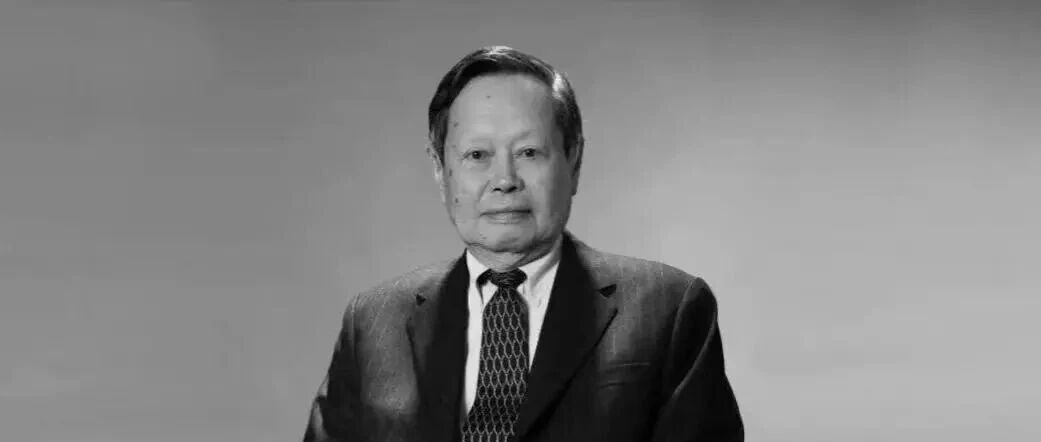
弱相互作用中宇称不守恒

Search documents
署名文章:学耀星汉,心怀家国——深切缅怀杨振宁先生
Xin Lang Cai Jing· 2025-10-24 16:01
Core Viewpoint - The passing of Yang Zhenning, a renowned physicist and Nobel laureate, marks a significant loss for both China and the global scientific community, as he made monumental contributions to modern physics and education [1][10]. Group 1: Contributions to Physics - Yang Zhenning co-developed the Yang-Mills theory, which is foundational to the standard model of particle physics, comparable to Maxwell's equations and Einstein's general relativity [1]. - He introduced the revolutionary concept of parity violation in weak interactions, earning the Nobel Prize in Physics in 1957, becoming one of the first Chinese Nobel laureates [1]. - His work on the Yang-Baxter equation opened new avenues in statistical physics and quantum groups, significantly impacting various fields of physics [1]. Group 2: Academic Journey and Influence - Yang Zhenning's academic journey began at Tsinghua University, where he was deeply influenced by a rich academic environment, later excelling at Southwest Associated University and Princeton [2]. - He established the Tsinghua University Institute for Advanced Study in 1997, significantly contributing to talent recruitment and discipline development in Chinese higher education [3][7]. - Yang Zhenning emphasized the importance of nurturing independent thinking in students, advocating for a broad and practical approach to education [7][8]. Group 3: National Contributions and Legacy - He played a pivotal role in promoting scientific exchanges between China and the United States, particularly during the normalization of relations in the 1970s [6][7]. - Yang Zhenning provided critical insights into China's scientific policies and major projects, influencing the development of theoretical physics in various Chinese universities [7]. - His dedication to education and talent cultivation has left a lasting impact, with many scholars benefiting from his initiatives and support [8][9]. Group 4: Personal Philosophy and Values - Yang Zhenning embodied a spirit of humility and dedication, often emphasizing the importance of sincerity and hard work in scientific research [9]. - He maintained a simple lifestyle and was known for his egalitarian approach, treating everyone with respect regardless of their status [9]. - His life and work reflect a deep commitment to his homeland, with a strong desire to contribute to China's scientific and educational advancement [5][6].
署名文章:学耀星汉 心怀家国 ——深切缅怀杨振宁先生
Xin Hua She· 2025-10-24 15:57
Core Viewpoint - The article commemorates the life and contributions of Yang Zhenning, a renowned physicist and Nobel laureate, highlighting his significant impact on modern physics and his dedication to education and national development [1][5][9]. Group 1: Contributions to Physics - Yang Zhenning is recognized as one of the greatest physicists of the 20th century, with foundational contributions to modern physics, including the Yang-Mills theory and the concept of parity violation in weak interactions, which earned him the Nobel Prize in 1957 [1][4]. - His work laid the groundwork for the standard model of particle physics, comparable to Maxwell's equations and Einstein's general relativity [1][4]. - He made significant advancements in various fields, including statistical physics and condensed matter physics, influencing the development of these disciplines [1][4]. Group 2: Educational Impact - Yang Zhenning established the Institute for Advanced Study at Tsinghua University in 1997, significantly contributing to talent recruitment and academic development [3][7]. - He actively participated in mentoring students and guiding research, emphasizing the importance of independent thinking and broad knowledge acquisition [7][8]. - His efforts in promoting education and scientific research in China have had a lasting impact, with many scholars benefiting from his initiatives [6][8]. Group 3: National Pride and Contributions - Yang Zhenning expressed a deep sense of national pride and contributed to changing perceptions of Chinese scientists on the global stage [5][6]. - He played a crucial role in fostering Sino-American academic exchanges and supported the development of scientific policies in China [6][9]. - His return to China and subsequent contributions were driven by a desire to support the nation's scientific progress and education [5][6]. Group 4: Legacy and Influence - Yang Zhenning's life exemplified a commitment to truth-seeking and excellence in science, inspiring future generations of scholars [4][5]. - His passing prompted widespread mourning and reflection on his contributions, with many expressing a desire to carry forward his spirit of dedication and patriotism [9]. - The article emphasizes the importance of learning from Yang Zhenning's character and contributions to continue advancing science and education in China [9].
那个紧挨着牛顿和爱因斯坦的中国人走了
吴晓波频道· 2025-10-19 00:34
Core Viewpoint - The article commemorates the life and contributions of renowned physicist Yang Zhenning, highlighting his significant impact on both the scientific community and China's development in science and education [3][7][12]. Group 1: Life and Achievements - Yang Zhenning, a Nobel Prize-winning physicist, passed away on October 18, 2025, at the age of 103 [3]. - He was known for his transformative contributions to fundamental physics, which laid the groundwork for understanding the material world [7]. - Yang Zhenning was awarded the Nobel Prize in Physics in 1957, becoming one of the first Chinese laureates, recognized for his work on the theory of "non-conservation of parity in weak interactions" [11][12]. Group 2: Contributions to China - In his later years, Yang returned to China, dedicating his efforts to advancing scientific research and education [7][21]. - He played a crucial role in establishing theoretical physics research institutions in various Chinese universities, contributing to the foundation of China's basic research system [21]. - Yang Zhenning established several important scientific awards and funds, such as the "Qiu Shi Science Fund" and the "He Liang He Li Fund," to encourage young scientists [21]. Group 3: Personal Reflections and Legacy - Yang expressed pride in his Chinese heritage and aimed to help Chinese people overcome feelings of inferiority [12]. - His life was marked by a deep sense of patriotism, as he actively promoted scientific exchanges between China and the United States [20][21]. - Yang Zhenning's legacy is characterized by his contributions to both global science and the nurturing of future generations of Chinese scientists [21][24].

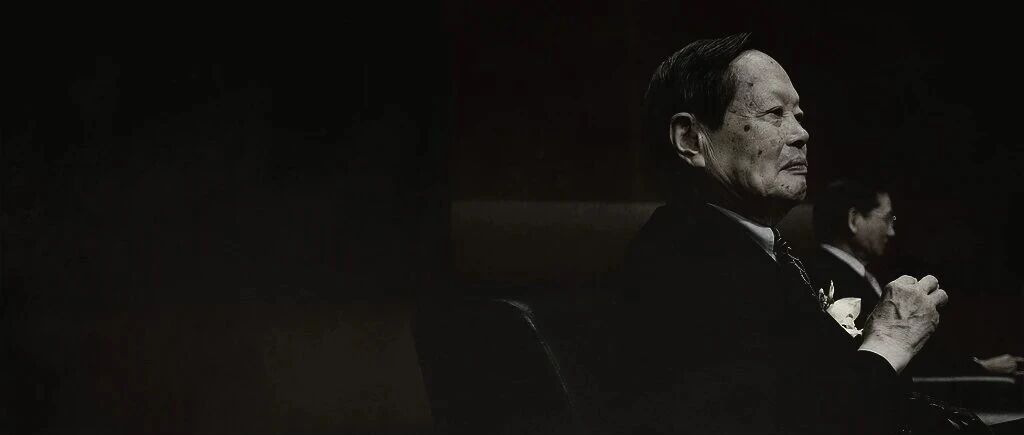
杨振宁心系家国——“归根居”前忆先生
Ren Min Ri Bao· 2025-10-18 23:31
Core Points - Renowned physicist Yang Zhenning, a Nobel Prize winner and academician of the Chinese Academy of Sciences, passed away on October 18 in Beijing at the age of 103 [1] Group 1: Personal Background and Contributions - Yang Zhenning was born in 1922 and studied in the United States in the 1940s, later returning to China to contribute to the scientific community [5] - He was awarded the Nobel Prize in Physics in 1957 for his work on "non-conservation of parity in weak interactions," which he co-developed with Li Zhengdao [5][7] - Yang emphasized that his achievements in science helped boost the confidence of the Chinese people, which he considered his most significant contribution [5] Group 2: Academic Influence and Legacy - Yang Zhenning played a crucial role in establishing theoretical physics research institutions in Chinese universities, including Sun Yat-sen University and Nankai University, starting in the 1980s [9] - He served as a mentor to many young scientists and was instrumental in attracting world-class scholars to Tsinghua University [9] - His commitment to education was evident as he taught undergraduate physics courses, inspiring students with his knowledge and experience [10] Group 3: National Pride and Vision - Yang Zhenning expressed a deep sense of national pride, stating that his life was dedicated to the development of China and physics [7][6] - He believed that establishing a truly independent physics center in China was more important than winning a Nobel Prize [8] - His writings reflect optimism about China's future in physics, indicating a belief that the country would shine brightly in the field [11]
杨振宁一生的三个时刻,别具启示意义
Nan Fang Du Shi Bao· 2025-10-18 23:09
Core Insights - The article highlights the life and contributions of Yang Zhenning, a renowned physicist and Nobel laureate, who passed away at the age of 103, emphasizing his impact on China's scientific and educational development [1][2][3] Group 1: Key Contributions - Yang Zhenning, along with Li Zhengdao, proposed the revolutionary idea of "non-conservation of parity in weak interactions," which earned them the Nobel Prize in Physics in 1957, marking a significant milestone as the first Nobel Prize awarded to a Chinese individual [1] - He served as the honorary director of Tsinghua University's Institute for Advanced Study from 1997 and became a professor in 1999, playing a crucial role in promoting academic exchanges between China and the United States [2] - Yang Zhenning renounced his U.S. citizenship in 2015 and became an academician of the Chinese Academy of Sciences, symbolizing a significant commitment to China's scientific community [3] Group 2: Educational and Talent Development - Yang's return to China in the 1990s inspired a wave of overseas Chinese scholars to visit China, highlighting the importance of national talent policies and environments in retaining high-level talent [2] - His life reflects three key phases in China's educational and talent development: the initial phase post-1949, the rapid development phase post-reform and opening-up, and the modernization phase of education and science [3] - Yang Zhenning's predictions about the emergence of Nobel laureates in China underscore the need for continued investment in basic sciences and the creation of a conducive environment for scientific research [3]
一生心怀家国 杨振宁:我的身体里循环着中华文化的血液
新浪财经· 2025-10-18 13:31
Core Viewpoint - The article commemorates the life and achievements of Yang Zhenning, a renowned physicist and Nobel laureate, highlighting his contributions to modern physics and his deep connection to Chinese culture and education [2][41]. Early Life and Education - Yang Zhenning was born on October 1, 1922, in Hefei, Anhui, and spent his early years in Tsinghua University, where his father was a professor [5][6]. - He excelled academically at Southwest Associated University, becoming its top student [4][9]. - Yang graduated from Southwest Associated University in 1942 with a thesis on group theory and molecular vibrations [12]. Academic Career and Contributions - In 1945, Yang Zhenning went to the United States as a public-funded student and studied at the University of Chicago, where he earned his Ph.D. in 1948 [15]. - He joined the Institute for Advanced Study in Princeton in 1949, marking the beginning of a distinguished academic career [18]. - In 1954, he co-developed the Yang-Mills theory, a significant advancement in gauge theory, laying the groundwork for the Standard Model of particle physics [21][22]. Nobel Prize and Recognition - Yang Zhenning, along with Li Zhengdao, was awarded the Nobel Prize in Physics in 1957 for their work on parity violation in weak interactions [24][27]. - He expressed pride in his Chinese heritage during the Nobel Prize ceremony, emphasizing his commitment to modern science [28]. Contributions to China - Yang Zhenning maintained a strong connection to China, advocating for the importance of fundamental scientific research and facilitating academic exchanges between China and the U.S. [31][34]. - He established the "Committee for Educational Exchange with China" to support Chinese scholars studying in the U.S. [34]. - In 1997, he became the honorary director of Tsinghua University's Institute for Advanced Study, contributing significantly to its development [35]. Legacy and Impact - Yang Zhenning's work in various fields of physics has had a profound impact, earning him numerous accolades and honorary degrees from prestigious institutions worldwide [43]. - He is recognized as one of the greatest physicists of the 20th century, with his theories being foundational to modern physics [41][44]. - His life symbolizes a bridge between Eastern and Western cultures, reflecting a commitment to both scientific inquiry and national pride [44][47].
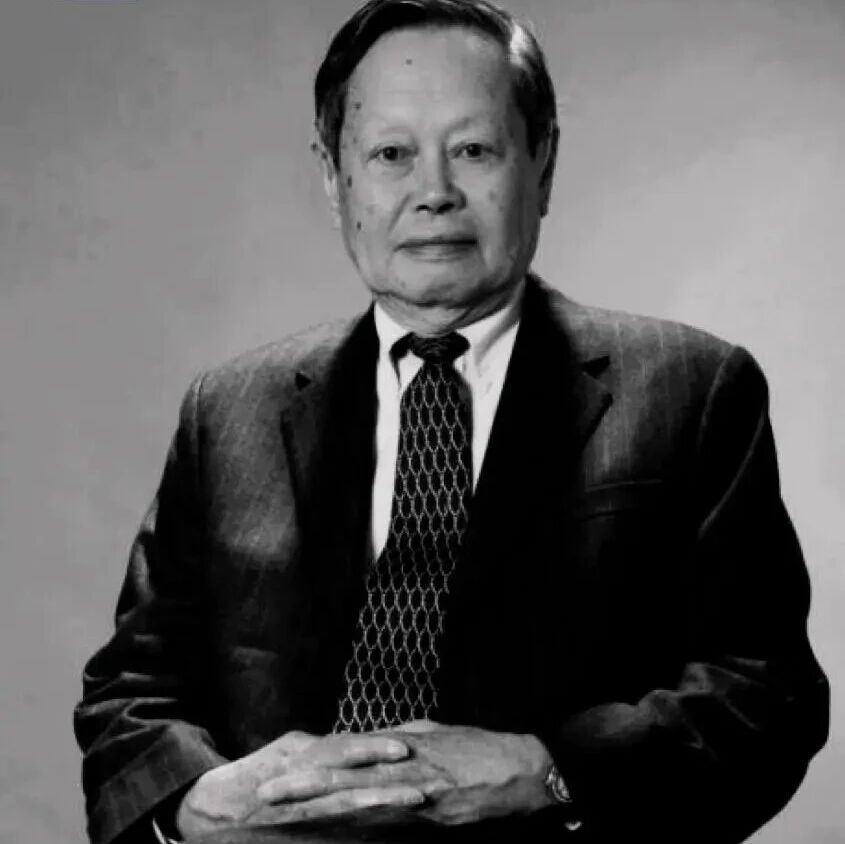
新华时评|向宇宙问路,为祖国燃灯
Xin Hua She· 2025-10-18 13:04
Core Viewpoint - The news highlights the passing of Yang Zhenning, a renowned physicist, at the age of 103, emphasizing his significant contributions to modern physics and his dedication to China's scientific development [1][2]. Group 1: Contributions to Physics - Yang Zhenning, alongside Li Zhengdao, proposed the concept of "non-conservation of parity in weak interactions," earning the Nobel Prize in Physics in 1957 [1]. - He co-developed the Yang-Mills theory, which is considered one of the foundational theories of modern physics, comparable to Maxwell's equations and Einstein's general relativity [1]. - His achievements spanned multiple fields, including particle physics, field theory, statistical physics, and condensed matter physics, profoundly influencing the development of these areas [1]. Group 2: Impact on Education and Scientific Exchange - Yang Zhenning played a crucial role in fostering scientific exchange between China and the West, supporting Chinese scholars to study in the U.S. [2]. - After returning to China, he taught undergraduate courses in "General Physics" at Tsinghua University, dedicating himself to the development of basic sciences and talent cultivation [2]. - His life exemplified the ideals of Chinese scientists, blending traditional culture with innovative scientific spirit, and demonstrating a deep sense of patriotism and commitment to education [2]. Group 3: Legacy and Inspiration - Yang Zhenning's journey from a curious youth to a leading scientist reflects a lifelong quest for knowledge, inspiring future generations of scientists [2]. - His spirit and contributions are expected to continue motivating scientists in their pursuit of progress for science, national prosperity, and human welfare [2][3].
杨振宁先生留给世界的四条“底层代码”
Hu Xiu· 2025-10-18 09:11
Core Insights - The passing of Yang Zhenning, a renowned physicist and Nobel laureate, marks the end of an era, with his contributions to modern physics being celebrated globally [1][2][3][4][5] Group 1: Contributions to Physics - Yang Zhenning's work, particularly the Yang-Mills theory and the concept of parity violation, laid the foundation for the Standard Model of particle physics, which is considered one of the most significant theories in modern physics [2][11] - His discovery of the Yang-Baxter equation opened new directions in statistical physics and quantum groups, influencing various fields [3][4] Group 2: Impact on Education and Research - Yang Zhenning played a crucial role in promoting scientific research and education in China, establishing the Tsinghua University Institute for Advanced Study and advocating for the restoration of fundamental scientific research [3][4][17] - His return to China and efforts in establishing a strong academic network have significantly influenced the development of higher education and research in the country [17][18] Group 3: Business and Innovation Insights - The article outlines four "underlying codes" derived from Yang Zhenning's work that are applicable to business and innovation: 1. The importance of foundational research in creating sustainable competitive advantages, emphasizing that true value often lies in unseen theoretical advancements rather than immediate applications [10][12] 2. The necessity of collaborative innovation, highlighting that significant breakthroughs often result from collective efforts rather than individual genius [13][14] 3. The need to break conventional norms in talent strategy, encouraging organizations to adopt non-traditional approaches to attract and retain top talent [16][18] 4. The value of long-term strategic thinking, advocating for a focus on enduring contributions rather than short-term gains [19][22] Group 4: Legacy and Future Guidance - Yang Zhenning's legacy serves as a guide for future generations, emphasizing the importance of respecting foundational research, fostering collaborative environments, breaking norms in talent acquisition, and maintaining a long-term vision [23][24]

沉痛悼念!杨振宁因病逝世,享年103岁
Zheng Quan Shi Bao Wang· 2025-10-18 05:30
Core Points - Renowned physicist and Nobel laureate Yang Zhenning passed away on October 18, 2025, in Beijing at the age of 103 [1] Group 1: Biography and Education - Yang Zhenning was born in 1922 in Hefei, Anhui, and moved to Tsinghua University in 1929 [3] - He studied at Southwest Associated University in 1938, graduated with a master's degree from Tsinghua University in 1944, and obtained his Ph.D. from the University of Chicago in 1948 [3] - He held various prestigious academic positions, including at Princeton and Stony Brook University, and was a professor at Tsinghua University from 1999 [3] Group 2: Contributions to Physics - Yang Zhenning is considered one of the greatest physicists of the 20th century, contributing significantly to modern physics [4] - He co-developed the Yang-Mills theory, which laid the foundation for the standard model of particle physics, comparable to Maxwell's equations and Einstein's general relativity [4] - He and Li Zhengdao proposed the revolutionary idea of parity violation in weak interactions, earning the Nobel Prize in Physics in 1957 [4] - Yang discovered the Yang-Baxter equation, which opened new directions in statistical physics and quantum groups [4] Group 3: Impact on Education and Science in China - Yang Zhenning was deeply committed to China's educational and scientific development, initiating a wave of visits by Chinese scholars to the U.S. [5] - He established the "Committee for Educational Exchange with China," funding nearly a hundred Chinese scholars to study in the U.S., significantly impacting China's technological advancement [5] - After returning to Tsinghua, he dedicated himself to the development of the Institute for Advanced Study, influencing the reform and development of higher education in China [5]
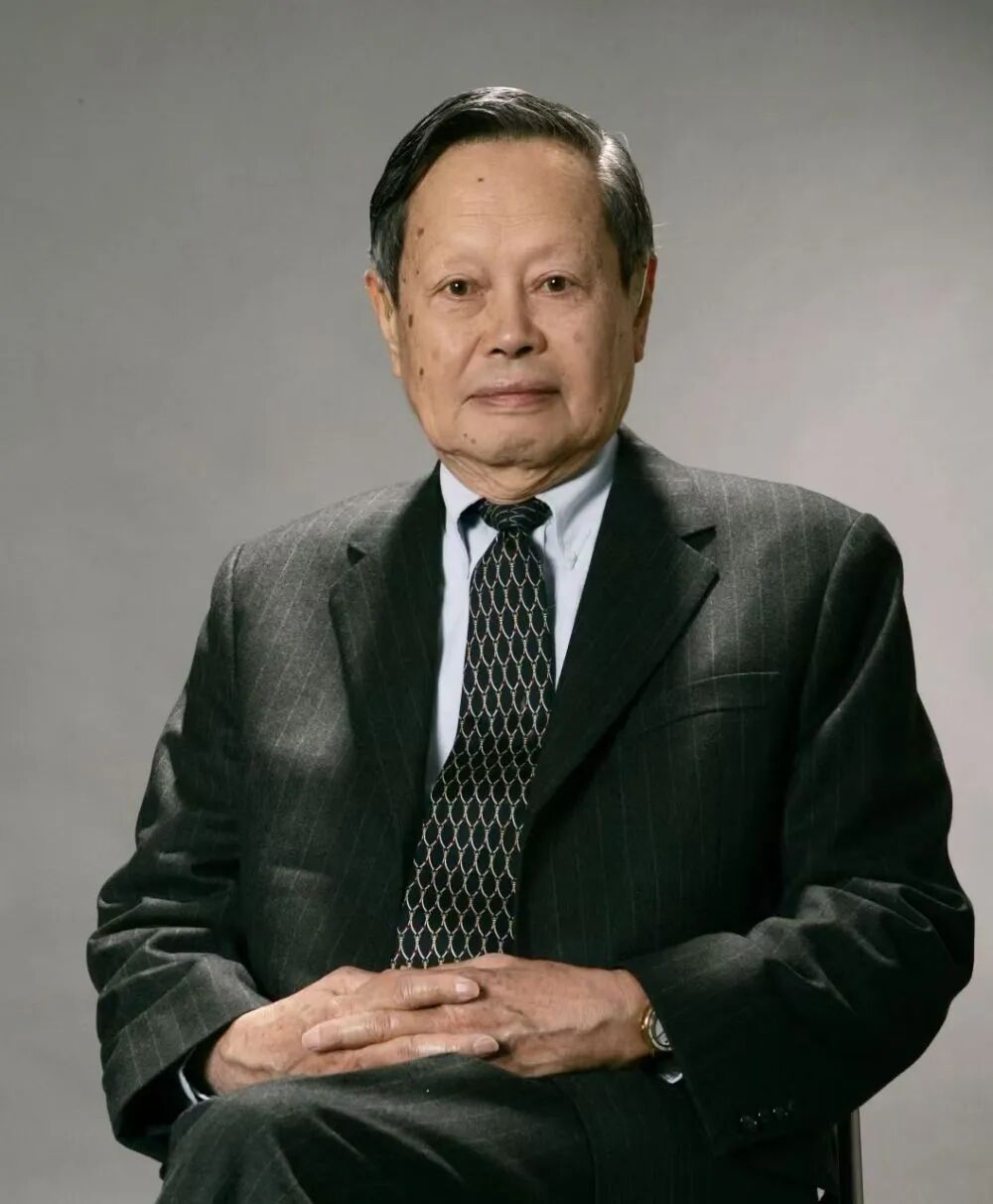
杨振宁先生生平
中国基金报· 2025-10-18 05:22
Core Viewpoint - Yang Zhenning is a renowned physicist and Nobel laureate whose contributions to modern physics, particularly in particle physics and field theory, have had a profound impact on the scientific community and education in China [25][26]. Education and Early Career - Yang Zhenning was born in 1922 in Hefei, Anhui, and spent his early years in Tsinghua University, where he later completed his master's degree in 1944 [1][3]. - He pursued further studies in the United States, earning a Ph.D. from the University of Chicago in 1948 under the guidance of Professor Taylor [6][8]. Major Contributions to Physics - In 1954, Yang and Mills proposed the "non-Abelian gauge field" theory, which laid the groundwork for the Standard Model of particle physics, unifying weak, strong, and electromagnetic interactions [8][12]. - Yang's work on parity violation in weak interactions, co-authored with Li Zhengdao, led to their Nobel Prize in Physics in 1957, marking a significant milestone for Chinese scientists [12][16]. Influence on Chinese Science and Education - Yang Zhenning returned to China in 1971, advocating for the importance of fundamental scientific research and establishing connections between Chinese and American academia [17][18]. - He played a crucial role in the establishment of various research institutions and funding initiatives in China, significantly contributing to the development of theoretical physics and education [18][19]. Later Life and Legacy - Yang Zhenning became a professor at Tsinghua University in 1999, where he continued to influence the next generation of physicists and contributed to the development of various scientific disciplines [19][23]. - His numerous accolades include membership in prestigious academies worldwide and over 20 honorary doctorates, reflecting his global impact on science [25]. - Yang's life and work symbolize a bridge between Eastern and Western scientific traditions, embodying a commitment to education and research that resonates through generations [26].