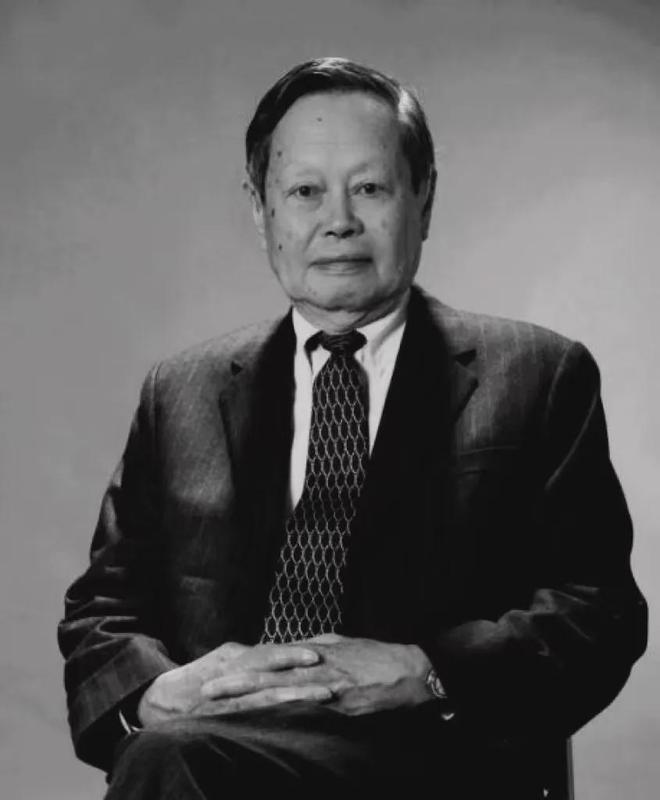
杨-米尔斯规范场论

Search documents
署名文章:学耀星汉,心怀家国——深切缅怀杨振宁先生
Xin Lang Cai Jing· 2025-10-24 16:01
Core Viewpoint - The passing of Yang Zhenning, a renowned physicist and Nobel laureate, marks a significant loss for both China and the global scientific community, as he made monumental contributions to modern physics and education [1][10]. Group 1: Contributions to Physics - Yang Zhenning co-developed the Yang-Mills theory, which is foundational to the standard model of particle physics, comparable to Maxwell's equations and Einstein's general relativity [1]. - He introduced the revolutionary concept of parity violation in weak interactions, earning the Nobel Prize in Physics in 1957, becoming one of the first Chinese Nobel laureates [1]. - His work on the Yang-Baxter equation opened new avenues in statistical physics and quantum groups, significantly impacting various fields of physics [1]. Group 2: Academic Journey and Influence - Yang Zhenning's academic journey began at Tsinghua University, where he was deeply influenced by a rich academic environment, later excelling at Southwest Associated University and Princeton [2]. - He established the Tsinghua University Institute for Advanced Study in 1997, significantly contributing to talent recruitment and discipline development in Chinese higher education [3][7]. - Yang Zhenning emphasized the importance of nurturing independent thinking in students, advocating for a broad and practical approach to education [7][8]. Group 3: National Contributions and Legacy - He played a pivotal role in promoting scientific exchanges between China and the United States, particularly during the normalization of relations in the 1970s [6][7]. - Yang Zhenning provided critical insights into China's scientific policies and major projects, influencing the development of theoretical physics in various Chinese universities [7]. - His dedication to education and talent cultivation has left a lasting impact, with many scholars benefiting from his initiatives and support [8][9]. Group 4: Personal Philosophy and Values - Yang Zhenning embodied a spirit of humility and dedication, often emphasizing the importance of sincerity and hard work in scientific research [9]. - He maintained a simple lifestyle and was known for his egalitarian approach, treating everyone with respect regardless of their status [9]. - His life and work reflect a deep commitment to his homeland, with a strong desire to contribute to China's scientific and educational advancement [5][6].
科学星辰陨落,“归根”之光永远明亮
Bei Jing Qing Nian Bao· 2025-10-20 03:35
Core Insights - The passing of renowned physicist Yang Zhenning at the age of 103 marks a significant loss for the global physics community and Chinese scientific education [1] - Yang's contributions to modern physics, including the Yang-Mills theory and the concept of parity violation, have established foundational theories that are pivotal in particle physics [1][2] - His commitment to education and mentorship has fostered a new generation of physicists who are now key figures in the international physics community [2] Contributions to Science - Yang Zhenning proposed the Yang-Mills theory at the age of 32, which is regarded as a fundamental theory alongside Maxwell's equations and Einstein's general relativity [1] - He won the Nobel Prize in Physics at 35 for his work on parity violation in weak interactions, making him one of the fastest recipients of the award in history [1] - The Yang-Baxter equation, discovered later, opened new avenues in statistical physics and quantum group research [1] Educational Impact - Yang was dedicated to teaching and mentoring students, continuing to lecture at Tsinghua University even at the age of 82 [2] - His interdisciplinary approach broke down barriers between mathematics and physics, enhancing the dialogue between the two fields [2] - He actively participated in policy-making to strengthen basic scientific research and supported major scientific projects in China [3] Contributions to Sino-American Relations - Yang played a crucial role in establishing academic exchanges between China and the United States following the "ping-pong diplomacy" in 1971 [2] - He facilitated the establishment of the China-U.S. High Energy Physics Joint Committee and helped fund educational exchanges for Chinese scholars [2] Legacy and National Sentiment - Yang's deep concern for China's scientific development led him to donate his savings and property to support research initiatives [3] - His actions reflected a strong sense of national identity, culminating in his decision to renounce U.S. citizenship and become a member of the Chinese Academy of Sciences [3] - Yang's legacy is characterized by his relentless pursuit of scientific excellence, dedication to education, and unwavering commitment to his homeland [3][4]
一生心怀家国 杨振宁:我的身体里循环着中华文化的血液
新浪财经· 2025-10-18 13:31
Core Viewpoint - The article commemorates the life and achievements of Yang Zhenning, a renowned physicist and Nobel laureate, highlighting his contributions to modern physics and his deep connection to Chinese culture and education [2][41]. Early Life and Education - Yang Zhenning was born on October 1, 1922, in Hefei, Anhui, and spent his early years in Tsinghua University, where his father was a professor [5][6]. - He excelled academically at Southwest Associated University, becoming its top student [4][9]. - Yang graduated from Southwest Associated University in 1942 with a thesis on group theory and molecular vibrations [12]. Academic Career and Contributions - In 1945, Yang Zhenning went to the United States as a public-funded student and studied at the University of Chicago, where he earned his Ph.D. in 1948 [15]. - He joined the Institute for Advanced Study in Princeton in 1949, marking the beginning of a distinguished academic career [18]. - In 1954, he co-developed the Yang-Mills theory, a significant advancement in gauge theory, laying the groundwork for the Standard Model of particle physics [21][22]. Nobel Prize and Recognition - Yang Zhenning, along with Li Zhengdao, was awarded the Nobel Prize in Physics in 1957 for their work on parity violation in weak interactions [24][27]. - He expressed pride in his Chinese heritage during the Nobel Prize ceremony, emphasizing his commitment to modern science [28]. Contributions to China - Yang Zhenning maintained a strong connection to China, advocating for the importance of fundamental scientific research and facilitating academic exchanges between China and the U.S. [31][34]. - He established the "Committee for Educational Exchange with China" to support Chinese scholars studying in the U.S. [34]. - In 1997, he became the honorary director of Tsinghua University's Institute for Advanced Study, contributing significantly to its development [35]. Legacy and Impact - Yang Zhenning's work in various fields of physics has had a profound impact, earning him numerous accolades and honorary degrees from prestigious institutions worldwide [43]. - He is recognized as one of the greatest physicists of the 20th century, with his theories being foundational to modern physics [41][44]. - His life symbolizes a bridge between Eastern and Western cultures, reflecting a commitment to both scientific inquiry and national pride [44][47].

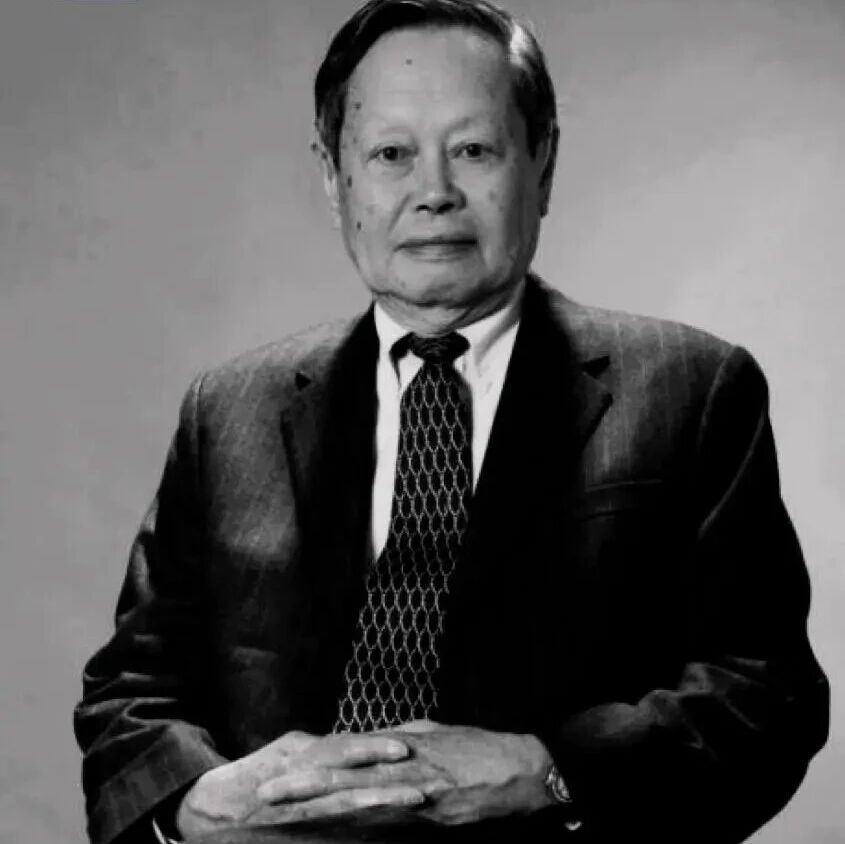
杨振宁先生留给世界的四条“底层代码”
虎嗅APP· 2025-10-18 09:48
Core Viewpoint - The article reflects on the life and contributions of Yang Zhenning, emphasizing his profound impact on modern physics and the lessons his work offers to the business world, particularly in terms of foundational research, collaboration, talent strategy, and long-term vision [12][24]. Group 1: Foundational Research - Yang Zhenning's significant contributions, such as the Yang-Mills theory and the concept of parity violation, highlight the importance of foundational research in creating deep competitive advantages for businesses [14][15]. - The article argues that true, sustainable competitive advantages often stem from invisible foundational theories rather than visible products, urging companies to invest in long-term basic research [15][16]. Group 2: Collaborative Innovation - The collaborative nature of Yang Zhenning's achievements, including his partnerships with other prominent scientists, illustrates the necessity of creating environments that foster collective innovation [16][17]. - Businesses are encouraged to design organizational structures that promote collaboration and allow diverse experts to engage freely, thus enhancing innovation potential [17][18]. Group 3: Talent Strategy - The concept of parity violation serves as a metaphor for breaking conventional norms in talent acquisition, suggesting that organizations should adopt non-traditional strategies to attract top talent [18][20]. - Yang Zhenning's return to China symbolizes a shift in the global talent landscape, indicating that organizations must be open to diverse backgrounds and unconventional paths to attract exceptional talent [19][20]. Group 4: Long-term Vision - Yang Zhenning's life choices reflect a strategic long-term vision, emphasizing the importance of aligning personal and organizational goals with broader societal progress [21][22]. - The article advocates for businesses to adopt a long-term perspective, focusing on enduring value creation rather than short-term financial gains, as exemplified by successful companies like Amazon and Microsoft [23][24].
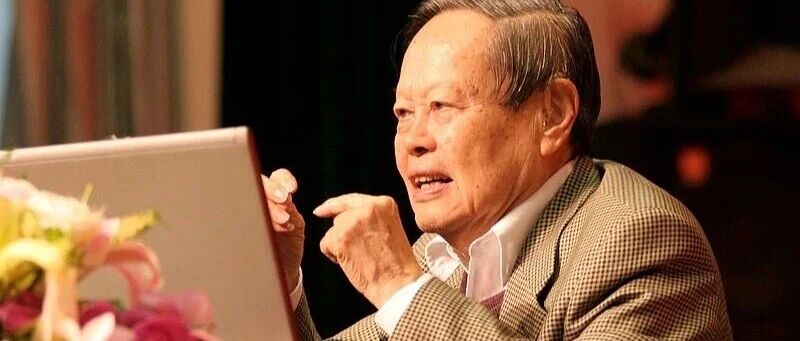
杨振宁先生留给世界的四条“底层代码”
Hu Xiu· 2025-10-18 09:11
Core Insights - The passing of Yang Zhenning, a renowned physicist and Nobel laureate, marks the end of an era, with his contributions to modern physics being celebrated globally [1][2][3][4][5] Group 1: Contributions to Physics - Yang Zhenning's work, particularly the Yang-Mills theory and the concept of parity violation, laid the foundation for the Standard Model of particle physics, which is considered one of the most significant theories in modern physics [2][11] - His discovery of the Yang-Baxter equation opened new directions in statistical physics and quantum groups, influencing various fields [3][4] Group 2: Impact on Education and Research - Yang Zhenning played a crucial role in promoting scientific research and education in China, establishing the Tsinghua University Institute for Advanced Study and advocating for the restoration of fundamental scientific research [3][4][17] - His return to China and efforts in establishing a strong academic network have significantly influenced the development of higher education and research in the country [17][18] Group 3: Business and Innovation Insights - The article outlines four "underlying codes" derived from Yang Zhenning's work that are applicable to business and innovation: 1. The importance of foundational research in creating sustainable competitive advantages, emphasizing that true value often lies in unseen theoretical advancements rather than immediate applications [10][12] 2. The necessity of collaborative innovation, highlighting that significant breakthroughs often result from collective efforts rather than individual genius [13][14] 3. The need to break conventional norms in talent strategy, encouraging organizations to adopt non-traditional approaches to attract and retain top talent [16][18] 4. The value of long-term strategic thinking, advocating for a focus on enduring contributions rather than short-term gains [19][22] Group 4: Legacy and Future Guidance - Yang Zhenning's legacy serves as a guide for future generations, emphasizing the importance of respecting foundational research, fostering collaborative environments, breaking norms in talent acquisition, and maintaining a long-term vision [23][24]

杨振宁先生生平
财联社· 2025-10-18 05:20
Core Viewpoint - The article commemorates the life and achievements of Yang Zhenning, a renowned physicist and Nobel laureate, who passed away at the age of 103, highlighting his significant contributions to modern physics and his impact on scientific development in China [1][27]. Biography Summary - Yang Zhenning was born on October 1, 1922, in Hefei, Anhui, and spent his early years in Tsinghua University, where his father was a professor [2]. - He graduated from Southwest Associated University in 1942 and later pursued further studies at the University of Chicago, earning his Ph.D. in 1948 [5][10]. - Yang Zhenning made groundbreaking contributions to physics, including the Yang-Mills theory and the concept of parity violation in weak interactions, for which he received the Nobel Prize in Physics in 1957 [12][17]. Academic Contributions - The Yang-Mills theory, proposed in 1954, is considered a cornerstone of modern physics and laid the foundation for the Standard Model of particle physics [12]. - His work on parity violation with Li Zhengdao led to significant advancements in the understanding of fundamental particles [17]. - Yang Zhenning's discovery of the Yang-Baxter equation in 1967 opened new avenues in statistical physics and quantum theory [20]. Influence on Science and Education - Yang Zhenning played a crucial role in promoting scientific exchange between China and the United States, especially during the normalization of relations in the 1970s [21][22]. - He established several initiatives to support Chinese scholars and contributed to the development of theoretical physics research institutions in China [22][23]. - After returning to Tsinghua University in 1999, he continued to influence education and research, significantly impacting the development of various scientific disciplines [23]. Legacy - Yang Zhenning is recognized as one of the greatest physicists of the 20th century, with numerous accolades, including membership in various prestigious academies and over 20 honorary doctorates [27]. - His life and work symbolize a bridge between Eastern and Western cultures, embodying a commitment to scientific exploration and national pride [28].
一生心怀家国 杨振宁:我的身体里循环着中华文化的血液
Yang Shi Xin Wen· 2025-10-18 05:06
Core Viewpoint - Yang Zhenning, a renowned physicist and Nobel laureate, passed away on October 18, 2025, in Beijing at the age of 103 [1] Group 1: Early Life and Education - Yang Zhenning was born on October 1, 1922, in Hefei, Anhui, and moved to Tsinghua University with his family in 1929 [3] - He attended Southwest Associated University, where he excelled academically and was noted as the best student [6] - Yang graduated from Southwest Associated University in 1942 and later pursued graduate studies at Tsinghua University [8] Group 2: Academic Career and Contributions - In 1945, Yang went to the United States as a Tsinghua University government-sponsored student and studied at the University of Chicago [9] - He developed significant theories, including the Yang-Mills theory in 1954, which laid the groundwork for the Standard Model of particle physics [14][16] - Yang and Li Zhengdao proposed the concept of parity violation in weak interactions in 1956, leading to their Nobel Prize in Physics in 1957 [19] Group 3: Influence and Legacy - Yang Zhenning played a crucial role in promoting scientific exchange between China and the West, especially after the thawing of Sino-American relations in the 1970s [22][24] - He established various educational initiatives and funds to support Chinese scholars studying abroad [29][31] - Yang's contributions to physics and education have been recognized globally, with numerous awards and honors, including the naming of an asteroid after him [36]
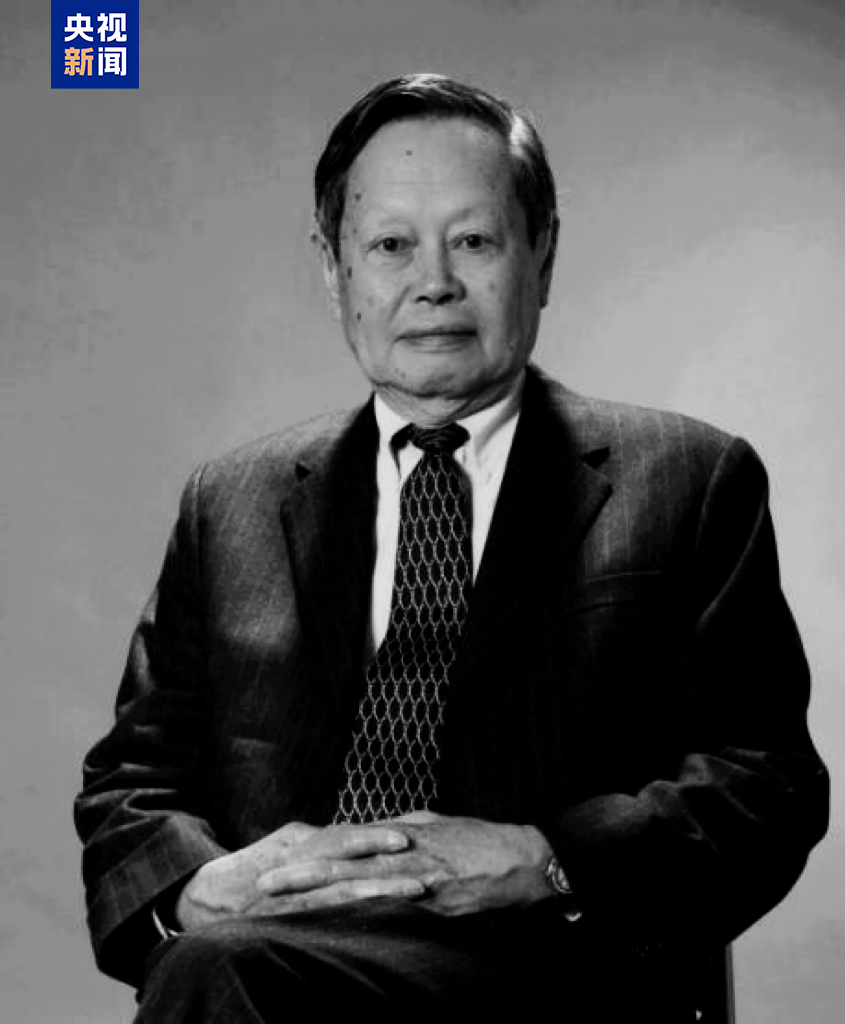
著名物理学家、诺贝尔物理学奖得主杨振宁先生因病逝世
Feng Huang Wang· 2025-10-18 04:53
Core Viewpoint - Renowned physicist Yang Zhenning passed away on October 18, 2025, at the age of 103, leaving behind a legacy of significant contributions to modern physics and education in China [1]. Group 1: Personal Background - Yang Zhenning was born in 1922 in Hefei, Anhui, and moved to Tsinghua University in 1929. He studied at Southwest Associated University and later earned a master's degree from Tsinghua University [3]. - He pursued further studies in the United States, obtaining a Ph.D. from the University of Chicago in 1948 and subsequently working at Princeton University [3]. Group 2: Contributions to Physics - Yang Zhenning, along with Mills, developed the Yang-Mills theory, which laid the groundwork for the standard model of particle physics, considered one of the cornerstones of modern physics [3]. - He collaborated with Li Zhengdao to propose the revolutionary idea of parity violation in weak interactions, earning the Nobel Prize in Physics in 1957, making them among the first Chinese Nobel laureates [4]. - His discovery of the Yang-Baxter equation opened new directions in statistical physics and quantum groups, significantly impacting various fields of physics [4]. Group 3: Influence and Honors - Yang Zhenning received numerous accolades, including the National Medal of Science and over twenty honorary doctorates from prestigious universities worldwide [4]. - He was a foreign member of several academies and played a crucial role in promoting scientific research and education in China, particularly after his first visit in 1971 [5]. - His efforts in establishing the "Committee for Educational Exchange with China" helped fund nearly a hundred Chinese scholars to study in the U.S., contributing to China's scientific development [5]. Group 4: Legacy - Yang Zhenning's life is characterized by a commitment to exploration and a deep connection to his homeland, influencing the development of higher education and scientific research in China [5]. - His scholarly attitude, encapsulated in the phrase "宁拙毋巧,宁朴毋华," reflects his dedication to simplicity and authenticity in both his academic and personal life [5].
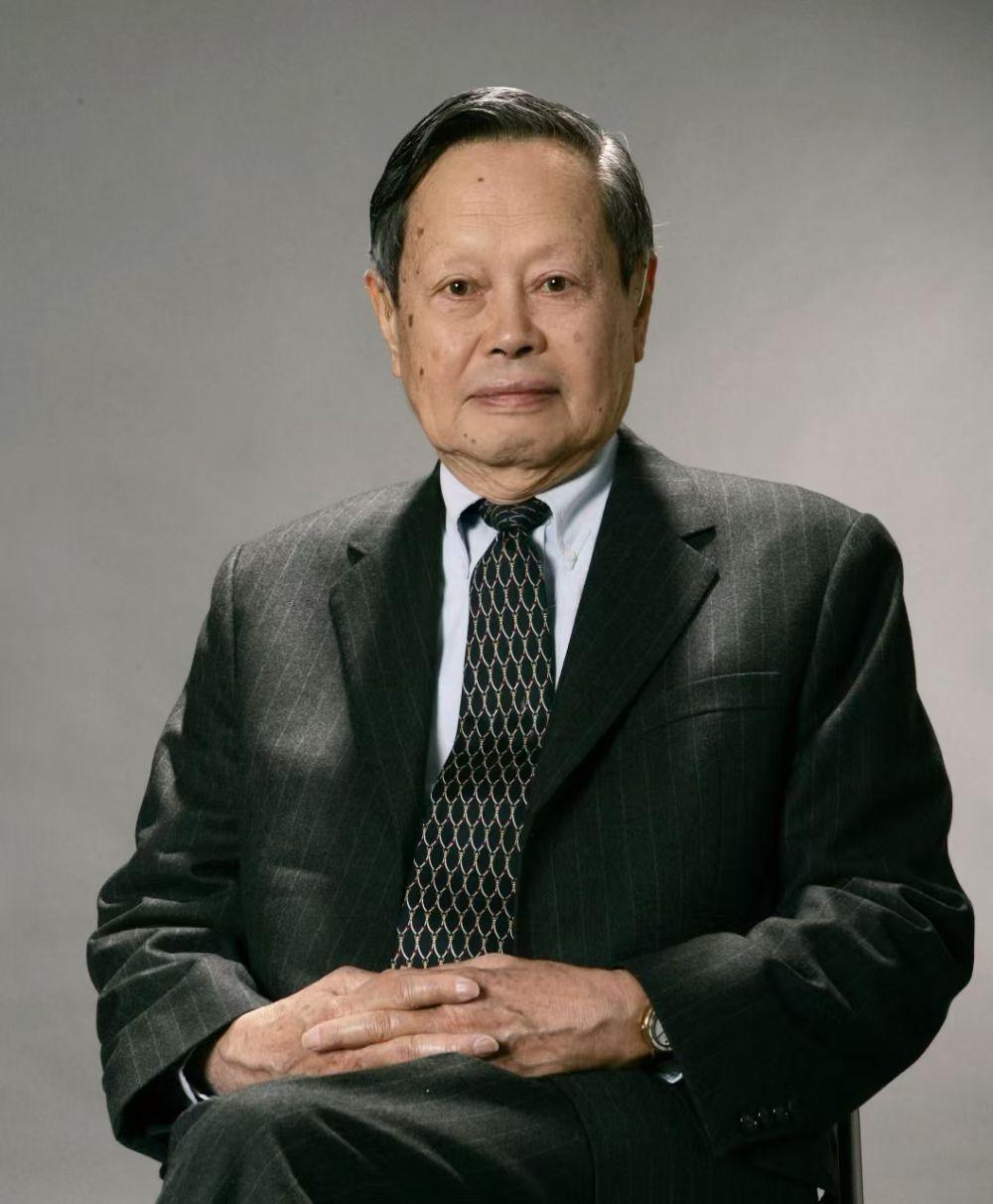
沉痛悼念!杨振宁逝世,享年103岁
中国能源报· 2025-10-18 04:47
Core Viewpoint - The article commemorates the life and contributions of Yang Zhenning, a renowned physicist and Nobel laureate, highlighting his significant impact on modern physics and his dedication to education and scientific development in China [4][5]. Group 1: Personal Background - Yang Zhenning was born in 1922 in Hefei, Anhui, and moved to Tsinghua University in 1929. He studied at Southwest Associated University and later earned a master's degree from Tsinghua University [3]. - He pursued further studies in the United States, obtaining a Ph.D. from the University of Chicago in 1948 and subsequently working at Princeton University [3]. Group 2: Scientific Contributions - Yang Zhenning is recognized as one of the greatest physicists of the 20th century, co-developing the Yang-Mills theory, which laid the groundwork for the standard model of particle physics [4]. - He was awarded the Nobel Prize in Physics in 1957 for his revolutionary ideas on parity violation in weak interactions, becoming one of the first Chinese Nobel laureates [4]. - His work on the Yang-Baxter equation opened new directions in statistical physics and quantum groups, influencing multiple fields including particle physics and condensed matter physics [4]. Group 3: Contributions to Education and Science in China - Yang Zhenning played a pivotal role in fostering academic exchanges between China and the United States, initiating a wave of visits by Chinese scholars to the U.S. [5]. - He established the "Committee for Educational Exchange with China," funding nearly a hundred Chinese scholars to study in the U.S., significantly contributing to China's scientific development [5]. - Upon returning to Tsinghua University, he dedicated himself to the development of the Institute for Advanced Study, impacting the reform and growth of higher education in China [5].
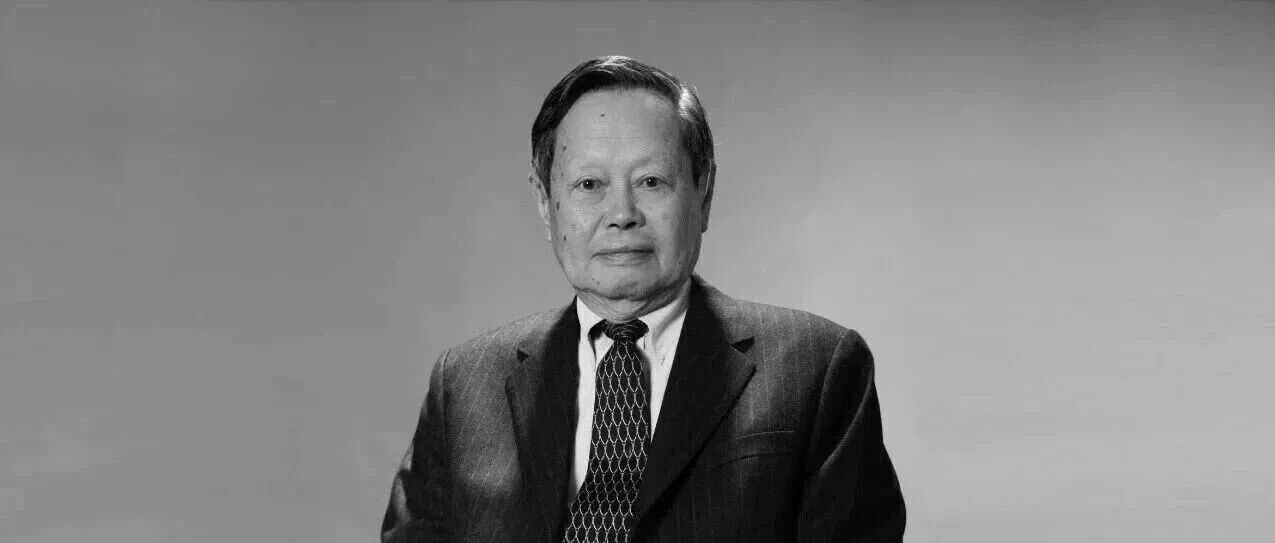
痛悼!杨振宁今日病逝,享年103岁
Nan Fang Du Shi Bao· 2025-10-18 04:46
Core Points - Renowned physicist Yang Chen-Ning, a Nobel Prize laureate and academician of the Chinese Academy of Sciences, passed away on October 18, 2025, in Beijing at the age of 103 [1] Group 1: Early Life and Education - Yang Chen-Ning was born on October 1, 1922, in Hefei, Anhui Province [4] - He attended Tsinghua University and was noted as the best student at Southwest Associated University [3][7] - Yang graduated from Southwest Associated University in 1942 with a thesis on group theory and multi-atomic molecular vibrations [9] Group 2: Academic Career - In 1945, Yang went to the United States as a Tsinghua University government-funded student and studied at the University of Chicago [11] - He earned his Ph.D. in 1948 with a dissertation on nuclear reactions and angular distributions [11] - Yang joined the Institute for Advanced Study in Princeton in 1949, where he began a distinguished academic career [13] Group 3: Major Contributions - In 1954, Yang and Mills proposed the "non-Abelian gauge field" theory, which laid the groundwork for the Standard Model of particle physics [16][18] - Yang and Li Zhengdao were awarded the Nobel Prize in Physics in 1957 for their work on parity violation in weak interactions [20][22] - He discovered the key equation for one-dimensional quantum many-body problems in 1967, leading to the development of the Yang-Baxter equation [24] Group 4: Influence and Legacy - Yang maintained a strong connection to his Chinese heritage and contributed significantly to scientific exchanges between China and the U.S. [26][28] - He played a crucial role in promoting basic scientific research in China and was involved in various educational initiatives [30][32] - Yang's contributions to physics have been recognized globally, with numerous awards and honors, including the establishment of the "Yang Chen-Ning Star" in 1997 [36]