
战略自主安全

Search documents
大宗商品的“地缘安全溢价”(国金宏观陈瀚学)
雪涛宏观笔记· 2026-02-08 12:00
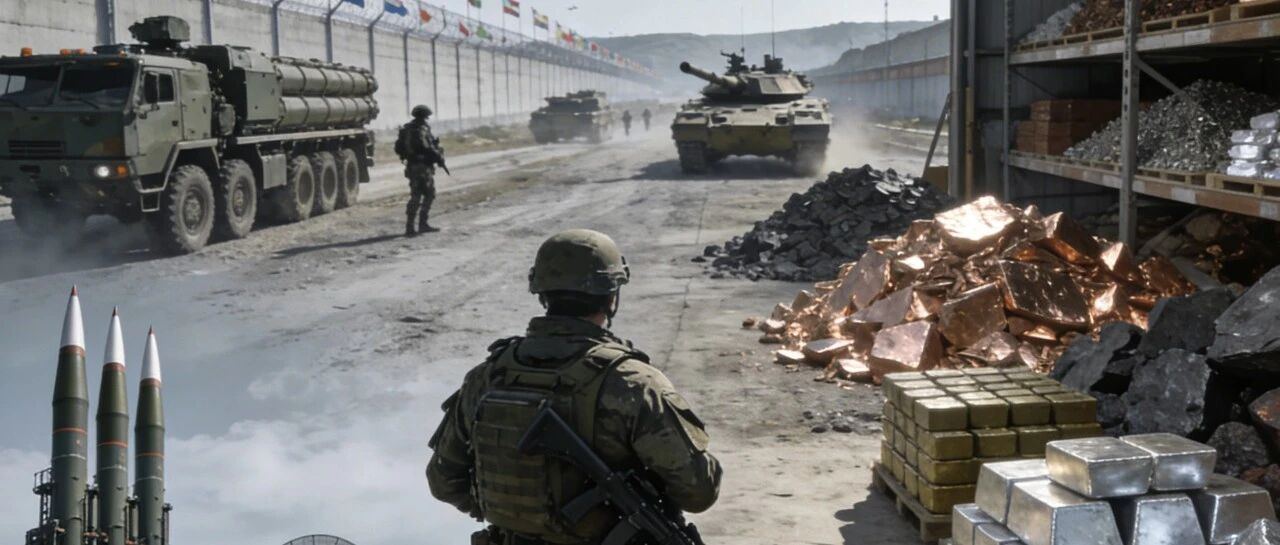
Group 1 - The article emphasizes the weakening of the post-World War II rules-based international order, with countries prioritizing strategic autonomy and security, leading to increased resilience investments in energy, food, and critical minerals [4][30] - The concept of "geopolitical security premium" is highlighted as a significant pricing factor for commodities in 2026, driven by national security strategies and the need for strategic reserves [5][30] - Historical insights from the Cold War indicate that national security-driven demand can surpass long industrial cycles, significantly impacting metal prices [6][30] Group 2 - The article discusses the concentration of supply and the dependency on critical minerals, with various countries publishing lists of key minerals to enhance supply chain security [12][14] - The U.S. relies heavily on imports for many critical minerals, with 12 out of 50 minerals completely dependent on net imports, highlighting vulnerabilities in supply chains [14] - The geopolitical landscape shows that resource-rich countries, like the Democratic Republic of Congo for cobalt, are gaining leverage through export controls, reminiscent of Cold War strategies [21][30] Group 3 - Demand for critical minerals such as aluminum, graphite, and cobalt is essential for defense industries, with specific applications in weaponry and aerospace [22][23] - The article outlines the strategic importance of various metals, including titanium and tungsten, in military applications, emphasizing their role in national defense [23][30] - The current global context of geopolitical tensions and supply chain vulnerabilities is expected to elevate the "security premium" on commodities, influencing market dynamics [30]


欧盟发布《欧洲电池协议》,其主旨与用意何在?
Zhong Guo Qi Che Bao Wang· 2025-11-25 02:48
Core Insights - The European Battery Agreement aims to establish a sustainable and inclusive battery industry chain, ensuring Europe's technological sovereignty and industrial competitiveness in the global market [3][4]. Group 1: Key Objectives - The agreement focuses on four pillars: innovation, production, procurement, and security, to create a unified battery industry strategy [4]. - It emphasizes the importance of lifecycle management for batteries, complementing the EU's new battery law to enhance environmental regulation and resource recovery [5]. Group 2: Strategic Importance - The agreement is seen as a strategic move to reshape the battery industry landscape, addressing environmental and economic goals while enhancing global competitiveness [6]. - It aims to reduce reliance on imports of critical metals like lithium, cobalt, and nickel, thereby mitigating risks associated with price volatility and supply chain autonomy [6][7]. Group 3: Innovation and Sustainability - The agreement encourages R&D investments to drive breakthroughs in battery technology, targeting a 40% increase in energy density and a 30% reduction in production costs by 2030 [5]. - It introduces a digital "battery passport" to ensure traceability of raw materials and compliance with environmental standards throughout the battery lifecycle [5]. Group 4: Market Dynamics - The agreement sets regulatory barriers that may increase the cost of compliance for non-European battery manufacturers, potentially providing a competitive edge to local companies [7]. - It highlights the need for European companies to adapt to regional regulations and innovate to remain competitive in the global electric vehicle market [8].
