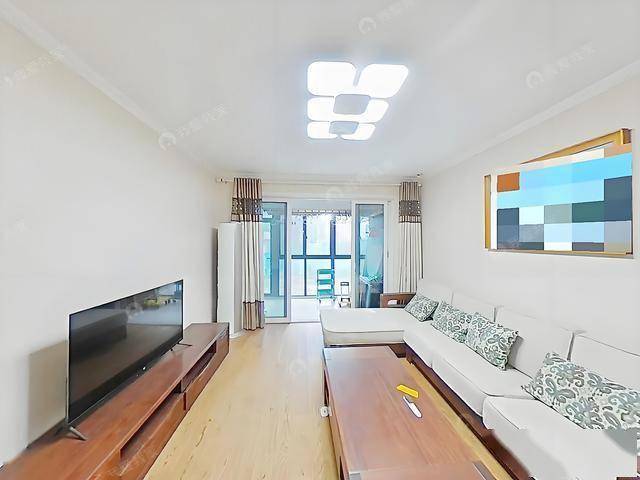
房产置换

Search documents
卖房资金流向哪里-如何影响房价
2026-03-19 02:39
Summary of Key Points from Conference Call Industry Overview - The conference call primarily discusses the real estate market dynamics in China, focusing on the behavior of homeowners selling properties and their subsequent purchasing decisions. Core Insights and Arguments - **Home Selling Motivations**: 84% of homeowners sell their properties for value preservation or replacement purposes, but only 33% convert this into actual purchasing power, with 67% either exiting the market or remaining in a wait-and-see mode [1][2] - **Quick Selling and Buying Behavior**: The replacement group exhibits a "quick sell, quick buy" characteristic, with 66% listing their properties within three months and 54% completing their purchases within one month after selling [1][4] - **Market Expectations**: 47% of participants are bearish about the market, while 17% are uncertain. Cities like Shanghai and Shenzhen are expected to stabilize first by 2026, with Shanghai's second-hand home negotiation space shrinking to 3%-5% [1][12] - **New vs. Second-Hand Homes**: New home sales are struggling due to high price differences with second-hand homes and inflexible pricing from state-owned enterprises. Key factors for new home buyers include layout, usable area, and property management [1][15] Important but Overlooked Content - **Financial Allocation Post-Sale**: Homeowners who do not immediately repurchase allocate their funds primarily to savings (28%), followed by business operations (17%) and other investments (16%) [4][5] - **Potential Buyers' Hesitation**: Those in a wait-and-see mode cite reasons such as having other housing options (29%), lack of confidence in income stability (18%), and waiting for better market conditions (18%) [6][12] - **City-Specific Trends**: Different cities show significant variations in homeowner behavior and financial allocation, with Beijing and Wuhan showing higher savings rates post-sale compared to cities like Xi'an [5][6] - **Factors Influencing New Home Purchases**: The primary drivers for choosing new homes include product quality (27%), personal preference for new properties (21%), and perceived value retention potential (14%) [8][10] - **Factors Influencing Second-Hand Home Purchases**: Key considerations for second-hand home buyers include location and price advantages, with over 60% of decisions based on these factors [9][10] Market Dynamics and Future Outlook - **Price Expectations**: Homeowners are generally cautious about future price increases, with only 4% expecting significant growth. A notable 47% anticipate price declines [12][13] - **Market Recovery Potential**: The potential for market recovery hinges on the sentiment of the uncertain group, which could shift the balance towards optimism if conditions improve [13][16] - **Sales Performance in Core Cities**: High transaction volumes in cities like Shanghai are attributed to attractive pricing post-adjustment and supportive policies, although clear market reversal signals are still lacking [14][15] Recommendations for Real Estate Companies - **Focus on Product Quality**: Companies should enhance product quality to meet the evolving demands of buyers, particularly in core areas [13][16] - **Marketing Strategies**: Real estate firms need to capitalize on the current market window by intensifying marketing efforts to convert the short decision-making cycles of potential buyers into sales [13][16] - **Monitoring Market Signals**: Observing market trends in early 2026 will be crucial for identifying optimal entry points for buyers, particularly if the market shows sustained activity post-holidays [16]
青岛市老城区好位置的房子为什么不保值了?
Sou Hu Cai Jing· 2025-10-28 14:20
Core Insights - The core viewpoint of the article is that the real estate market in the core old district of Qingdao has significantly declined in attractiveness, moving from being highly sought after to largely ignored due to changing preferences and demographic shifts [1] Group 1: Reasons for Decline - The first reason for the decline is that the old district properties have fallen behind modern standards, which were once considered good but are now unattractive to younger demographics due to the emergence of newer developments [1] - The second reason is the diminishing influence of school district properties in the old district, as population decreases have reduced their appeal, leading to a loss of attractiveness even for previously desirable school district homes [1] Group 2: Market Dynamics - The article suggests that properties in the old district are becoming obsolete, akin to aging individuals losing their appeal over time, which is viewed as a historical inevitability rather than a tragedy [1] - It emphasizes the need for property owners to consider upgrading their investments, ideally within a 15-year timeframe, and to move away from the mindset of holding onto a single property for life, unless it is a truly unique asset, which is rare in Qingdao [1] Group 3: Misconceptions about Value - Contrary to popular belief, the article argues that the sea, often considered a core resource in Qingdao, is not a scarce asset and does not significantly support property price premiums [1] - Instead, properties developed by quality developers with excellent amenities and social segregation are identified as having greater potential for value appreciation [1]

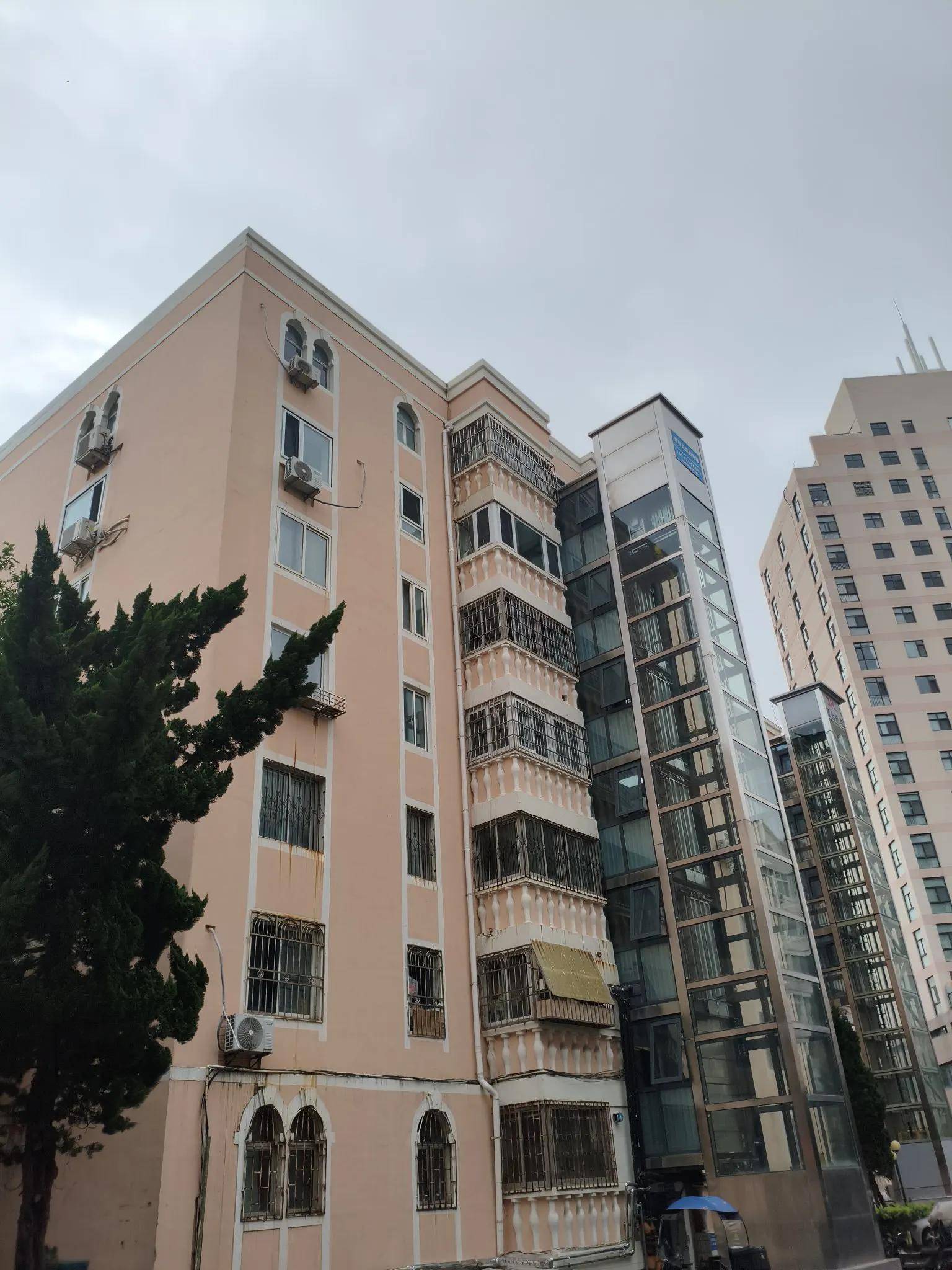
2025年国家标准住宅项目规范对上海二手房产的影响
Sou Hu Cai Jing· 2025-04-29 00:53
Core Insights - The implementation of the 2025 National Standard "Residential Project Specifications" is expected to accelerate the depreciation of old properties, promote market differentiation, stimulate replacement demand, and facilitate urban renewal in the Shanghai second-hand housing market [1] Group 1: Impact on Old Properties - Old properties that do not meet the new regulations will face accelerated depreciation due to requirements such as elevator installation for buildings with four or more floors, which many pre-2000 buildings lack [1] - New standards for ceiling height and sound insulation will further diminish the competitiveness of older residential units, as many do not meet the new height and sound insulation criteria [1] - The requirement for air conditioning units to be installed on dedicated platforms poses safety concerns for older buildings, affecting buyer decisions [1] Group 2: Market Differentiation - The value of quality second-hand homes is expected to increase, with some older communities experiencing price premiums after renovations, such as elevator installations [1] - The new regulations are driving homeowners of non-compliant properties to expedite the replacement of their homes, leading to a surge in transactions, with March 2023 seeing 26,900 second-hand homes sold, the highest since August 2021 [1] - Core areas within the inner ring of Shanghai are showing resilience in second-hand home prices due to limited land supply and stable demand [1] Group 3: Transitional Policies - The "old-for-new" policy is being supported by subsidies for down payments and additional government incentives, which are lowering the cost of home replacement for buyers [1] - The optimization of public housing fund policies allows family members to withdraw funds for down payments, easing financial pressure on buyers [1] - Innovative financial products from banks are providing low-threshold loan support, further stimulating replacement demand [1] Group 4: Long-term Effects - Urban renewal efforts are accelerating, with a significant number of old communities being targeted for upgrades, including elevator installations and improved sound insulation [1] - Adjustments in land auction strategies are leading to a reduction in the floor area ratio in central districts, promoting the development of higher-quality housing [1] - Buyer preferences are shifting towards comfort, safety, and environmental considerations, increasing sensitivity to features like elevator access and sound insulation, which will drive improvements in the second-hand housing supply structure [1]