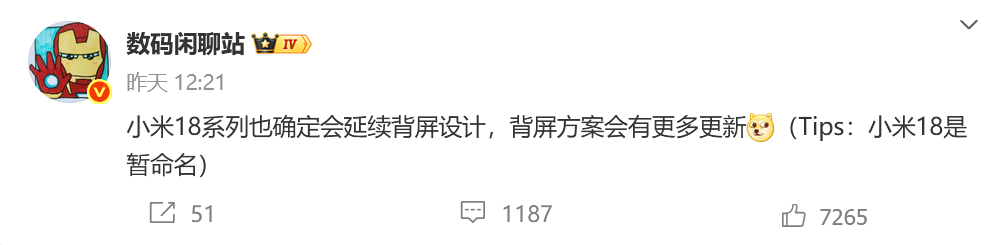
小米18系列

Search documents
高通下代芯片单颗或超2000元,小米18有望全球首发
Guan Cha Zhe Wang· 2026-02-10 07:32
Core Insights - Qualcomm, Apple, and MediaTek are set to be the first companies to launch the industry's first 2nm chipsets [1] - Qualcomm plans to release two versions: Snapdragon 8 Elite Gen6 Pro and Snapdragon 8 Elite Gen6 [1] - The expected price for Snapdragon 8 Elite Gen6 Pro is projected to exceed $300, with a single unit cost potentially reaching $320 [1] Group 1 - The Snapdragon 8 Elite series marks Qualcomm's first departure from ARM's CPU architecture, utilizing its self-developed Oryon cores [2] - Snapdragon 8 Elite Gen5 chips were previously priced at $280 each, indicating a trend of increasing prices for these chipsets [2] - The Snapdragon 8 Elite Gen6 Pro is anticipated to be at the upper limit of what smartphone manufacturers can afford, with the standard version expected to be the main volume driver [2] Group 2 - Qualcomm and MediaTek will use TSMC's 2nm N2P process to ensure sufficient supply and compete with Apple's A20 and A20 Pro chips [2] - The N2P process is a slight upgrade over the N2 process, which will likely result in higher costs from TSMC [2]



小米18系列定档,雷军抢先友商一步,副屏设计保留,销量继续涨
Sou Hu Cai Jing· 2026-01-17 03:32
Group 1 - Xiaomi's 17 series has become the best-selling domestic flagship phone within five months of its release, with the 18 series scheduled for launch in September [1][5] - The early release strategy has allowed Xiaomi to maintain a competitive edge over rivals, with the 18 series set to continue the trend of differentiated design, including a secondary screen [1][3] - The sales performance of the 17 series was significantly boosted by its early launch, achieving over 1 million units sold in less than 10 days, which is equivalent to 50% of the total sales achieved in the following 100 days [8] Group 2 - Competitors such as OPPO and Vivo are responding to Xiaomi's success by planning to release their flagship models earlier, potentially in September, to mitigate Xiaomi's first-mover advantage [9][10] - The introduction of new models, including a ProMax version by competitors, indicates a shift towards differentiation in design and features, as they aim to attract consumer attention [9] - Xiaomi is advancing its self-developed technologies, including processors and operating systems, with the 18 series expected to feature the Snapdragon 8 Elite Gen6 processor and possibly a special version with its own OS [12]

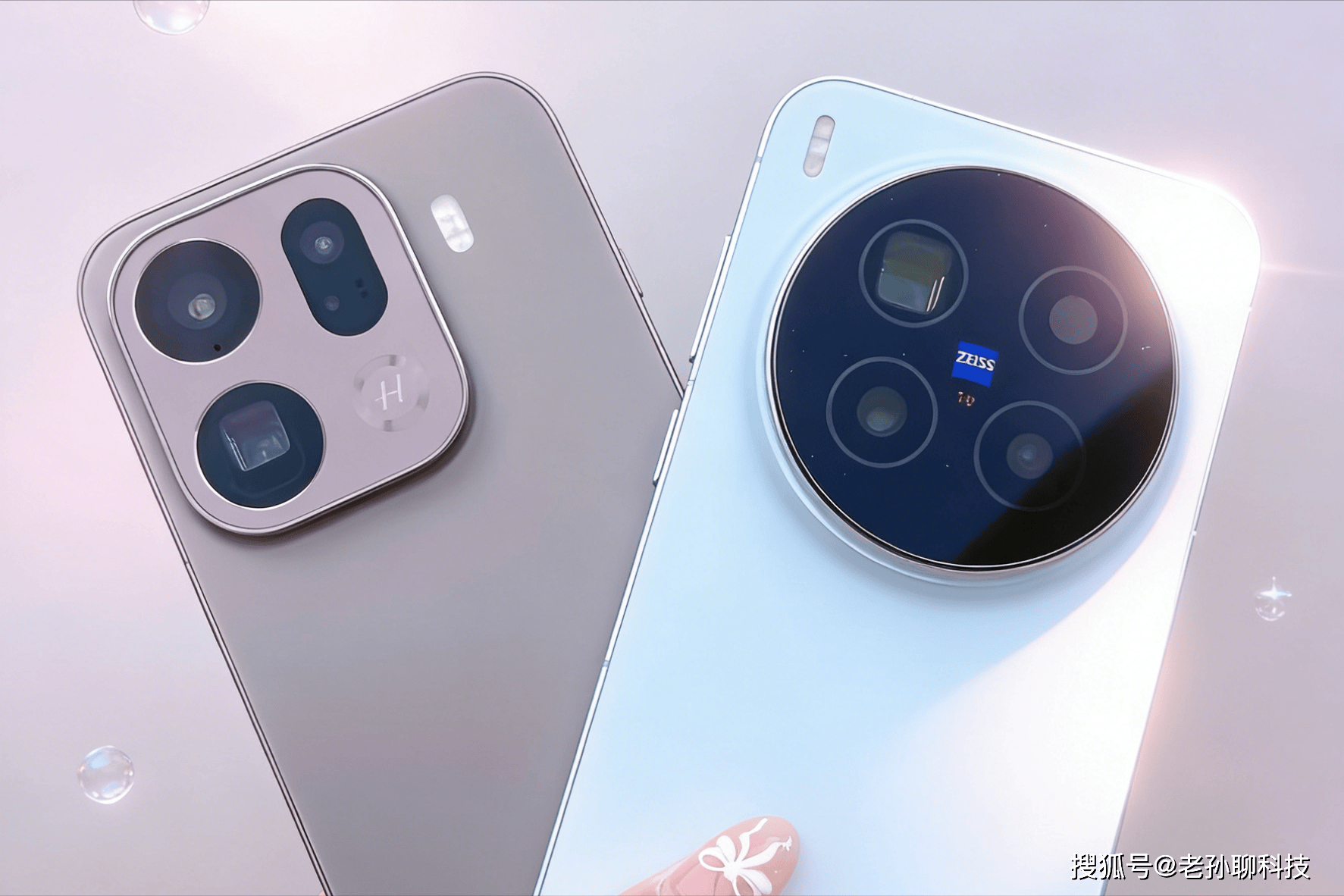
小米18将延用背屏设计,曾被友商吐槽影响家庭和睦
Guan Cha Zhe Wang· 2025-10-17 07:54
Core Viewpoint - Xiaomi's next-generation flagship smartphone, tentatively named Xiaomi 18 series, will continue the back screen design with more updates, as confirmed by company executives [1][5]. Group 1: Product Development and Sales Performance - The Xiaomi 17 series, launched on September 27, includes three models: Xiaomi 17, Xiaomi 17 Pro, and Xiaomi 17 Pro Max, with the "Miao Xiang Back Screen" being a significant selling point [3][5]. - The R&D investment for the "Miao Xiang Back Screen" exceeded 1 billion yuan, featuring a 2.1-inch AMOLED screen with LTPO adaptive refresh rate [3]. - The Xiaomi 17 series achieved over 1 million units sold within five days of launch, with a 20% increase in overall sales compared to the previous generation, and the Pro series sales reaching three times that of its predecessor [3][5]. Group 2: Consumer Reception and Market Trends - Despite initial skepticism regarding the back screen's utility, it has garnered attention due to features like customizable dynamic wallpapers and interaction with services like ride-hailing and food delivery [3][5]. - The back screen functionality has seen a surge in demand, with users requesting various customizations such as displaying stock information and delivery progress [5]. - The back screen design is not new for Xiaomi, as it was first introduced with the Xiaomi 11 Ultra in March 2021, which received a lukewarm market response [7]. Group 3: Industry Perspectives - Industry opinions on back screen designs are mixed, with some experts criticizing the added power consumption and potential maintenance costs, while others see benefits in customization and functionality [8]. - The reception of Xiaomi's "Miao Xiang Back Screen" is polarized, with some users appreciating its emotional value through personalization, while others question its practicality and battery efficiency [8].