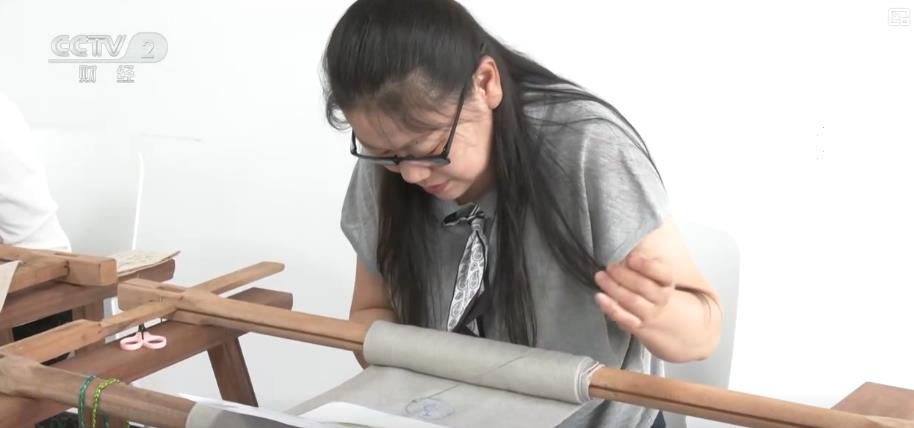
指尖经济

Search documents
一颗豆子一根针“指尖经济”成为情绪消费新蓝海
Sou Hu Cai Jing· 2026-02-28 03:19
Core Insights - The "emotional economy" is emerging as a new frontier in consumer spending, with activities like bead crafting and knitting gaining significant popularity among young people [1][9] - Social media reports indicate that topics related to bead crafting and knitting have garnered billions of views, highlighting a shift towards immersive, hands-on experiences [1][9] Group 1: Bead Crafting - Bead crafting, referred to as "拼豆," allows participants to create designs using small plastic beads, fostering a sense of focus and accomplishment [3][5] - The activity has become a social experience, with many young people gathering in stores to craft together while enjoying each other's company [5][6] - The popularity of bead crafting is reflected in its high store occupancy rates, with some locations reporting up to 80% capacity daily [6] Group 2: Knitting - Knitting, particularly through guided classes, is attracting a younger demographic, with participants creating meaningful items like clothing for loved ones [8][9] - The knitting community is characterized by social gatherings, where participants bond over the crafting process, enhancing the overall experience [8][9] - The interest in knitting has increased by approximately 30% among younger individuals, indicating a shift in demographic engagement [9] Group 3: Market Trends - The combined interest in bead crafting and knitting is indicative of a broader trend towards "slow" and mindful consumption, as young people seek to counteract the fast-paced nature of modern life [9] - The emotional economy is creating a complete industry chain, from material supply to experiential spaces, injecting new dynamics into the consumer market [9]

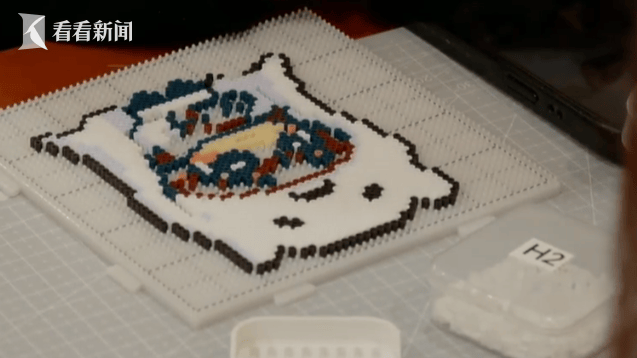
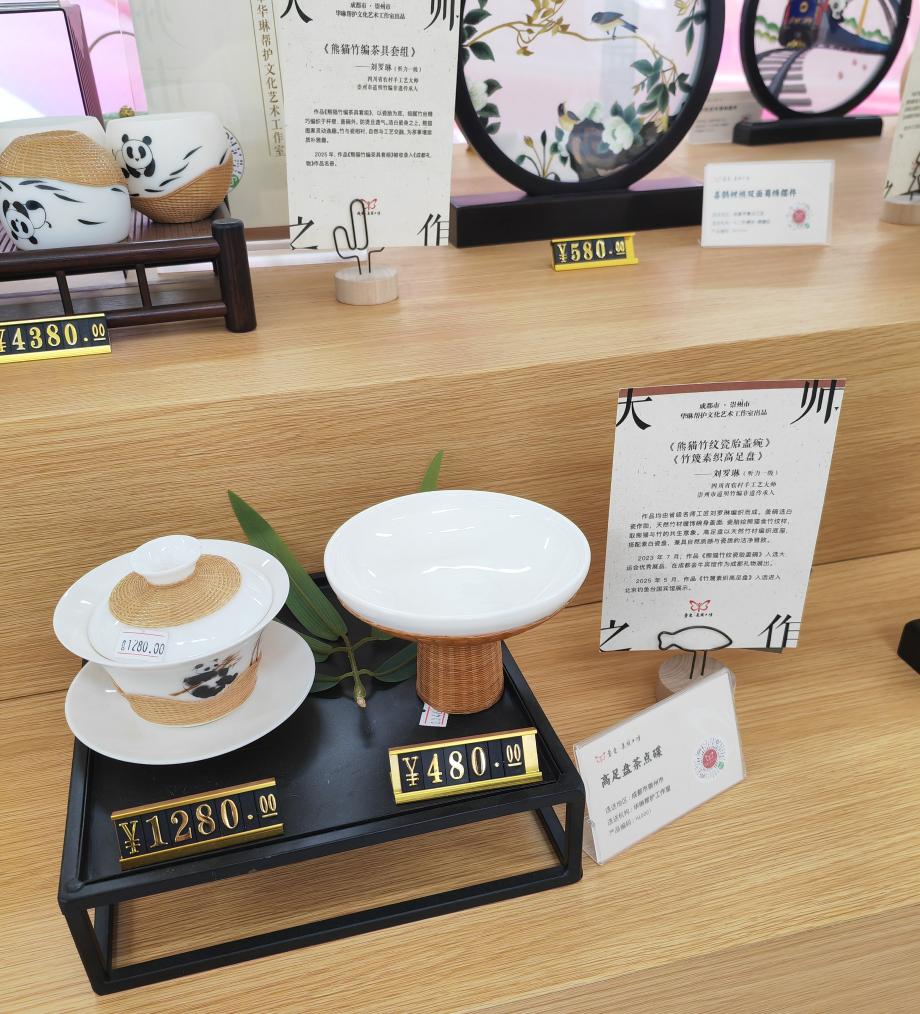
新春走基层丨在这个园区,“指尖技艺”变成了“指尖经济”
Xin Hua Wang· 2026-02-13 12:18
Core Viewpoint - The "Rongguang·Beautiful Workshop" cultural and creative industry park in Chengdu is fostering the development of handicrafts by providing training and support for disabled individuals, enabling them to create and sell their products, thus promoting self-reliance and economic independence [2][4][6]. Group 1: Overview of the Workshop - The workshop features various handicraft projects, including bamboo weaving, embroidery, and sewing, with eight incubation projects, seven of which have achieved scale production [4]. - The park offers a two-year "rent-free + mentor support" service to resident projects, along with courses in cultural creative design and e-commerce operations [4]. Group 2: Success Stories - Liu Luolin, the founder of the bamboo weaving studio, has trained 23 disabled individuals, helping them learn skills and create over a hundred types of products [2]. - Xia Dicao, a participant who lost his ability to walk, won first prize in a bamboo weaving competition, showcasing the transformative impact of the workshop on individuals with disabilities [4]. Group 3: Sales and Economic Impact - The workshop's products have generated significant sales, with a total revenue of 2.483 million yuan from 192 types of products sold online through various platforms [6]. - The integration of online and offline sales strategies has created a closed-loop sales system, enhancing visibility and market reach for the products created by disabled artisans [6].
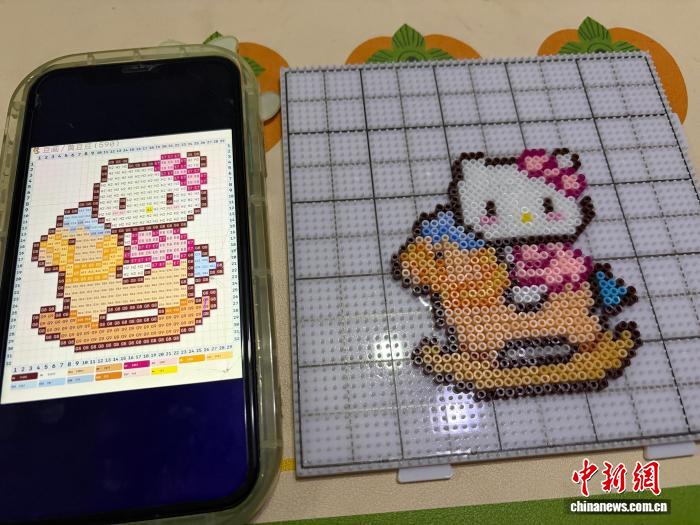
(新春见闻)手作“拼豆”走红 指尖经济催生新年俗
Zhong Guo Xin Wen Wang· 2026-02-06 09:20
Core Viewpoint - The rise of handmade "Perler Beads" reflects a growing trend among young people seeking creative and therapeutic outlets, contributing to a new cultural phenomenon during the Chinese New Year [1][4]. Group 1: Market Trends - The popularity of "Perler Beads" has transformed from a niche hobby to a widespread trend, particularly among young people who appreciate the hands-on experience and emotional connection it provides [1][4]. - A network shopping platform reported a staggering 1461% year-on-year increase in group purchase sales related to "Perler Beads" as of the 2026 New Year [4]. - The search volume for "Perler Beads" on Taobao increased by nearly 500% over the past year, indicating a significant rise in consumer interest [4]. Group 2: Consumer Behavior - Over 60% of customers in "Perler Beads" shops are young individuals seeking stress relief through creative activities, which serve as a "small gas station" in their fast-paced lives [4]. - The act of creating with "Perler Beads" is likened to a meditative experience, allowing individuals to focus and find satisfaction in the tangible results of their efforts [3][4]. - The psychological benefits of engaging in such activities include the release of dopamine and endorphins, which help alleviate anxiety and stress [4]. Group 3: Cultural Significance - The handmade "Perler Beads" creations not only add a unique emotional layer to traditional New Year celebrations but also represent a modern interpretation of cultural practices [5]. - The trend is seen as a response to the overwhelming nature of digital life, where individuals seek to regain a sense of control and certainty through tangible, creative endeavors [4].
马年文创“火”出圈 老手艺玩出新花样
Yang Shi Xin Wen Ke Hu Duan· 2026-01-28 12:53
Core Viewpoint - The article highlights the innovative transformation of traditional crafts in China as artisans create new products themed around the Year of the Horse, showcasing a blend of cultural heritage and modern consumer preferences [1]. Group 1: Traditional Crafts and Innovations - In Shandong, artisans are producing various horse-themed products, including a 12-meter long paper-cut artwork featuring 100 different horses, symbolizing good fortune for the Year of the Horse [2]. - Artisans are also using gourd carving techniques to create horse-related cultural products, combining traditional craftsmanship with contemporary themes [4]. - In the flower bun production workshop, small horse-shaped buns have become popular among consumers this year, contrasting with the previous preference for larger buns [6][8]. Group 2: Economic Impact and Market Trends - In Ningxia, a company has developed over ten horse-themed decorative items that are not only popular domestically but also exported to over 30 countries and regions, indicating a strong international market demand [10]. - The integration of "original design + e-commerce" has transformed hand-crocheted products into a "finger economy," contributing to local economic development [12]. - In Shanxi, traditional craft shops are offering horse-themed products, with one carving studio reporting sales of nearly 30,000 yuan since New Year's, reflecting a 20% increase compared to the same period last year [13].

春节临近绣品俏,黔东南“指尖经济”迎旺季
Xin Lang Cai Jing· 2026-01-22 13:00
Group 1 - The company, Qian Dongnan Miao and Dong Autonomous Prefecture, is experiencing a surge in orders for intangible cultural heritage workshops and studios as the Spring Festival approaches [1] - The company, Baoxiangyu Miao Embroidery Clothing Development Co., Ltd., has received an order of over 30,000 pieces themed around horses, which is significant as it is the first order of the year [2] - The company aims for a sales target of over 20% growth year-on-year, focusing on heritage innovation and market expansion to promote high-quality development of the Miao embroidery industry [2] Group 2 - The embroidery industry in Ma'an Village has over 20 years of development history, with local shops working overtime to meet the increased demand for embroidered pieces and ethnic clothing ahead of the Spring Festival [5] - Currently, there are 32 embroidery shops in Ma'an Village, and the industry is projected to reach an output value of 8 million yuan by 2025, providing employment for over 130 people locally [7] - Sales of ethnic clothing have doubled from 10,000 yuan to around 20,000 yuan per month as the Spring Festival approaches, indicating a significant increase in business activity [5]
宁夏“原州织女”搞活了“指尖经济”
Xin Lang Cai Jing· 2026-01-15 18:26
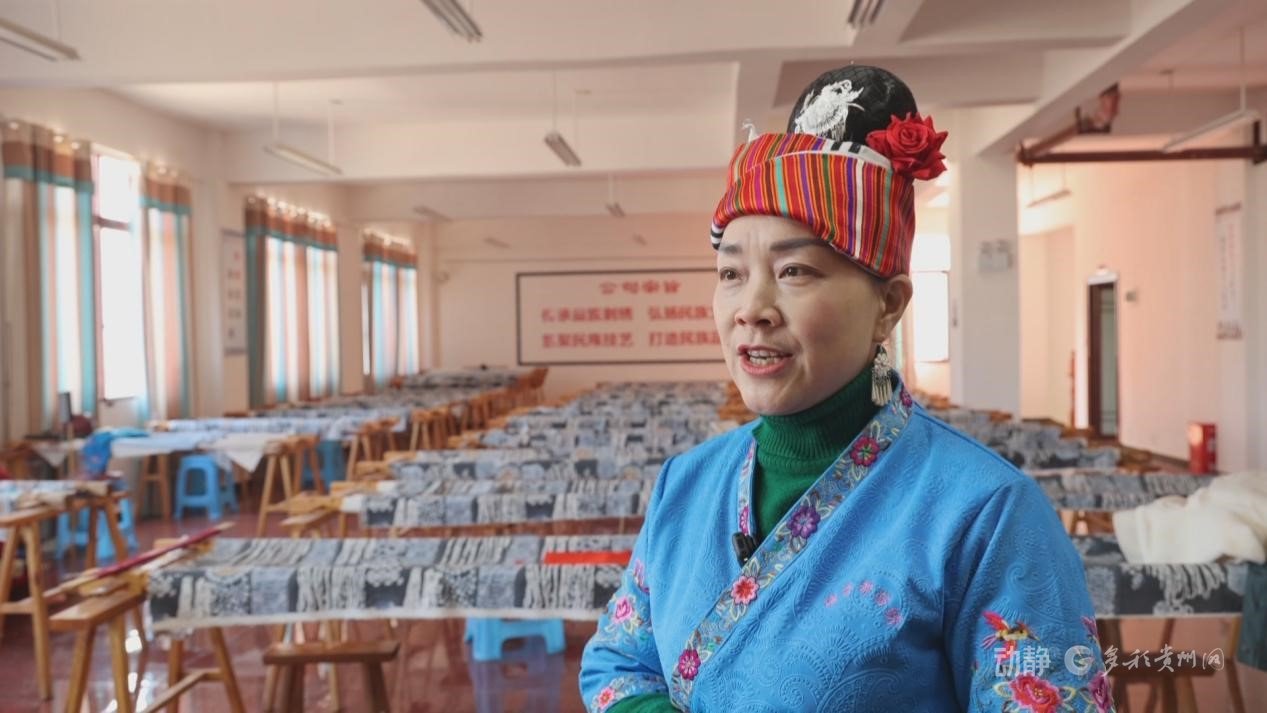
Core Viewpoint - The article highlights the transformation of traditional handicrafts in Ningxia's Guyuan Yuanzhou District into a "finger economy," which significantly contributes to local women's employment and rural revitalization through a model of "government guidance + enterprise主体 + market operation" [1] Group 1: Employment and Skill Development - The rise of labor economy has led to many young adults leaving for work, causing traditional handicrafts to face extinction and leaving rural women with employment difficulties. To address this, the Yuanzhou District has organized various training programs to develop traditional "finger skills" into employment skills [2] - The district has established a training mechanism that integrates government, enterprises, and local communities, resulting in the training of 1,507 individuals and the cultivation of 1,210 skilled workers since 2025, with an average monthly income exceeding 4,500 yuan for 527 stable employees [4] Group 2: Brand Development and Market Expansion - The "Yuanzhou Weavers" brand has produced 5 million pieces of embroidery annually, but faced challenges in market promotion due to high logistics costs and a lack of awareness about the crafts. The district has taken steps to build a production base and promote the brand through various events and online platforms [6] - Future plans include expanding into micro-crochet techniques to enhance product quality and value, as well as developing a "Weaver Cultural Village" and "Yuanzhou Weavers Cultural Town" to boost brand influence and industry clustering [7]
从“指尖技艺”到“指尖经济” 小藤条编织姐妹致富路
Xin Lang Cai Jing· 2026-01-08 15:54
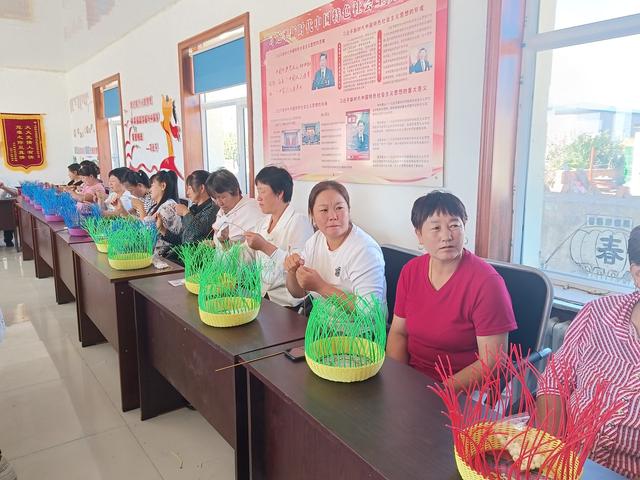
Core Insights - The article highlights a women's empowerment initiative in Zhalute Banner, Tongliao City, focusing on skill development and income generation through handcraft training programs [2][5][6] Group 1: Training and Employment Opportunities - In 2025, the Women's Federation of Zhalute Banner launched a series of income-generating projects, with handcraft weaving training as a key focus [2] - The program aims to address the challenges faced by women due to family responsibilities and lack of skills, enabling them to earn income while managing household duties [4][5] - A total of 13 handcraft weaving training sessions were conducted, training over 700 participants and covering more than 1,375 women throughout the year [5] Group 2: Economic Impact - Women participating in the program reported an average monthly income increase of approximately 1,000 yuan [5] - The initiative has successfully transitioned women from "finger skills" to "finger economy," enhancing their financial independence [5][6] Group 3: Community Engagement and Support - The Women's Federation organized a "My Product, My Promotion" event showcasing over 60 types of products made by women [5] - Collaboration with the employment bureau led to 205 women securing job offers, demonstrating a comprehensive approach to support women's employment [5][6] Group 4: Future Plans - The Women's Federation plans to continue enhancing the "skill training + order recovery + resource connection" empowerment system during the "14th Five-Year Plan" period [6] - Future initiatives include upgrading training programs and establishing "Women's Workshops" to facilitate local employment and entrepreneurship [6]
水族绣娘以丝线马尾为笔,绣制《奔腾骏马图》迎马年
Xin Lang Cai Jing· 2026-01-08 03:31
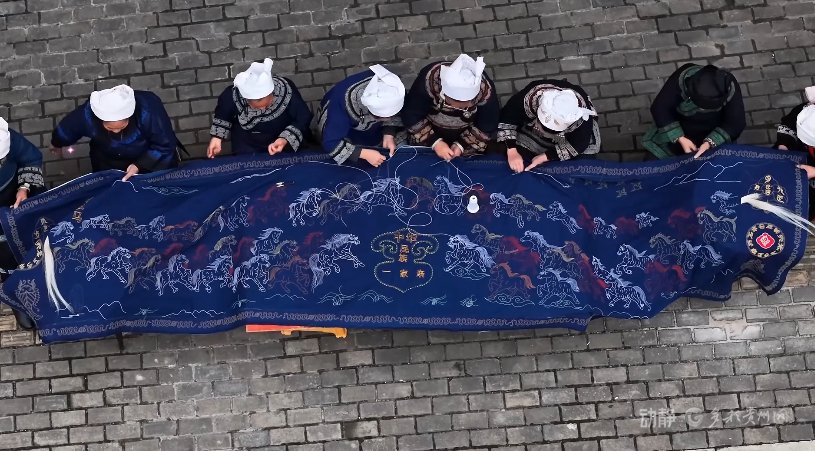
Group 1 - The article highlights the cultural significance of Mawei embroidery, which is being used to celebrate the upcoming Year of the Horse through the creation of a piece titled "Galloping Horse" [1][3] - Mawei embroidery is referred to as a "living fossil of embroidery," characterized by its intricate craftsmanship that involves wrapping colorful silk threads around horsehair [3] - The creation of the "Galloping Horse" piece took over two months, symbolizing the aspirations of the Shui ethnic group for a happy life [3] Group 2 - The San Dou Autonomous County is leveraging its unique cultural resources to develop the ethnic cultural industry as a means to increase income for the local population [5] - There is a focus on transforming the Mawei embroidery technique into a "finger economy," aiming to expand this ancient art form beyond its mountainous origins and into broader markets [5]
从“指尖技艺”到“指尖经济”:“社区微工厂”织就“幸福网” 助居民“稳就业、巧增收”
Yang Shi Wang· 2025-09-21 03:54
Core Insights - The article highlights the transformation of the cashmere industry in Ordos, Inner Mongolia, into a "community micro-factory" model, where local residents engage in cashmere embroidery to generate income [1][5][11] Group 1: Community Micro-Factory Model - The "community micro-factory" in Dongsheng District has provided nearly 200 job opportunities for women since its operation began in May, with monthly income ranging from 2,000 to 5,000 yuan per person [5] - This model allows residents to work from home, contributing to local employment and economic growth [1][5] Group 2: Skill Development and Income Generation - Li Yao, a skilled embroiderer, earns approximately 80 yuan per scarf, completing one to two scarves daily, leading to a monthly income of 3,000 to 4,000 yuan [3] - Community training programs have introduced techniques like "yang embroidery," blending Suzhou and Mongolian styles, enhancing skill levels among local women [3][5] Group 3: Role of Young Designers - Young designers, such as Zhang Zhongxia, are revitalizing the traditional cashmere industry by creating high-value, small-batch cultural products [7][9] - Collaborations with recent graduates from art schools are bringing fresh design ideas to the cashmere creative industry, driving innovation and new product development [9] Group 4: Order Sharing Platform - The "community training + order recovery" model is being promoted, allowing small and medium enterprises to meet processing demands while providing flexible employment for community residents [11]