
非遗传承创新

Search documents
“非遗福窗”马上来!
Nan Jing Ri Bao· 2026-01-28 02:29
Group 1 - The core theme of the event is the "Spring Scene Reflecting the Fortune Window" which celebrates the Year of the Horse, showcasing the integration of traditional culture and modern elements in Nanjing [1] - The event features various activities including non-heritage experiences, New Year markets, theatrical performances, and interactive sessions across multiple locations in Nanjing, aimed at enhancing the festive atmosphere for both residents and tourists [1] - The design of the event is led by Zhang Jun, a representative inheritor of Nanjing paper-cutting, emphasizing the city's cultural heritage and innovation [1] Group 2 - The event is organized by the Nanjing Municipal Bureau of Culture and Tourism, with support from various local organizations and institutions, highlighting a collaborative effort to promote cultural tourism [2] - The initiative aims to provide an immersive experience for visitors, encouraging them to engage with traditional crafts and local cuisine during the festive season [3]
春节临近绣品俏,黔东南“指尖经济”迎旺季
Xin Lang Cai Jing· 2026-01-22 13:00
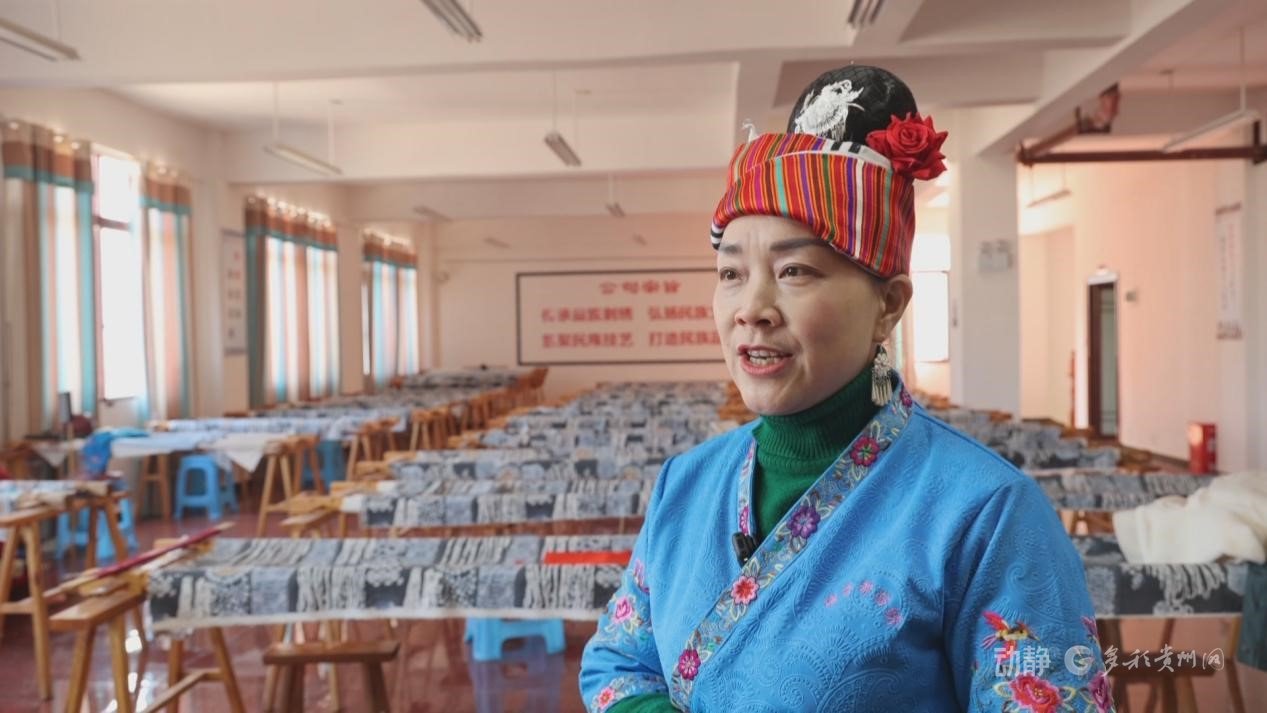
Group 1 - The company, Qian Dongnan Miao and Dong Autonomous Prefecture, is experiencing a surge in orders for intangible cultural heritage workshops and studios as the Spring Festival approaches [1] - The company, Baoxiangyu Miao Embroidery Clothing Development Co., Ltd., has received an order of over 30,000 pieces themed around horses, which is significant as it is the first order of the year [2] - The company aims for a sales target of over 20% growth year-on-year, focusing on heritage innovation and market expansion to promote high-quality development of the Miao embroidery industry [2] Group 2 - The embroidery industry in Ma'an Village has over 20 years of development history, with local shops working overtime to meet the increased demand for embroidered pieces and ethnic clothing ahead of the Spring Festival [5] - Currently, there are 32 embroidery shops in Ma'an Village, and the industry is projected to reach an output value of 8 million yuan by 2025, providing employment for over 130 people locally [7] - Sales of ethnic clothing have doubled from 10,000 yuan to around 20,000 yuan per month as the Spring Festival approaches, indicating a significant increase in business activity [5]

雅集 | 糖坊
Xin Lang Cai Jing· 2026-01-17 15:40
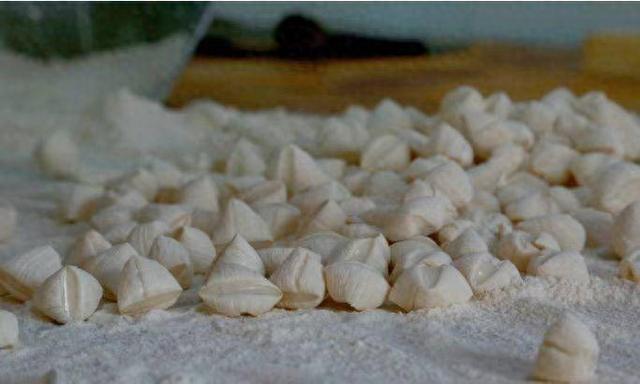
Core Viewpoint - The article reflects on the nostalgic memories associated with a village sugar workshop that produces maltose syrup during the cold winter months, highlighting its significance as a warm and joyful gathering place for both children and adults [2][6]. Group 1: Sugar Workshop Operations - The sugar workshop specializes in the production of maltose syrup, which is a seasonal product made only during the winter months [6][10]. - The process of making maltose syrup involves careful control of temperature and timing during the boiling and cooling stages, which is crucial for maintaining quality [4][5]. - The workshop attracts a large number of customers, especially as the traditional Chinese New Year approaches, making maltose syrup a popular item for festive celebrations [7][8]. Group 2: Community and Cultural Significance - The sugar workshop serves as a social hub for the village, where adults gather to chat and children enjoy playing and listening to stories [2][3]. - Maltose syrup is not only a treat but also a cultural symbol associated with the New Year, representing sweetness and good fortune [7][9]. - The workshop operates on a barter system, where customers exchange rice for syrup, reflecting the local economy and community practices [9][10]. Group 3: Product Characteristics - Maltose syrup is characterized by its hard yet brittle texture, lower sweetness compared to other candies, and is made from pure grain without additives [6][8]. - The final products include small maltose pieces and larger maltose cakes, which can be further processed into snacks like fried rice candy and sesame candy [8][9]. - The production of maltose syrup is limited to winter, as it cannot be stored well once spring arrives, leading to a seasonal closure of the workshop [6][10].
千年手艺焕发时代活力(乡村观察) ——浙江永康非遗传承创新带动乡村文化振兴
Ren Min Ri Bao· 2025-11-13 22:04
Core Viewpoint - The article highlights the revival and innovation of traditional crafts, particularly the YK tin sculpture, through modern technology and cultural integration, showcasing the importance of heritage in contemporary society [1][2][3]. Group 1: Heritage and Cultural Significance - The YK tin sculpture, a national intangible cultural heritage, is showcased at the China International Import Expo, emphasizing its artistic and practical value [1]. - YK city, known as the "hardware capital," has 110 representative intangible cultural heritage projects, reflecting its rich cultural history [1]. - The revival of traditional crafts is essential for rural cultural revitalization, with YK city implementing innovative preservation methods [1][2]. Group 2: Technological Integration and Innovation - The establishment of a "gene bank" for YK tin sculpture aims to preserve and innovate the craft, collecting over 10TB of data for public access [3]. - The introduction of VR experiences and AI-generated designs has significantly increased public engagement, with over 30,000 visitors during a holiday period [4]. - The integration of digital machining with traditional handcrafting has improved production efficiency while maintaining the quality of handmade products [4][5]. Group 3: Economic Impact and Market Growth - The YK tin sculpture has become popular in the tourism and cultural markets, with products like zodiac tin coins and tea sets gaining traction [5]. - The non-heritage workshops in YK have attracted significant tourist traffic, contributing to local economic growth, with over 40 million yuan in sales reported [11][12]. - The city has seen a rise in employment opportunities linked to the non-heritage sector, with over 10,000 jobs created [11][12]. Group 4: Youth Engagement and Future Prospects - Younger generations are actively participating in the preservation and innovation of traditional crafts, blending modern elements with heritage [9]. - The focus on innovative product development has led to successful sales of traditional items, such as copper teapots, on e-commerce platforms [9]. - The ongoing efforts to integrate traditional crafts with contemporary culture are expected to enhance their relevance and appeal in modern society [10][12].
打破“橱窗式”展示(文旅棱镜)
Ren Min Ri Bao Hai Wai Ban· 2025-11-06 22:11
Core Viewpoint - The article emphasizes that intangible cultural heritage (ICH) should not be treated as mere museum exhibits but should be integrated into everyday life through immersive experiences, enhancing tourism and cultural engagement [1] Group 1: Integration of ICH in Tourism - ICH tourism should break away from "showcase" displays and instead incorporate situational experiences, such as learning blue dyeing techniques in Jiangnan or experiencing dragon boat racing in Lingnan, allowing visitors to deeply engage with ICH [1] - The narrative of ICH needs to be enriched with storytelling and scene charm, combining traditional performances like acrobatics and shadow puppetry with immersive theater, transforming visitors from passive observers to active participants [1] Group 2: Modern Applications of ICH - ICH should be integrated into contemporary life, with themed accommodations that blend traditional architectural wisdom with modern living needs, and cultural creative products that incorporate traditional patterns into daily life [1] - This innovation allows ICH to evolve from a protected "heritage" to a vibrant part of modern life, gaining new value [1] Group 3: Mutual Enhancement of ICH and Tourism - The fusion of ICH and tourism is not a simple addition but a deep connection that enhances both, where ICH gains transmission power through tourism, and tourism gains cultural depth from ICH [1] - This synergy allows for a beautiful resonance between traditional culture and modern life, showcasing the vitality of a thousand-year cultural lineage in contemporary settings [1]
聚焦乡村振兴和文化遗产保护 全国人大代表南京组镇江组开展年中专题调研
Zhen Jiang Ri Bao· 2025-09-10 23:47
Core Insights - The article highlights the significant progress made in rural revitalization and industrial integration in Zhenjiang, as observed by the representatives during their mid-year research visit [1] Group 1: Research and Development - Representatives visited various sites including Jiangsu Run Guo Agricultural Development Co., Ltd., You Guo Wei Zhenjiang Industrial Park Project, and the China Vinegar Culture Museum to assess the application of technological innovations in agriculture and the preservation of intangible cultural heritage [1] - The visit included direct interactions with enterprises, allowing representatives to understand operational conditions and gather feedback on development needs [1] Group 2: Outcomes and Future Directions - The representatives expressed that the research visit provided them with a firsthand experience of the achievements in rural revitalization and industrial integration, which they plan to leverage to enhance their responsibilities and effectiveness in their roles [1] - There is a commitment to transform the research findings into actionable outcomes that address the urgent needs and expectations of the local population and businesses [1]