控制权保卫战

Search documents
宗馥莉卸任娃哈哈董事长,权力更迭到了摊牌时刻
3 6 Ke· 2025-11-27 23:17
Core Viewpoint - The resignation of Zong Fuli marks a significant shift in the management structure of Wahaha Group, transitioning from family control to a more diversified governance model involving state-owned shareholders and professional management [1][3]. Management Changes - Zong Fuli officially resigned from her positions as legal representative, chairman, and general manager of Wahaha Group, with 31-year-old Xu Simin, a legal expert, taking over [1][3]. - Zong Fuli's departure is characterized as a calm and deliberate decision, having submitted her resignation in September and completed the necessary approval processes [3]. Strategic Implications - Xu Simin's appointment signals a shift in focus from market competition to compliance and legal challenges, reflecting the current core issues facing Wahaha [7]. - The absence of Zong Fuli at the 2025 sales meeting, where Xu Simin represented the company, indicates a new direction for the group amidst ongoing turmoil [4]. Ownership and Control Issues - Zong Fuli's exit is attributed to the complex historical ownership structure of Wahaha, where she faced challenges in consolidating management and ownership [8]. - Key conflicts revolve around trademark ownership and equity control, particularly with the largest shareholder, state-owned "Shangcheng Culture and Tourism," holding 46% of shares, limiting Zong Fuli's ability to make unilateral decisions [9]. - The third-largest shareholder, the "Employee Shareholding Association," holding 24.6% of shares, adds further uncertainty to the control dynamics, especially following the passing of Zong Qinghou [10]. Legal and Compliance Challenges - Zong Fuli's team has escalated legal complaints regarding slow court proceedings, highlighting the intensity of the struggle for control [11]. - The inability to resolve internal disputes over equity and trademarks may have prompted Zong Fuli's strategic retreat from management to mitigate legal risks [11]. New Ventures - Zong Fuli's resignation does not signify her withdrawal from the business landscape; instead, she is shifting her focus to her own company, Hongsheng Beverage Group, which is evolving from a Wahaha contractor to an independent entity [12]. - The launch of the new brand "Wawa Xiaozong" reflects her strategy to establish a distinct identity separate from Wahaha, with plans to fully utilize this brand by 2026 [13][15]. - This transition suggests a potential dual-track future for the company, with the traditional Wahaha under state control and Zong Fuli's new ventures representing a more agile and risk-oriented approach [15].


马斯克「万亿讨薪」成功,黄仁勋为什么不跟上?
36氪· 2025-11-11 13:35
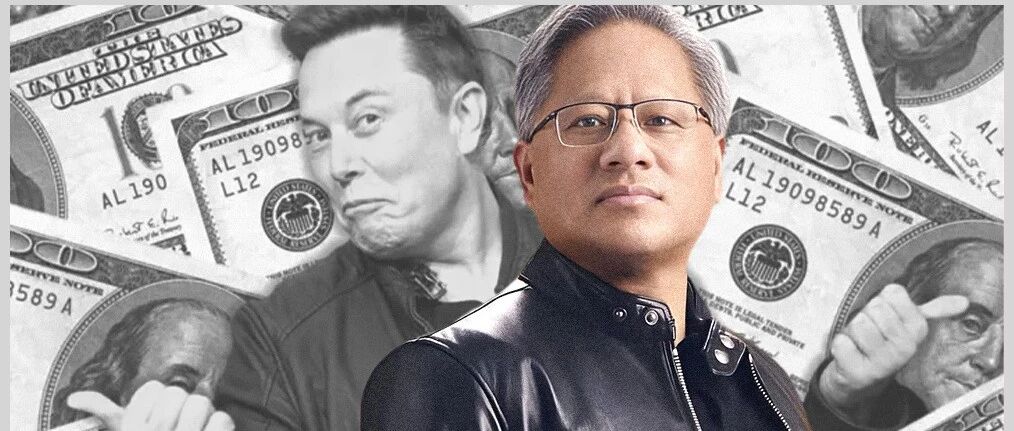
Core Viewpoint - The article discusses Elon Musk's "trillion-dollar compensation plan" approved at Tesla's 2025 shareholder meeting, highlighting the intense debate surrounding it and its implications for Musk's control over Tesla [5][11][21]. Group 1: Compensation Plan Details - The "trillion-dollar compensation plan" is a ten-year performance-based agreement with 12 tiers of goals, including a market cap starting at $2 trillion and operational targets such as delivering 20 million cars and achieving 10 million active FSD subscriptions [12][23]. - The plan was approved with a 75% support rate from shareholders, contrasting with the atmosphere during the 2018 $55 billion compensation plan, which faced skepticism due to Tesla's survival challenges at that time [11][13][15]. Group 2: Control and Ownership - Musk currently holds 13% of Tesla's shares, and if all targets are met, his ownership could exceed 25%, which he considers a "safe line" for control [16][17]. - The article emphasizes Musk's concerns about potential removal from Tesla, which drives his aggressive push for the compensation plan as a means to secure his influence [18][20]. Group 3: Comparison with Nvidia and Jensen Huang - Jensen Huang of Nvidia, despite leading a company with a market cap exceeding $5 trillion, holds only 3% of Nvidia's shares, raising questions about his lack of a similar compensation plan or control strategy [9][26][31]. - Huang's lower ownership is attributed to Nvidia's stock issuance for employee incentives, contrasting with Musk's strategy of maintaining higher personal stakes in his companies [38][42]. Group 4: Market Context and Future Implications - The article notes that while Nvidia is currently thriving, Musk's aggressive strategy at Tesla reflects the company's transitional phase and the need for strong leadership amid innovation challenges [45][46]. - The potential for Tesla's stock to drop significantly if the compensation plan had failed underscores the high stakes involved in Musk's control over the company [24].


马斯克“万亿讨薪”成功,黄仁勋为什么不跟上?
商业洞察· 2025-11-09 09:26
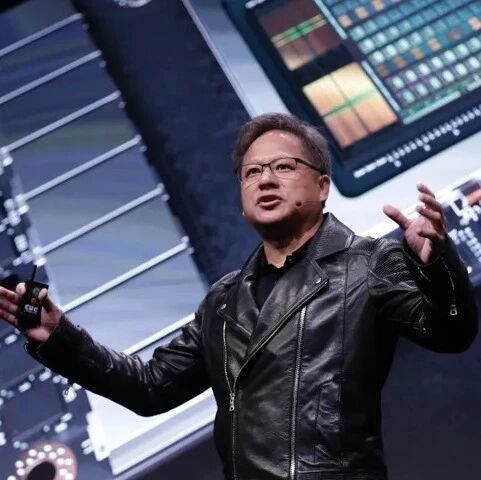
Core Viewpoint - The article discusses the approval of Elon Musk's "trillion-dollar compensation plan" at Tesla's 2025 shareholder meeting, highlighting the intense debate surrounding it and its implications for Musk's control over the company [3][5][8]. Group 1: Compensation Plan Details - The "trillion-dollar compensation plan" was approved with a 75% support rate, consisting of a ten-year performance-based agreement with 12 tiers of goals [8][10]. - The plan includes ambitious targets such as achieving a market value of $8.5 trillion and operational goals like delivering 20 million vehicles and having 10 million active FSD subscribers [9][10]. - Musk's current ownership in Tesla is 13%, which could rise to over 25% if all targets are met, a level he considers necessary for maintaining control [10][11]. Group 2: Comparison with Nvidia and Jensen Huang - Jensen Huang, CEO of Nvidia, has a significantly lower ownership stake of only 3%, despite Nvidia being the highest-valued company globally [6][21]. - Huang's compensation is much less aggressive, with a total salary of $49.9 million for the 2025 fiscal year, contrasting sharply with Musk's plan [22][24]. - The article suggests that Huang's approach reflects a different corporate governance philosophy, focusing on employee equity rather than personal control [26][31]. Group 3: Market Context and Implications - The approval of Musk's plan is seen as a gamble for Tesla, with potential stock price volatility if the plan fails [16][18]. - Nvidia's market value has reached $4.83 trillion, and analysts predict it could exceed $8.5 trillion, aligning with Musk's ultimate goal for Tesla [18][38]. - The article raises questions about the sustainability of the tech industry's growth, particularly in light of concerns over an "AI bubble" and the implications of inter-company collaborations [39].