
数字人民币升级

Search documents
数字人民币2.0时代启幕
Jin Rong Shi Bao· 2026-02-14 04:15
Core Insights - The digital renminbi has transitioned from version 1.0 to 2.0, evolving from "digital cash" to "digital deposit currency," allowing users to earn interest on their balances [1][2] - This upgrade signifies a fundamental change in the monetary attributes, operational ecology, and strategic potential of the digital renminbi, marking a modernization of financial infrastructure [1][2] Monetary Attribute Redefinition - The new version allows interest to be accrued on balances in real-name digital renminbi wallets, with interest rates aligned with current deposit rates, and these balances are now covered by deposit insurance up to 500,000 yuan [2] - The digital renminbi's positioning has expanded from merely replacing cash (M0) to encompassing broader monetary categories (M1, M2), indicating a significant evolution in its monetary framework [2] Challenges and Solutions - The People's Bank of China has identified four common challenges faced by global central bank digital currencies, including issues related to virtual assets and the incompatibility of centralized accounts with decentralized technologies [3] - The 2.0 version addresses these challenges by maintaining a dual-layer operational structure and introducing deposit currency attributes to create compatible incentives for commercial banks [3] Innovation and Applications - The upgrade allows for more extensive applications of the digital renminbi, breaking previous policy bottlenecks and enabling innovations in corporate services and cross-border payments [4] - The development of smart contracts is enhancing supply chain finance, allowing for precise control of loan funds and improving access for small and micro enterprises [6][7] Cross-Border Payment Potential - The digital renminbi is positioned as a significant innovation in national financial infrastructure, with potential to improve cross-border payment services by addressing traditional inefficiencies [9] - The mBridge project, a multi-currency cross-border payment platform, is a key initiative for the digital renminbi's international application, with significant transaction volumes already recorded [10] Future Outlook - The digital renminbi's upgrade is seen as a paradigm shift in monetary form in the digital age, integrating deposit currency attributes and smart contracts to enhance the existing financial system [12] - Despite challenges such as user habit formation and international competition, the digital renminbi is expected to unlock substantial productivity and innovation potential, marking a transformative change in China's financial landscape [13]

数字人民币存款利息如何计算?专家解答→
Sou Hu Cai Jing· 2026-01-18 23:26
Core Viewpoint - The digital renminbi has upgraded from a digital cash to a digital deposit currency, allowing users to earn interest on their wallet balances starting January 1 [1][2]. Group 1: User Impact - The most direct change for individual users is that the balance in their digital renminbi wallets can now earn interest [2]. - Interest on the balance will be calculated based on the current deposit rate, with quarterly settlement dates on March 20, June 20, September 20, and December 20 [2]. - Only authenticated wallets (Type 1, 2, and 3) will earn interest, while Type 4 wallets will not [3]. Group 2: Advantages of Digital Renminbi - Digital renminbi balances will be insured under the deposit insurance system, providing safety comparable to traditional bank deposits [4]. - The digital renminbi incorporates advanced digital technology, allowing for secure transactions and the use of smart contracts [4]. - The upgrade aims to enhance the digital renminbi's management efficiency and service capabilities, aligning with the digitalization trends in the economy [6]. Group 3: Changes for Commercial Banks - The transition to digital deposit currency will allow commercial banks to manage digital renminbi wallet balances as part of their asset-liability operations [7]. - This change is expected to clarify the responsibilities and rights of operating institutions, thereby maintaining financial stability [7]. - Digital renminbi will be included in the reserve requirement framework, ensuring that wallet balances are treated as bank liabilities [7]. Group 4: Digital Renminbi Ecosystem - As of now, the digital renminbi application has opened 230 million personal wallets, indicating a growing user base [8]. - The digital renminbi is designed to function within a modernized financial system, supporting various monetary functions and cross-border payments [8]. - By the end of 2025, pilot regions are expected to have processed transactions amounting to 19.5 trillion yuan, with a significant portion of cross-border payments conducted in digital renminbi [8].
数字人民币升级,你的钱开始"躺赚"!精准支付上线,告别预付跑路
Sou Hu Cai Jing· 2026-01-09 11:17
Core Viewpoint - The introduction of interest on digital renminbi starting January 1, 2026, represents a significant transformation in financial security, banking motivation, and national financial strategy, beyond just earning interest on deposits [1]. Group 1: Digital Renminbi and Interest - Digital renminbi will officially enter the interest-bearing era, allowing users to earn interest on their balances, which shifts the perception of digital currency from "dead money" to an asset that generates income [13][15]. - The transition of digital renminbi from "central bank liabilities" to "bank deposits" enables banks to utilize these funds for lending, thus creating profit opportunities [15][17]. Group 2: Smart Contracts and Consumer Protection - The implementation of smart contracts addresses consumer concerns regarding prepayments, ensuring that funds are only released under specific conditions, thereby protecting users from potential business failures [5][9]. - Smart contracts can also facilitate targeted spending, allowing users to restrict how funds are used, which enhances financial management and reduces the risk of fraud, especially for vulnerable populations like the elderly [7][9]. Group 3: Financial Security and Transparency - The digital renminbi enhances financial security by being fully regulated and traceable, which helps prevent financial risks and ensures transparency in transactions [20]. - The system's design aims to provide a secure payment environment, safeguarding against issues that could arise from unregulated private payment platforms [18][20]. Group 4: International Implications - The digital renminbi, in conjunction with platforms like mBridge, offers a viable alternative to the traditional SWIFT system, potentially reducing reliance on the US dollar and enhancing the international influence of the renminbi [22][24]. - The growing adoption of the digital renminbi among countries along the Belt and Road Initiative signifies its strategic importance in global trade and finance [24][26].

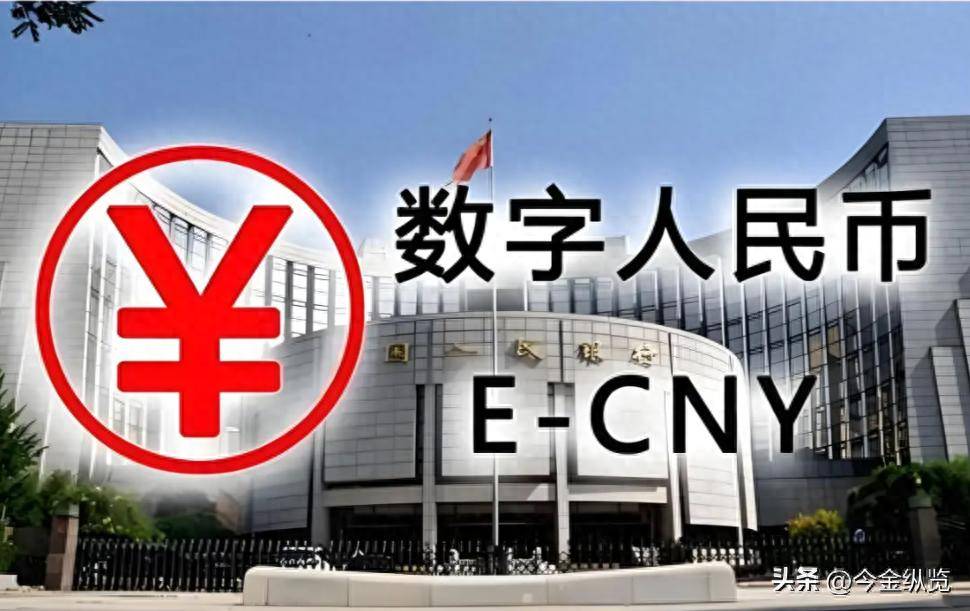
升级的数字人民币,有什么不一样?
Sou Hu Cai Jing· 2026-01-06 20:13
Core Viewpoint - The digital renminbi is transitioning from a "digital cash" era to a "digital deposit currency" era, starting from January 1, 2026, when wallet balances will begin to earn interest like demand deposits [1][3]. Group 1: Digital Renminbi Overview - Digital renminbi is a digital form of legal currency issued by the People's Bank of China, equivalent to physical renminbi, and has value characteristics and legal tender status [3]. - The upgrade from version 1.0 to version 2.0 signifies a leap in functionality, allowing digital renminbi to serve as "digital demand deposits" [3]. Group 2: Benefits for Consumers - The upgrade enhances consumer convenience in three main aspects: "benefit," "convenience," and "security" [5]. - "Benefit" refers to the ability of real-name digital renminbi wallets to earn interest at the bank's demand deposit rate, increasing user willingness to hold digital renminbi [5]. - "Convenience" includes features like "dual offline payment," enabling transactions without internet access through NFC technology [5]. - "Security" is highlighted by the deposit insurance protection for amounts up to 500,000 yuan, equating the safety level to that of bank deposits [5]. Group 3: Regulatory and Strategic Significance - Digital renminbi adheres to the principle of "small amount anonymity, large amount traceability," addressing public needs while enhancing regulatory capabilities against fraud and money laundering [6]. - It is positioned not as a competitor but as a complementary tool to existing payment platforms like WeChat and Alipay, potentially leading to new business models [6][7]. - From a national perspective, digital renminbi has significant strategic implications, including ensuring financial security, promoting the internationalization of the renminbi, enhancing regulatory capabilities, and fostering inclusive finance [8].
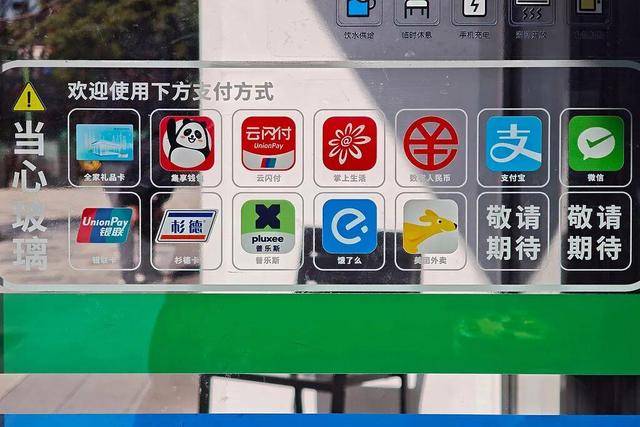
东吴证券:数字人民币新方案 机制+技术架构双重升级
智通财经网· 2026-01-05 01:34
Core Viewpoint - The upgrade of digital RMB from a "pilot product" to a "core liability and infrastructure" of banks will lead to an "order-driven + long-term penetration" impact on A-shares, rather than a simple thematic trade [1][2]. Group 1: Digital RMB Upgrade - The People's Bank of China will officially launch a new generation of digital RMB measurement framework and management system starting January 1, 2026, transitioning from "cash-type 1.0" to "deposit currency-type 2.0" [2]. - The core of the 2.0 mechanism is the redefinition of liability attributes and the inclusion of a macro framework, where balances in real-name wallets at commercial banks will be treated as "account-based commercial bank liabilities" [3]. Group 2: Financial IT Impact - Financial IT companies are likely to benefit from the need for banks to transform their core systems, accounting, channels, and data governance as the digital RMB infrastructure is implemented [1]. - The digital RMB will enhance the willingness of users to hold and use it by providing interest payments on wallet balances, similar to traditional deposits, thus creating a manageable asset-liability space for banks [3]. Group 3: Technical Architecture - The proposed digital path includes an "account system + currency string + smart contracts," which aims to standardize the wallet system and enhance the resilience of the system while ensuring compatibility with distributed ledger technology (DLT) [4]. - The smart contract ecosystem will facilitate programmable digital payments, reducing misuse risks and compliance costs across various scenarios such as supply chain finance and fiscal subsidies [4]. Group 4: Investment Recommendations - Companies such as Hengsheng Electronics, Jingbeifang, Changliang Technology, and Yuxin Technology are recommended for their potential in payment acceptance and terminal expansion [5]. - Communication operators like China Telecom, China Unicom, and China Mobile are expected to benefit directly from capabilities related to SIM hard wallets and cross-border connections [5].
亲测有效!数字人民币能“生息” 理财、信贷等服务可期
Bei Jing Shang Bao· 2026-01-04 13:53
Core Viewpoint - The digital renminbi is set to transition to version 2.0 on January 1, 2026, evolving from "digital cash" to "digital deposits," which will enhance consumer engagement and have significant implications for the financial market [1][4]. Group 1: Key Changes in Digital Renminbi 2.0 - The most significant change is that the balance in real-name digital renminbi wallets will earn interest at the rate of current deposits starting January 1, 2026 [4][5]. - Major banks, including ICBC, ABC, BOC, and others, have announced that the interest rate for digital renminbi will be 0.05%, similar to current deposit rates [4][5]. - Consumers can expect quarterly interest payments on their wallet balances, with specific dates for interest calculation [4][5]. Group 2: Consumer Benefits and Security - Only real-name wallets will earn interest, while anonymous wallets will not be eligible [5]. - Digital renminbi deposits will be covered by deposit insurance, providing a safety net of up to 500,000 yuan, similar to traditional bank deposits [5][8]. - The upgrade aims to enhance the attractiveness of funding digital wallets, as idle funds can now generate interest with no operational costs [4][5]. Group 3: Implications for Financial Institutions - The upgrade allows banks to actively manage digital renminbi as part of their asset-liability management, potentially leading to new financial services such as loans and investment products [8][10]. - Non-bank payment institutions will need to adapt to new regulations, including a requirement to deposit 100% of digital renminbi as collateral, which may impact their liquidity [9][10]. - The integration of digital renminbi into existing financial systems is expected to enhance customer retention and create a closed-loop system for financial services [10][12]. Group 4: Market Impact and Future Prospects - The digital renminbi's inclusion in general deposit assessments will shift banks from passive to active deposit acquisition strategies [10][12]. - The upgrade is seen as a milestone, marking a new phase in the standardization of digital currency operations, which will improve regulatory efficiency and enhance user experience [11][12]. - The potential for smart contracts and programmable currency capabilities is anticipated to drive future growth and innovation across various sectors [12].
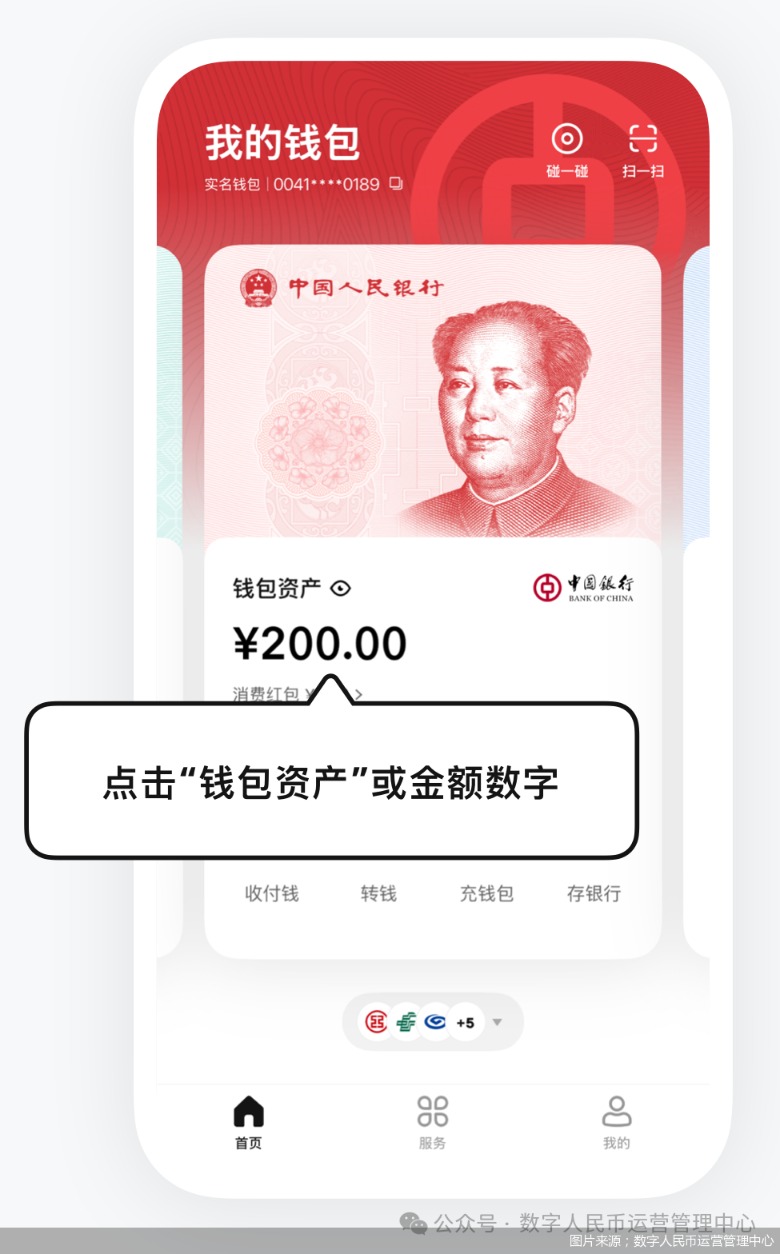
亲测有效!数字人民币能“生息”,理财、信贷等服务可期
Bei Jing Shang Bao· 2026-01-04 11:43
Core Viewpoint - The digital renminbi is set to transition into its 2.0 era on January 1, 2026, evolving from "digital cash" to "digital deposits," which will significantly impact everyday payments and consumer behavior [1][5]. Group 1: Key Features of Digital Renminbi 2.0 - From January 1, 2026, the balance in real-name digital renminbi wallets will earn interest at the same rate as demand deposits, with a current annual interest rate of 0.05% as observed from banks like China Merchants Bank [5][6]. - Interest will be calculated quarterly, with specific dates for interest payment, allowing consumers to earn passive income on idle funds [5][6]. - Only real-name wallets will be eligible for interest; anonymous wallets will not receive this benefit [6]. Group 2: Security and Insurance - Digital renminbi deposits will be included in the deposit insurance scheme, providing a safety net of up to 500,000 yuan, similar to traditional bank deposits [6][9]. - This inclusion aims to alleviate consumer concerns regarding the safety of their funds, enhancing the attractiveness of digital renminbi [10]. Group 3: Implications for Financial Institutions - The upgrade will encourage banks to integrate digital renminbi into their asset-liability management, enabling them to offer additional financial services such as loans and investment products [9][12]. - Banks can leverage the interest-bearing feature to attract more customers and create a closed-loop business model around digital wallets [9][10]. Group 4: Market Impact and Future Prospects - The digital renminbi's evolution is expected to have profound effects on the financial market, allowing banks to shift from passive to active deposit strategies [10][12]. - The introduction of smart contracts and programmable currency capabilities will facilitate innovative financial solutions, potentially increasing the frequency of digital renminbi usage in various sectors [11][12]. - The digital renminbi has already processed transactions worth 16.7 trillion yuan since its launch, indicating strong market adoption and a diverse range of applications [11].
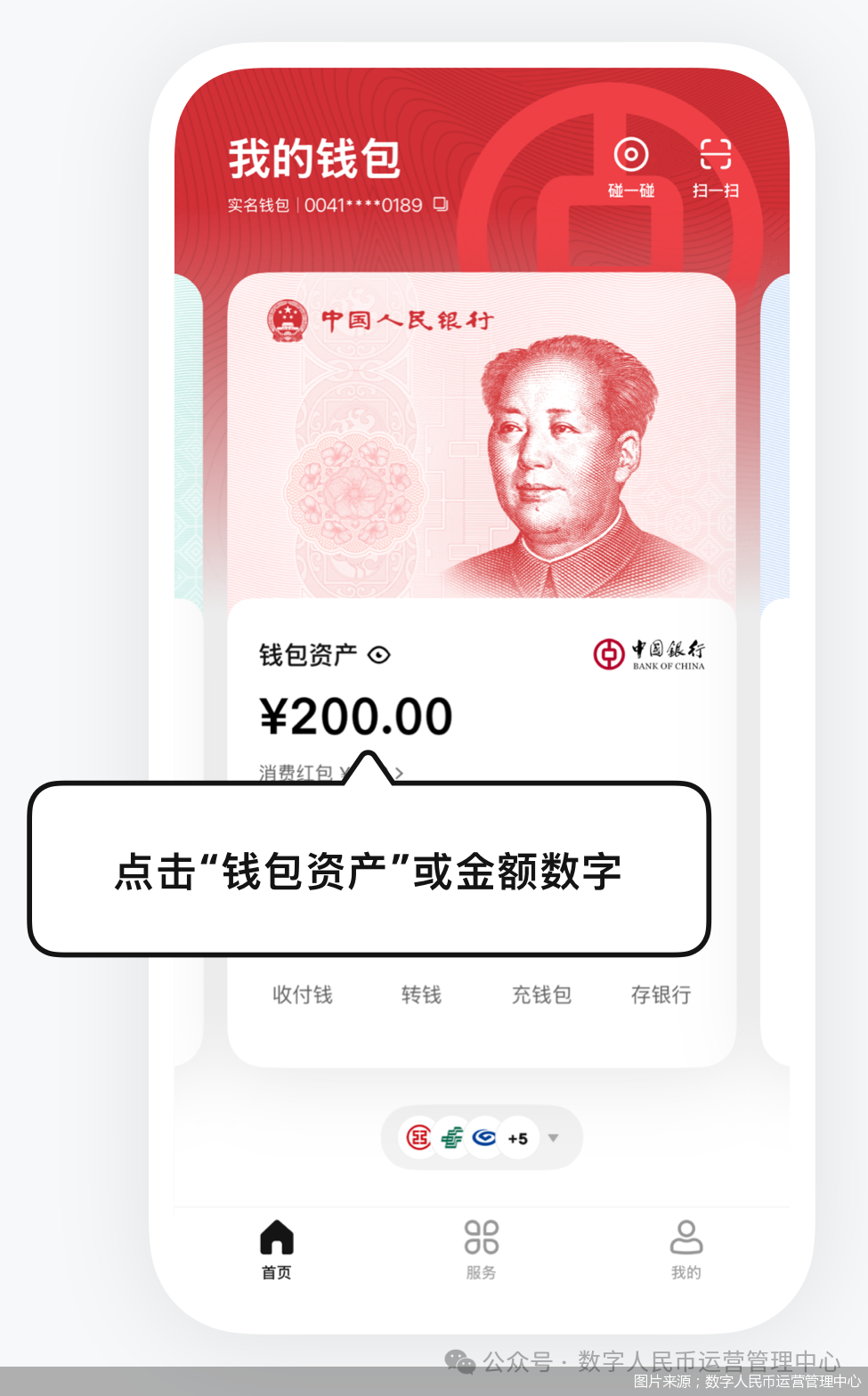
数字人民币今起升级,2.0版有何好处?对你我有何影响?
Sou Hu Cai Jing· 2026-01-01 07:14
Core Viewpoint - The People's Bank of China will implement a new action plan to enhance the management and service system of the digital renminbi, transitioning from a cash-like version to a deposit currency version starting January 1, 2026 [1][2]. Group 1: Transition to Digital Deposits - The digital renminbi will shift from being classified as "digital cash" to "digital deposits," allowing banks to pay interest on customer balances in digital renminbi wallets [2][6]. - Digital renminbi deposits will be included under deposit insurance, providing a protection limit of up to 500,000 yuan for customers in case of bank risks [2][8]. - Major banks, including ICBC and ABC, will start paying interest on digital renminbi wallet balances at the same rate as regular savings accounts [2][8]. Group 2: Implications for Banks - The new framework allows banks to manage digital renminbi as liabilities, enabling them to earn interest and comply with reserve requirements, thus integrating digital renminbi into their balance sheets [7][9]. - Previously, digital renminbi existed in M0 form, which did not allow for monetary creation; the new structure will allow it to be categorized under M1 or M2, improving liquidity in the banking system [8][9]. - The transition to digital deposits will enhance banks' motivation to promote digital renminbi, addressing previous cost burdens without corresponding revenue [9]. Group 3: Technological and Regulatory Aspects - The digital renminbi will incorporate distributed ledger technology and smart contracts, facilitating efficient payment processes and regulatory compliance [9]. - The new system aims to support real-time cross-border transactions, reducing intermediary costs and enhancing settlement efficiency, which may aid in the internationalization of the renminbi [9].

数字人民币变化解读
2025-12-31 16:02
Summary of Digital Renminbi Conference Call Industry Overview - The discussion revolves around the **Digital Renminbi** and its transition from version 1.0 (cash-type) to version 2.0 (deposit-type) [1][2][5] Key Points and Arguments Transition to Version 2.0 - Digital Renminbi has upgraded to version 2.0, transitioning from M0 (cash) to M1 (deposit currency), which includes interest-bearing features [1][2] - This upgrade aims to enhance the financial attributes and attractiveness of Digital Renminbi, allowing commercial banks to manage asset-liability operations and provide security equivalent to deposits [1][2] Challenges in Promotion - The promotion of Digital Renminbi faces dual challenges: insufficient user enthusiasm and lack of motivation from banks [1][3][6] - Despite 230 million personal wallets opened, the active account ratio remains low, and users do not perceive a strong necessity to adopt Digital Renminbi due to the maturity of third-party payment systems [3][6] Policy Upgrade and Core Changes - The core of the policy upgrade is to convert Digital Renminbi into an interest-bearing asset, incentivizing banks to promote it actively [1][7] - The People's Bank of China (PBOC) aims to facilitate the transition from M0 to M1 to enhance the international competitiveness of the Renminbi [7] Impact on Commercial Banks - The upgrade provides new opportunities for commercial banks, as the Digital Renminbi will now be treated as a liability, encouraging banks to promote it more vigorously [4][5][8] - The new model allows banks to earn interest spreads, enhancing their commercial momentum [8] Investment Opportunities - The transition is expected to create investment opportunities in the payment industry, particularly for IT system upgrades and hardware manufacturers [3][4][5][11] - The focus on cross-border payments is highlighted as a significant area for future development, with partnerships with countries like Singapore and those along the Belt and Road Initiative being crucial [10][15] Future Focus Areas - Future attention will be directed towards improving cross-border payment efficiency, which currently suffers from high costs and low efficiency [10][15] - The upcoming detailed action plans and specific measures will be critical for the successful implementation of the new framework [10] Additional Important Insights - The Digital Renminbi's evolution signifies a shift from a payment tool to a wealth management platform, enhancing user engagement and allowing banks to regain control over payment processes [14] - The advantages of Digital Renminbi in cross-border payments include significantly reduced transaction times and costs, improved transparency, and compliance with regulatory requirements [15]
数字人民币新方案:机制+技术架构双重升级
Soochow Securities· 2025-12-31 13:00
Investment Rating - The report maintains an "Accumulate" rating for the computer industry, indicating a positive outlook for the sector over the next six months [1]. Core Insights - The People's Bank of China has introduced a new action plan for the digital RMB, transitioning from a "cash-type 1.0" to a "deposit currency-type 2.0" starting January 1, 2026. This upgrade includes a redefinition of liabilities and a new macro framework [3]. - The new digital RMB framework aims to enhance the management and infrastructure of digital currency, improving liquidity management and regulatory efficiency. It introduces a wallet system based on accounts, a "currency string" for value transfer, and a smart contract ecosystem [3]. - The investment implications suggest that the digital RMB upgrade will drive demand for financial IT services, payment acceptance, and telecom operators, with specific companies recommended for investment [3]. Summary by Sections Industry Trends - The report highlights a significant upgrade in the digital RMB, which is expected to enhance its role as a core banking liability and infrastructure, moving beyond pilot products to mainstream adoption [3]. Mechanism and Technical Architecture - The new mechanism emphasizes the redefinition of customer balances in commercial banks as liabilities, with a focus on risk management and compliance. The technical architecture includes an upgraded wallet system and smart contracts to facilitate programmable digital payments [3]. Investment Recommendations - The report suggests focusing on companies like Hengsheng Electronics, Jingbeifang, Changliang Technology, and Yuxin Technology in the financial IT sector. For payment acceptance, companies such as Newland, Lakala, and Hengyin Technology are recommended. Telecom operators like China Telecom, China Unicom, and China Mobile are also highlighted as beneficiaries of the new digital infrastructure [3].