
数字重庆

Search documents
如何激活发展新动能? 改革“破局”与科技“赋能”双向奔赴
Xin Lang Cai Jing· 2026-01-28 18:54
Core Viewpoint - The Chongqing government aims to establish a regional technology innovation center by 2026, focusing on high-level innovation platforms and the "Artificial Intelligence +" initiative to drive industrial transformation and high-quality development [1]. Group 1: Technology Innovation and Industry Transformation - Chongqing needs to address the urgent need for industrial innovation, particularly in the smart connected vehicle sector, by creating a "fast track" for technology transfer and resolving issues related to low value chains and supply structure imbalances [3]. - A fusion system of "industrial services + technology innovation" is essential, promoting collaboration between service institutions and innovation parks to create a closed-loop of development among technology, enterprises, ecology, and market [3]. Group 2: Collaboration Between State-owned and Private Enterprises - To activate internal motivation, an innovation ecosystem that leverages the strengths of both state-owned and private enterprises is necessary, with state-owned enterprises focusing on frontier technologies and infrastructure, while private enterprises concentrate on technology application and transformation [4]. - The "chain leader system" should be deepened to encourage state-owned enterprises to form innovation alliances and open their laboratories and pilot bases to support innovative private enterprises [4]. Group 3: Digital Infrastructure and Industry Integration - The real market demand for digital infrastructure is driven by the integration of technology and industry, with developments in smart connected vehicles and high-end equipment manufacturing creating a foundational digital base [5]. - This digital infrastructure can enhance production processes and extend its benefits to urban governance and public services, creating a common platform for government, enterprise, and public service [6]. Group 4: Digital Empowerment and Economic Development - "Digital Chongqing" has made significant progress in areas like "one network for management" and "one network for services," with a focus on enhancing capabilities and value creation in the future [7]. - The goal is to transform digital resources into tools for macroeconomic analysis and industry chain strategies, ultimately making "Digital Chongqing" a core engine for nurturing new productive forces and optimizing resource allocation [7]. Group 5: Market and Institutional Environment for Innovation - Chongqing aims to seize opportunities in future industries like artificial intelligence by creating an innovation ecosystem driven by demand and application [8]. - The government should open public and industry data while fostering a supportive environment for innovative investments, allowing for the growth of innovative initiatives and contributing to the construction of an "Artificial Intelligence Bay Area" [8].


扎实推动数字重庆基本能力向体系能力迈进
Xin Lang Cai Jing· 2026-01-19 17:09
Core Insights - The meeting on January 19 emphasized the importance of advancing the "Digital Chongqing" initiative, focusing on digital empowerment and reform to enhance modern governance in a mega city [1][2]. Group 1: Digital Chongqing Development - The city has made significant progress in building basic capabilities for "Digital Chongqing," achieving important milestones in governance, digital economy, and public service [2][3]. - The overall framework of "1361" has been established, which aims to enhance governance capabilities and digital economic competitiveness [2][4]. Group 2: Governance and AI Integration - The governance model is shifting from digital empowerment to AI-enabled intelligent governance, focusing on improving quality and efficiency rather than just expansion [3]. - There is a need to address common issues in mega city governance, such as traffic congestion, environmental pollution, and food safety, by developing integrated scenarios and high-quality data sets [3][4]. Group 3: Institutional Mechanisms and Collaboration - The establishment of a management mechanism for "one account" is crucial for integrating resources and enhancing the capabilities of "Digital Chongqing" [3][4]. - Collaboration with local institutions, such as the Chongqing Artificial Intelligence Academy, is essential for developing a skilled workforce and advancing AI initiatives [3].
重庆发布城市交通“卡码一体”
Zhong Guo Xin Wen Wang· 2025-12-24 11:17
Core Insights - The "Chongqing Urban Transportation Card and Code Integration" project was officially launched, addressing the separation issue between traditional public transport cards and codes, and laying a foundation for smart governance in public transport through "Internet + AI" [2]. Group 1: Project Overview - The "Card and Code Integration" project aims to enhance the public transport experience by allowing citizens to register via the "Yutongxing" app, view travel records, accumulate discounts, and provide feedback [2]. - The successful launch of this project marks a significant advancement in Chongqing's "Digital Chongqing" initiative, contributing to the city's digital transformation and offering a model for smart transportation development nationwide [2]. Group 2: Strategic Partnerships - Chongqing Urban Transportation Development Investment Group (referred to as "Chongqing Transportation Group") signed an AI smart transportation strategic cooperation agreement with Ant Group during the launch event [2]. - The collaboration aims to tackle key technological challenges in the integration of cards and codes in the public transport sector, achieving a new service model of "one card for all, one code for all" [2]. Group 3: Company Profile - Chongqing Transportation Group is a large state-owned enterprise responsible for the investment and operation of urban public transport infrastructure, completing an average annual investment of over 35 billion yuan in transportation infrastructure [2]. - The company serves approximately 8 million public transport users daily, playing a crucial role in the construction and management of Chongqing's urban public transport system [2]. Group 4: Future Goals - The chairman of Chongqing Urban Transportation Card Payment Co., Ltd. stated that the company aims to transform from a "transport payment service provider" to a "city-level digital ecosystem platform" following the launch event and signing ceremony [4].
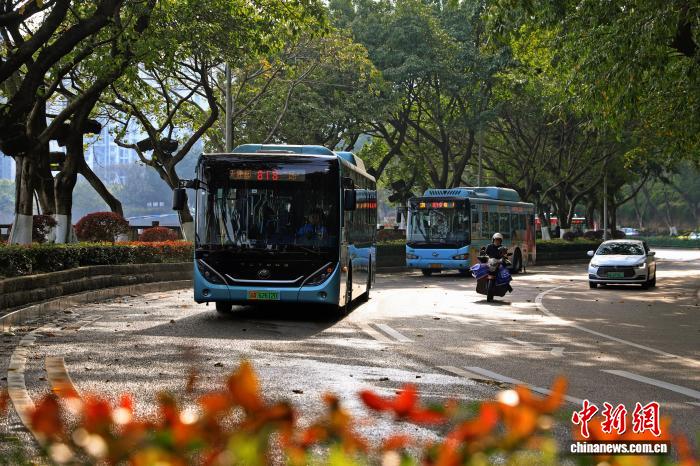
走出交通治理新路子,山城有通途
Xin Lang Cai Jing· 2025-12-19 12:14
Core Viewpoint - Chongqing is innovating its traffic management through digital solutions to enhance governance and improve transportation efficiency in a complex urban environment [1] Group 1: Traffic Management Innovations - The implementation of a non-site enforcement system in Chongqing allows for real-time monitoring of vehicle weight and compliance, significantly improving regulatory efficiency [2] - The system integrates data from 41 fixed enforcement stations and 149 non-site points, achieving a data upload rate of 96.85% [2] - The establishment of a comprehensive traffic enforcement management information system supports the digital transformation of transportation governance in Chongqing [2] Group 2: Data Sharing and Collaboration - Chongqing has consolidated 209 sensing resources and 30 data types in traffic enforcement, facilitating collaboration across 16 departments [3] - The establishment of mechanisms for transferring illegal activity leads and case handling enhances the city's safety and resilience [3] Group 3: Shift from Management to Service - The introduction of responsive public transport in areas lacking bus coverage addresses community transportation needs and reduces illegal passenger transport [4] - The traffic enforcement department has created service brands like "I Protect Your Travel," providing one-stop services to address public concerns [4] Group 4: Enhanced Traffic Flow Management - The implementation of "tidal" service strategies during peak travel times has reduced congestion and improved traffic flow on major highways [5] - During the 2025 National Day and Mid-Autumn Festival, outbound and inbound traffic at the Wulong service area increased by 35.63% and 6.02%, respectively, demonstrating effective traffic management [5] Group 5: Cross-Regional Cooperation - Collaborative efforts between Sichuan and Chongqing have streamlined cross-regional traffic enforcement, reducing bureaucratic delays and improving operational efficiency [6] - The introduction of unified administrative penalty standards and collaborative enforcement procedures has addressed challenges in cross-border traffic violations [6] Group 6: Future Directions - Ongoing efforts will focus on enhancing enforcement quality, team development, and service capabilities to further integrate traffic enforcement with modern urban governance [9]

着力提升超大城市发展、服务、治理能力—— 重庆推进市域数字化转型
Ren Min Ri Bao· 2025-11-19 22:47
Core Insights - The article emphasizes the integration of digital transformation in Chongqing, enhancing urban governance and service efficiency through advanced technologies and data management [1][2][4][6]. Group 1: Digital Transformation in Urban Governance - Chongqing is actively exploring digital transformation to improve urban governance, aiming for smarter, more efficient, and precise city management [1][6]. - The establishment of a unified intelligent public data platform allows for seamless data sharing among various departments, enhancing service delivery [4][5]. - A three-tiered digital city operation and governance center has been created, facilitating rapid information flow and coordination during emergencies [6][7]. Group 2: Industry and Technology Development - The integration of smart infrastructure in the automotive sector has led to significant advancements, such as vehicles autonomously responding to road conditions, enhancing safety [2]. - Chongqing's digital industry revenue reached 9910.2 billion yuan in 2024, reflecting a 6.1% year-on-year growth, driven by the development of software and information services [2]. - The implementation of over 6900 smart transformation projects has resulted in the establishment of 211 advanced intelligent factories, improving production efficiency and reducing operational costs [3]. Group 3: Enhanced Public Services - The "Yukuaiban" application streamlines administrative processes, allowing residents to complete multiple tasks in a single operation, significantly reducing the time required for services [4][5]. - The city has developed a one-stop service platform for enterprises, facilitating intelligent matching of service supply and demand, and proactively delivering policies to businesses [5]. - The establishment of a comprehensive risk monitoring system has improved emergency response times by threefold, enhancing public safety and urban resilience [7].

健共体再落一城!微医控股与重庆沙坪坝区达成战略合作
Xin Lang Zheng Quan· 2025-11-01 10:33
Core Insights - The strategic cooperation agreement between Shapingba District of Chongqing and WeDoctor Holdings aims to initiate the "Digital Health Community" project, focusing on building an integrated healthcare service system centered on health [1][2] Group 1: Project Objectives - The collaboration will emphasize four systematic innovations: creating a "Three-Medicine Linkage" platform for dynamic sharing of medical, pharmaceutical, and insurance data; establishing a regional chronic disease management center and AI cloud pharmacy for comprehensive medication management; exploring family doctor contract-based payment systems; and developing digital health records for residents' entire life cycle [2][3] - The "Digital Health Community" is designed to leverage digital technology to create a health-centered community, driven by health responsibility and insurance payment mechanisms, and is a key initiative for promoting "Three-Medicine Coordination" [2] Group 2: Previous Success and Implementation - WeDoctor Holdings has previously collaborated with the Tianjin government since 2020 to explore grassroots digital health community construction, achieving significant innovations in payment and management systems, which have been incorporated into national policies [3] - The Tianjin model has successfully shifted healthcare institutions from passive treatment to proactive health management, resulting in improved patient health indicators, enhanced grassroots service capabilities, and reduced growth in insurance expenditures [3] Group 3: Local Context and Future Plans - Shapingba District has been actively reforming its integrated healthcare service system, with family doctor services covering 460,000 residents and a focus on high-risk populations [3] - Future cooperation will focus on data compliance, AI healthcare product development, and industry chain aggregation, aiming to position Shapingba as a new hub for the health industry in Western China [4]
