文人风骨

Search documents
文化脊梁,中国李庄 | 故乡里的中国
Jing Ji Guan Cha Bao· 2026-02-18 17:06
Core Viewpoint - The article highlights the historical significance of Lizhuang, a small town in China, during the Second Sino-Japanese War, where numerous scholars and cultural institutions gathered, transforming it into a center of academic and cultural activity [1][10]. Historical Context - In 1940, due to the war, prominent scholars and institutions, including Tongji University and the Central Research Institute, relocated to Lizhuang, which was then a small town with a population of only 3,000 [3][7]. - A telegram stating "Tongji University welcomes, all needs provided" was sent out, leading to over 12,000 scholars and researchers moving to Lizhuang with more than 900 boxes of cultural artifacts [3][4]. Cultural Transformation - The town's infrastructure was repurposed to accommodate the influx of scholars, with temples and ancestral halls converted into classrooms and dormitories [4][6]. - Lizhuang became a hub for significant academic work, with nearly 200 courses offered by around 200 teachers during the six years of occupation [7][8]. Notable Figures and Contributions - Renowned figures such as Liang Sicheng and Lin Huiyin conducted research on Chinese architecture in Lizhuang, while other scholars made significant contributions in various fields despite facing hardships [6][9]. - The town was home to groundbreaking research, including embryology studies by Tong Dizhou, conducted under challenging conditions [9]. Legacy and Recognition - Lizhuang is recognized as one of the four major cultural centers during the war, symbolizing the resilience and spirit of Chinese intellectuals [10]. - The town's historical significance is commemorated through monuments and cultural events, including its recognition as a key location during the 2026 Spring Festival Gala [12][13].
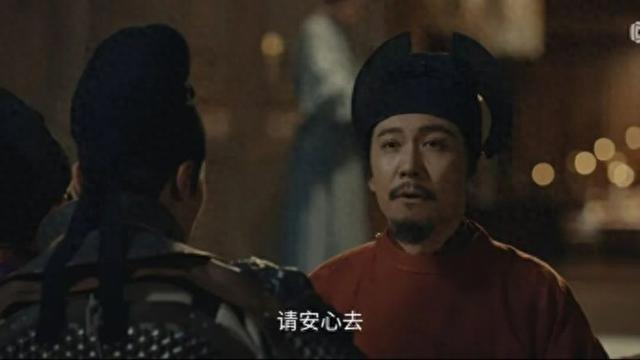
风骨绵延《太平年》里的慎温其,后人守护中华文脉千年
Xin Lang Cai Jing· 2026-02-07 16:40
Group 1 - The core theme of the article revolves around the character Shen Wenqi, who exemplifies loyalty and integrity in a tumultuous historical context, showcasing the spirit of a scholar in the face of adversity [2][9][10] - Shen Wenqi's unwavering loyalty to his master, even under duress, highlights the values of loyalty and righteousness, which resonate throughout the narrative [10][9] - The character's strategic thinking and wisdom are emphasized, particularly in critical moments where he provides guidance and support to others, reinforcing the idea of duty and honor [7][10] Group 2 - The historical background of Shen Wenqi is rich, with references to his family's legacy and contributions to society, including notable descendants who achieved prominence in various fields [10][13] - The article discusses the archaeological significance of the Qianshanyang site, which has revealed artifacts that push back the history of silk production, linking it to the broader cultural heritage of the region [14][15] - The ongoing cultural revival in Lù village, driven by the legacy of the Shen family, illustrates the enduring impact of their scholarly and cultural contributions over centuries [19][20]

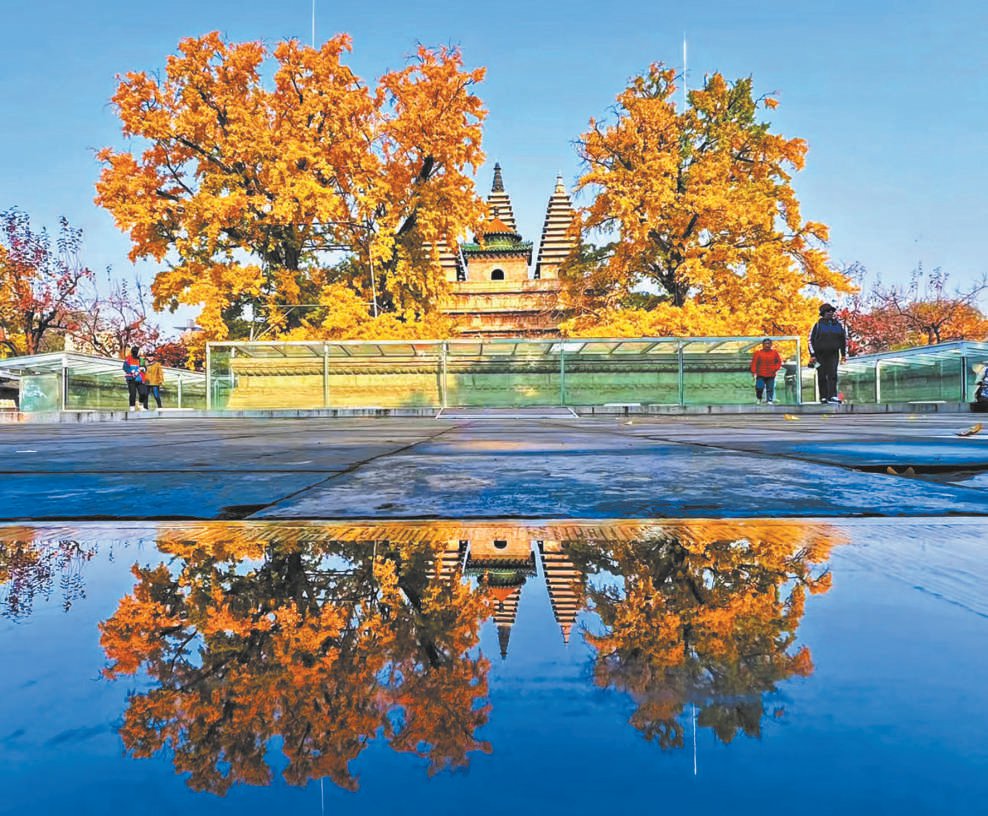
真觉寺古银杏:五百岁的时光印记
Bei Jing Ri Bao Ke Hu Duan· 2025-11-12 22:05
Core Viewpoint - The ancient ginkgo trees at Zhenjue Temple, recognized for their historical and cultural significance, have been included in the first batch of "National Key Protection Units: Ancient Trees and Famous Trees" collaborative protection list, highlighting the highest level of national recognition and importance [1][11]. Summary by Sections Historical Significance - The two ancient ginkgo trees, approximately 500 years old, were planted during the Ming Dynasty when the temple was established, making them contemporaneous with the Vajra Throne Pagoda completed in 1473 [4][5]. - The ginkgo trees symbolize the temple's historical narrative, having survived various periods of decline and destruction, including the late Qing Dynasty and the Republic of China era [5][11]. Architectural Context - The Vajra Throne Pagoda is noted for its exquisite design, combining Indian architectural elements with traditional Chinese features, and is considered one of the most beautiful existing examples of this style in China [5][6]. - The unique positioning of the ginkgo trees in front of the pagoda distinguishes them from other ancient trees in Beijing's temples, which typically grow around the main halls [3][4]. Cultural Heritage - The ginkgo trees have become a living testament to the cultural and artistic heritage of the region, reflecting the intertwining of Buddhist traditions and royal patronage, particularly during the Qing Dynasty [6][8]. - The trees are associated with significant historical events, such as the renovations ordered by Emperor Qianlong to celebrate his mother's birthday, which elevated the temple's status and architectural grandeur [7][8]. Literary Connection - The ginkgo trees have inspired literary works, including poems by notable figures like Hong Liangji, which document their beauty and significance within the temple's landscape [9][10]. - The connection between the trees and the artistic endeavors of the Qing Dynasty, particularly the calligraphy of Prince Yongxing, further emphasizes their cultural importance [10][11].
《国宝美鉴》第十四集:墨酒同章 尽显文人风骨气度
新华网财经· 2025-07-16 09:15
Group 1 - The article discusses the cultural significance of the program "National Treasure Appreciation," which explores the intersection of traditional art and fine wine, emphasizing the deep-rooted cultural heritage of China [1]. - The program consists of fifteen episodes that decode the cultural codes behind national treasures from five different dimensions [1]. - The fourteenth episode titled "Ink and Wine Together" highlights the emotional expressions of literati through poetry, calligraphy, and painting, comparing their creative processes to the varying experiences of tasting fine wine [3]. Group 2 - The article references historical figures such as Mi Fu, who exchanged a rare stone for a treasured inkstone, illustrating the deep connection between art and personal expression [2]. - It describes the artistic techniques of late Tang painter Sun Wei, who inherited the brushwork style of Gu Kaizhi, showcasing the emotional depth and restraint in his works [5]. - The emotional evolution in Su Shi's poetry, particularly during his exile, is highlighted, demonstrating how his writing reflects his changing feelings and circumstances [6]. Group 3 - The article emphasizes the importance of personal integrity and restraint in both art and life, likening it to the philosophy behind the production of Moutai, which values authenticity over ostentation [8].