李庄白肉

Search documents
央媒看四川丨“跟着春晚游宜宾”成文旅新风尚
Xin Lang Cai Jing· 2026-02-19 13:47
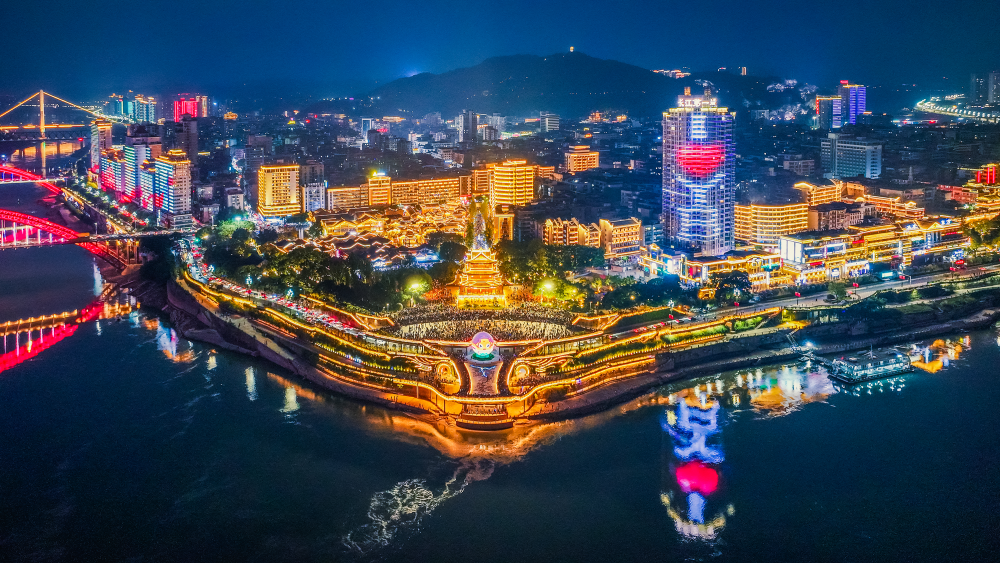
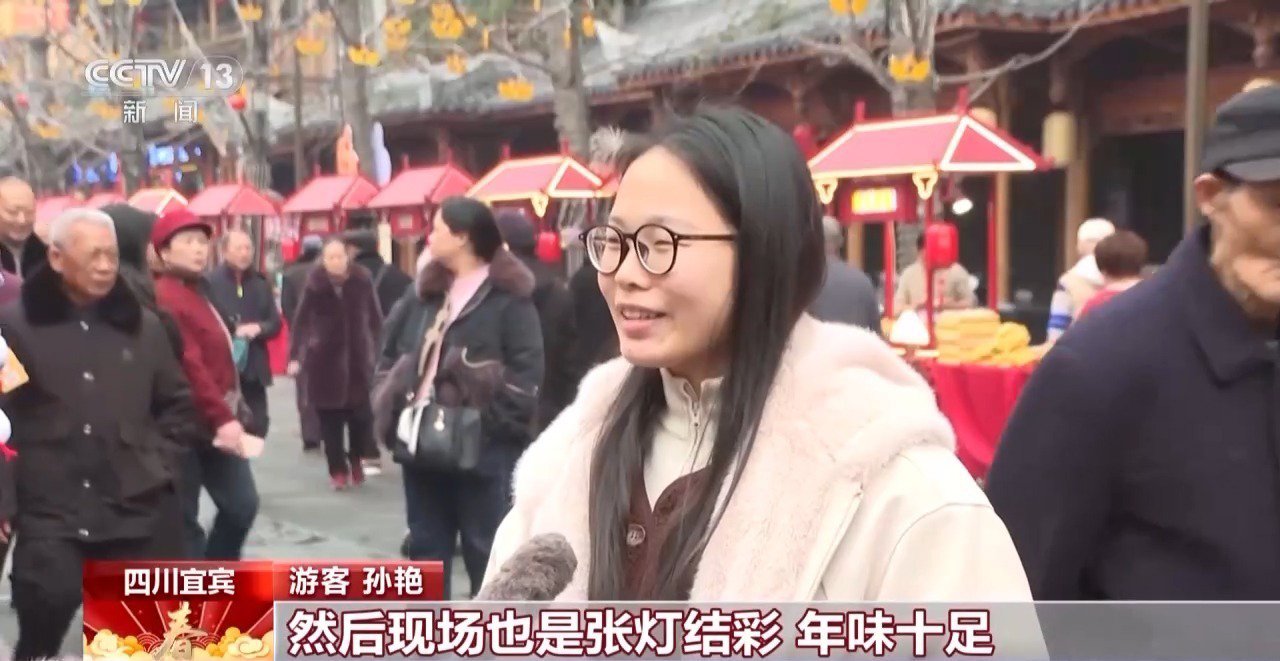
Group 1 - The 2026 Spring Festival Gala in Yibin, Sichuan, has gained significant popularity, with the theme "Traveling with the Spring Festival Gala" becoming a new trend in cultural tourism during the New Year [1] - The streets of Hejiang, one of the gala's venues, are adorned with red lanterns and various Spring Festival elements, creating a festive atmosphere [1] - Twelve unique photo spots themed around the Year of the Horse have been established, attracting tourists for interactive experiences [1] Group 2 - The festive atmosphere extends beyond Hejiang Street, with other areas like Guanying Ancient Street and Bodao Historical and Cultural District also bustling with visitors [6] - Tourists can enjoy local delicacies such as Yibin burnt noodles, Lizhuang white meat, and Shuanghe cool cake, while immersing themselves in intangible cultural heritage markets and local folk performances [8] - Visitors express their enjoyment of the vibrant atmosphere and unique cultural experiences, highlighting the festive spirit of the New Year [10]

文化脊梁,中国李庄 | 故乡里的中国
Jing Ji Guan Cha Bao· 2026-02-18 17:06
Core Viewpoint - The article highlights the historical significance of Lizhuang, a small town in China, during the Second Sino-Japanese War, where numerous scholars and cultural institutions gathered, transforming it into a center of academic and cultural activity [1][10]. Historical Context - In 1940, due to the war, prominent scholars and institutions, including Tongji University and the Central Research Institute, relocated to Lizhuang, which was then a small town with a population of only 3,000 [3][7]. - A telegram stating "Tongji University welcomes, all needs provided" was sent out, leading to over 12,000 scholars and researchers moving to Lizhuang with more than 900 boxes of cultural artifacts [3][4]. Cultural Transformation - The town's infrastructure was repurposed to accommodate the influx of scholars, with temples and ancestral halls converted into classrooms and dormitories [4][6]. - Lizhuang became a hub for significant academic work, with nearly 200 courses offered by around 200 teachers during the six years of occupation [7][8]. Notable Figures and Contributions - Renowned figures such as Liang Sicheng and Lin Huiyin conducted research on Chinese architecture in Lizhuang, while other scholars made significant contributions in various fields despite facing hardships [6][9]. - The town was home to groundbreaking research, including embryology studies by Tong Dizhou, conducted under challenging conditions [9]. Legacy and Recognition - Lizhuang is recognized as one of the four major cultural centers during the war, symbolizing the resilience and spirit of Chinese intellectuals [10]. - The town's historical significance is commemorated through monuments and cultural events, including its recognition as a key location during the 2026 Spring Festival Gala [12][13].
年轻人集体倒退,开始迷恋“老派生活”
虎嗅APP· 2025-12-28 14:40
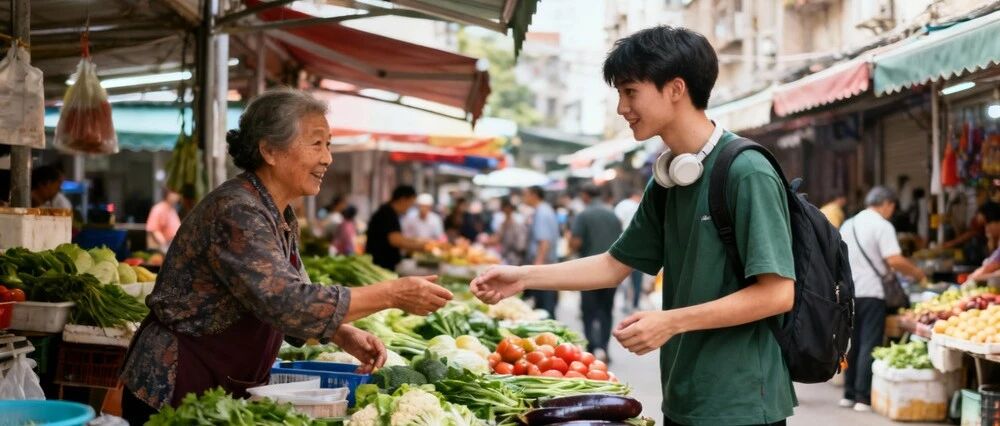
Core Viewpoint - The article discusses the resurgence of "old-fashioned" lifestyles among young people in 2025, emphasizing a return to simpler, more meaningful activities and experiences in the face of modern distractions and technology [4][8][10]. Group 1: Lifestyle Changes - Young people are increasingly engaging in traditional activities such as knitting, painting, and visiting local markets, reflecting a desire to slow down and appreciate life at a more leisurely pace [8][10]. - The concept of "old-fashioned living" is seen as a form of rebellion against the fast-paced, technology-driven lifestyle that dominates contemporary society [8][10]. Group 2: Market and Community Engagement - The article highlights the importance of local markets, where personal interactions and community connections are valued over the convenience of online shopping [11][14]. - The experiences shared by individuals in local markets reveal a wealth of knowledge and cultural practices that cannot be replicated through online platforms [14][15]. Group 3: Travel and Exploration - The narrative includes personal accounts of spontaneous travel to nearby towns, emphasizing the joy of exploration without rigid planning, which aligns with the "old-fashioned" approach to life [16][20]. - The exploration of places like Li Zhuang showcases the blend of historical significance and local culture, enhancing the travel experience beyond mere sightseeing [20][27]. Group 4: Seasonal Living - The article describes the concept of "cat winter" in Northeast China, where people embrace a slower, more relaxed lifestyle during the harsh winter months, focusing on home and family [29][30]. - This seasonal approach to living highlights the joy found in simple pleasures and the importance of community during challenging times [30][34]. Group 5: Culinary Traditions - The discussion of traditional foods, such as "nang" from Xinjiang, emphasizes the cultural significance and simplicity of local cuisine, contrasting with the more commercialized versions found in urban settings [36][40]. - The article points out that traditional foods are often more affordable and accessible, reflecting a deep connection to local culture and community values [41][45].
四川宜宾:“三地+三中心”构建国际旅游城市格局
Xin Hua Cai Jing· 2025-07-23 07:00
Core Viewpoint - The Yibin Municipal Committee has approved a decision to promote the deep integration of culture and tourism, aiming to build an international tourism city and enhance the city's overall capabilities through five key areas: strengthening cultural foundations, shaping the city's image, improving services, empowering development, and establishing a working system [1][2]. Group 1: Development Goals - The decision sets the goal of building an international tourism city, focusing on the deep integration of culture and tourism as a crucial strategy for urban development [1][2]. - Yibin aims to create a tourism development pattern that integrates scenic areas and urban spaces, enhancing the city's brand image and providing high-quality services and experiences for both residents and visitors [1][2]. Group 2: Key Areas of Focus - The "Three Places" initiative will leverage Yibin's rich cultural and tourism resources to enhance its international and domestic recognition [2]. - The "Three Centers" initiative will focus on creating a vibrant sports event center, a fashionable performing arts center, and a quality consumption center to attract tourists and enhance regional influence [3][4]. Group 3: Cultural and Ecological Development - Yibin will develop a cultural landmark by promoting its historical and modern aesthetics, enhancing its identity as "the first city of the Yangtze River" and protecting historical cultural districts [2]. - The ecological vacation destination will be established by enhancing ecological resources and creating a harmonious relationship between nature and tourism [2]. Group 4: Economic Empowerment - The development of the cultural and tourism industry is seen as a means to promote material and spiritual wealth among the populace, ultimately enhancing their sense of happiness and pride [4]. - The strategy aims to drive economic growth and increase income through the integration of culture and tourism with various industries, providing strong momentum for building a modern regional center city [4].