文化传承与发展

Search documents
江苏骄傲!镇江戏曲名家龚莉莉亮相2026 央视春晚,展现古城文化魅力
Xin Lang Cai Jing· 2026-02-23 05:19
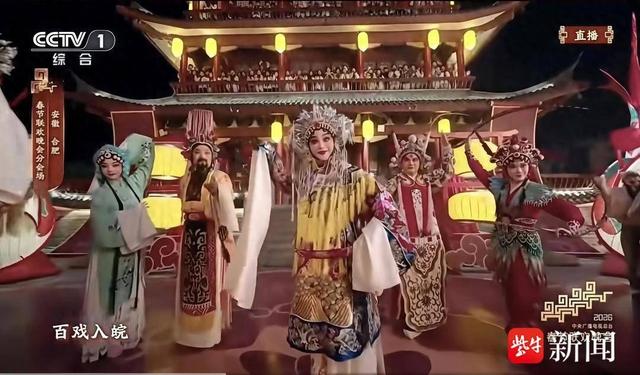
Core Viewpoint - The performance of Gong Lili at the 2026 CCTV Spring Festival Gala highlights the cultural richness of Zhenjiang and showcases the integration of traditional arts with contemporary expressions [1][3][7]. Group 1: Performance Highlights - Gong Lili, a recipient of the Plum Blossom Award and a prominent cultural figure in Zhenjiang, performed at the Hefei sub-venue of the Spring Festival Gala, representing the cultural pride of Jianghuai [1][3]. - The program "He Yun Man Jianghuai" emphasizes the beauty of fusion, featuring various art forms such as opera, dance, and singing, with top artists collaborating to reflect the cultural heritage of the region [3][6]. Group 2: Cultural Impact - Gong Lili's participation in the gala serves as a significant opportunity to showcase Zhenjiang's cultural identity and the dedication of local cultural workers [5][7]. - The event is a testament to the thriving cultural scene in Zhenjiang, where efforts are being made to promote public cultural services and nurture artistic talent, enhancing the city's cultural reputation [5][7].

让历史遗存的精神价值浸润人心
Xin Lang Cai Jing· 2026-01-18 19:30
Core Viewpoint - The article emphasizes the importance of utilizing historical relics and cultural heritage in Inner Mongolia to foster a sense of community and national identity among various ethnic groups through innovative educational and cultural practices [1][2]. Group 1: Historical and Cultural Significance - Inner Mongolia has 21,000 immovable cultural relics, which are seen as valuable resources that can be connected to promote unity and shared development among different ethnic groups [2]. - The article suggests creating educational routes based on historical figures and events, such as the "Hu Han Heqin" theme route centered around Wang Zhaojun, to illustrate the integration of agricultural and nomadic cultures [2]. Group 2: Innovative Engagement Methods - The use of digital technologies like AR and VR is proposed to recreate historical scenes and enhance the understanding of early human interactions depicted in rock paintings [3]. - Cultural products inspired by historical texts and artifacts are recommended to make history more relatable and engaging for the public [3]. Group 3: Educational Integration - The article advocates for incorporating community awareness education into the school curriculum, using archaeological findings to teach students about the formation of a multi-ethnic Chinese identity [4]. - Schools are encouraged to utilize local historical sites as educational resources, fostering a deeper understanding of the region's diverse cultural heritage [4]. Group 4: Community and Economic Development - The article highlights the potential for historical sites to contribute to local economies by involving communities in cultural tourism and heritage preservation [5]. - Initiatives such as developing cultural tourism cooperatives around historical sites are suggested to enhance income and promote cultural heritage protection [5]. Group 5: Cultural Communication and Influence - A multi-channel approach to disseminating cultural narratives from historical relics is recommended to enhance public engagement and appreciation [6]. - The focus on relatable stories from ordinary people in history is emphasized as a way to connect various ethnic groups and foster a shared cultural identity [6].
展看贵州|油画《安顺文庙忆弦歌》,超越单纯的景象记录
Xin Lang Cai Jing· 2026-01-05 09:28
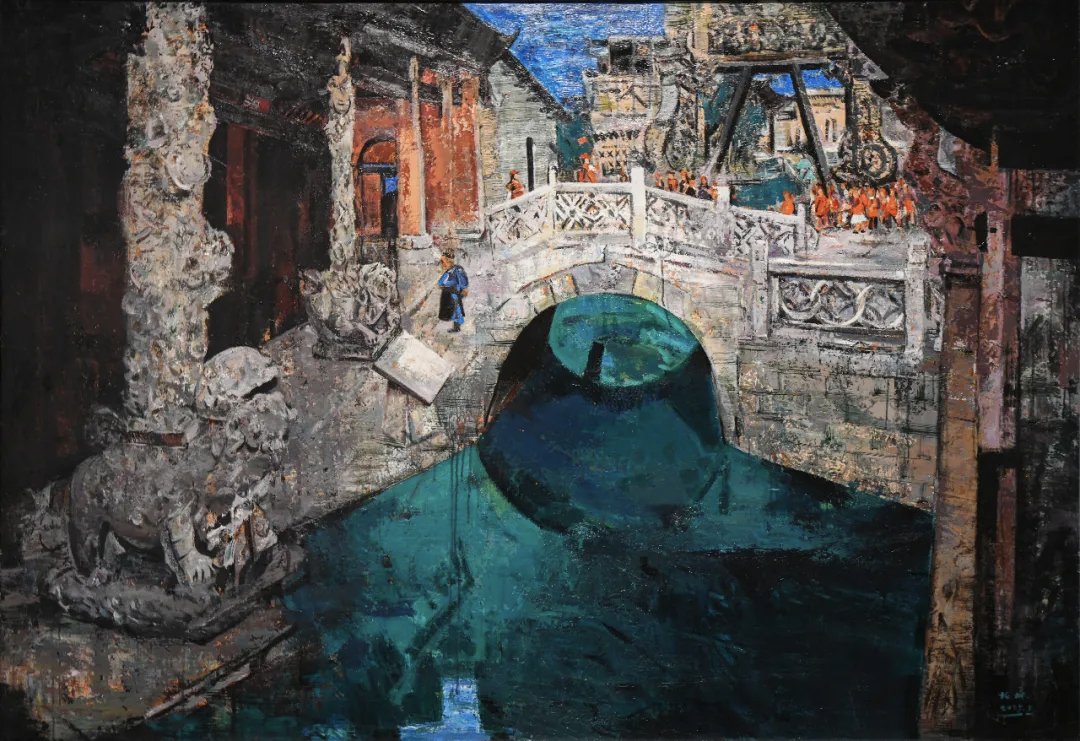
Core Viewpoint - The article highlights the significance of the Anshun Confucian Temple as a historical and cultural landmark in Guizhou, showcasing its artistic representation through Yang Lin's oil painting "Anshun Wenmiao Yi Xian Ge" and emphasizing the importance of cultural heritage in contemporary art [1][3]. Group 1: Anshun Confucian Temple - The Anshun Confucian Temple, located in Anshun City, Guizhou Province, has a history of over 600 years, established during the early Ming Dynasty [1]. - The temple is recognized as a national key cultural relic protection unit, symbolizing the spread of Confucian culture in border areas [1]. - The temple complex features 22 existing buildings and covers an area of 8,750 square meters, renowned for its stone carving art [1]. Group 2: Yang Lin's Artistic Contribution - Yang Lin, a teacher at Anshun Vocational and Technical College and a member of the China Artists Association, aims to express contemporary societal developments and ethnic culture through his art [3]. - His work "Anshun Wenmiao Yi Xian Ge" creatively incorporates elements of the temple, using color and form to connect the ancient architecture with contemporary life [1][3]. - The juxtaposition of the elderly and young student in the painting symbolizes the transmission and evolution of traditional Chinese culture [1]. Group 3: Cultural Heritage Exhibition - The "2024-2025 Colorful Guizhou Cultural Heritage Theme Youth Art Exhibition" focuses on Guizhou's rich cultural heritage and is part of the annual key work of the "Colorful Guizhou" cultural project [7]. - The exhibition features four thematic sections, showcasing red historical sites, world-class cultural heritage, and historical cultural cities and villages [7]. - The exhibition is open to the public for free until January 11, 2026 [7].
平陆运河风物志 | 龙窑火生六百载
Guang Xi Ri Bao· 2025-12-27 03:26
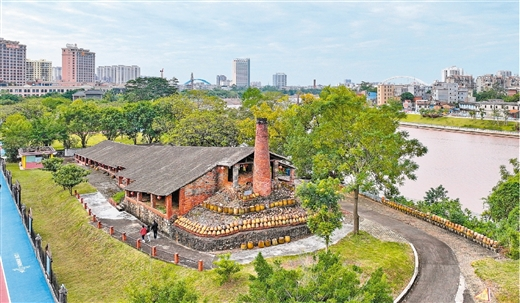
Core Viewpoint - The article highlights the historical and cultural significance of the Qinjian Ancient Dragon Kiln, emphasizing its role in the heritage of ceramic production in China and its status as a national intangible cultural heritage site [1][2][4]. Group 1: Historical Background - The Qinjian Ancient Dragon Kiln has a history of over 600 years, linked to the construction of the Ming Dynasty city wall for defense against pirates, where local craftsmen established the kiln to produce bricks and pottery [1][3]. - The village of Gangwa Kiln has become the center of ceramic production in Qinzhou since the Ming Dynasty, with nine dragon kilns built over the centuries [1][2]. Group 2: Cultural Significance - The kiln's firing technique, known for its unique "kiln change," was recognized as a national intangible cultural heritage in 2008, showcasing the craftsmanship involved in pottery making [2]. - The annual fire festival and kiln opening ceremony, held every June, symbolize the continuity of ancient kiln traditions and include various cultural performances and activities [4]. Group 3: Current Developments - The Qinjian Ancient Dragon Kiln resumed operations in 2016 after a hiatus due to urban development, and it has since become a vibrant cultural tourism brand [4]. - The integration of the Qinjian kiln culture with the construction of the Pinglu Canal is part of a broader initiative to enhance cultural tourism projects in the region [4].
那山那石那事,引出这段学术佳话
Xin Lang Cai Jing· 2025-12-24 20:50
Core Viewpoint - The discovery of the "Qin刻石" (Qin Inscription Stone) in Qinghai has sparked a significant academic debate, drawing attention from various scholars and the public, and is considered a "phenomenal cultural event" impacting contemporary cultural, academic, and journalistic history [3][4][21]. Group 1: Academic Debate Initiation - The article published on June 8, 2025, in the Guangming Daily highlighted the discovery of the Qin Inscription Stone, which is believed to document Emperor Qin Shi Huang's dispatch of envoys to Kunlun Mountain for medicinal herbs [4][5]. - The publication led to widespread public interest and debate, described as "a stone stirring up a thousand waves," with immediate attention from traditional and social media [5][6]. - The Guangming Daily's editorial team faced the challenge of verifying the authenticity of the claims before publication, emphasizing the potential impact on the newspaper's reputation [4][6]. Group 2: Diverse Scholarly Opinions - Following the article's release, various scholars expressed skepticism, questioning the authenticity of the inscription and suggesting it might be a modern forgery [6][7]. - Some scholars provided detailed analyses, comparing the inscription's characters with known Qin and Han scripts, with differing conclusions on its authenticity [8][9]. - The debate saw participation from a new wave of amateur scholars and enthusiasts, contributing to the discussion with their insights and analyses [9][10]. Group 3: Institutional Response and Engagement - The Guangming Daily established a dedicated "Academic Debate" section to facilitate structured discussions, inviting contributions from experts across multiple disciplines [13][14]. - The initiative aimed to create a platform for healthy academic discourse, allowing diverse viewpoints to be expressed and debated [14][19]. - The response from the academic community was robust, with numerous articles published, reflecting a wide range of opinions on the inscription's significance and authenticity [20][21]. Group 4: Impact and Recognition - The ongoing debate has been recognized as a significant cultural event, drawing parallels to historical academic discussions in China, such as the "Lanting Debate" in 1965 [21][36]. - The National Cultural Heritage Administration later confirmed the inscription's authenticity, further validating the discussions and research surrounding it [28][29]. - The event has encouraged a broader public engagement with cultural heritage and academic inquiry, highlighting the importance of media in facilitating scholarly communication [39][40].

重磅纪录片|此心系文脉
Xin Hua She· 2025-12-17 11:16
Group 1 - The article emphasizes the importance of cultural heritage protection and its relationship with urban development, highlighting Xi Jinping's commitment to preserving historical artifacts and promoting cultural innovation [2][3] - Xi Jinping's visit to the Longxing Temple and the protection measures taken for the "Longzang Stele" illustrate a proactive approach to safeguarding cultural relics, ensuring their longevity and relevance [2] - The balance between respecting historical sites and integrating modern cultural elements is discussed, with examples from Xi Jinping's past visits to places like Wuzhen, where he advocated for preserving history while enhancing the environment and cultural experience [2] Group 2 - The significance of Chinese civilization and its historical depth is underscored, with references to the teachings of Zhu Xi and the cultural richness of the Wuyi Mountains, reinforcing the idea that cultural heritage is foundational to national identity and success [3] - The article reflects on the continuity of cultural heritage as a source of inspiration and strength for the Chinese people, emphasizing the need for ongoing preservation and innovation in cultural practices [3]

“在对话中增进友谊”
Ren Min Ri Bao· 2025-12-01 22:11
Core Viewpoint - The visit of Mayor Bernd Maier from Dietfurt, Germany, to Nanjing, China, highlights the importance of cultural exchange and the establishment of a friendly city relationship, aiming to enhance mutual understanding between Europe and China [2][3]. Group 1: Cultural Exchange and Cooperation - Mayor Maier signed a significant agreement to establish a friendly city relationship between Dietfurt and Nanjing's Yuhuatai District, emphasizing the continuation of deep ties between the two cities [2]. - Dietfurt, known as Bavaria's "China Town," hosts an annual "Chinese Carnival," which has become a unique cultural symbol and is listed as an intangible cultural heritage in Bavaria [2]. - The mayor has visited China over ten times and considers Nanjing a "old friend," indicating a long-standing relationship and commitment to cultural exchange [2]. Group 2: Historical and Cultural Appreciation - During his visit, Mayor Maier toured several historical and cultural landmarks in Nanjing, expressing admiration for how China integrates historical heritage into modern life [3]. - He emphasized the importance of protecting and passing down historical and cultural values, stating that understanding history is crucial for shaping the future [3]. Group 3: Promoting Understanding and Dialogue - Mayor Maier frequently mentioned "exchange" as a key theme, highlighting the city's commitment to building bridges of understanding through cultural activities [3]. - Dietfurt hosts over ten events related to Chinese culture each year, which are well-received by the local community, demonstrating the city's dedication to fostering cultural ties [3]. - The mayor believes that facilitating dialogue and exchange can enhance mutual understanding and friendship between different generations and cultures [3].

浙江金华:一出“村戏”如何解锁万年文明密码?
Zhong Guo Xin Wen Wang· 2025-10-15 18:37
Core Viewpoint - The original cultural tourism drama "The Living Culture of Shangshan: Tangxi Legend" successfully revives the ancient rice farming civilization of Tangxi through local villagers' performances, emphasizing cultural authenticity and community involvement [1][5]. Group 1: Narrative and Performance - "The Living Culture of Shangshan: Tangxi Legend" adopts an "anti-professional" narrative approach, featuring local villagers as the main characters, which allows for a genuine expression of their cultural heritage [2]. - The performances incorporate everyday actions and gestures, creating a relatable and authentic representation of the ancient civilization [2]. Group 2: Language and Cultural Identity - The use of Tangxi dialect and colloquial expressions throughout the drama serves as a powerful tool for building cultural identity and emotional connections with the audience [3]. - The dialogue reflects local life, enhancing the audience's engagement and fostering a sense of shared cultural roots [3]. Group 3: Cultural Continuity and Innovation - The drama effectively connects historical elements with contemporary life, using existing cultural practices like the "Baodao Festival" as a foundation for storytelling [4]. - It transforms historical artifacts and narratives into a cohesive narrative that resonates with modern audiences, bridging the gap between past and present [4]. Group 4: Community Empowerment and Economic Impact - The success of "The Living Culture of Shangshan: Tangxi Legend" has empowered villagers to become active participants in cultural creation and tourism, leading to the development of new cultural products and performances [5]. - This initiative has stimulated local tourism, creating a positive economic cycle that integrates culture with various aspects of community life, such as dining, accommodation, and entertainment [5][6]. Group 5: Cultural Heritage and Modern Relevance - The drama illustrates a path for cultural heritage to engage with grassroots communities, demonstrating that the most profound cultural expressions often emerge from everyday life [6]. - By allowing local people to reclaim ownership of their cultural narratives, the drama transforms cultural knowledge from a static concept into a dynamic and relatable lifestyle [6].
在乡村建1000个博物馆:守住乡愁 文化新生
Zhong Guo Qing Nian Bao· 2025-09-12 12:19
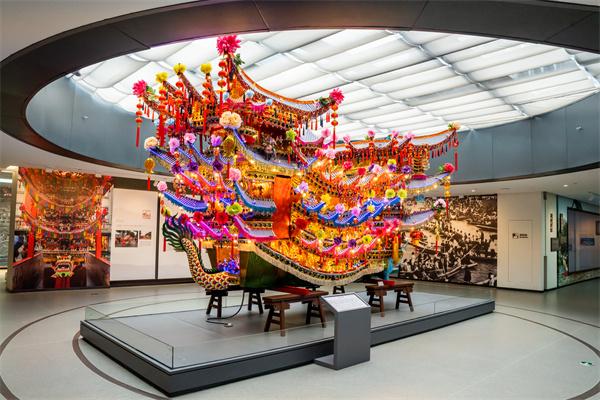
Core Viewpoint - The development of rural museums in Zhejiang has become a significant cultural initiative, with over 1,000 rural museums established to preserve and promote local heritage and traditions, contributing to the cultural landscape of the region [2][10]. Group 1: Rural Museum Development - Zhejiang has achieved its goal of establishing 1,000 rural museums during the "14th Five-Year Plan" period, showcasing various aspects of local culture and history [2][10]. - The rural museums are categorized into 15 types, including red roots, intangible cultural heritage, and rural memories, creating a "living map" of rural culture in Zhejiang [2][10]. - The initiative has been recognized as a model for high-quality development in cultural heritage by the Zhejiang Provincial Cultural Relics Bureau [2]. Group 2: Role of Youth and Community Engagement - Young people are seen as catalysts for revitalizing rural cultural heritage, bringing new ideas and energy to the museums [3]. - The involvement of local communities and youth in museum activities is crucial for sustaining interest and participation in cultural preservation [3][12]. Group 3: Cultural Significance and Global Reach - Museums like the Dragon Boat Culture Museum serve as important windows for foreign visitors to understand traditional Chinese culture [6][12]. - The Transmission Shuttle Museum showcases over 23,000 unique shuttles, emphasizing the universal language of craftsmanship and connecting local stories to a broader audience [6][8]. Group 4: Sustainability and Self-Sufficiency - Achieving self-sufficiency is a key challenge for rural museums, with many exploring diverse funding sources and community involvement to ensure sustainability [12][14]. - The Transmission Shuttle Museum has successfully integrated various functions, including workshops and accommodations, to enhance its revenue streams [12][16]. Group 5: Innovative Programming and Activities - Rural museums are developing unique programs and activities to attract visitors, such as film screenings and hands-on cultural experiences [15][16]. - The Dragon Boat Culture Museum has expanded its offerings to include educational workshops and cultural events, aiming to increase visitor engagement and awareness of dragon boat culture [14][16].
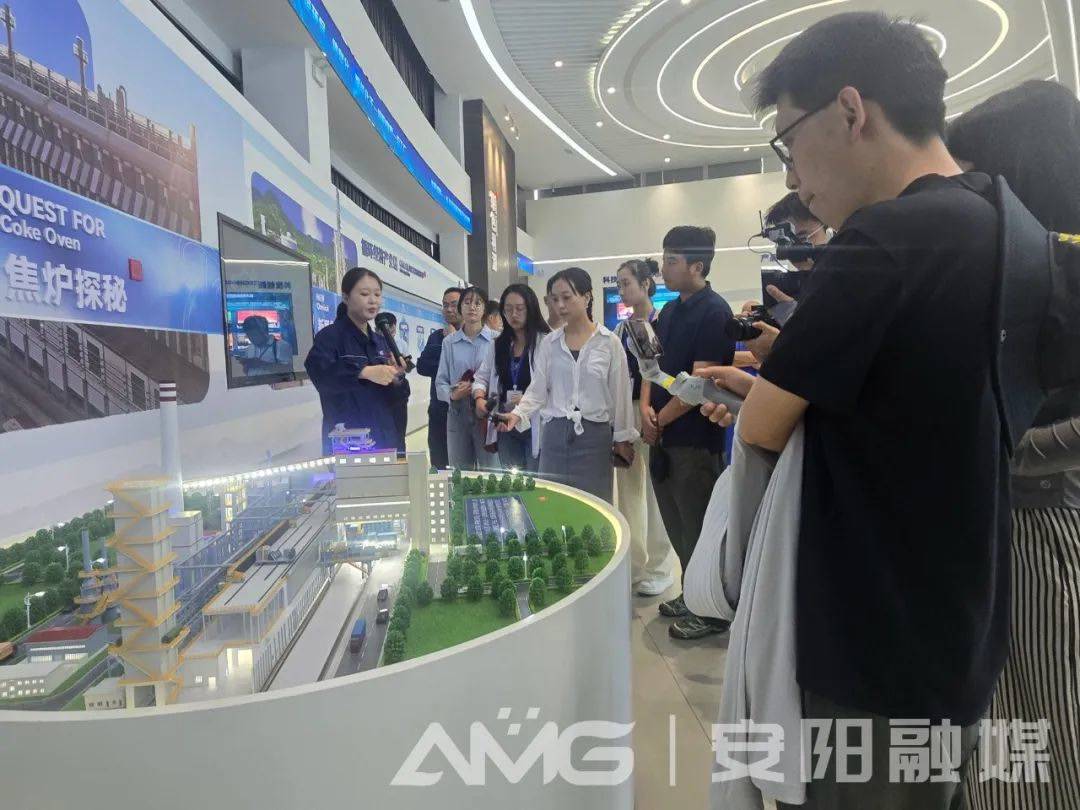
“活力中国调研行”主题采访团走进安阳
Sou Hu Cai Jing· 2025-08-03 08:01
Group 1 - The "Vibrant China Research Tour" visited Anyang to explore its cultural heritage and development [2][3] - The tour highlighted the transformation of traditional industries towards high-end, green manufacturing, exemplified by Liyuan Group's clean energy circular economy [2] - The ecological restoration efforts at Tanghe National Wetland Park demonstrated effective water purification and environmental improvement [2] Group 2 - The tour included visits to the Chinese Character Museum and the Yin Ruins Museum, emphasizing the importance of preserving and promoting traditional Chinese culture [3] - Anyang aims to establish itself as a world-class cultural landmark through initiatives like international exhibitions and cultural exchanges [3] - The overall impression from the tour was that Anyang's practices in clean energy, ecological governance, and cultural development are inspiring [3]