文化艺术

Search documents
上海元素闪亮春晚
Xin Lang Cai Jing· 2026-02-17 07:01
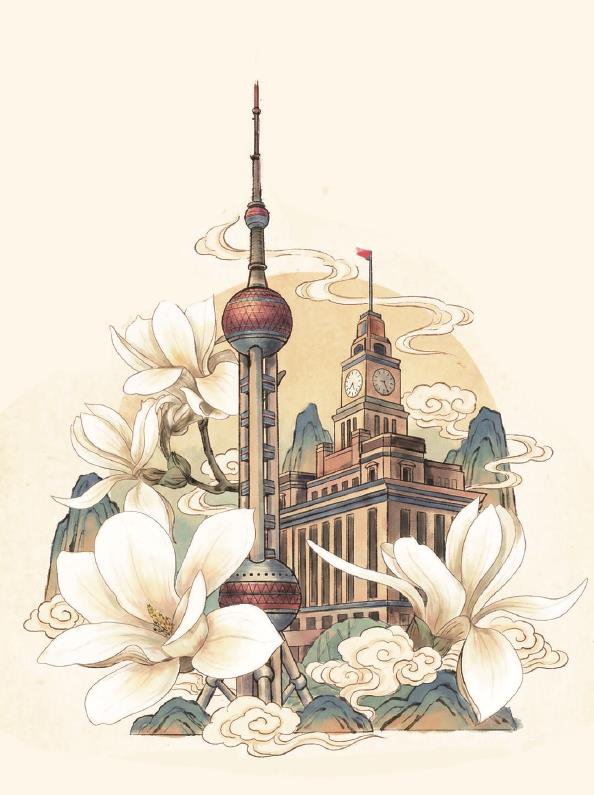
Core Perspective - The 2026 CCTV Spring Festival Gala will prominently feature Shanghai's cultural elements, showcasing its artistic heritage and inviting global audiences to experience "Shanghai time" through various performances [2][3]. Group 1: Musical Performances - The gala will include a powerful rendition of "Mountain Sea Dreaming," performed by Liao Changyong and Tan Weiwei, symbolizing a reflection on past struggles and a declaration of ambition for the new era [2][3]. - The "Shangyin Troupe," composed of students and alumni from the Shanghai Conservatory of Music, will present a vibrant showcase of Shanghai's cultural imprint on the gala stage [3]. - The song "Congratulations" will feature multiple performers from the conservatory, blending traditional and modern musical styles, exemplified by the performance of "Riding the Wind Song" with a traditional suona [3]. Group 2: Cultural Significance - The song "Jiliang," inspired by the ancient Chinese text "Shan Hai Jing," reflects the cultural depth and creativity of Shanghai, highlighting its role as a cultural hub [4]. - The micro-musical "Every Light" aims to inspire audiences by celebrating the ordinary person's brilliance, coinciding with the upcoming World Skills Competition in Shanghai [5]. - The performance of traditional Chinese opera, including a segment from "The Legend of the Red Chamber," pays homage to the legacy of the late master Wang Wenzhuan, marking her 100th anniversary [6]. Group 3: Artistic Innovation - The Shanghai Dance Troupe will present a groundbreaking outdoor performance using dual 3D independent wires, showcasing innovative choreography in a challenging environment [5]. - The gala will feature a blend of traditional and contemporary elements, with performers adapting to new technologies and artistic expressions, enhancing the overall visual experience [5].

艺术迎春 馆长荐展
Xin Lang Cai Jing· 2026-02-14 07:11
Core Perspective - The article highlights the cultural significance of visiting museums and art galleries during the Chinese New Year, showcasing various exhibitions in Shanghai that celebrate traditional and contemporary art, enhancing the festive atmosphere for families and visitors [9]. Shanghai Museum - The Shanghai Museum is launching a new chapter for the Year of the Horse with a traditional zodiac exhibition titled "Spring Breeze and Galloping Horses," featuring 16 horse-themed artifacts from various dynasties, including bronze chariots and jade sculptures [10]. - The museum continues its "Modern Chinese Fashion" exhibition, showcasing over 300 items related to the history of the cheongsam, emphasizing its cultural significance and global influence [10]. - A special exhibition on ancient bronze artifacts, in collaboration with the Metropolitan Museum of Art, features 178 pieces from major museums across Asia, Europe, and America, highlighting the innovation and aesthetic pursuits of ancient Chinese craftsmanship [11]. Shanghai Art Museum - The Shanghai Art Museum is hosting five major exhibitions during the New Year, covering diverse fields such as traditional Chinese painting, sculpture, and design [12]. - The "Cloud Collection" exhibition features over 100 pieces of traditional Chinese art, showcasing works from renowned artists and highlighting the depth of Chinese cultural heritage [12]. - The museum is also organizing over 30 New Year activities, including a film art salon, to engage the community and celebrate the festive season [12]. Shanghai Chinese Painting Academy - The Shanghai Chinese Painting Academy is celebrating its 65th anniversary with a major exhibition featuring 230 works, including masterpieces from past artists and contemporary creations [14]. - A highlight of the exhibition is the collaborative long scroll painting "New Anjiang," which captures the historical changes of the era through various scenes, combining art with historical documentation [15]. Shanghai Haipai Art Museum - The Shanghai Haipai Art Museum is showcasing an exhibition titled "Today's Shanghai," allowing visitors to experience the creative processes of 30 artists through their original works [16]. - The museum is also hosting interactive workshops, allowing visitors to engage with traditional art forms and create their own pieces, fostering a deeper connection with the cultural heritage [17]. Expo Museum - The Expo Museum is presenting two major exhibitions: "Rome: From Olympus to Capitol" featuring 131 artifacts from ancient Rome, and "Exquisite Artifacts of the Qing Dynasty," showcasing over 100 pieces of export art that reflect the blend of Eastern and Western cultures [18]. - The museum is also featuring a public art installation themed around the Year of the Horse, celebrating the zodiac culture and enhancing the festive spirit [19].

第五届粤港澳大湾区文化艺术节9月起“焕新”登场
Nan Fang Ri Bao Wang Luo Ban· 2025-08-21 09:22
Core Viewpoint - The fifth Guangdong-Hong Kong-Macao Greater Bay Area Cultural Arts Festival will take place from September 16 to October 16, featuring over 100 performances, 18 art exhibitions, and 150 public welfare performances across 11 cities, aiming to create a cultural feast for the public [1][2][8] Group 1: Event Overview - The festival includes five main sections: "Art Gathering in the Bay Area," "Art Harmony," "Artistic Coexistence," "Artistic Life," and "Artistic Exchange," showcasing a diverse range of performances and exhibitions [1][2] - A total of 35 selected performances will be featured, including 10 international productions, 17 domestic productions, and 8 provincial productions, covering various art forms such as opera, dance, drama, and concerts [2][3] Group 2: Featured Productions - International highlights include productions like the Russian Vakhtangov Theatre's "Eugene Onegin" and the Greek National Opera's "La Traviata," while domestic productions feature acclaimed works such as "Four Generations Under One Roof" and "Confucius" [3][4] - The opening performance, a themed symphonic concert titled "Bay Area Chapters," will be conducted by Huang Yi, showcasing selected original symphonic works from Guangdong [3] Group 3: Academic and Trade Initiatives - The festival will host high-profile art lectures and an international performing arts trade fair, aiming to enhance the quality of performing arts in the Bay Area [5][6] - The trade fair will feature nearly 300 performing arts institutions from 20 countries and regions, promoting international collaboration and cultural exchange [7] Group 4: Community Engagement and Accessibility - The festival emphasizes public welfare, offering significant ticket discounts and free tickets for specific groups, with some performances having over 50% of tickets priced at 30 yuan [8] - Activities such as outdoor performances and a writing contest titled "Art Lights Up Life" will encourage community participation and engagement [9]
麦田之上
He Nan Ri Bao· 2025-06-08 23:37
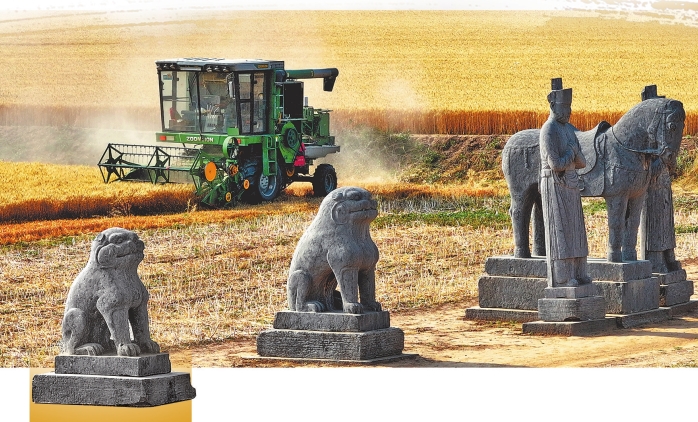
Core Viewpoint - The article highlights the significance of the wheat harvest in Henan, showcasing its cultural, economic, and historical importance, while also emphasizing the deep connection between the land and its people [2][6][14]. Group 1: Economic Contribution - Henan province, utilizing less than 1/16 of the nation's arable land, produces 10% of the country's grain and 25% of its wheat, along with significant contributions to processed food products [6]. - The province exports over 600 billion pounds of raw grain and processed products annually, underscoring its role as a major contributor to national food security [6][7]. Group 2: Cultural Significance - The wheat fields in Henan are not only agricultural sites but also cultural landmarks, with events like the "wheat field wedding" symbolizing a connection to local heritage and nostalgia [9]. - The article references the integration of traditional culture with modern expressions, as seen in the artistic use of wheat straw in local crafts and the hosting of cultural events like the "wheat field sunset music festival" [10][13]. Group 3: Historical Context - The wheat harvest is intertwined with the historical narrative of Henan, reflecting the region's long-standing agricultural practices and its role in Chinese civilization [12][14]. - The article mentions the connection between historical sites, such as the Songling site, and contemporary agricultural practices, illustrating a continuity of cultural identity [13].