文明共生

Search documents
新华时评:“中国年”走向世界,春节里的文明共生
Xin Hua She· 2026-02-20 22:40
Core Viewpoint - The Chinese Spring Festival, recognized as a social practice of celebrating the traditional New Year, has been included in UNESCO's list of intangible cultural heritage, symbolizing the integration of family reunion, social harmony, and cultural continuity [1] Group 1: Cultural Significance - The Spring Festival embodies the essence of Chinese civilization, connecting the past and future while fostering harmonious coexistence among different cultures globally [1] - Approximately one-fifth of the world's population celebrates the Spring Festival in various forms, with many countries recognizing it as a public holiday [1] - Events like "Happy Spring Festival" and "Spring Festival in All Directions" are gaining popularity overseas, showcasing the festival as a shared global celebration [1] Group 2: Globalization and Market Impact - The trend of "spending Spring Festival in China" is becoming popular among overseas visitors, supported by China's visa-free policy for ordinary passport holders from Canada and the UK [2] - Multinational companies are launching special products for the Spring Festival, such as Nike's Year of the Horse series and Apple's red-themed accessories, reflecting market choices and the natural extension of globalization [2] - Traditional customs are evolving with technology, incorporating elements like AI and 3D printing, making the Spring Festival a participatory experience across different cultural contexts [2] Group 3: Universal Values - The Spring Festival resonates with universal human emotions and aspirations, as highlighted by UN Secretary-General António Guterres, who emphasized the need for energy, success, and courage in facing global challenges [3] - The festival serves as a bridge across borders, embodying shared human desires for happiness, peace, and unity, while promoting the spirit of courage, solidarity, and perseverance [3]
“中国年”走向世界,春节里的文明共生
Xin Lang Cai Jing· 2026-02-19 17:50
Group 1 - The core idea of the articles emphasizes the transformation of the Chinese Spring Festival into a global celebration, recognized as a UNESCO intangible cultural heritage, reflecting the integration of traditional customs with modern practices [1][2][3] - The Spring Festival has become a significant cultural event worldwide, with approximately one-fifth of the global population celebrating it in various forms, and many countries recognizing it as a public holiday [1][2] - The festival's customs are evolving with technology, incorporating digital innovations such as virtual lantern shows and AI-generated art, making it accessible and participatory for diverse cultures [2][3] Group 2 - The Chinese New Year is increasingly embraced by international audiences, with initiatives like visa exemptions for travelers from Canada and the UK, enhancing tourism and cultural exchange [2] - Multinational companies are launching special products for the Spring Festival, showcasing the market's response to the cultural significance of the holiday, with brands like Nike and Apple introducing themed items [2] - The festival embodies universal human emotions and aspirations, with UN officials highlighting its themes of energy, success, and unity, which resonate amid global challenges [3]
新华时评丨“中国年”走向世界,春节里的文明共生
Xin Lang Cai Jing· 2026-02-19 13:45
Group 1 - The core idea of the articles emphasizes the transformation of the Chinese New Year (Spring Festival) into a global celebration, reflecting cultural exchange and harmony among civilizations [1][2][3] - The inclusion of "Spring Festival - A Social Practice of Celebrating the Traditional New Year by Chinese People" in the UNESCO Intangible Cultural Heritage list highlights its significance and global recognition [1] - The increasing popularity of the Spring Festival worldwide is evidenced by various countries recognizing it as a public holiday, with approximately one-fifth of the global population celebrating it in different forms [1][2] Group 2 - The integration of traditional customs with modern life has created new connections, making the Spring Festival a shared global festival, as seen in the trend of overseas tourists wanting to experience it in China [2] - Multinational companies are launching special products for the Spring Festival, indicating a market response to the cultural significance of the holiday, with examples including Nike's Year of the Horse collection and Apple's red-themed products [2] - Technological innovations are reshaping traditional practices, such as the use of AI and 3D printing in creating customized Spring Festival gifts, demonstrating that the festival is evolving while maintaining its cultural essence [2]
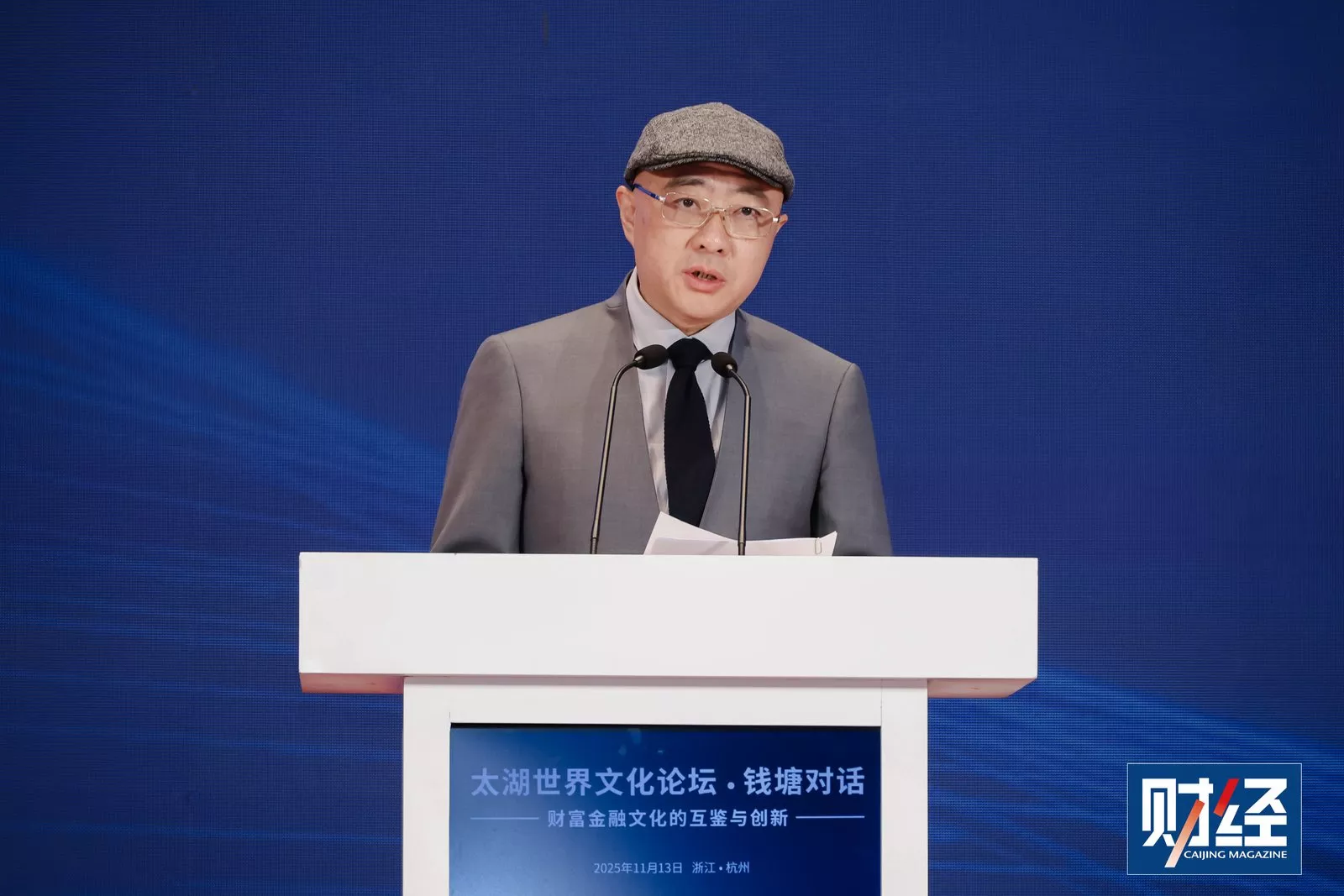
太湖世界文化论坛副主席郑传焮:“AI向善”不是技术命题!让算法有温度,让数据有伦理
Cai Jing Wang· 2025-11-13 06:16
Core Insights - The forum emphasizes the concept of "wealth for good," advocating for a shift from profit-driven capital to capital that nurtures civilization [4][7] - The discussion highlights the dual challenges of wealth and the impact of AI, suggesting that technology should serve human development rather than exacerbate greed [4][6] - The notion of "common prosperity" is presented as a civilizational awareness, aiming to transform wealth from a privilege of the few to the happiness of the many [8] Group 1 - The forum, hosted by the Taihu World Cultural Forum, focuses on the dialogue around wealth and civilization [1] - Zheng Chuanhan, the Vice Chairman and Secretary-General of the forum, articulates that capital should not merely be a tool for profit but a fuel for civilization [4][7] - The idea of "AI for good" is introduced, emphasizing that AI reflects human intentions and should be guided by ethical considerations [4][6] Group 2 - The practice of "capital for good" is described as growing in China, with "common prosperity" framed as a way for the wealthy to uplift the less fortunate [8] - The forum discusses the importance of different cultural perspectives on wealth, highlighting the need for dialogue between Eastern and Western philosophies [8][9] - A new "civilizational contract" is proposed, advocating for wealth to flow with intention, ethics to guide capital, and technology to innovate with warmth [9]

中外嘉宾共话“数智时代与文明共生”
Ren Min Ri Bao Hai Wai Ban· 2025-11-12 00:46
Core Insights - The 22nd Beijing Forum focused on the theme of "Coexistence of Civilization in the Digital Intelligence Era," gathering nearly 400 scholars from 36 countries and regions to discuss how digital intelligence technology can empower global governance and sustainable development [1][2] - The forum included a variety of sessions such as keynote speeches and over ten sub-forums covering topics like artificial intelligence and harmonious society, AI's impact on cultural heritage, global governance in the digital age, and innovations in medicine driven by digital technology [1] Group 1 - The forum aims to build an academic community that transcends regions, disciplines, cultures, and languages, promoting the mission of civilization inheritance and innovation [1] - Notable discussions included the integration of biological intelligence, cultural intelligence, artificial intelligence, and personal intelligence to create a balanced future with humanistic care, as emphasized by Nobel laureate Michael Levitt [2] - The need for a human-centered regulatory framework to address data misuse risks was highlighted by UCL President Michael Arthur, advocating for closer humanistic exchanges [2] Group 2 - The Beijing Forum is co-hosted by Peking University, Beijing Municipal Education Commission, and the Korea Choi Jong-hyun Academic Institute, aiming to advance research in global humanities and social sciences as well as cutting-edge technology issues [2] - Since its inception in 2004, the forum has attracted over 7,000 national leaders and renowned scholars from more than 80 countries and regions, contributing to academic development, social progress, and cultural exchange [2]
第二十二届北京论坛举行 云集全球近400位嘉宾学者
Yang Shi Xin Wen· 2025-11-08 14:26
Core Insights - The 22nd Beijing Forum opened yesterday, gathering nearly 400 scholars and guests from 36 countries and regions to discuss the theme of "Coexistence of Civilization in the Digital Intelligence Era" [1] - The forum features an opening ceremony, keynote speeches, 13 sub-forums, 2 special forums, and 2 overseas forums, covering various topics including AI and harmonious society, cultural heritage in the AI era, global governance in the digital intelligence era, and medical innovation driven by digital technology [1] Group 1 - The role of education is increasingly critical in the digital intelligence wave, emphasizing the need for educational innovation to cultivate future talents [1] - Universities are encouraged to take on the mission of cultural inheritance and innovation, guiding technology towards benevolence through humanistic spirit [1]
第二十二届北京论坛开幕
Ren Min Ri Bao· 2025-11-07 22:00
Core Points - The 22nd Beijing Forum opened on November 7, focusing on the theme "Harmony of Civilizations and Common Prosperity - Coexistence of Civilization in the Digital Age" [1] - The forum emphasizes the critical role of education in the digital era, advocating for educational innovation to cultivate future-ready youth [1] - The event aims to promote mutual learning and progress between Chinese and foreign civilizations through various sub-forums and discussions [1] Group 1 - The forum is co-hosted by Peking University, Beijing Municipal Education Commission, and the Korea Choi Jong-hyun Academic Institute [1] - This year's forum includes 13 sub-forums, 2 thematic forums, and 2 overseas forums, addressing contemporary issues [1] - Notable attendees include high-ranking officials and leaders from educational institutions, highlighting the importance of education in civilization transmission and innovation [1]
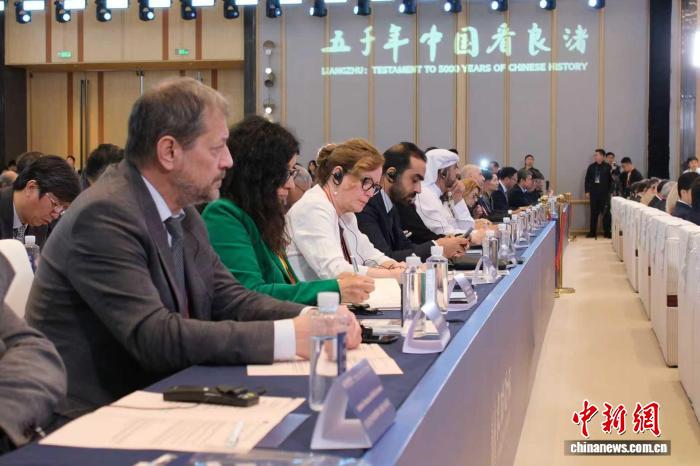
多国艺术家共赴“良渚之约”:美的共鸣不分国界
Zhong Guo Xin Wen Wang· 2025-10-22 01:59
Core Points - The third "Liangzhu Forum" was held in Hangzhou, Zhejiang from October 18 to 20, focusing on the theme "Civilization Reillumination: Cultural Heritage and Human Cultural Diversity" with over 300 guests from more than 60 countries and regions participating [1][3] Group 1: Cultural Exchange - The forum emphasized that the resonance of beauty transcends national boundaries, highlighting the importance of harmonious coexistence among diverse cultures [3] - Kelvin Jacob, Chief Cultural Officer of Grenada, noted that cultural exchange is a two-way transformation, where both sides gain new skills and mutual respect through artistic interactions [3][4] - Artists from different countries shared their experiences, with Chinese art influencing Grenadian artists and vice versa, showcasing the interconnectedness of global cultures [3][4] Group 2: Personal Experiences - French violinist and composer Zied Zolary expressed that the pentatonic scale in Chinese music helped him understand Chinese culture, reflecting the natural fusion of his own culture with global influences [4] - New Zealand singer Kay Michelle found surprising similarities between Chinese traditional culture and Maori culture, emphasizing the shared elements across different civilizations [4][5] - The event featured performances that highlighted cultural integration, such as the collaboration between Chinese and American musicians, which moved attendees emotionally [5] Group 3: Conclusion - The forum concluded successfully, but the dialogue of cultural harmony and shared beauty continues to resonate beyond the event [5]