教育创新

Search documents
人工智能时代的教育迷思,一位19岁休学少年给出了答案
36氪· 2026-03-13 09:55
Core Viewpoint - The article highlights the transformative journey of Tang Yingxi, a 19-year-old from China, who transitioned from a struggling student to a recognized figure in sustainable development, showcasing a new educational paradigm that emphasizes flexibility, creativity, and real-world problem-solving in the age of artificial intelligence [4][9][29]. Group 1: Tang Yingxi's Journey - Tang Yingxi, at 19, is the only Chinese youth nominated for the Rising Sustainability Star award at a prestigious event [4][5]. - He faced significant challenges in his early education, including being labeled a "bad student" and experiencing depression [6][10]. - His turning point came at 16 when he won the Tencent Science Seed Project award and was accepted into Minerva University, which has a lower acceptance rate than Harvard [7][9]. Group 2: Educational Philosophy - Tang emphasizes that true luck lies in developing a unique life perspective and educational approach, which fostered his sense of purpose and empathy [11][13]. - He believes traditional education fails to recognize talents like insight, creativity, and empathy, focusing instead on standardized testing [13][14]. - His father supported him in exploring project-based learning, which he views as essential for adapting to a rapidly changing world [14][19]. Group 3: Mercury Academy - After a year at Minerva, Tang decided to take a break to establish Mercury Academy, aiming to provide alternative education for peers struggling in traditional systems [9][25]. - The academy focuses on real-world problem-solving, allowing students to engage in projects that address community issues, such as sustainable architecture [36][40]. - Students undergo extensive personality and talent assessments to tailor their learning experiences, emphasizing the importance of individual strengths [38][41]. Group 4: Educational Innovation in the AI Era - The learning model at Mercury Academy is designed to cultivate skills necessary for the AI era, such as curiosity, creativity, and critical thinking [49][53]. - The academy's approach contrasts with traditional education by prioritizing real-world applications over rote memorization [40][55]. - The environment fosters a sense of autonomy and respect, allowing students to explore their interests without the pressure of conventional grading systems [44][54]. Group 5: Future of Education - The article suggests that as AI continues to reshape industries, the demand for individuals who can empathize and solve complex problems will grow [57]. - It argues that education should evolve to nurture these qualities, moving away from standardized assessments towards a more holistic understanding of student potential [50][56]. - The narrative concludes that the future of education lies in recognizing and developing unique talents, rather than conforming to traditional metrics of success [58].


汇聚20余所高校院所学者,粤港澳大湾区教育创新论坛举办
Nan Fang Du Shi Bao· 2026-01-22 05:19
Core Viewpoint - The second Guangdong-Hong Kong-Macao Greater Bay Area Education Innovation Forum aims to discuss educational innovation, talent cultivation, and high-quality development during the "14th Five-Year Plan" period, gathering experts from over 20 universities and research institutions to contribute insights for the region's educational advancement [1][2]. Group 1: Forum Overview - The forum is themed "Education Empowering the Innovation and Practice of the '14th Five-Year Plan' in the Guangdong-Hong Kong-Macao Greater Bay Area" and focuses on three main directions: creating a high-level education hub, promoting industry-education integration, and innovative practices in doctoral education [1][2]. - The event includes the release of several new publications, including the "Innovation Education Library" [1]. Group 2: Government and Institutional Perspectives - The Hong Kong Education Bureau emphasizes leveraging its unique position to build an international education hub and foster collaboration with mainland cities [2]. - The Macau Education and Youth Development Bureau highlights its alignment with national education strategies to enhance high-level talent cultivation [2]. - Beijing University Shenzhen Graduate School stresses the importance of education in supporting the region's development and aims to deepen cooperation across sectors [2]. Group 3: Focus on Vocational Education - The Ministry of Education's Vocational Education Development Center discusses the need for vocational education to shift from scale to quality, focusing on industry-education integration and policy support [3]. - Shenzhen Polytechnic University outlines its mission to innovate vocational education through interdisciplinary approaches and digital governance [3]. - Shenzhen City Vocational College shares its breakthroughs in integrating academic and vocational education, providing a model for modern vocational education systems [3]. Group 4: Doctoral Education Development - A roundtable discussion addresses the challenges and opportunities in cultivating educational professionals, aiming to create a collaborative and evolving ecosystem for high-level educational talent [4]. - The forum includes workshops on various topics such as doctoral training, digital education transformation, and the integration of artificial intelligence [5].
武汉学院:年度“陈一丹奖教奖学金”颁奖,两项特别机会为学子“搭桥”
Xin Lang Cai Jing· 2026-01-15 09:07
Group 1 - The 16th "Chen Yidan Award for Teaching and Scholarship" was awarded to 20 students, 9 faculty members, and 3 teaching teams, sharing a total prize of 1 million yuan, marking the highest number of award-winning teams in history, reflecting the effectiveness of educational reforms at Wuhan University [1][4] - Chen Yidan praised the development of Wuhan University, emphasizing its steady progress and the importance of becoming "AI-native" creators in the future [1][3] - The university aims to achieve key goals by 2026, including passing the Ministry of Education's evaluation, applying for master's degree granting authority, and being recognized as a "National Civilized Campus" [1][4] Group 2 - Chen Yidan encouraged students to maintain an open mindset and embrace uncertainty, suggesting two initiatives: opening internship slots for the "Yidan Award Africa Conference" and hosting an AI application competition at Wuhan University [3][4] - The "Yidan Award for Teaching and Scholarship" has been established since 2010 to reward outstanding faculty and students, with a consistent annual budget of 1 million yuan [4] - The ACA research team successfully developed a national-level first-class course in accounting, integrating AI technology to enhance understanding of complex accounting concepts, and received recognition from the Association of Chartered Accountants [5][6] Group 3 - The "Yidan University Education Fund" initiated a series of lectures called "One Class," aimed at providing students with insights into wealth and life growth, featuring discussions led by professors from Tsinghua University [4][7] - The dialogue emphasized the importance of education in shaping the future and its role in philanthropy, with insights on personal life significance and the journey of discovering one's purpose [7][9]
在技术浪潮中坚守教育的人文根基
Huan Qiu Wang Zi Xun· 2026-01-06 10:22
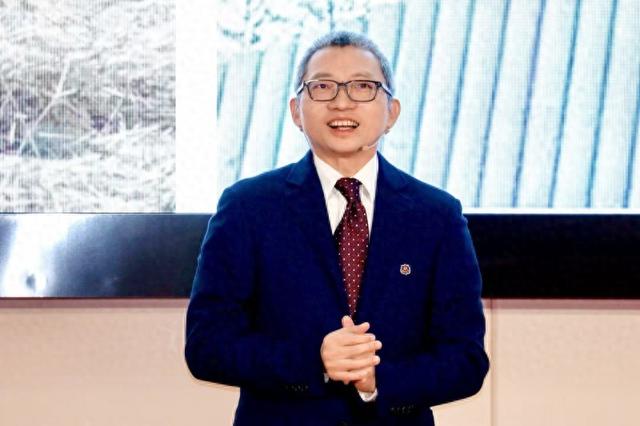
Group 1 - The rapid development of artificial intelligence (AI) presents unprecedented opportunities and challenges in the education sector, emphasizing the need to cultivate "non-automatable" skills such as critical thinking, emotional cognition, and value judgment [1] - In the AI era, the way knowledge is acquired is undergoing profound changes, making the efficient learning and internalization of knowledge a key educational challenge [2] - Solid foundational knowledge is essential for developing higher-order cognitive abilities, as it supports memory and innovation, which are crucial for problem-solving [2] Group 2 - The decline in language skills among students indicates a deterioration in deep thinking abilities, which is exacerbated by the dominance of algorithms in information environments [3] - Classic literature and traditional reading are vital for enhancing critical thinking and maintaining cultural understanding, serving as a mental exercise that refines logic and expression [4] - Humanistic literacy is increasingly important in the digital age, acting as a barrier against technological alienation and preserving unique human thought [4] Group 3 - The key to addressing technological challenges in education lies in creating a symbiotic relationship between technology and education, focusing on cultural transmission and cognitive development [5] - AI can serve as a powerful tool for personalized practice and resource expansion, but the core mission of education requires professional guidance from teachers and a nurturing school environment [6] - Education should adhere to the principle of "human-centered, technology-enabled," emphasizing systematic mastery of core concepts and the cultivation of critical thinking and moral judgment [6] Group 4 - The innovation in education must awaken individual consciousness and expand cognitive boundaries through technology, aiming to develop core competencies that define humanity [7] - Adhering to the principle of "humanism as the foundation, technology as the tool" is essential for nurturing a generation that possesses both technological literacy and humanistic values, thereby laying a solid talent foundation for national rejuvenation [7]
海南:“教育+文旅” 师生英文研学课中迎新年
Yang Shi Wang· 2026-01-01 06:30
Core Viewpoint - The article highlights an innovative outdoor English class conducted by a Dutch teacher in Haikou, Hainan, showcasing unique educational approaches to welcome the New Year [1] Group 1 - A Dutch teacher engages children in an outdoor English lesson at Wanlv Park in Haikou [1] - The event reflects a vibrant and creative method of education, emphasizing the importance of innovation in teaching [1] - The activity aims to provide a refreshing educational experience, aligning with the festive spirit of the New Year [1]
李一诺的一土致知学校陷停课风波:1月5日复课说法遭质疑
Xin Lang Cai Jing· 2025-12-27 11:31
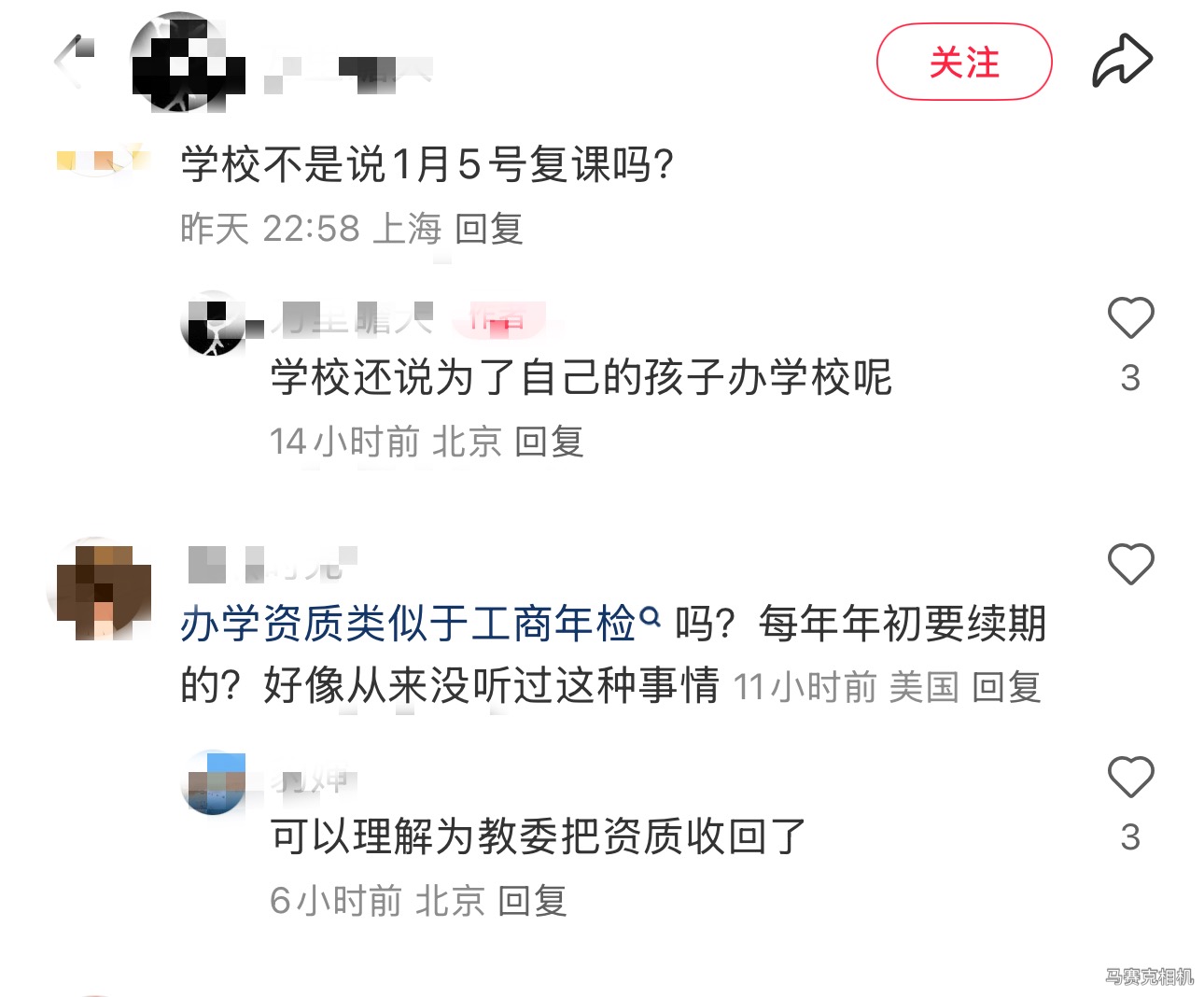
Core Viewpoint - The "Yitu Zhizhi School" is facing significant operational challenges, raising concerns about its ability to resume classes on January 5, 2024, as scheduled, amidst discussions on social media regarding its legitimacy and future [1][4]. Group 1: Operational Challenges - The school has reportedly encountered difficulties, with staff indicating that leadership is working to resolve these issues, while students are currently on winter break [1]. - The school's educational license, crucial for its legal operation, is set to expire on December 31, 2025, and will not be renewed, which means the school cannot conduct any teaching activities post-expiration [4]. - A temporary suspension of classes was announced on December 21, 2023, after the school proposed a restructuring plan involving a new compliant investor to address its debts, which was rejected by the other founding party [4]. Group 2: Financial Issues - The school has been experiencing cash flow problems since October 2025, leading to difficulties in paying staff salaries and settling debts with suppliers [6]. - The financial troubles stem from the mismanagement of funds, where loans amounting to over 50 million yuan were taken out but not utilized for the school, instead being diverted to related companies [6]. - The school currently has around 700 students enrolled across its campuses in Beijing and Guangzhou [6]. Group 3: Background and Leadership - The founder, Li Yinuo, has a notable background, having been a top student at Tsinghua University and a former partner at McKinsey, which has drawn public attention to the school's situation [5]. - The school was established in September 2016 in Beijing, offering a 12-year integrated education system with a curriculum that combines national and international standards [6]. Group 4: Tuition Fees - Tuition fees vary by educational stage, with the primary school charging 188,000 yuan per year and high school fees ranging from 155,000 to 218,000 yuan per year [7].
经济日报:莫让盗版灰产阻碍教育创新
Xin Lang Cai Jing· 2025-12-21 00:07
Core Viewpoint - The education industry is facing significant challenges due to copyright infringement, particularly with audio and video course materials, which account for 79% of infringement cases. This issue predominantly affects vocational and higher education institutions [1] Group 1: Infringement Issues - Audio and video course infringement constitutes 79% of the copyright issues in the education sector [1] - Vocational education and higher education institutions are identified as the primary victims of these infringement problems [1] Group 2: Gray Market Dynamics - A complete industrial chain has emerged in the gray market, involving resource theft through cracking or leaks, recording and slicing in the middle stage, and sales through e-commerce, social media, and video platforms at the downstream [1] - This chain of operations makes infringement more covert, complicating evidence collection and increasing the costs of rights protection [1] Group 3: Impact on Education Content - The prevalence of low-cost pirated courses, exemplified by the "3.99 yuan" price point, is squeezing the development of legitimate educational content [1] - The inability of creators to receive reasonable returns on their investments threatens the healthy development of the educational content ecosystem and ultimately hinders educational innovation [1]
莫让盗版灰产阻碍教育创新
Jing Ji Ri Bao· 2025-12-20 22:04
Group 1 - The report indicates that 79% of copyright infringement issues in the education sector are related to audio and video courses, with vocational education and higher education institutions being the most affected [1] - A complete industrial chain has formed around online gray production, involving resource theft, recording, and sales on various platforms, making infringement more concealed and difficult to prove [1] - The prevalence of low-cost pirated courses is squeezing the development of legitimate educational content, which could hinder the healthy development of the educational content ecosystem and ultimately obstruct educational innovation [1] Group 2 - Strengthening regulatory enforcement and increasing the cost of violations is essential, with punitive damages becoming a norm rather than an exception in judicial practice [2] - There is a need for cross-regional law enforcement collaboration to effectively combat illegal activities in the gray market, addressing the challenges posed by its virtual and cross-border nature [2] - Promoting public awareness that supporting legitimate resources is crucial for the future of quality education, while companies should explore legitimate resource channels and consider tiered pricing for some resources [2]
第七届中国教育创新成果公益博览会在广东珠海开幕
Zhong Guo Jing Ji Wang· 2025-11-19 00:01
Core Insights - The 7th China Education Innovation Achievement Public Expo (referred to as "Edu Expo") opened on November 15 in Zhuhai, Guangdong, focusing on educational reform and showcasing over a thousand innovative educational achievements [1][2] - The theme of this year's expo is "Gathering, Sharing, Innovation - Promoting Educational Innovation Development, Serving the Construction of a Strong Educational Nation" [1] - The event aims to create a collaborative innovation ecosystem involving government, schools, enterprises, research institutions, social organizations, and international resources [2] Group 1 - The Edu Expo serves as a significant platform for promoting educational reform and innovation, with a focus on high-quality educational development [2] - Beijing Normal University (BNU) is implementing initiatives such as the "Strong Teacher Project" and "Digital Education Strategy Demonstration Project" to enhance educational quality and international cooperation [2] - The expo is expected to facilitate the exchange of innovative ideas and practices, contributing to the construction of a high-quality basic education system in China [2][3] Group 2 - The event has become a key platform for educational exchange and cooperation in Guangdong since its permanent establishment in Zhuhai in 2018 [3] - Zhuhai is committed to prioritizing education and has collaborated with BNU on various projects, including the establishment of educational innovation transformation bases and teacher development centers [3] - A notable highlight of the expo is the launch of the "Doing Airplanes" aviation science course, developed in collaboration with several universities, which integrates technology and education through immersive practices [3][4] Group 3 - The expo features an exhibition area of over 30,000 square meters, with nearly 2,000 participating units and more than 50 forums and over 1,000 workshops planned [4] - Key focus areas include integrated innovation in moral education, talent discovery and cultivation, educational collaboration in the Guangdong-Hong Kong-Macao Greater Bay Area, and the development of high-quality professional teacher teams [4] - The event encompasses five major sections: comprehensive exhibitions, thematic exhibitions, regional achievement exhibitions, university achievement exhibitions, and a series of forums, workshops, and roadshow activities [4]
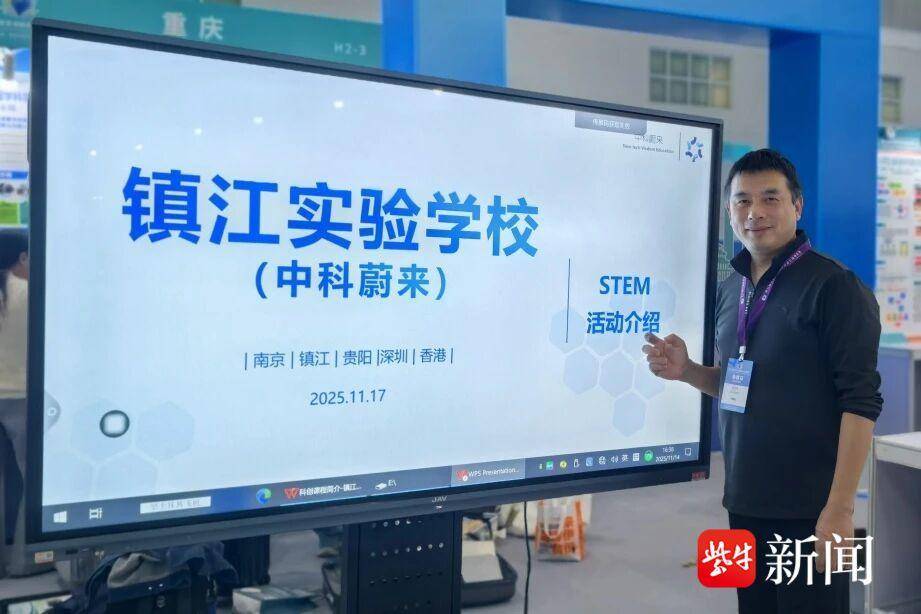
硬实力!镇江实验学校 STEM 教学成果亮相第七届中国教育创新成果公益博览会
Yang Zi Wan Bao Wang· 2025-11-18 04:58
Core Insights - The seventh China Education Innovation Achievement Public Expo was held from November 15 to 17, showcasing educational innovations and serving as a significant driver for educational development [1][6] - The theme of the expo was "Gathering and Sharing Innovation - Promoting Educational Innovation Development and Serving the Construction of a Strong Educational Nation," focusing on eight core areas including moral education and the integration of ideological and political education [1][6] Group 1: Event Overview - The expo gathered education experts and frontline teachers from across the country to display and exchange educational innovation achievements [1] - The event is seen as an important engine for promoting educational innovation and advancing the education sector [1] Group 2: Key Innovations - The "Research on the Construction of Primary School Science STEM Teaching System from the Perspective of Subject Education" by Zhenjiang Experimental School received significant attention, emphasizing the integration of moral education into STEM teaching [1][6] - The STEM teaching system developed includes diverse content and implements a "5E" project-based teaching paradigm, transforming classroom evaluation methods [1][6] Group 3: Impact and Participation - The innovative outcomes from the Zhenjiang district have attracted participation from multiple schools, enhancing students' hands-on abilities and scientific literacy [3] - The educational innovation has led to vibrant growth and limitless possibilities in science education, showcasing the positive effects of such initiatives [3]