
新产业新业态新模式

Search documents
何立峰:要加快运用数智、绿色技术推动产业转型升级,努力向价值链高端延展
Xin Lang Cai Jing· 2025-11-10 23:10
Core Viewpoint - The article emphasizes the importance of leveraging regional comparative advantages in the development of new productive forces, encouraging localities to identify their roles in the national development framework and set realistic goals based on their resources and industrial foundations [1] Group 1: Regional Development Strategies - Localities should avoid a one-size-fits-all approach and instead focus on their unique strengths and characteristics to develop specialized industries [1] - Economic powerhouses are encouraged to take the lead in driving development, while regions with rich technological resources should select appropriate sectors to cultivate new industries and business models [1] - Areas with strong industrial and manufacturing capabilities should accelerate the adoption of digital and green technologies to upgrade their industries and extend their value chains [1] Group 2: Resource Utilization and Collaboration - Regions abundant in natural resources should seize opportunities presented by new technologies and demands to create innovative resource development and utilization models, aiming for economic, environmental, and social benefits [1] - There is a call for enhanced industrial chain collaboration within urban clusters and optimized industrial division of labor and innovation cooperation between different urban clusters [1]
上海前三季度GDP增速跑赢全国,逆势而进靠什么?
Di Yi Cai Jing Zi Xun· 2025-10-22 03:25
Economic Growth Overview - Shanghai's GDP for the first three quarters reached 40,721.17 billion yuan, with a year-on-year growth of 5.5%, surpassing the national average of 5.2% [2] - The economic growth reflects Shanghai's resilience as a key driver of China's economy and highlights the ongoing structural transformation and upgrading of its economy [2][3] New Economic Drivers - The growth in Shanghai's economy is attributed to the continuous expansion of new industries, new business formats, and new models, which have become significant new drivers [3] - The manufacturing sector saw an 8.5% increase in output value, outpacing the overall industrial output growth by 2.8 percentage points, with key sectors like artificial intelligence and integrated circuits growing by 12.8% and 11.3% respectively [4] High-Tech Manufacturing - High-tech manufacturing output increased by 10.3%, with aerospace and electronic equipment manufacturing growing by 20.6% and 13.4% respectively [5] - The production of wind turbine generators and lithium batteries for energy storage saw significant increases of 100% and 2,790% respectively [5] Financial and Information Services - The tertiary sector's value added reached 8,448.67 billion yuan, growing by 5.9%, with the financial sector contributing 6,965.27 billion yuan and growing by 9.8% [7] - The information transmission, software, and IT services sector grew by 15.5%, indicating a robust performance in the service industry [7] Consumer Market Trends - The total retail sales of consumer goods reached 12,302.77 billion yuan, with a year-on-year growth of 4.3% [10] - The hospitality and catering sectors showed improvement, with significant increases in revenue due to promotional activities and events [11] Innovation and Investment - Industrial investment in Shanghai grew by 20.3%, significantly outpacing the overall fixed asset investment growth of 6.0% [6] - The city is fostering an innovative ecosystem, particularly in the biopharmaceutical sector, which is experiencing rapid growth [5][6] Conclusion - Shanghai's economic performance is characterized by resilience and adaptability, driven by new industries and consumer demand, positioning it as a vital player in the national economy [12]

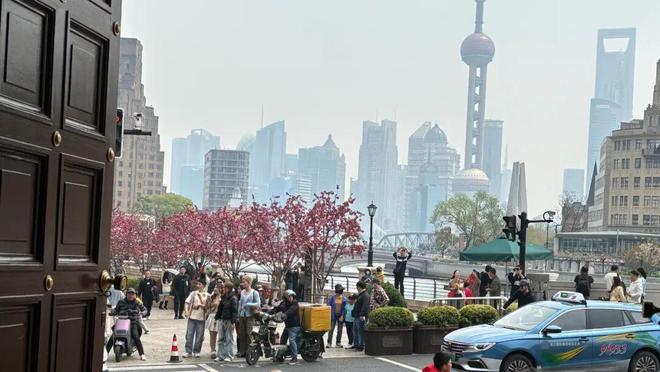
上海前三季度GDP增速跑赢全国,逆势而进靠什么支撑
Di Yi Cai Jing· 2025-10-22 02:42
Economic Growth Overview - Shanghai's GDP reached 40,721.17 billion yuan in the first three quarters, with a year-on-year growth of 5.5%, surpassing the national average of 5.2% [1][2] - The economic growth reflects Shanghai's resilience as a key driver of China's economy and highlights the importance of the underlying forces behind the growth rather than the growth rate itself [1][2] New Growth Drivers - Shanghai's economy has shown steady growth despite challenges, driven by the continuous expansion of new industries, new business formats, and new models [2][3] - The manufacturing sector's output value increased by 8.5%, outpacing the overall industrial output growth by 2.8 percentage points, with significant contributions from artificial intelligence, integrated circuits, and biomedicine [3][4] Industrial Performance - The added value of Shanghai's industrial enterprises above designated size grew by 5.3%, with a 5.7% increase in total industrial output value [4] - Strategic emerging industries accounted for 44.1% of the total industrial output value, with notable growth in new energy, information technology, and high-end equipment manufacturing [3][4] High-Tech Manufacturing - High-tech manufacturing output increased by 10.3%, with aerospace and electronic equipment manufacturing seeing growth rates of 20.6% and 13.4%, respectively [3][4] - The number of valid invention patents in Shanghai reached 306,000, marking a 12.7% year-on-year increase, indicating a robust innovation ecosystem [3][4] Investment and Profitability - Industrial investment in Shanghai grew by 20.3%, significantly outpacing the overall fixed asset investment growth of 6.0% [6] - Industrial enterprises' profits increased by 16.3%, with a sales rate of industrial products at 99.1% [6] Service Sector Growth - The tertiary sector's added value reached 8,448.67 billion yuan, growing by 5.9%, with the financial sector contributing 6,965.27 billion yuan and growing by 9.8% [7] - The information transmission, software, and IT services sector saw a 15.5% increase in added value, reflecting the ongoing transformation and upgrading of Shanghai's industrial structure [7][8] Consumer Market Dynamics - Shanghai's total retail sales of consumer goods reached 12,302.77 billion yuan, with a year-on-year growth of 4.3% [9] - The consumption recovery was supported by policies such as the "old-for-new" exchange program, which generated nearly 110 billion yuan in social consumption [10][11] Tourism and Hospitality - The number of inbound tourists in Shanghai reached 6.366 million, a 37% increase year-on-year, with significant growth in hotel occupancy rates [10][11] - The hospitality and catering sectors also showed improvement, with revenue growth driven by promotional consumption vouchers [10][11] Future Outlook - Shanghai aims to strengthen its new growth drivers and maintain economic stability amid global uncertainties, focusing on technological innovation and consumer demand activation [12]