
产业结构转型升级

Search documents
【新华社】节后黑龙江企业生产一线见闻 | 媒体看大庆
Xin Lang Cai Jing· 2026-02-27 10:39
Core Viewpoint - The article highlights the rapid recovery of production in key enterprises in Heilongjiang Province after the Spring Festival, showcasing a strong momentum for practical efforts and progress in various industries [2][3]. Group 1: Company Performance - The Mu Yuan Meat Products Co., Ltd. in Daqing has resumed production with workers returning after the holiday, aiming to slaughter 2.12 million pigs in 2025, achieving a production value of 3.6 billion yuan, a year-on-year increase of 258% [3][10]. - Daqing Yitai Semiconductor Materials Co., Ltd. focuses on core technology development, producing gallium arsenide chips for high-end communication sectors, with a 35% year-on-year increase in order volume and production schedules extending to August [4][11]. - Heilongjiang Devo Technology Development Co., Ltd. has started production of high-performance seeders, responding to strong market demand as the spring plowing season approaches [7][14]. - Yihai Kerry (Harbin) Grain and Oil Food Industry Co., Ltd. processes over 1,000 tons of rice daily and is accelerating the development of health products to meet evolving market demands [7][14]. Group 2: Financial Support and Economic Development - The Agricultural Bank of China Daqing Branch has provided 3.75 billion yuan in loans to the real economy in 2025, with a growth rate of 35%, leading the city's banking institutions in loan growth [4][11]. - Daqing City plans to promote over 510 key industrial projects this year, focusing on transforming and upgrading the industrial structure of the oil city [7][12]. - Various departments in Heilongjiang Province are actively implementing policies to lay a solid foundation for achieving annual economic and social development goals [8][15].

重塑县域经济发展“引力场”——徽县“十四五”时期招商引资成果回望
Xin Lang Cai Jing· 2026-02-26 12:30
Core Insights - The article highlights the significant economic transformation in Huixian County, driven by investment attraction and industrial restructuring during the 14th Five-Year Plan period [3][4]. Group 1: Economic Growth and Investment - Huixian County has signed contracts totaling 229.97 billion yuan, with 182.84 billion yuan already in place, significantly boosting local economic development [3]. - The number of industrial enterprises above designated size has nearly doubled from 11 to 20, indicating a structural change in the county's industrial ecosystem [3]. - The county's economic total has increased from 51 billion yuan to 76.3 billion yuan over five years, reflecting a deep transformation in development logic [2][3]. Group 2: Employment and Local Development - The growth in local industries has led to an increase in job opportunities, with more young graduates returning to work in Huixian County [3]. - Local tourism development, particularly around ancient ginkgo trees, has provided new income sources for villagers, with one resident earning 4,000 yuan annually from renting out a house for tourism [3][4]. Group 3: Government and Business Collaboration - The local government has actively engaged with businesses, providing tailored support and ensuring smooth project execution, which has fostered a cooperative environment [4]. - The establishment of a dedicated task force by the county government to address business needs has improved the investment climate, leading to successful project completions [4]. Group 4: Strategic Planning and Industry Focus - The county's 15th Five-Year Plan outlines ambitious investment targets across various sectors, including agriculture, industry, and construction, totaling 76 billion yuan [5][6]. - Huixian County is focusing on developing a complete industrial chain in pig farming and enhancing the processing of meat products, as well as advancing new materials and tourism projects [6].
开年以来港股IPO市场火爆 募资总额为去年同期十倍
Sou Hu Cai Jing· 2026-02-25 14:22
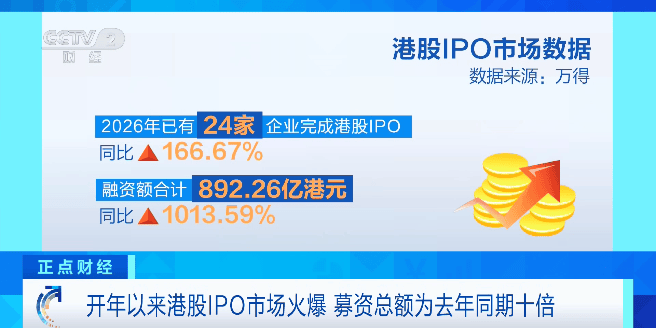
Group 1 - The Hong Kong IPO market has seen a significant surge in activity in early 2026, with over 20 companies completing IPOs, raising a total of more than 800 million HKD, which is ten times the amount raised in the same period last year [1] - As of February 25, 2026, 24 companies have completed IPOs in Hong Kong, representing a year-on-year increase of 166.67%, with total financing amounting to 892.26 billion HKD, a staggering increase of 1013.59% [3] - Notable AI companies such as Wallen Technology and Zhiyu have completed listings, each raising over 50 billion HKD, with first-day stock price increases exceeding 50%, highlighting their appeal in the IPO market [3] Group 2 - The explosive growth in financing reflects international capital's confidence in China's high-end manufacturing and emerging industries, indicating a strong belief in the capabilities of Chinese enterprises [5] - The number of companies waiting to go public in Hong Kong has expanded, with 391 companies in the pipeline, including 110 A-share listed companies, accounting for 28.13% of the total [7] - Changes in the pipeline of companies show a rising proportion of "new economy" sectors, with technology and pharmaceuticals making up nearly 70%, and an increasing number of Chinese companies with core competitiveness choosing to list in Hong Kong [9] Group 3 - In 2025, the total amount raised through Hong Kong IPOs reached 2869.1 billion HKD, a significant increase of 225.49% compared to 2024, reclaiming the top position globally in terms of fundraising [11] - The total IPO fundraising amount for the current year has already surpassed 30% of last year's total [11]
2026年不到两个月融资892亿港元,港股IPO同比暴增1013%,AI企业成绝对吸金主角
Jin Rong Jie· 2026-02-25 13:39
Group 1 - The Hong Kong IPO market has shown remarkable performance in early 2026, with 24 companies completing IPOs, representing a year-on-year increase of 166.67% [1] - The total fundraising amount reached 892.26 billion HKD, a staggering increase of 1013.59% compared to the same period last year, significantly surpassing the previous year's total of over 80 billion HKD [1] - The AI sector has emerged as a prominent force in this IPO wave, with companies like Wallen Technology, Zhiyu, and MINIMAX raising over 50 billion HKD each and experiencing first-day gains exceeding 50% [1] Group 2 - Traditional sectors such as finance and real estate have seen a decline in dominance, while AI, semiconductors, and biomedicine have become the main attractions in the Hong Kong primary market [1] - The number of companies waiting for IPOs in Hong Kong has expanded, with 388 firms in the queue, including 110 A-share listed companies, accounting for 28.4% [1] - The information technology sector leads with 152 companies in the pipeline, followed by the healthcare sector with 90 companies, and over 10 international firms from Southeast Asia have also entered the queue [1] Group 3 - The Hong Kong Stock Exchange is actively working to optimize its listing mechanisms and market infrastructure, collaborating closely with the Hong Kong Securities and Futures Commission to enhance competitiveness [2]
2026年开年以来港股IPO市场“热辣滚烫” 募资总额为去年同期十倍
Yang Shi Wang· 2026-02-25 09:16
Group 1 - The Hong Kong IPO market has seen a significant surge in activity in early 2026, with over 24 companies completing IPOs, representing a year-on-year increase of 166.67% and total fundraising of 892.26 billion HKD, up 1013.59% compared to the previous year [1][3] - Notable companies in this IPO wave include AI firms like Wallen Technology and Zhiyu, each raising over 50 billion HKD, with first-day stock price increases exceeding 50% [1] - The increase in IPO activity reflects international capital's confidence in China's high-end manufacturing and emerging industries, indicating a successful transformation of the country's industrial structure [3] Group 2 - The number of companies waiting to go public in Hong Kong has reached 391, with 110 of these being A-share listed companies, accounting for 28.13% of the total [5] - Changes in the pipeline of companies include a rise in "new economy" firms, with technology and pharmaceuticals making up nearly 70% of the listings, and an increase in Chinese companies with core competitiveness choosing to list in Hong Kong [7] - The total fundraising amount for Hong Kong IPOs in 2025 was 2869.1 billion HKD, marking a substantial increase of 225.49% from 2024, with the current year's IPO fundraising already exceeding 30% of last year's total [9]
甘肃巨化首条330千伏供电线路带电投运
Xin Lang Cai Jing· 2026-02-12 04:07
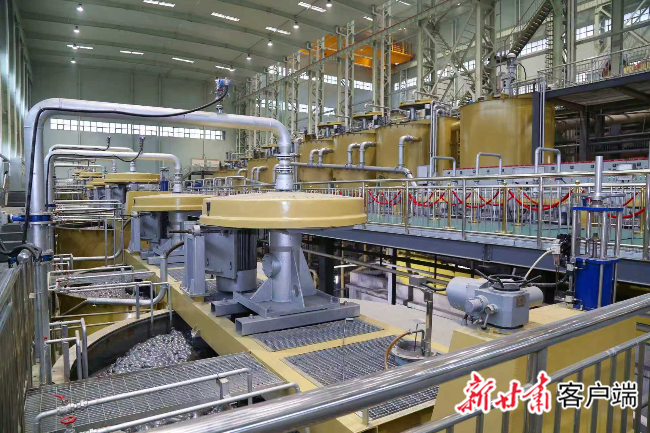
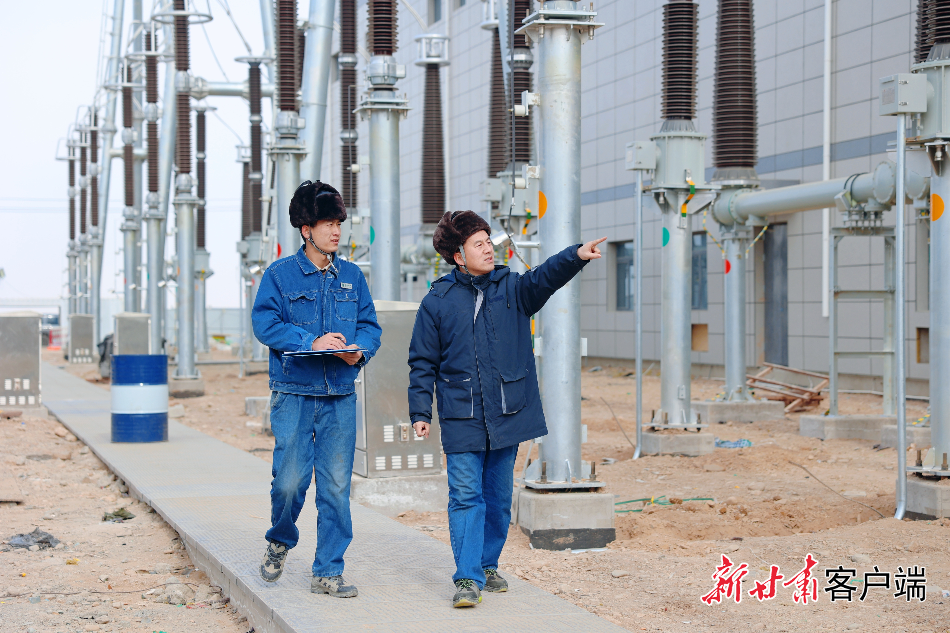
Group 1 - The core project of Gansu Juhua New Materials Co., Ltd. focuses on high-performance silicon-fluorine materials and has a total investment of 41 billion yuan, setting a record for single industrial project investment in Gansu Province [2] - The project is strategically significant for the development of new energy batteries, semiconductors, and high-end equipment manufacturing, contributing to the transformation and upgrading of the chemical industry in Northwest China [2] - The project is located in the Yumen Economic Development Zone and aims to leverage regional resource advantages to enhance the industrial chain [2] Group 2 - To support the timely production of the project, the State Grid Gansu Electric Power Company has initiated a "one-to-one" exclusive service mechanism for major projects, customizing power supply plans [3] - The company has completed capacity upgrades for 30 circuit breakers at two 330 kV substations and has adjusted the operation mode of the main network multiple times to ensure the project's power supply [3] - The "efficient power management" service model has been introduced, providing comprehensive tracking and guidance for equipment debugging and pre-operation checks to ensure successful power delivery [3]
新质生产力动能强劲,上海经济总量位居全球第五
Di Yi Cai Jing Zi Xun· 2026-01-21 13:37
Core Insights - Shanghai's GDP reached 56,708.71 billion yuan in 2025, growing by 5.4% year-on-year, surpassing the national growth rate after several years of lagging behind [1] - The city's economic resilience is highlighted by a steady recovery in consumption, investment, and exports, with Shanghai's growth rates exceeding national averages across all three sectors [2][3] Economic Growth - Shanghai's GDP growth of 5.4% in 2025 marks a significant recovery, positioning it as the first city in China to exceed a GDP of 50 trillion yuan [1] - The city's core functions and new industries are rapidly developing, contributing to its role as a leading economic center [1] Consumption Trends - In 2025, Shanghai's total retail sales of consumer goods increased by 4.6%, outperforming the national growth rate of 3.7% [2] - Key drivers for this growth include targeted policy measures, innovative consumer events, and a rebound in inbound tourism, with 9.36 million international visitors recorded, a 40% increase from the previous year [2] Investment Dynamics - Fixed asset investment in Shanghai grew by 4.6% in 2025, significantly higher than the national decline of 3.8% [3] - Industrial and infrastructure investments surged by 20% and 11.2%, respectively, indicating strong growth in these sectors [3] Trade Performance - Shanghai's total foreign trade reached 4.5 trillion yuan in 2025, with a growth rate of 5.6%, surpassing the national average of 3.8% [3] - Exports increased by 10.8%, with notable growth in high-end manufacturing sectors, including electric vehicles and industrial robots [3] Emerging Industries - The industrial added value in Shanghai grew by 5.0%, with strategic emerging industries contributing significantly, accounting for 45% of the total industrial output [4][5] - The three leading industries in Shanghai saw a 9.6% increase in output, with integrated circuit manufacturing and artificial intelligence growing by 15.1% and 13.6%, respectively [5] Quality of Development - Shanghai's port trade volume exceeded 11 trillion yuan, ranking first globally, while financial market transactions grew by 11.2% [6] - R&D investment as a percentage of GDP stands at approximately 4.5%, indicating a strong focus on innovation and future-oriented investments [6] Future Outlook - The "15th Five-Year Plan" emphasizes the need for Shanghai to enhance its economic resilience and transition to high-quality growth, focusing on new technologies and industries [7][8] - The city aims to foster a vibrant innovation ecosystem by optimizing the business environment and supporting small and medium-sized enterprises [8][9]
刘世锦重磅建议:中产要倍增到8-9亿人!关键靠这两大“硬招”
新浪财经· 2026-01-15 09:32
Core Viewpoint - The article emphasizes the need for China to transition from an investment and export-driven growth model to one focused on innovation and consumption during the 14th Five-Year Plan period, highlighting structural changes in the economy [6][45]. Consumption Structure - China is not yet a consumption powerhouse, with consumption accounting for 20 percentage points less of GDP compared to the global average [8][11]. - To become a consumption-driven economy, China must correct this structural deviation and enhance both domestic and international consumption [11]. - The focus on consumption is shifting from investment-driven growth to consumer-driven growth, particularly in sectors like education, healthcare, and cultural services [11]. Industrial Structure - The manufacturing sector's share of GDP may decline, but this does not indicate a lack of transformation; rather, it reflects a shift towards high-tech, knowledge-intensive service industries [12]. - The development of related productive services is crucial for supporting innovation and enhancing human capital [12][14]. - The government must foster a fair competitive environment to address the complexities of industrial transformation and reduce excess capacity in heavy industries [14]. Foreign Trade - Despite a challenging international environment, China's exports have remained strong, indicating improved technological and industrial competitiveness [17]. - A significant trade deficit suggests a reduction in domestic consumption, which is unsustainable in the long term [17][20]. - The strategy should shift towards balancing imports and exports, with an emphasis on using the RMB for international transactions [20]. Financial Structure - As industries evolve, the importance of capital markets is increasing, with a projected annual increase of at least 30 trillion yuan in social net assets if GDP grows at 4%-5% [23]. - The capital market should support the growth of large, innovative enterprises and increase the proportion of institutional investors to address the challenges of an aging society [24]. Urban-Rural Structure - Urbanization will slow as the population approaches 70%, leading to more internal migration within urban areas rather than from rural to urban [26][30]. - Addressing disparities in public services between urban and rural populations is essential for achieving balanced urban-rural development [31][32]. Income Distribution - To avoid the middle-income trap, China should aim to reduce the Gini coefficient to around 0.4, doubling the middle-income population from 400 million to 800-900 million [33][36]. - Policies should focus on increasing labor compensation's share of GDP and improving social security for low- and middle-income groups [36][38]. Macroeconomic Policy - While macroeconomic policies can provide short-term stability, they cannot replace the need for structural reforms to drive long-term growth [39][41]. - The reliance on macroeconomic policies may increase as the economy transitions to a lower growth phase, necessitating a clear understanding of the limits of such policies [41][45].
值得收藏!刘世锦在2025新浪金麒麟论坛演讲的PPT
Xin Lang Cai Jing· 2026-01-15 03:22
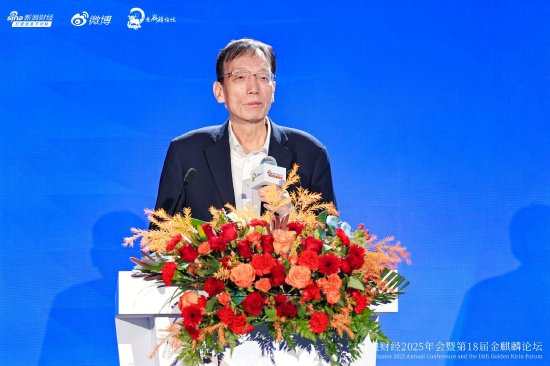
Core Viewpoint - The conference emphasizes the need to reshape the growth paradigm in China, transitioning from investment and export-driven growth to innovation and consumption-driven growth during the 14th Five-Year Plan period [5][54]. Consumption Structure - China is not yet a consumption powerhouse, with consumption accounting for about 20 percentage points less of GDP compared to the global average [9][55]. - Addressing this structural gap is essential for China to become a consumption-driven economy, which includes increasing both domestic and international consumption [11][58]. - The focus on consumption is shifting from investment as the primary driver of economic growth to consumption as the key factor [11][58]. Industrial Structure - The manufacturing sector's share of GDP may decline, but this does not indicate a lack of transformation; rather, it highlights the need for high-tech, knowledge-intensive service industries to support manufacturing upgrades [12][59]. - The complexity of industrial structure transformation is increasing, necessitating a fair competitive environment for businesses [15][61]. Foreign Trade - Despite a challenging international environment, China's exports have remained strong, reflecting improvements in technology and industrial competitiveness [16][63]. - A significant trade deficit indicates reduced domestic consumption, which is unsustainable in the long term; thus, a balanced import-export strategy is needed [16][65]. Financial Structure - The evolution of the financial system is accelerating, with a shift from traditional banking to capital markets, which will play a more significant role in supporting economic growth [22][70]. - The capital market should foster large, innovative enterprises and increase the participation of institutional investors to support social security systems [26][72]. Urban-Rural Structure - Urbanization is slowing as the population approaches 70%, leading to more internal migration within urban areas rather than from rural to urban [27][75]. - Addressing disparities in public services between urban and rural populations is crucial for achieving balanced development [31][79]. Income Distribution - To avoid the middle-income trap, China should aim to reduce the Gini coefficient to around 0.4, promoting a stable middle-income group that constitutes over half of the population [33][84]. - Policies should focus on increasing labor income's share of GDP and improving social security for low- and middle-income groups [37][86]. Macroeconomic Policy - While macroeconomic policies are currently focused on short-term stabilization, they cannot provide the foundational growth momentum needed for the economy [40][87]. - Structural reforms are essential to address deep-rooted issues, and reliance on macroeconomic policies should be carefully managed to avoid dependency [42][89].

光大证券:石化化工行业“反内卷”加速供给侧出清 龙头竞争力有望提升
智通财经网· 2026-01-07 03:14
Group 1 - The core viewpoint of the report is that the Chinese government is promoting "anti-involution" policies and stable growth initiatives, which are expected to lead to the elimination of outdated production capacity in the petrochemical industry and foster healthy industry development [1][2] - The Ministry of Industry and Information Technology (MIIT) plans to implement a stable growth work plan for the petrochemical industry from 2025 to 2026, targeting an average annual growth of over 5% in the industry's added value [2][3] - The focus will be on structural adjustments, optimizing supply, and eliminating outdated production capacity in key industries, including steel, non-ferrous metals, and petrochemicals [2][3] Group 2 - Strict control policies on high-energy-consuming industries such as calcium carbide and caustic soda have been in place since 2016, aiming to limit new production capacity and promote energy-saving and pollution-reduction upgrades [3] - The report indicates that the calcium carbide industry is expected to see an increase in concentration as outdated capacity is eliminated, which will improve overall industry conditions [4] - The liquid alkali industry is currently at a low point, with a projected single-ton gross profit of 744 yuan by the end of 2025, indicating a need for supply-side improvements to drive industry recovery [5] Group 3 - The PVC market is closely tied to the real estate and infrastructure sectors, with a projected apparent consumption of approximately 1,866 million tons in 2025, reflecting a 7.1% decline from 2020 [6][7] - The PVC industry is characterized by low concentration, with the top six companies holding only 26% of the total production capacity, which is expected to change as environmental policies tighten and outdated capacities are phased out [7] - Investment opportunities are identified in various sectors, including the calcium carbide-chloralkali-PVC industry chain and nitrogen fertilizer industry, with specific companies highlighted for potential investment [8]
