
绿色技术

Search documents
全球产业格局之变原因何在?
Sou Hu Cai Jing· 2026-02-27 08:56
Core Insights - The global economic landscape is undergoing a systematic restructuring due to changes in the global power dynamics, stages of productivity development, and deepening contradictions within capitalism [1][3]. Group 1: Global Economic Trends - The capitalist contradictions have become increasingly evident during the process of economic globalization, leading to a significant imbalance in global industrial division, with developed countries experiencing industrial hollowing [3]. - The share of manufacturing employment in the U.S. has decreased from 12.7% in 2000 to a projected 8% in 2025, marking a 20-year low [3]. Group 2: Technological Advancements and Industry Shifts - The emergence of new technologies has rendered traditional industrial development models unsustainable, creating opportunities for emerging industries and reshuffling national industrial advantages [4]. - The blurring of boundaries between manufacturing and services due to the proliferation of digital technologies has led to new business models such as "product as a service" and personalized customization, significantly increasing industrial value [4]. Group 3: Geopolitical and Technological Competition - Technological leadership is now a cornerstone of national security and geopolitical power, with new technologies like artificial intelligence breaking traditional paths of innovation [5]. - The imposition of "associated blockades" has forced developing countries to pivot towards foundational research and original innovation, as they can no longer rely on traditional methods of technology acquisition [5]. Group 4: State Intervention and Regulatory Dynamics - As global industrial competition intensifies, reliance solely on market forces is insufficient for ensuring industrial security, necessitating state intervention and rule-making as essential strategies [6]. - The increasing prominence of externality issues, such as climate change and supply chain resilience, has led to a shift from market-driven to "state strategy + market mechanism" dual-driven industrial organization [6].

中经评论:重温亚太合作初心
Jing Ji Ri Bao· 2026-02-24 01:05
Group 1 - The core theme of APEC this year is "Building the Asia-Pacific Community and Promoting Common Prosperity," which aligns with APEC's mission of promoting trade and investment liberalization and deepening regional economic integration [2][3] - The first senior officials' meeting in Guangzhou attracted over 1,400 representatives from 21 economies, marking the official start of the cooperation process for the year [1] - China emphasizes the importance of an open economy to address global uncertainties and opposes the politicization of trade issues, reaffirming the spirit of the APEC "family" [2][4] Group 2 - The three priority areas identified are "Openness, Innovation, and Cooperation," which correspond to building an open Asia-Pacific economy, fostering innovative growth, and deepening practical cooperation [3] - China aims to expand the Asia-Pacific Free Trade Area and develop an upgraded connectivity blueprint to overcome institutional barriers to regional integration [3][4] - The focus on innovation includes leveraging digital, intelligent, and green transformations to cultivate new productive forces, with initiatives like AI governance and smart customs cooperation [3][4] Group 3 - The discussions during the high-level meeting centered on "one goal, two paths, three transformations, and diverse cooperation," aiming to translate macro visions into practical outcomes [4] - China's experience in digital economy and green technology aligns with the urgent needs of emerging economies in the Asia-Pacific for smart and low-carbon solutions [4] - The approach of "soft connectivity" through standard recognition, policy coordination, and cultural exchanges is intended to reduce cooperation costs and enhance the resilience of regional supply chains [4][5] Group 4 - The APEC "China Year" coincides with the start of China's 14th Five-Year Plan, which is expected to inject new momentum into Asia-Pacific cooperation [5] - The proposed theme and pathways aim to connect economies, break down barriers through innovation, and eliminate gaps through prosperity, fostering a shared vision of common prosperity [5]
默茨“一马当先”,为何而来?
Xin Lang Cai Jing· 2026-02-23 23:45
Group 1 - German Chancellor Merz's visit to China marks his first official trip to the country since taking office in May 2023, highlighting the importance of this visit for both nations [3][4] - The economic cooperation between China and Germany is a key driver of Merz's visit, as Germany faces economic challenges such as weakened traditional manufacturing, slow digital transformation, and high energy costs [4][6] - Germany's trade with China is projected to reach €253 billion by 2025, with a year-on-year growth of approximately 2.7%, indicating China's critical role as Germany's largest trading partner [4] Group 2 - Merz's visit aims to stabilize supply chains, expand market presence in China, and attract Chinese investments to rejuvenate the German economy [4][6] - The visit also serves to recalibrate the political relationship between Germany and China, moving towards a more stable and pragmatic cooperation model [6][9] - Germany's automotive industry relies heavily on the Chinese market, with about one-third of its sales dependent on it, emphasizing the strategic importance of this relationship [6] Group 3 - Merz's trip is part of a broader strategy to reduce Germany's dependence on the U.S. and enhance its economic competitiveness within Europe and globally [8][12] - The visit is also an opportunity for Germany to engage with China on international issues, such as the Russia-Ukraine conflict, seeking a stable development environment for Europe [8][12] - Despite the positive signals for cooperation, there remains a duality in Germany's approach to China, influenced by internal political pressures and external relations with the U.S. [9][10]

重温亚太合作初心
Xin Lang Cai Jing· 2026-02-23 22:48
Core Viewpoint - China is hosting APEC for the third time, emphasizing the theme of "Building a Community of the Asia-Pacific and Promoting Common Prosperity" to enhance regional cooperation and address challenges such as unilateralism and protectionism [2][3]. Group 1: APEC's Historical Context and Objectives - APEC has been committed to "openness, inclusiveness, and mutual benefit" since its establishment in 1989, facilitating significant development and prosperity in the Asia-Pacific region [3]. - The theme proposed by China aligns with APEC's core mission of promoting trade and investment liberalization and deepening regional economic integration, continuing the cooperative trajectory established over the past 30 years [3][4]. Group 2: Key Areas of Focus - The three priority areas identified by China—"openness, innovation, and cooperation"—are designed to address new opportunities and challenges in the Asia-Pacific region [4]. - In the area of openness, China aims to expand the construction of the Asia-Pacific Free Trade Area and develop an upgraded connectivity blueprint to overcome institutional barriers to regional integration [4]. - The innovation focus emphasizes fostering new productive forces through digital, intelligent, and green transformations, including initiatives like AI governance and smart customs cooperation [4]. - Cooperation efforts will prioritize sharing experiences and building capacities in areas such as food security, energy, and public health, taking into account the diversity of member economies [4]. Group 3: China's Role and Strategic Approach - China's approach to the APEC theme reflects a deep consideration of complementing "Chinese experience" with "Asia-Pacific needs" to drive regional cooperation transformation [5]. - Discussions during the high-level meeting focused on "one goal, two paths, three transformations, and diverse cooperation," aiming to translate macro visions into practical outcomes [5]. - China leverages its technological advantages in cross-border e-commerce and clean energy to meet the urgent demands of emerging economies in the Asia-Pacific for smart and low-carbon solutions [5]. Group 4: Future Outlook - The APEC "China Year" coincides with the beginning of China's 14th Five-Year Plan, which can mutually enhance both initiatives and inject new momentum into Asia-Pacific cooperation [6]. - The proposed themes and pathways by China aim to connect economies, resist decoupling, break down barriers through innovation, and eliminate gaps through prosperity, fostering a shared vision of common prosperity among Asia-Pacific economies [6].

专访斯里兰卡前海军司令:共建“一带一路”倡议创造发展红利
2 1 Shi Ji Jing Ji Bao Dao· 2026-02-13 12:35
Group 1 - Sri Lanka has benefited significantly from the Belt and Road Initiative since joining in 2014, with infrastructure projects such as ports, airports, and highways developed by China [1] - Despite rising global trade protectionism, China continues to maintain rapid growth and is a leader in advanced technologies like artificial intelligence and quantum computing [1] - Sri Lanka aims to improve its economy and views China's capabilities as essential for developing maritime infrastructure, integrating into global supply chains [1] Group 2 - Tourism is a vital pillar of Sri Lanka's economy, with Chinese tourists being the second-largest source of visitors, significantly supporting the local economy through their spending [2] - Sri Lanka's diverse tourism resources, including beaches, tea plantations, and ancient cities, cater to various tourist preferences, and the country is optimizing visa policies to attract more Chinese visitors [2] - Coastal tourism contributes not only to tourism revenue but also drives the development of marine-related industries, highlighting the importance of enhancing maritime cooperation between China and Sri Lanka [2] Group 3 - Major challenges facing the Indian Ocean include global warming, rising sea levels, and overfishing, necessitating collaboration for marine environmental protection [3] - China is recognized for its financial strength and technological capabilities in marine environmental protection, which are crucial for sustainable development [3] - Countries like Sri Lanka, with limited economic power, need to leverage China's advancements in renewable energy to achieve green development and contribute to global climate governance [3] Group 4 - Sri Lanka seeks to learn from China's development experience and anticipates increased investment and technological cooperation from China [4] - The country has the potential to become a manufacturing and logistics hub for China, serving South Asia, Africa, and the Middle East, creating a win-win situation for both parties [4] - Future cooperation can be expanded in investment, technology, and capacity integration for deeper collaboration [4]
英国媒体:中国电动汽车出口强劲有助于提升绿色技术领先地位
Xin Lang Cai Jing· 2026-02-07 11:29
Group 1 - The core viewpoint of the article is that the rapid growth of China's electric vehicle exports enhances its leading position in clean energy technology [1][5] - China is leading the global clean technology industry, with electric vehicle exports being a significant representation of this leadership [1] - By 2025, Chinese electric vehicles are expected to be sold in over 150 countries and regions, with electric vehicles accounting for more than half of new cars manufactured in China [1] Group 2 - The largest market for Chinese electric vehicles is Belgium, followed by the UK and the UAE, with affluent countries increasingly importing these vehicles [2] - In the past year, the most significant growth in orders for Chinese electric vehicles has been observed in Africa, followed by the Middle East, with notable increases in Asia and Oceania as well [2] - The growth in electric vehicle exports allows Chinese manufacturers to significantly expand their sales volume and enhance service and after-sales business, including battery systems and grid management components [5] Group 3 - The increasing sales of electric vehicles in various countries drive the demand for charging infrastructure, necessitating urgent action from policymakers and power companies to ensure local grids are operational [5] - This situation provides opportunities for China's leading grid management and clean energy technology products to play a role in the construction of these energy systems [5] - As more consumers purchase Chinese electric vehicles, there is a growing preference for other clean technology products produced in China, such as residential solar panels and battery storage systems [7]

国泰君安期货商品研究晨报:绿色金融与新能源-20260204
Guo Tai Jun An Qi Huo· 2026-02-04 01:34
1. Report Industry Investment Rating - No information about the industry investment rating is provided in the report. 2. Core Views of the Report - The nickel market is dominated by macro - sentiment at the margin, with a game between fundamentals and speculative positions [2][5]. - In February, there are frequent maintenance and production cuts in the stainless - steel industry, and the nickel - iron expectation provides a bottom support [2][6]. - The market sentiment for lithium carbonate has warmed up, and the futures market shows a strong performance [2][12]. - For industrial silicon, attention should be paid to market sentiment changes; for polysilicon, attention should be paid to the situation of the Beijing meeting [2][16]. 3. Summary by Relevant Catalogs Nickel and Stainless - Steel Fundamental Data - The closing price of the Shanghai nickel main contract was 134,830, down 5,180 from T - 1, down 11,280 from T - 5, etc. The closing price of the stainless - steel main contract was 13,585, up 165 from T - 1, down 955 from T - 5, etc [6]. - The trading volume of the Shanghai nickel main contract was 663,364, down 144,776 from T - 1, up 139,968 from T - 5, etc. The trading volume of the stainless - steel main contract was 377,013, down 247,788 from T - 1, down 102,979 from T - 5, etc [6]. Macro and Industry News - The Indonesian government has suspended issuing new smelting licenses through the OSS platform, targeting projects producing "restricted products" [6]. - China's Ministry of Commerce and the General Administration of Customs have decided to implement export license management for some steel products from January 1, 2026 [7]. - The Indonesian government plans to significantly reduce the 2026 nickel ore production target from 379 million tons to 250 million tons [9]. Trend Intensity - The trend intensity of nickel is 0; the trend intensity of stainless - steel is 0 [11]. Lithium Carbonate Fundamental Data - The closing price of the 2605 contract was 148,100, up 15,660 from T - 1, down 31,500 from T - 5, etc. The trading volume of the 2605 contract was 619,542, down 24,772 from T - 1, up 237,229 from T - 5, etc [12]. Macro and Industry News - Shanghai will deepen the construction of an international economic center, carry out technological transformation and upgrading in industries such as petrochemical and steel, and support the development of new energy vehicle and other industries [13][14]. - The "250,000 - ton/year electrolyte solvent project" of Lihua Yiweiyuan Chemical Co., Ltd. has been fully put into production [14]. Trend Intensity - The trend intensity of lithium carbonate is 0 [14]. Industrial Silicon and Polysilicon Fundamental Data - The closing price of the Si2605 contract was 8,815 yuan/ton, up 20 from T - 1, down 45 from T - 5, etc. The closing price of the PS2605 contract was 50,000 yuan/ton, up 2,950 from T - 1, down 1,900 from T - 5 [16]. Macro and Industry News - In December 2025, there were 6,233 newly - added on - record new - energy power generation projects (excluding household - use photovoltaics) in China, including 36 wind - power projects, 6,190 photovoltaic projects, and 7 biomass - power generation projects [15][16]. Trend Intensity - The trend intensity of industrial silicon is 1; the trend intensity of polysilicon is 1 [18].
2025年上海政府工作报告聚焦实体经济,四大新兴产业集群成发展核心引擎
Jin Rong Jie· 2026-02-04 01:16
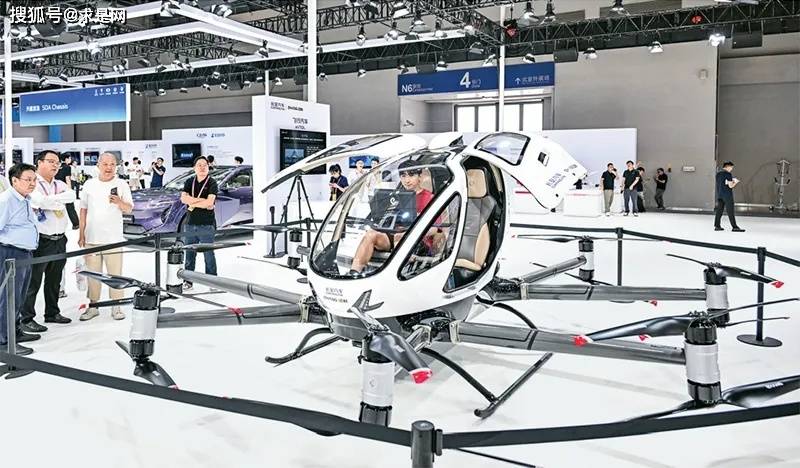
Group 1 - The report emphasizes the dual-driven model of upgrading traditional industries and nurturing emerging industries, focusing on the transformation of sectors like petrochemicals and steel through digital and green technology [1][2] - Shanghai's traditional manufacturing industry has achieved an 85% coverage rate in intelligent transformation, which is expected to accelerate energy efficiency improvements and structural optimization [2] - Emerging industries such as intelligent connected new energy vehicles and low-altitude economy are prioritized, with Shanghai opening 1,200 kilometers of testing roads for autonomous vehicles, accumulating over 10 million kilometers of testing mileage [2] Group 2 - The report highlights the low-altitude economy as a new focus area, with Shanghai laying out plans in core fields like drones and eVTOL, which will enhance the collaborative effects across the industry chain [2] - The satellite internet and aerospace industries are expected to synergize with Shanghai's technological reserves in integrated circuits and artificial intelligence, creating a "space-ground integration" industrial ecosystem [2] - The ongoing industrial policy in Shanghai is projected to strengthen the foundation of the real economy, with new productive forces becoming the core driver of economic growth, benefiting the Yangtze River Delta and the national industry [2][3]
上海市长划重点:这些产业,全力支持
Di Yi Cai Jing· 2026-02-03 02:07
Group 1 - The report emphasizes the need to deepen the construction of an international economic center in Shanghai [1] - Focus will be on building a modern industrial system and strengthening the foundation of the real economy, particularly in industries like petrochemicals and steel through digital and green technology upgrades [1] - Major industrial projects will be accelerated in fields such as integrated circuits, biomedicine, and artificial intelligence [1] Group 2 - Active support will be provided for the development of industries such as smart connected new energy vehicles, marine economy, low-altitude economy, aerospace, and satellite internet [1] - There will be efforts to cultivate distinctive digital industry clusters and promote the expansion and quality improvement of the service sector [1]
我国造船三大指标国际市场份额连续16年领先
Zhong Guo Zheng Quan Bao· 2026-02-01 20:53
Group 1 - The core viewpoint of the news is that China's shipbuilding industry is projected to maintain its global leadership in three key metrics by 2025, continuing a 16-year streak of dominance in the international market [1] - By 2025, China's shipbuilding completion volume is expected to reach 53.69 million deadweight tons, a year-on-year increase of 11.4%, accounting for 56.1% of the global market [1] - New orders received are projected to be 107.82 million deadweight tons, representing 69% of the global total, while the hand-held order volume is expected to reach 274.42 million deadweight tons, a 31.5% year-on-year increase, making up 66.8% of the global market [1] Group 2 - The Ministry of Industry and Information Technology (MIIT) plans to focus on four areas to promote the development of the shipbuilding and marine engineering equipment manufacturing industry [2] - The first area is to promote the deep integration of technological and industrial innovation, targeting major demands in deep-sea polar and green intelligent sectors [2] - The second area involves upgrading the industry and developing emerging industries, emphasizing green technology and artificial intelligence [2] - The third area focuses on strengthening industrial cluster construction and nurturing high-quality enterprises, aiming to build world-class shipbuilding and marine engineering industrial clusters [2] - The fourth area is to maintain open cooperation and mutually beneficial development, enhancing the business environment and deepening global industrial collaboration [2]