
新增就业人数

Search documents
非农暴雷!黄金扫荡,白银新高逼空不追涨!
Sou Hu Cai Jing· 2025-12-17 03:11
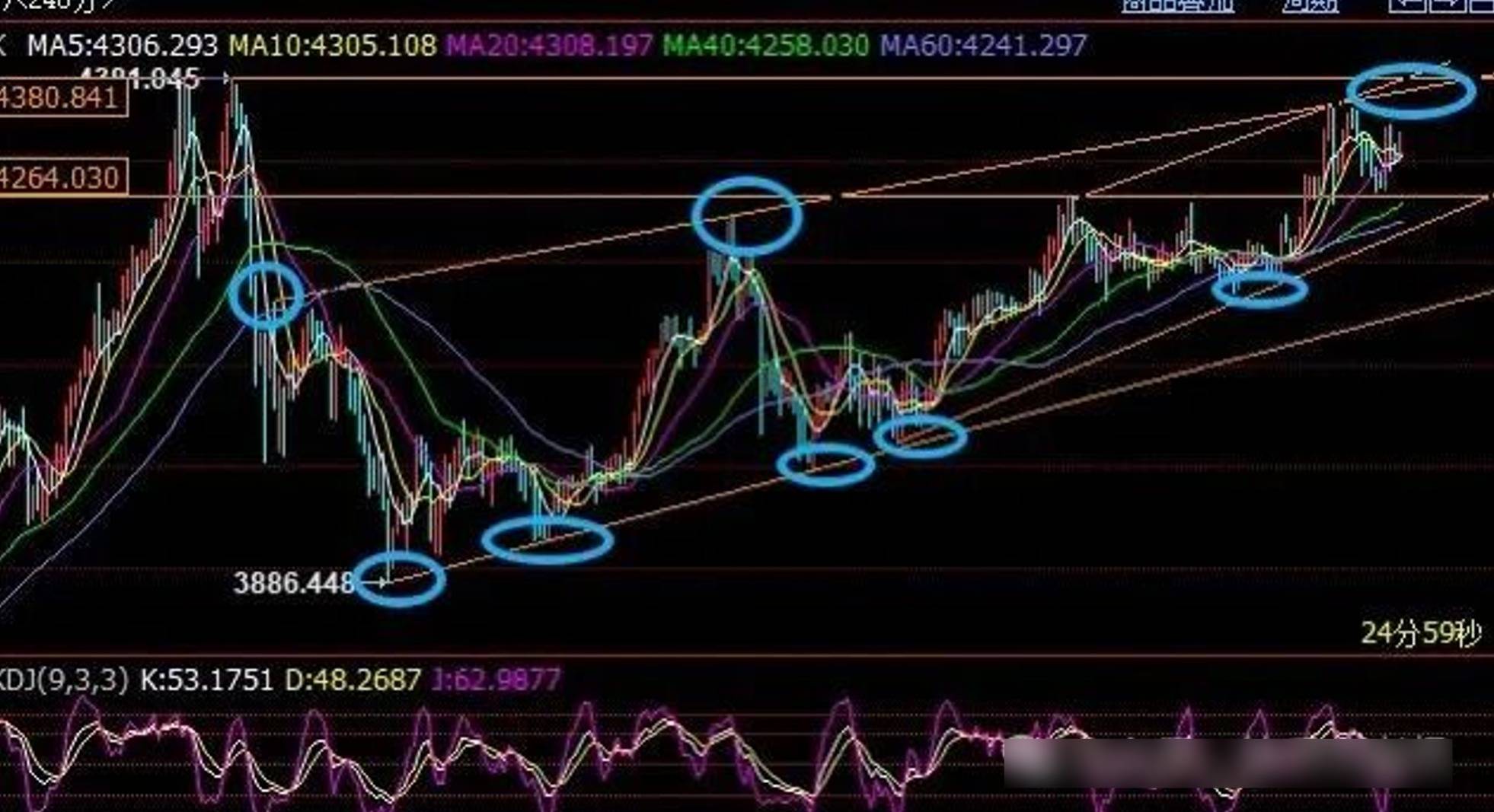
Core Viewpoint - The analysis focuses on the recent fluctuations in gold and silver prices, highlighting the impact of U.S. non-farm payroll data and the potential for future interest rate changes by the Federal Reserve [1][3]. Group 1: Gold Market Analysis - Gold prices experienced a dip below 4280 but stabilized above 4270, with a quick rise before the non-farm payroll data release [1]. - The unemployment rate reached 4.6%, the highest since September 2021, exceeding expectations, which is seen as bullish for gold and other non-USD currencies [1]. - Following the data release, the probability of a Federal Reserve rate cut in January 2026 increased from 22% to over 30% [1]. - Key support for gold has shifted from the 4260-55 range to the 4270-75 range, with a critical resistance level at 4355 and historical high at 4380 [3]. Group 2: Silver Market Analysis - Silver prices reached a new high of 65.65, with a long-term bullish outlook targeting 100 USD, while short-term strategies suggest caution against chasing prices [3][5]. - The market has shown volatility, with significant price drops following new highs, indicating a need for careful trading strategies [5]. - Current resistance levels for silver are identified at 66-65.5 USD and 66.8-67.2 USD, while support levels are at 63.5-64 USD and 62.5-62 USD [5].

今夜非农:数据要多“难看”,才能换来50个基点降息?
Hua Er Jie Jian Wen· 2025-09-05 07:21
Core Viewpoint - The upcoming August non-farm payroll report is critical for assessing the pace of economic slowdown in the U.S., with expectations for a modest increase in employment and a slight rise in the unemployment rate, which may influence the Federal Reserve's decision on interest rate cuts [1][2]. Group 1: Market Expectations - Economists predict an addition of 75,000 non-farm jobs in August, with a range from 0 to 144,000, and an increase in the unemployment rate from 4.2% to 4.3% [2]. - Average hourly earnings are expected to rise by 0.3% month-over-month, with the year-over-year growth rate slowing from 3.9% to 3.8% [2]. Group 2: Employment Data and Revisions - The July non-farm payroll report showed a weak addition of 73,000 jobs, with significant downward revisions of 258,000 jobs for May and June, indicating a colder labor market than previously thought [3][5]. - The upcoming annual benchmark revision by the Bureau of Labor Statistics may adjust total employment figures down by 500,000 to 1 million, suggesting that previous monthly job additions may have been overestimated [6]. Group 3: Factors Influencing Employment - Seasonal adjustment factors may lead to weaker initial estimates for August, as historically, 10 out of the last 15 years have seen August job growth fall below expectations [5]. - Government policies, including hiring freezes and layoffs, are expected to negatively impact federal employment numbers, with Goldman Sachs forecasting a decrease of 20,000 jobs in August [5]. Group 4: Forward-Looking Indicators - A series of leading indicators suggest a bleak outlook for the labor market, including rising initial jobless claims and a significant drop in corporate hiring intentions, which have reached their lowest level since 2009 [8]. - The JOLTS report indicates that for the first time since April 2021, the number of unemployed individuals has exceeded job openings, signaling a demand-constrained labor market [8]. Group 5: Federal Reserve's Rate Decision - A weak report could lead to increased calls for a 50 basis point rate cut, while a strong report may prompt the Fed to pause its rate cuts [7][9]. - The market is currently pricing in a 25 basis point cut in September, with a focus on the upcoming CPI data as a critical factor influencing the Fed's decisions [10].

