
无屏交互

Search documents
AI硬件革命来了
虎嗅APP· 2026-01-25 14:11
Core Viewpoint - OpenAI plans to launch its first AI device in the second half of 2026, featuring a screenless, voice-centric design weighing 10-15 grams, with an ambitious annual shipment target of 40-50 million units, potentially disrupting the smartphone market [4][27]. Group 1: Technological Innovations - The device will utilize advanced multi-modal sensors for user interaction, relying on auditory, visual, and biological feedback to enhance user experience [9][14]. - A high-sensitivity microphone array will enable 360° voice capture and AI noise reduction, allowing for precise voice recognition even in noisy environments [10]. - The integration of a muscle electrical sensor will facilitate silent voice interaction, enabling users to issue commands without vocalizing them [15][16]. - The device is expected to be powered by a custom 2nm Exynos chip from Samsung, which will provide high processing power while maintaining energy efficiency [18][19]. Group 2: Market Implications - If successful, the device could redefine human-computer interaction, moving away from screen-based engagement to voice-driven interfaces, potentially disrupting the current internet economy [40][42]. - The global market for screenless AI wearable devices is projected to exceed $50 billion by 2028, capturing 25% of the wearable device market [42]. - The introduction of this technology may lead to a significant shift in advertising strategies, as traditional SEO could be replaced by AI-driven recommendations [42]. Group 3: Development Timeline and Challenges - OpenAI has laid the groundwork for this device by acquiring a hardware company founded by Apple's former chief designer and hiring numerous hardware engineers from major tech firms [24][25]. - The development timeline includes completing concept design by Q4 2023, producing prototypes by Q2 2024, and integrating AI models by Q4 2024, with a planned release in late 2026 [26]. - However, challenges such as supply chain limitations and the need for compliance with privacy regulations could delay mass production until 2027 [27][34]. Group 4: Societal Impact - The device's capabilities could enhance productivity across various sectors, potentially saving significant time for professionals by automating tasks like note-taking and scheduling [46]. - The penetration rate of screenless AI devices among the elderly is expected to reach 20% by 2030, addressing the digital divide for older populations [48]. - Concerns about job displacement due to AI adoption are significant, with predictions of 85 million jobs being replaced by 2027, particularly in administrative roles [51][52].

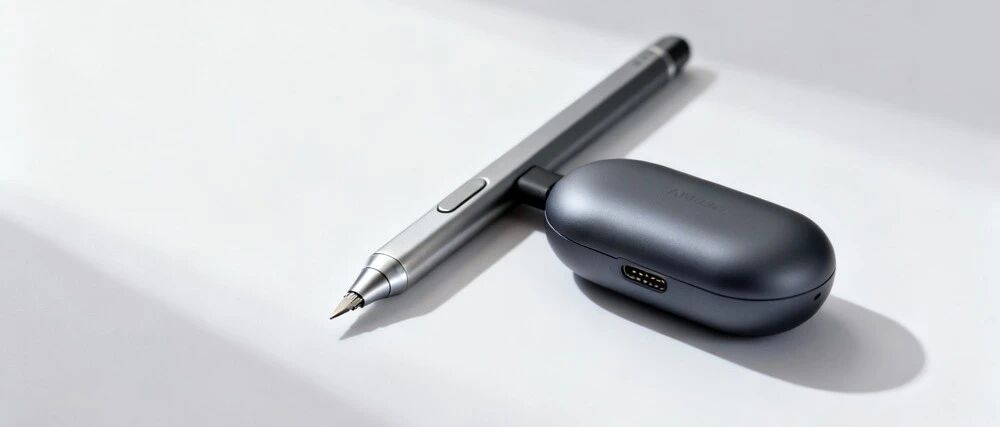
OpenAI整合团队拟一季度发布新语音模型 为发布AI个人无屏设备铺路
智通财经网· 2026-01-01 23:28
Core Insights - OpenAI is optimizing its audio AI model to prepare for a planned voice-driven personal device launch by Q1 2026 [2][3] - The new audio model aims to improve emotional expression and real-time conversation capabilities, addressing current limitations in accuracy and response speed compared to text models [2][3] Group 1: Technical Developments - OpenAI has integrated engineering, product, and research teams to tackle audio interaction technology bottlenecks [2] - The new audio model architecture will generate more precise responses and handle complex scenarios like conversation interruptions [3] - The company is focusing on a screenless interaction model, believing that voice communication aligns more closely with human interaction instincts [3] Group 2: Hardware and User Experience - OpenAI plans to launch a series of screenless devices, including smart glasses and smart speakers, positioning them as "collaborative companions" rather than mere application interfaces [2][3] - The company faces challenges in changing user behavior, as most ChatGPT users have not yet adopted voice interaction due to insufficient audio model quality or lack of awareness of the feature [4] Group 3: Strategic Initiatives - OpenAI has invested nearly $6.5 billion to acquire a company co-founded by former Apple design chief Jony Ive, focusing on supply chain, industrial design, and model development [4] - The timeline suggests that OpenAI must enhance existing ChatGPT voice functionalities to build a user base and validate the practicality of audio interaction in everyday scenarios before the product launch [5]
OpenAI大举招募苹果工程师,首批产品或2026年面世
Huan Qiu Wang Zi Xun· 2025-09-20 04:20
Group 1 - OpenAI is rapidly advancing its consumer hardware strategy by recruiting key hardware talent from Apple and collaborating with major supply chain players like Luxshare Precision [1][3] - Since early 2025, OpenAI has hired over 20 hardware engineers from Apple, doubling the number from 10 in October 2024, with expertise in user interface design, wearable devices, camera systems, and audio technology [3] - OpenAI is offering competitive compensation packages, including stock rewards exceeding $1 million, to attract talent, leading to a significant increase in recruitment speed [3] Group 2 - OpenAI's hardware ambitions extend beyond a single product, with initial offerings including a display-less smart speaker, smart glasses, digital voice recorder, and wearable brooch, aimed for release by late 2026 or early 2027 [4] - The devices are designed around "contextual awareness" and "screenless interaction," creating a new AI entry point beyond smartphones [4] - A notable prototype is a "pocket-sized" device deeply integrated with the ChatGPT language model, allowing natural interaction through voice, gestures, or environmental awareness [4]


第一批AI硬件已经失败了
Tai Mei Ti A P P· 2025-07-15 11:25
Core Insights - The rise and fall of Humane's AI Pin highlights the challenges in the AI hardware sector, questioning the sustainability of the hype surrounding AI innovations [1][3][10] - The rapid decline of the AI Pin, from a highly anticipated product to a failed venture, reflects a broader trend of inflated valuations and unmet consumer expectations in the AI hardware market [2][4][6] Group 1: Product Launch and Initial Success - Humane's AI Pin was launched in April 2024, featuring innovative design and AI capabilities, leading to significant media attention and pre-sale success [1][4] - The company raised $230 million in funding, achieving a peak valuation of $850 million, attracting notable investors due to the founders' backgrounds at Apple [1][4][6] Group 2: Product Failures and Market Response - Following the launch, users reported critical issues such as poor battery life, overheating, low voice recognition accuracy, and ineffective outdoor projection [2][7] - By August 2024, the return rate for the AI Pin was alarmingly high, leading to a significant inventory backlog and ultimately resulting in the product's discontinuation [2][3] Group 3: Acquisition and Aftermath - In February 2025, Humane sold most of its assets to HP for $116 million, a stark contrast to its previous valuation, effectively marking the end of the company [2][3] - The acquisition was perceived as a move by HP to acquire Humane's patents and technology team rather than to continue the AI Pin product line [2][3] Group 4: Industry Implications and Future Outlook - The collapse of Humane serves as a cautionary tale for the AI hardware industry, prompting investors and consumers to reassess the viability of AI hardware promises [3][10] - The AI hardware market is entering a phase of "truth-seeking," with a focus on sustainable business models and proven technology rather than speculative hype [8][9][10]