
AI硬件

Search documents
今年的市场主线,会是消费医药吗?
雪球· 2026-03-29 03:22
Core Viewpoint - The current market focus is on geopolitical tensions and oil prices, but the actual market performance suggests a different direction, with a strong emphasis on AI hardware, non-ferrous metals, precious metals, and minor metals leading into 2025 [3] Group 1: Market Trends and Predictions - The strongest trends in 2025 will be seen in AI hardware, non-ferrous metals, precious metals, and minor metals, particularly from Q2 to Q3, with a focus on products closely related to computing power [3] - By Q4 2025 to Q1 2026, price increases will drive market strength, with significant price hikes in AI hardware components like optical fibers, storage, and M9 materials, leading to a bullish market [3] - The latter part of the period will see a shift in market dynamics, with a higher emphasis on price increases and a weakening of overarching narratives, indicating a potential retreat of major themes [3] Group 2: Emerging Themes and Opportunities - The market is currently in a phase of waiting for new main themes to emerge, as old themes have faded, with a focus on sectors like consumer healthcare that are showing positive marginal improvements [4] - Two leading themes in consumer healthcare, one related to a weight-loss probiotic and another concerning a drug in clinical trials, suggest that consumer healthcare may become a new main theme [4] - Historical patterns indicate that strong themes often emerge before new main themes or during the retreat of existing ones, with current themes potentially setting the stage for consumer healthcare to take the lead [4] Group 3: Market Behavior and Sentiment - If the market fails to identify a new main theme, it may experience chaotic behavior, oscillating between various sectors without clear direction [5] - The contrast between the market's performance in consumer healthcare and the focus on geopolitical issues raises questions about the potential for consumer healthcare to be the main theme in 2026 [5] - The ambiguity of the main theme's emergence requires participants to make strategic choices, as being correct in research is less critical than making the right decisions in positioning [6]


Plaud 爆火后,YoooClaw 要改写 AI 硬件的剧本
雷峰网· 2026-03-24 04:34
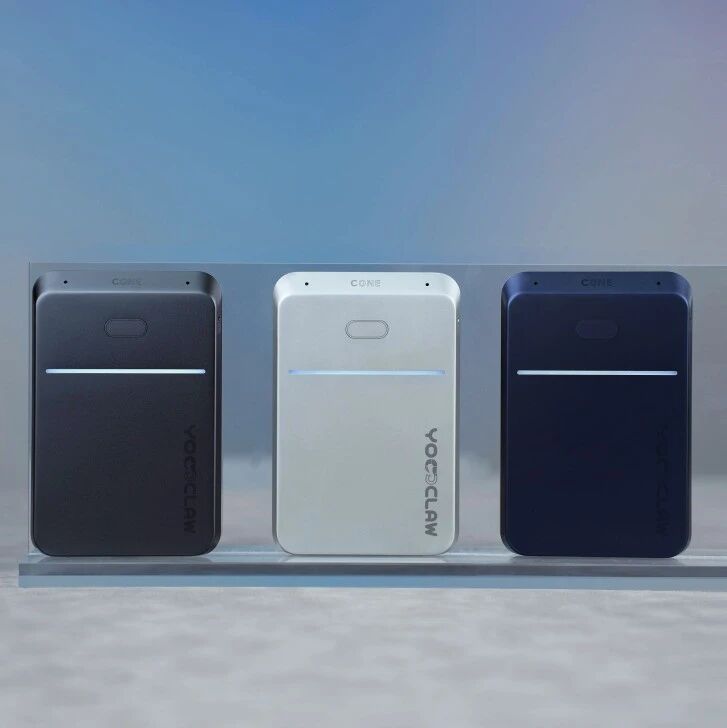
Core Viewpoint - YoooClaw aims to redefine the interaction between users and AI by organizing high-value information from daily activities, rather than merely filtering notifications [9][10][12]. Group 1: Product Concept and Functionality - YoooClaw is designed to integrate notifications from various applications into a clear, prioritized dashboard, helping users identify urgent tasks at a glance [3][29]. - The product focuses on providing a new entry point for AI usage, connecting user-generated high-frequency information across devices and applications [9][10]. - The shift from merely filtering information to organizing it for collaborative tasks reflects the evolving capabilities of AI products [11][12][13]. Group 2: Market Position and Differentiation - YoooClaw distinguishes itself from other AI hardware by not relying on chat interfaces or audio recordings to build user context, instead utilizing notifications and fragmented tasks [5][6][9]. - The product is positioned as a complement to existing AI systems, enhancing their capabilities by supplying better contextual inputs from users' daily lives [23][24]. Group 3: User Experience and Scenarios - The product is designed for various user scenarios, including status awareness, cross-device collaboration, and the re-utilization of recorded information [25][26][27][28]. - YoooClaw aims to provide low-barrier entry points for users, allowing them to engage with pre-defined working scenarios without needing technical expertise [36][37]. Group 4: Data Privacy and Trust - The importance of data sovereignty and user privacy is emphasized, with a focus on transparency regarding data handling and user control over their information [39][41][42]. - The company aims to build trust through product structure and verifiable practices rather than mere claims of privacy protection [45][46]. Group 5: Industry Insights and Future Outlook - The current AI hardware industry is characterized by a transition phase where old paradigms are failing, and new systems are still developing [51][52]. - Future successful products will not only focus on individual features but will integrate context, interaction, and task management into cohesive systems [53][54].
风险释放之后的反弹主线
ZHONGTAI SECURITIES· 2026-03-22 09:28
1. Report Industry Investment Rating - The industry rating is "Overweight", indicating an expected increase of over 10% in the industry index relative to the benchmark index in the next 6 - 12 months [24] 2. Core Viewpoints of the Report - The current market is at a moment of heavy divergence. The ChiNext Index has rebounded and hit a new high this week, while overseas liquidity shocks are accelerating. The A - share market is also discussing issues such as "who is the marginal seller" and the potential "redemption - selling - redemption" negative feedback [1][4] - Seasonal effects are not the reason for the decline but help clear risks. The pressure on the liability side from the liquidity shock has been gradually digested in the past two weeks and may be nearing the end [1][5] - Sentiment indicators show that the market is close to the "extreme panic" level, and the smooth passing of the "end - of - the - world options" day implies a high probability of a market reversal [1][6] - Chinese assets have shown strong resilience. A - shares and Hong Kong stocks have smaller declines compared to global markets, and foreign capital is actively increasing its positions in A - shares [1][8] - After the liquidity shock eases, the leading sectors in the A - share market are divided into two categories: hot sectors supported by industrial trends or policy benefits, and liquidity - sensitive elastic sectors [1][14] - The current is a window period for bottom confirmation, and the main lines of the rebound after the shock are becoming clear, including "wrongly - killed" elastic sectors, energy - substitution sectors, and sectors benefiting from rising oil prices [1][22] 3. Summary According to the Table of Contents Introduction: Believe in the Long - Term or Worry about the Short - Term - This week, the market was volatile. The ChiNext Index rose 1.3% and the Shanghai Composite Index fell 3.4%. Globally, except for oil, risk and safe - haven assets declined. The A - share market discussed issues like "who is the marginal seller" and the "redemption - selling - redemption" negative feedback [4] - The seasonal effect promotes risk clearance. The pressure on the liability side from the liquidity shock has been digested, and the yields of various funds this year are better than those in 2025 [5] - Sentiment indicators show that the market is in an "extreme panic" state [6] I. Value the Resilience of Chinese Assets under Liquidity Shocks - Since the Iran - US conflict, global assets have declined, but Chinese assets have advantages. A - shares and Hong Kong stocks have smaller declines, and Hong Kong stocks rebounded first on March 6, followed by the ChiNext Index [8] - Northbound funds are flowing into A - shares. Their trading volume ratio has increased, and they have become an important marginal pricing force. Northbound heavy - position stocks and the 20 most actively traded stocks have shown significant excess returns [9][11] III. "End - of - the - World Options" Usually Accompany Excessive Emotional Release, with a High Probability of Subsequent Reversal - The options expiration day is an important time for emotional release. After the stock index futures and options expiration day, the probability of a market reversal is high, with a trend reversal probability of over 71% [13] IV. Learn from History: Which Sectors Have the Strongest Recovery Ability after the Shock Eases - After the shocks in March 2020 and April 2025, the leading sectors in the A - share market can be divided into two categories: hot sectors with industrial trends or policy support, and liquidity - sensitive elastic sectors [14] - In March 2020, the main line of the A - share rebound was the consumer sector and cyclical + technology elastic sectors [14] - In April 2025, after the "reciprocal tariff" shock, the leading sectors included electronics, computer, communication, and other sectors, and the rebound amplitude of other sectors was positively correlated with valuation elasticity and previous declines [16] V. Main Lines after Risk Release: Who is "Wrongly - Killed" and Who is "Benefiting" - During this round of liquidity shock, the decline of A - share sectors is negatively correlated with valuation elasticity [18] - The AI hardware industry chain has been "wrongly - killed" and has strong support. If oil prices remain high, energy - substitution sectors such as coal, coal chemical industry, and power will benefit. However, new - energy vehicles and electrolytic aluminum have weak performance, possibly due to deflation concerns [20] - The industry layout ideas are: "wrongly - killed" elastic sectors such as the AI hardware industry chain; energy - substitution sectors such as power, wind power, energy storage, and electrolytic aluminum if oil prices fluctuate at a high level; and coal and coal chemical industries if oil prices rise further [22]
早盘直击|今日行情关注
申万宏源证券上海北京西路营业部· 2026-03-18 02:03
Market Overview - A-shares experienced a rebound in early trading but ultimately retreated due to rising oil prices and the US dollar, leading to increased market risk aversion [1] - The "seesaw" effect was evident, with technology and AI sectors declining while traditional sectors like finance, real estate, and food and beverage saw gains [1] - The uncertainty in the Strait of Hormuz continues to impact oil transportation, suggesting potential volatility in oil and dollar prices in the near term [1] Future Outlook - The ongoing uncertainty in the Middle East may influence short-term market dynamics, particularly oil price movements [1] - A significant rise in oil prices could heighten market concerns and affect sector rotation within A-shares, with the petrochemical sector potentially suppressing preferences for technology growth stocks [1] - Despite short-term fluctuations, the long-term upward trend for A-shares remains intact, supported by increased household savings entering the market and a recovery in the performance of A-share listed companies [1] Hot Sectors - March marks the beginning of the annual report season, with high-performing sectors expected to attract market attention [2] - Key areas of focus include AI hardware, which is experiencing a growth trend, and the anticipated peak of AI applications by 2026 [2] - The trend towards domestic semiconductor production continues, with attention on semiconductor equipment, wafer manufacturing, materials, and IC design [2] - The demand for new energy materials is rising due to rapid growth in domestic and overseas energy storage needs, leading to supply shortages and price increases [2] - The price increase cycle for non-ferrous metals and chemicals is expected to continue, contributing to strong annual report performances [2]

直击北美AI前线-一线调研反馈及GTC-OFC前瞻
2026-03-16 02:20
Summary of Conference Call Notes Industry Overview - The focus is on the AI hardware sector, particularly in North America, with key players including Celestica, Cisco, and Coherent. The demand for AI hardware is expected to remain strong through 2027-2028 due to corporate AI token allocations and established payment habits [1][3][4]. Key Insights and Arguments - **AI Hardware Demand**: Companies like Celestica and Cisco have seen significant increases in AI-related orders, with Cisco's orders tripling in the past six months. Celestica has revised its capital expenditure plans based on clear order visibility from 2026 to 2028 [3][4]. - **Supply Chain Dynamics**: The supply chain bottlenecks have shifted from GPUs to components like memory, power, and liquid cooling systems. Major cloud service providers (CSPs) are actively securing resources to mitigate risks from potential shortages [3][4]. - **Market Trends**: The Scale Up and Scale Across scenarios are identified as significant growth areas for AI hardware, with expectations for explosive demand for network hardware, including optical devices and switches [5][6]. - **CPO Technology**: Co-Packaged Optics (CPO) is viewed as a long-term trend, but its adoption in Scale Out scenarios is slower than anticipated due to supply chain integration challenges. In contrast, CPO is expected to see more urgent application in Scale Up scenarios [6][9]. - **OCS Positioning**: Optical Circuit Switches (OCS) are transitioning from custom tools for specific cloud vendors to potentially universal components in AI data centers. However, traditional switch manufacturers view OCS as complementary rather than a replacement for Ethernet switches [9][10]. Additional Important Points - **Investment Opportunities**: The current recommendation for the communication sector ranks light communication, AI custom chips, liquid cooling, and switches. The growth in light communication is driven by the rollout of 800G and 1.6T optical modules, while AI custom chips are expected to see increased demand from companies like Google [21]. - **Celestica's Growth Drivers**: Celestica is expanding its capacity in the U.S. and Thailand, with new capacity expected to come online in late 2026. The company anticipates significant revenue potential from cloud-native customers like OpenAI [18][19]. - **Arista's Competitive Edge**: Arista believes its experience in DCI gives it an advantage in Scale Across networks, outperforming competitors in latency, congestion, and load balancing [14]. - **NVIDIA's GTC 2026 Expectations**: Anticipated announcements include the introduction of new architectures and products, particularly focusing on the integration of LPU (Linear Processing Unit) with GPU systems [22][23][24]. This summary encapsulates the key points from the conference call, highlighting the dynamics within the AI hardware industry and the strategic positions of leading companies.

2026年第9周:数码家电行业周度市场观察
艾瑞咨询· 2026-03-15 00:07
Industry Environment - The rise of embodied intelligence has become a new focus in the industry, driven by advancements in ChatGPT and VLA models, with robots as key carriers for AI implementation. The financing scale in this sector reached 735.43 billion yuan in 2026, despite facing technical bottlenecks and commercialization challenges [3][4]. - The space photovoltaic sector is transitioning from concept to commercialization, with a market size expected to reach trillions. Companies like SpaceX are planning to deploy thousands of low-orbit satellites, while domestic firms are also advancing their satellite constellation plans [5]. - Major tech companies are accelerating the integration of AI models into hardware devices, such as smart glasses and headphones, creating a new battlefield for human-computer interaction. The global AI glasses shipment is expected to exceed 10 million units by 2026, with China becoming the second-largest market [6]. - The AI education sector is becoming a competitive focus for major internet companies, with a monthly active user base exceeding 120 million. The market is divided into tech-driven, education training, and small entrepreneurial companies [7][8]. - The air conditioning industry is experiencing a collective price increase of 3%-10% due to rising copper prices and tightening energy efficiency subsidy policies, marking a shift from price wars to value competition [9]. Key Brand Dynamics - ByteDance launched Seedream 5.0 and Seedance 2.0, focusing on practical value and optimizing performance for commercial applications, targeting fields like science and programming [20]. - In 2026, Yin Qi aims to focus on "AI + terminal" strategies, emphasizing the development of foundational models and smart driving technology, while avoiding direct competition with major players [21][22]. - The photovoltaic sector saw a surge in stock prices following Elon Musk's comments on space photovoltaics, although the commercialization of this technology still faces challenges [23]. - ByteDance's Seedance 2.0 contrasts with OpenAI's Sora, focusing on content consumption logic and lowering creation barriers, while raising ethical concerns regarding privacy and data usage [24]. - The company "Wujie Power" completed over 200 million yuan in financing to develop general-purpose intelligent robots, focusing on the iteration of their "general brain" technology [25].

早盘直击|今日行情关注
申万宏源证券上海北京西路营业部· 2026-03-13 02:43
Market Overview - The A-share market is experiencing narrow fluctuations with a strong wait-and-see sentiment among investors, particularly as the ChiNext index has dropped by approximately 1% [1] - Recent fears regarding the Middle East situation have eased somewhat after over a week of adjustments, but the market remains cautious as the weekend approaches, making it difficult to form a strong buying consensus [1] - The uncertainty surrounding the oil transportation route in the Strait of Hormuz continues to impact the prices of oil and the US dollar, suggesting that the market's risk appetite will depend on any substantial easing of tensions in the Middle East [1] Future Outlook - The ongoing uncertainty in the Middle East may influence short-term market dynamics, particularly through fluctuations in oil prices [1] - A significant rise in oil prices could heighten market concerns and affect the rotation of A-share sectors, with the strength of the petrochemical sector potentially suppressing preferences for technology growth sectors [1] - Despite short-term challenges, the long-term upward trend of the A-share market remains intact, supported by increased household savings entering the market and a recovery in the performance of A-share listed companies [1] Hot Sectors - March marks the beginning of the annual report season, with high-performance sectors expected to attract market attention [2] - Key areas of focus include: 1. The established trend in AI hardware, with a continuous increase in the token usage of major AI models, indicating a peak in AI applications by 2026 [2] 2. The ongoing trend of semiconductor localization, with attention on semiconductor equipment, wafer manufacturing, materials, and IC design [2] 3. The rapid growth in demand for new energy materials, both domestically and internationally, leading to supply shortages and price increases, with this trend expected to continue into 2026 [2] 4. The price increase cycle in non-ferrous metals and chemicals, which is anticipated to yield strong annual report performances due to sustained price growth [2]

数码家电行业周度市场观察-20260308
Ai Rui Zi Xun· 2026-03-08 06:34
Investment Rating - The report does not explicitly provide an investment rating for the industry Core Insights - The digital home appliance industry is experiencing significant trends driven by advancements in AI and robotics, with a focus on commercialization and market adaptation [2][4][11] Industry Environment - The rise of embodied intelligence, propelled by models like ChatGPT, has made robots a focal point for AI application, with a financing scale reaching 735.43 billion yuan in 2026. However, challenges in technology and commercialization persist [2] - The space photovoltaic sector is transitioning from concept to commercialization, with a market size projected to reach trillions. Companies like SpaceX are leading the deployment of low-orbit satellites, while domestic firms are also advancing in this area [2] - Major tech companies are racing to integrate AI models into hardware, such as smart glasses, creating a new battleground for human-computer interaction. The global market for AI glasses is expected to exceed 10 million units by 2026 [4] - The AI education sector is becoming a competitive focus for major internet companies, with a monthly active user base exceeding 120 million. The market is divided into technology-driven and traditional education companies [4] - The air conditioning industry is witnessing a collective price increase of 3%-10% due to rising copper prices and tightening energy efficiency subsidy policies, marking a shift towards value competition [5] - The AI hardware landscape is diversifying into two paths: "pen" devices focusing on natural interaction and "screen" devices integrating AI into traditional platforms [6] - AI glasses are targeting the 2 billion global eyeglass-wearing population, with a projected shipment of 2.75 million units in China by 2025, despite challenges in comfort and battery life [8] - The AI pet market is projected to reach 3.866 billion yuan by 2025, addressing loneliness among urban dwellers, but faces challenges in maintaining user engagement [9] - The cleaning appliance sector is exploring commercialization of embodied intelligence, with significant growth in sales and technological advancements [10] - The year 2026 is anticipated to be a pivotal year for AI, marking a shift from tool assistance to autonomous entities, with significant implications for the tech industry [11] Top Brand News - ByteDance has launched the Seed2.0 language model, focusing on practical applications and aiming to transform AI into a productivity tool [14] - The company "Wujie Power" has completed over 200 million yuan in financing to develop general-purpose intelligent robots, emphasizing technological breakthroughs [18] - Amazon is shifting towards self-developed AI, citing data security concerns, which raises questions about efficiency and innovation balance [21]
2月全球投资十大主线
一瑜中的· 2026-03-07 06:17
Core Viewpoints - The overall performance of global asset classes in February 2026 ranked as follows: commodities (2.13%) > global stocks (1.59%) > RMB (1.38%) > global bonds (1.12%) > USD (0.64%) > 0% [2] Group 1: Global Asset Overview - Concerns over geopolitical risks between the US and Iran have heightened risk aversion in the US stock market, with the S&P 500 index facing significant resistance at the 7000-point level. The market is exhibiting extreme defensive characteristics, with a notable shift of funds from high-elasticity cyclical sectors to defensive sectors since January 2026 [4] - The relative valuation of US stocks has fallen to a decade-low, with the S&P 500 equal-weight index's price-to-earnings ratio compared to global (excluding the US) markets dropping to 1.11, indicating a significant reduction in the valuation premium of US stocks [19] - A significant divergence in pricing between US stocks and bonds for technology and industrial sectors has emerged, with the credit spread between industrial and technology sectors reaching a historical low of -22 basis points, indicating a reversal in credit confidence towards the technology sector [22] Group 2: Fund Manager Positioning - Global fund managers are experiencing a "non-US" and "cyclical" adjustment in their positions, with the net overweight ratio for emerging markets rising to 49%, the highest level since February 2021. This reflects a significant return of funds to emerging markets at a pace not seen in five years [25] Group 3: Currency and Trade Dynamics - Following the US Supreme Court's ruling against Trump's "emergency" tariffs, the dollar weakened. The ruling led to a decrease in supply chain costs and improved corporate earnings expectations, with the dollar index and VIX index falling by 0.10% and 5.64%, respectively, on February 20 [30] - The Bank of China has reduced the foreign exchange risk reserve ratio for forward foreign exchange transactions from 20% to zero, aiming to curb the rapid appreciation of the RMB and guide the USD/RMB exchange rate back to 6.86 [51] Group 4: International Investment Trends - Overseas investors are actively engaging in a "flattening" strategy for Japanese government bonds, driven by expectations of reduced long-term bond supply starting in April. This strategy allows USD investors to lock in approximately 6% total returns, composed of a 4% coupon and 2% from currency hedging [35] - The yen's status as a global safe-haven asset is closely related to changes in Japan's international balance of payments, with a significant shift occurring in 2005 when overseas investment income began to surpass trade surpluses [38] Group 5: Market Divergence - There is a notable divergence between the Hang Seng Technology Index and the Korean KOSPI Index, with the former experiencing a 10.15% drop in February, entering a technical bear market, while the KOSPI surged past 6000 points, driven by enthusiasm for semiconductors and AI hardware, reflecting a shift in capital flows [43] - The UK stock market has shown a high degree of correlation with global resource stocks over the past decade, particularly since late 2024, as the UK index has a high weight in energy and materials sectors, making it a mirror of global resource pricing [48]

金融界财经早餐:全国政协会议议程公布;中东局势升级,白银原油大涨;基金业绩基准新规施行;荣耀首款人形机器人亮相MWC;比亚迪、蔚来2月销量亮眼;7连板牛股豫能控股发风险提示(3月2日)
Jin Rong Jie· 2026-03-02 01:21
Company and Industry Insights - Alibaba's personal AI assistant "Qianwen" is entering the AI hardware market, planning to launch various AI hardware products globally within the year, including AI glasses, rings, and headphones, with the first product set to be unveiled at the 2026 Mobile World Congress [7] - The humanoid robot industry is expected to open up significant market opportunities as electric and intelligent technologies evolve, marking a critical investment phase from "0 to 1" in the humanoid robot supply chain [7] - In the shipping sector, geopolitical tensions in the Middle East are likely to increase risk premiums, with VLCC daily charter rates exceeding $200,000, reaching a new high since April 2020 [7] - The oil shipping market is facing disruptions, with vessels in the Strait of Hormuz reporting zero speed, indicating a halt in shipping activities due to escalating regional tensions [8] - BYD reported February sales of 190,190 new energy vehicles, with 100,600 units exported, showcasing strong performance in overseas markets [9] - NIO delivered 20,797 new vehicles in February, reflecting a year-on-year growth of 57.6%, maintaining an upward trend in deliveries among new energy vehicle manufacturers [9] - Chuangsheng Co. announced a price increase of 5-15% for LED power products starting March 16 to address rising raw material costs [9] - Zhongying Technology plans to acquire at least 51% of Yingzhong Electric to enhance business expansion and industry chain integration [9] - Chery Automobile's total sales across five brands in February reached 146,173 units, a decrease of approximately 14.8% year-on-year, necessitating attention to future market strategy adjustments [9] - Huazhu Group announced changes in part of its board and senior management, indicating a restructuring of its governance [9]
