
智能设计育种

Search documents
“乡土”焕新:AI如何催生农业生产变革?
Xin Hua She· 2026-02-21 14:06
Group 1 - The "Luy Tea Industry Model" developed by Anhui Agricultural University is designed to enhance understanding of tea-related knowledge, utilizing databases on tea tree genomes, tea compounds, and health benefits [1][3] - The model provides accurate answers regarding tea classifications, such as clarifying that Anji white tea is processed as green tea, not white tea [1] - The introduction of specialized agricultural models like "Fengzhu" for soybeans and "Lixiang" for pears aligns with national policies promoting AI integration in agriculture [2] Group 2 - The integration of AI and big data in agriculture is transforming production methods, with a focus on intelligent breeding and precise selection of parent materials for crop improvement [2] - The establishment of a digital platform for rice and shrimp farming in Chuzhou County demonstrates the application of IoT and AI across the entire agricultural supply chain [5] - The smart farming system provides real-time monitoring and automated control of key environmental parameters, enhancing operational efficiency [4][5]


用AI设计种子,中科院遗传发育所接入千问打造育种“数字大脑”
Huan Qiu Wang Zi Xun· 2025-12-29 08:07
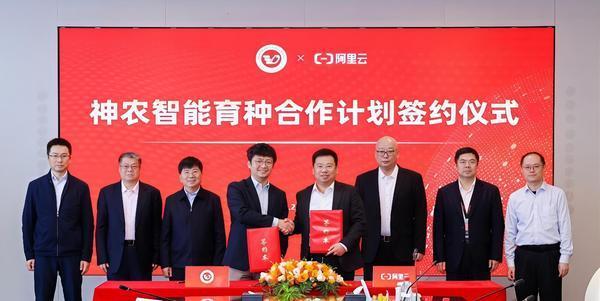
Core Insights - The collaboration between the Institute of Genetics and Developmental Biology and Alibaba Cloud aims to launch a Smart Breeding Program, which will create a standardized phenotypic data collection system and a digital brain for plant breeding [1][3]. Group 1: Collaboration Details - The Smart Breeding Program will utilize AI technology to automate the collection and analysis of vast biological omics data, transitioning from traditional experience-based breeding to intelligent design breeding [3][4]. - The partnership will leverage Alibaba Cloud's full-stack AI infrastructure to build a research support system encompassing hardware, cloud platforms, and the digital brain [3]. Group 2: Technological Implementation - A digital twin experimental platform for plant breeding will be co-developed to validate the decision-making effectiveness of the digital brain [3]. - The digital brain will serve as the core decision-making layer, utilizing extensive data from the Institute of Genetics and Developmental Biology to enhance breeding precision and efficiency [3]. Group 3: Strategic Importance - The collaboration is expected to significantly boost China's original innovation capabilities in biological breeding, providing robust technological support for national food security [4]. - The Qianwen platform has become a universal technical base for research, serving over 300 research institutions and universities, indicating its widespread acceptance and utility in the scientific community [4].
种业科技创新进入世界第一方阵
Ren Min Ri Bao· 2025-12-03 07:11
Core Viewpoint - The article discusses the progress and achievements of China's seed industry revitalization action plan, emphasizing the importance of seed source security for national security and the advancements made in developing high-quality domestic seed varieties [1][3]. Group 1: Achievements in Seed Industry - The seed industry revitalization action has led to the emergence of high-quality domestic seed varieties, such as high-resistant wheat and rice, contributing to improved agricultural productivity [1][2]. - Over the past five years, the area of self-bred crop varieties has reached over 95%, with domestic seed sources for livestock and aquaculture exceeding 80% and 85% respectively [2][3]. - The establishment of major research platforms and laboratories has strengthened the foundation for breeding innovation, with significant investments made by various provinces [2][3]. Group 2: Technological Innovations - The introduction of smart greenhouses and AI-driven breeding platforms has increased breeding efficiency by over 60%, allowing for the selection of high-yield rice varieties [2][4]. - The use of advanced breeding techniques, including artificial intelligence and biotechnology, is transforming the breeding paradigm, aiming to create new advantages in seed development [6][7]. Group 3: Future Directions and Challenges - The next five years are critical for achieving significant breakthroughs in the seed industry, focusing on the protection and utilization of genetic resources [7]. - There is a need to address the challenges of homogeneity in seed varieties and enhance the innovation capabilities of seed enterprises through deeper integration of industry, academia, and research [6][7]. - The goal is to continuously produce high-yield, quality, and specialized seeds to ensure food security in China [8].
经济新方位丨种业科技创新进入世界第一方阵
Ren Min Ri Bao· 2025-12-03 01:43
Core Viewpoint - The article discusses the progress and achievements of China's seed industry revitalization action plan, emphasizing the importance of seed source security for national security and the advancements made in developing high-quality domestic seed varieties [1][3]. Group 1: Achievements in Seed Industry - High-quality domestic seed varieties such as high-resistant wheat and rice have been developed, contributing to improved agricultural productivity [1][2]. - Over the past five years, the area of self-bred crop varieties has reached over 95%, with domestic seed sources for livestock and aquaculture exceeding 80% and 85% respectively [2][3]. - The establishment of significant research platforms and laboratories has strengthened the foundation for breeding innovation, with 25 wheat varieties selected as national leading varieties during the 14th Five-Year Plan [2][3]. Group 2: Innovations and Technological Advancements - The introduction of intelligent breeding platforms has increased breeding efficiency by over 60%, leading to the development of high-yield rice varieties [2][4]. - The use of artificial intelligence and biotechnology in breeding is transforming the breeding paradigm, aiming to create new advantages in seed development [6][7]. - Companies like Zhongnong Group and Hainan Hai Da Group are leading in the development and sales of various seed varieties, indicating a robust seed industry structure [5][6]. Group 3: Future Directions and Challenges - The next five years are critical for achieving significant breakthroughs in the seed industry, focusing on the protection and utilization of genetic resources [6][7]. - There is a need to address the challenges of homogeneity in seed varieties and enhance the innovation capabilities of seed enterprises [7]. - The government is promoting the integration of research and development with practical applications to ensure the widespread adoption of superior seed varieties [5][7].
种业科技创新进入世界第一方阵(经济新方位)
Ren Min Ri Bao· 2025-12-02 22:33
Core Viewpoint - The article discusses the progress and achievements of China's seed industry revitalization action plan, highlighting the importance of seed source security for national security and the advancements made in developing high-quality domestic seed varieties [1][3]. Group 1: Achievements in Seed Industry - The seed industry revitalization action has led to the emergence of high-quality domestic seed varieties, such as high-resistant wheat and rice, contributing to improved agricultural productivity [1][2]. - Over the past five years, the area of self-bred crop varieties has reached over 95%, with domestic seed sources for livestock and aquaculture exceeding 80% and 85% respectively [2][3]. - The establishment of major research platforms and laboratories has strengthened the foundation for breeding innovation, with significant investments made by various provinces [2][3]. Group 2: Technological Innovations - The introduction of smart greenhouses and AI-driven breeding platforms has increased breeding efficiency by over 60%, allowing for the selection of high-yield rice varieties [2][4]. - The use of advanced breeding techniques, including artificial intelligence and biotechnology, is transforming the breeding paradigm, aiming to enhance the quality and yield of crops [6][7]. Group 3: Future Directions and Challenges - The next five years are critical for achieving significant breakthroughs in the seed industry, focusing on the protection and utilization of genetic resources [7][8]. - There is a need to address the challenges of homogeneity in seed varieties and to enhance the innovation capabilities of seed enterprises through deeper integration of industry, academia, and research [6][7]. - The goal is to continuously produce high-quality, green, and specialized seeds to ensure food security in China [8].
实施5年来 种业振兴行动完成阶段性目标任务 种业科技创新进入世界第一方阵(经济新方位)
Ren Min Ri Bao· 2025-12-02 22:06
Core Viewpoint - The article highlights the progress and achievements of China's seed industry revitalization action plan, emphasizing the importance of seed source security for national security and the need for self-reliance in agricultural production [1][3]. Group 1: Achievements in Seed Industry - High-quality Chinese seeds such as disease-resistant wheat and rice varieties have been developed, contributing to improved agricultural productivity [1][2]. - Over the past five years, the area of self-bred crop varieties has reached over 95%, with domestic seed sources for livestock and aquaculture exceeding 80% and 85% respectively [2][3]. - The introduction of advanced breeding platforms and technologies has increased breeding efficiency by over 60%, leading to the development of high-yield rice varieties [2][4]. Group 2: Government Initiatives and Investments - The Ministry of Agriculture and Rural Affairs has implemented various funding initiatives, such as a total investment of 240 million yuan in Henan province for crop breeding projects [2][5]. - Local governments are establishing mechanisms to connect research and promotion, with initiatives like subsidies for major variety research and demonstration platforms [5][6]. Group 3: Challenges and Future Directions - Despite advancements, challenges remain in utilizing agricultural genetic resources effectively, with a need for improved quality and application of research [6][7]. - The next five years are seen as a critical period for achieving significant breakthroughs in the seed industry, focusing on resource protection, breeding innovation, and the integration of artificial intelligence in breeding processes [7][8].
育种、牧海、强农机!三院士为岭南特色现代农业出谋划策
Nan Fang Du Shi Bao· 2025-08-26 20:16
Core Insights - In 2024, Guangdong Province's total agricultural output value reached 970.12 billion yuan, ranking among the top in the country, with significant production in fruits, vegetables, meat, and aquatic products [1] Group 1: Agricultural Mechanization - There is a pressing need to strengthen the manufacturing of small and medium-sized agricultural machinery in Guangdong to support agricultural mechanization [2][5] - Current challenges include a weak agricultural machinery manufacturing industry, a lack of well-known brands, and a limited number of manufacturing enterprises [5] - Recommendations include focusing on the development of small and medium-sized agricultural machinery tailored to local agricultural needs, such as power machinery and crop production equipment [5] Group 2: Marine Economy - Guangdong, as a major marine province, has the largest marine area in the country, and there is an urgent need to establish a "Guangdong Seafood" brand and strengthen marine ranching [6][9] - Emphasis on deep processing and market development is crucial for enhancing marine ranching, with a potential market expansion for high-quality fish species estimated at 500,000 tons [9] - Development of both nearshore and deep-sea species is recommended, including high-quality seed varieties like triploid oysters and tuna [9] Group 3: Biotechnology and Breeding - Guangdong is a leading province in agricultural resources and has made significant achievements in breeding, which is vital for national food security [10][13] - A full-chain approach is suggested to overcome key technological challenges in biotechnology, focusing on areas like gene editing and synthetic biology [13] - Collaboration among government, research institutions, and enterprises is encouraged to enhance innovation and international competitiveness in the seed industry [13]
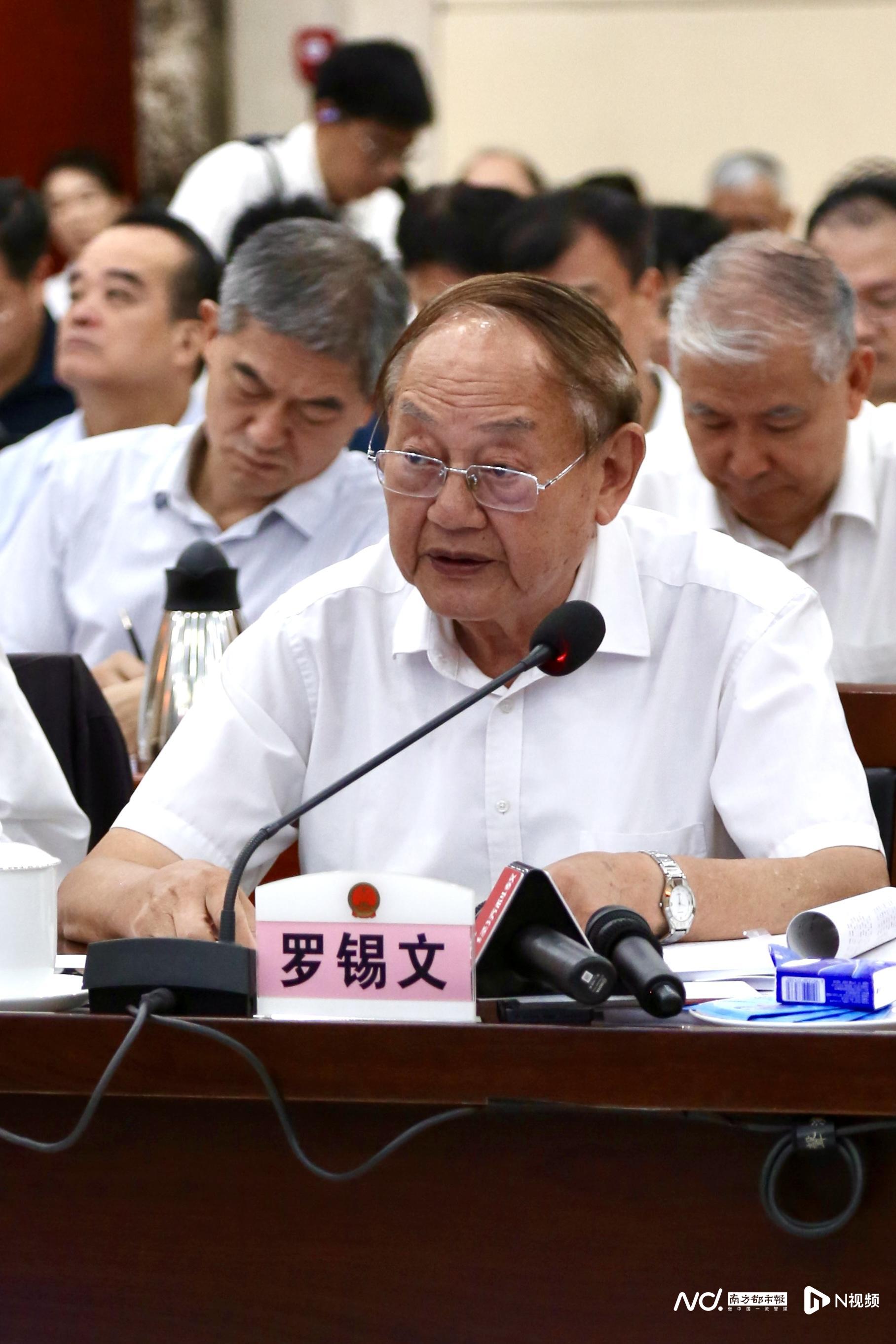
中国科学院院士刘耀光:实施育种全链条攻关,加快生物育种产业化应用
Nan Fang Nong Cun Bao· 2025-08-26 07:06
Core Viewpoint - The emphasis is on accelerating the industrial application of biological breeding through comprehensive innovation and addressing key technological challenges in the breeding sector [2][12][22]. Group 1: Current Situation and Challenges - Global competition in the seed industry is intensifying, with China achieving basic self-sufficiency in staple crops like rice and wheat [6][7]. - Guangdong province is a major agricultural region with a leading number of preserved germplasm resources, but it faces weaknesses in germplasm protection and utilization, as well as in foundational research and cutting-edge technology [8][9][22]. Group 2: Recommendations for Advancement - Implement a full-chain approach to tackle "bottleneck" technologies, focusing on intelligent design breeding, gene editing, and synthetic biology, while establishing an integrated innovation chain from germplasm protection to variety selection [12][13][14]. - Build high-level platforms to enhance collaborative innovation by integrating resources from universities, research institutes, and enterprises, and creating national key laboratories in the field of biological breeding [16][17][18]. - Deepen the integration of government, research, and enterprises to accelerate the transformation of research results, supporting leading companies in forming innovation consortia and establishing testing and demonstration bases for new varieties and technologies [19][20][21]. Group 3: Strategic Importance - Biological breeding is a strategic support for ensuring national food security, and Guangdong has the foundation, conditions, and responsibility to lead in this field nationally [22][23]. - The goal is to revitalize the seed industry in Guangdong, contributing significantly to building a strong agricultural province and ensuring national food security [24].
