
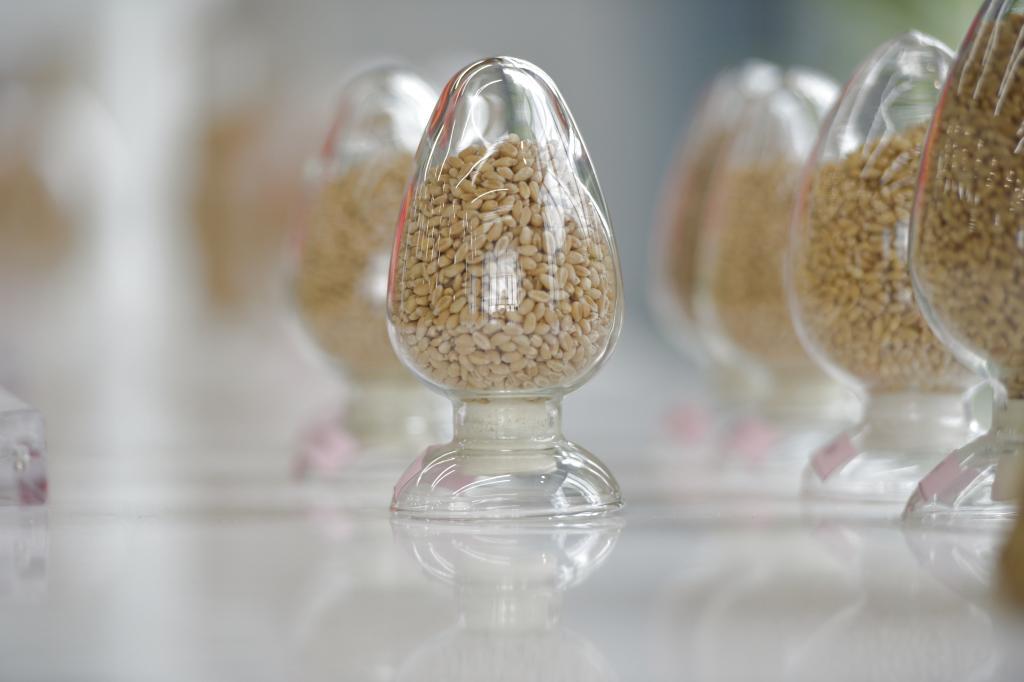
高抗赤霉病小麦

Search documents
新华鲜报·“十四五”发展亮点丨端稳中国饭碗!农作物自育品种超95%
Xin Hua Wang· 2025-12-12 01:28
Core Insights - The article emphasizes the significant progress in China's seed industry, highlighting the goal of transforming from a major seed producer to a strong seed nation through the implementation of the "14th Five-Year Plan" and the "Seed Industry Revitalization Action Plan" [1][3]. Group 1: Seed Industry Development - China's self-bred crop varieties now account for over 95% of the total, with domestic sources for livestock and aquatic species exceeding 80% and 85% respectively, enhancing food security [1]. - The country has made breakthroughs in breeding, developing essential varieties such as disease-resistant wheat and high-yield soybeans, which are crucial for agricultural productivity [1][3]. Group 2: Agricultural Resource Management - A comprehensive national agricultural germplasm resource survey has been completed, marking the largest and most extensive effort since the founding of the People's Republic of China, resulting in the establishment of world-class germplasm banks [3]. - The identification and utilization of germplasm resources have accelerated, leading to a more dynamic use of stored resources [3]. Group 3: Innovation and Regulation - A favorable environment for innovation has been fostered through the revision of the Seed Law and the Plant Variety Protection Regulations, alongside a 20% reduction in seed-related legal cases since 2020 [3]. - The government aims to enhance the precision in identifying agricultural germplasm resources and convert these advantages into innovation strengths, thereby accelerating the pace of seed industry innovation [5]. Group 4: International Trade and Competitiveness - In 2024, China's seed exports surpassed imports for the first time, achieving a trade surplus, with hybrid rice, cotton, and vegetable seeds being exported to over 40 countries [5]. - The article highlights the increasing global competitiveness of Chinese seeds, with various domestically bred livestock and aquatic species also entering international markets [5].

新华鲜报·“十四五”发展亮点|端稳中国饭碗!农作物自育品种超95%
Xin Hua She· 2025-12-12 01:23
Core Viewpoint - The article emphasizes the significant progress in China's seed industry, highlighting the country's efforts to enhance seed source security and achieve self-sufficiency in agricultural seeds, with over 95% of crop varieties being independently bred [1] Group 1: Seed Industry Development - The "14th Five-Year Plan" has led to a marked improvement in seed source security, with domestic breeding varieties now accounting for over 95% of crops, and domestic market shares for livestock and aquatic seeds exceeding 80% and 85% respectively [1] - The Central Committee's "Seed Industry Revitalization Action Plan" was approved in July 2021, outlining a roadmap for transforming China from a major seed producer to a strong seed nation [1] - Significant breakthroughs in breeding have been achieved, including the development of high-resistance wheat and rice varieties, as well as high-yield soybeans, which are accelerating the update of seed varieties [1] Group 2: Agricultural Resource Management - A comprehensive national agricultural germplasm resource survey has been completed, marking the largest and most extensive effort since the founding of New China, resulting in the establishment of three national germplasm banks that rank first globally in resource preservation [1] - The identification and utilization of germplasm resources have been expedited, leading to a more active use of stored resources [1] - A favorable environment for innovation has been fostered through the revision of the Seed Law and the Plant Variety Protection Regulations, alongside a 20% decrease in seed-related legal cases since 2020 [1] Group 3: International Trade and Future Outlook - In 2024, China's seed exports are projected to exceed imports for the first time, achieving a trade surplus [1] - Chinese hybrid rice, cotton, and vegetable seeds are being exported to over 40 countries, with domestically bred livestock and aquatic species also entering international markets [1] - The Ministry of Agriculture and Rural Affairs plans to enhance the precise identification of germplasm resources and convert these advantages into innovation, aiming to accelerate the pace of seed industry innovation [1]
我国种业科技创新进入世界第一方阵
Ren Min Ri Bao· 2025-12-07 22:26
Core Viewpoint - The seed industry revitalization action has achieved its phased goals over the past five years, significantly enhancing China's seed source security and technological innovation, positioning it among the world's leading nations in seed technology [2][5]. Group 1: Achievements and Progress - High-quality "Chinese seeds" such as disease-resistant wheat and rice have been developed, contributing to the country's agricultural self-sufficiency [2][4]. - The area of independently bred crop varieties has reached over 95%, with domestic seed sources for livestock and aquaculture exceeding 80% and 85% respectively [5]. - Major research platforms and projects have been established, including 20 significant laboratories and innovation centers, enhancing the foundation for breeding innovation [4][5]. Group 2: Technological Advancements - The introduction of intelligent breeding platforms has improved breeding efficiency by over 60%, leading to the development of high-yield rice varieties [4]. - The use of advanced agricultural practices, such as AI-driven breeding and precise environmental simulations, has been emphasized to enhance crop resilience and yield [6][8]. Group 3: Future Directions and Challenges - The next five years are critical for achieving significant breakthroughs in the seed industry, focusing on the protection and utilization of genetic resources [9]. - There is a need to address the challenges of resource utilization and the homogeneity of seed varieties, with an emphasis on innovative breeding techniques [8][9]. - The industry aims to consolidate its advantages while overcoming bottlenecks and enhancing the quality and diversity of seed varieties [10][11].
种业科技创新进入世界第一方阵
Ren Min Ri Bao· 2025-12-03 07:11
Core Viewpoint - The article discusses the progress and achievements of China's seed industry revitalization action plan, emphasizing the importance of seed source security for national security and the advancements made in developing high-quality domestic seed varieties [1][3]. Group 1: Achievements in Seed Industry - The seed industry revitalization action has led to the emergence of high-quality domestic seed varieties, such as high-resistant wheat and rice, contributing to improved agricultural productivity [1][2]. - Over the past five years, the area of self-bred crop varieties has reached over 95%, with domestic seed sources for livestock and aquaculture exceeding 80% and 85% respectively [2][3]. - The establishment of major research platforms and laboratories has strengthened the foundation for breeding innovation, with significant investments made by various provinces [2][3]. Group 2: Technological Innovations - The introduction of smart greenhouses and AI-driven breeding platforms has increased breeding efficiency by over 60%, allowing for the selection of high-yield rice varieties [2][4]. - The use of advanced breeding techniques, including artificial intelligence and biotechnology, is transforming the breeding paradigm, aiming to create new advantages in seed development [6][7]. Group 3: Future Directions and Challenges - The next five years are critical for achieving significant breakthroughs in the seed industry, focusing on the protection and utilization of genetic resources [7]. - There is a need to address the challenges of homogeneity in seed varieties and enhance the innovation capabilities of seed enterprises through deeper integration of industry, academia, and research [6][7]. - The goal is to continuously produce high-yield, quality, and specialized seeds to ensure food security in China [8].
实施5年来 种业振兴行动完成阶段性目标任务 种业科技创新进入世界第一方阵(经济新方位)
Ren Min Ri Bao· 2025-12-02 22:06
Core Viewpoint - The article highlights the progress and achievements of China's seed industry revitalization action plan, emphasizing the importance of seed source security for national security and the need for self-reliance in agricultural production [1][3]. Group 1: Achievements in Seed Industry - High-quality Chinese seeds such as disease-resistant wheat and rice varieties have been developed, contributing to improved agricultural productivity [1][2]. - Over the past five years, the area of self-bred crop varieties has reached over 95%, with domestic seed sources for livestock and aquaculture exceeding 80% and 85% respectively [2][3]. - The introduction of advanced breeding platforms and technologies has increased breeding efficiency by over 60%, leading to the development of high-yield rice varieties [2][4]. Group 2: Government Initiatives and Investments - The Ministry of Agriculture and Rural Affairs has implemented various funding initiatives, such as a total investment of 240 million yuan in Henan province for crop breeding projects [2][5]. - Local governments are establishing mechanisms to connect research and promotion, with initiatives like subsidies for major variety research and demonstration platforms [5][6]. Group 3: Challenges and Future Directions - Despite advancements, challenges remain in utilizing agricultural genetic resources effectively, with a need for improved quality and application of research [6][7]. - The next five years are seen as a critical period for achieving significant breakthroughs in the seed industry, focusing on resource protection, breeding innovation, and the integration of artificial intelligence in breeding processes [7][8].
摸清“家底”、增强底气!“数”里行间看种业振兴精彩答卷
Yang Shi Wang· 2025-11-15 02:48
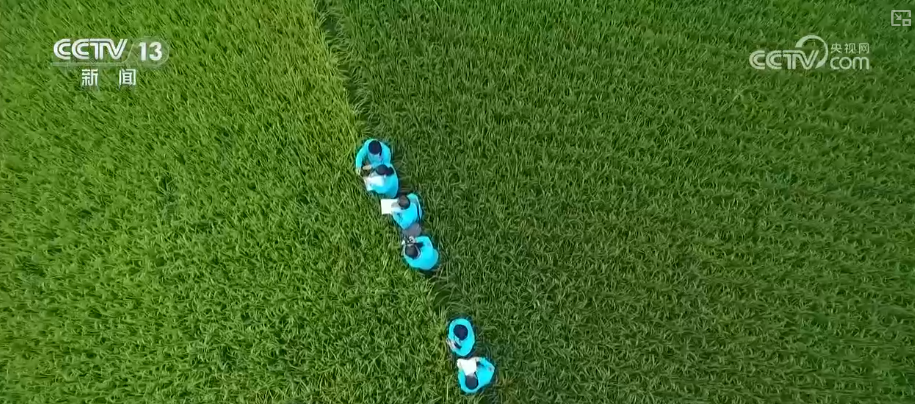
Core Viewpoint - The modernization of agriculture in China is heavily reliant on seed development, with significant progress made during the "14th Five-Year Plan" period in various aspects of the seed industry. Group 1: Agricultural Resource Management - The agricultural genetic resource inventory conducted during the "14th Five-Year Plan" is the largest and most comprehensive since the founding of New China, establishing a solid foundation of resources and creating three national gene banks for crops, livestock, and marine fisheries, with total resource preservation ranking first in the world [3]. Group 2: Technological Innovation - The seed industry has entered the world's top tier in technological innovation, establishing a multi-level breeding innovation system that has produced significant new varieties, including wheat resistant to scab, rice resistant to planthoppers, corn suitable for mechanical harvesting, and high-yield soybeans resistant to herbicides [5]. Group 3: Seed Supply Capacity - The seed supply capacity has significantly improved, with a national team of seed breeding bases formed around key regions such as Gansu for corn, Sichuan for rice, Heilongjiang for soybeans, and Hainan for tropical crops, achieving a seed supply guarantee rate of 80%, an increase of 10 percentage points since 2020 [9]. Group 4: Seed Source Security - Over the past five years of the seed revitalization initiative, the safety level of seed sources has steadily improved, with over 95% of crop varieties being independently bred, and domestic market shares for livestock and aquatic seed sources exceeding 80% and 85%, respectively, ensuring overall agricultural seed safety and manageable risks [11].
我国“十四五”种业振兴行动阶段性任务顺利完成
Yang Shi Xin Wen· 2025-11-15 00:21
Core Insights - The core viewpoint of the article emphasizes the significant advancements in China's seed industry during the "14th Five-Year Plan" period, highlighting the successful completion of key tasks in the seed revitalization initiative [1] Group 1: Agricultural Resource Management - China has conducted the largest and most comprehensive national agricultural germplasm resource survey since its founding, establishing a solid foundation of resources and creating three national germplasm banks for crops, livestock, and marine fisheries, with total resource preservation ranking first in the world [1] - The self-breeding varieties of crops account for over 95%, while domestic seed sources for livestock and aquatic products have market shares exceeding 80% and 85%, respectively, ensuring overall agricultural seed safety and manageable risks [1] Group 2: Technological Innovation - The seed industry has entered the world's top tier in technological innovation, with the development of significant new varieties such as high-resistance wheat to Fusarium head blight, rice resistant to rice planthoppers, and high-yield soybeans tolerant to herbicides [1] Group 3: Seed Supply Capacity - The seed supply capacity has significantly improved, with the national seed supply guarantee rate reaching 80%, an increase of 10 percentage points compared to 2020, supported by key breeding bases in Gansu, Sichuan, Heilongjiang, and Hainan [1]