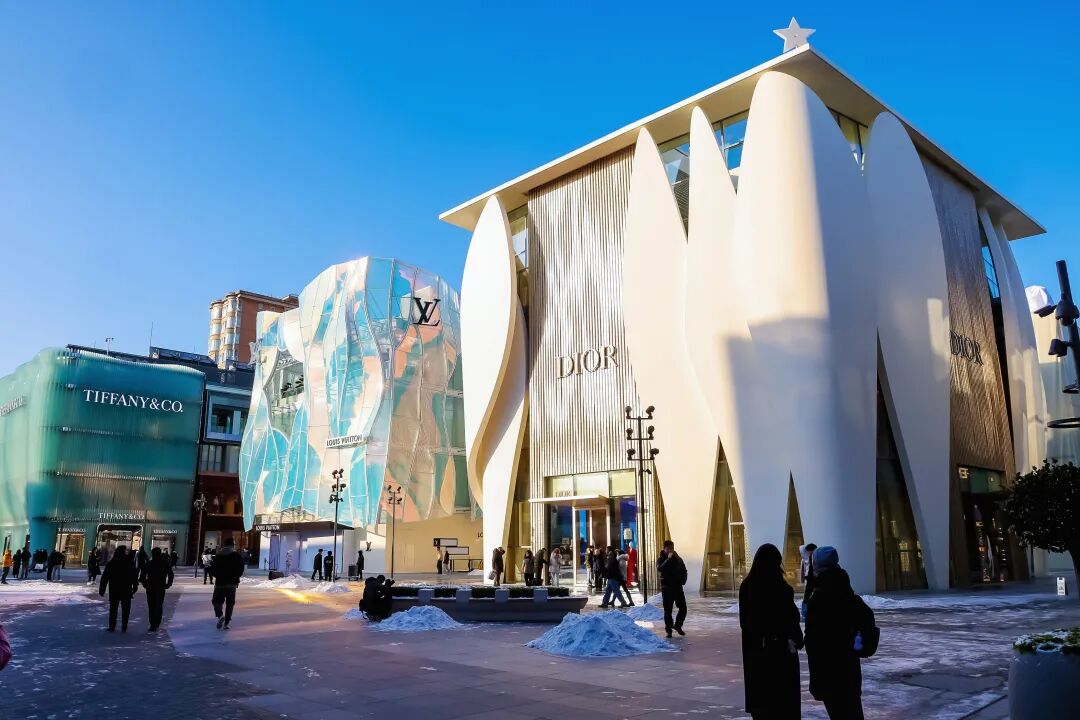
本土文化与国际潮流融合

Search documents
潮尚重构消费|LVMH集团大中华区总裁吴越:中国时尚寄望“后浪推前浪”
Sou Hu Cai Jing· 2026-01-26 03:27
Core Insights - LVMH Group emphasizes that retail spaces have evolved from mere sales points to platforms for brand culture and emotional value delivery [1][3] - The integration of local culture and international trends is a key aspect of Beijing's fashion consumption evolution [1][4] Group 1: Fashion Ecosystem in Beijing - The fashion ecosystem in Beijing differs from cities like Shanghai and Hong Kong, focusing on emotional attraction driven by consumer needs [3][5] - The transformation of high-end retail in China has shifted from a "gift attribute" to a "consumption attribute," centering on consumer experience [4][6] - The rise of new retail spaces like Beijing SKP and Sanlitun Taikooli reflects a vibrant and diverse fashion landscape, despite the rapid growth of online retail [4][5] Group 2: Consumer Interaction and Emotional Value - Emotional value in retail is achieved through continuous interaction between brands and consumers, requiring adaptability to market changes [6][7] - The retail industry's progress is rooted in long-term consumer engagement, with emotional value evolving alongside consumer growth [6][7] Group 3: China's Position in International Fashion - China's market is becoming increasingly significant in the global fashion landscape, driven by the younger generation's fashion pursuits [7] - The fusion of international and local fashion trends is a natural progression, with Chinese youth embracing global fashion influences [7]


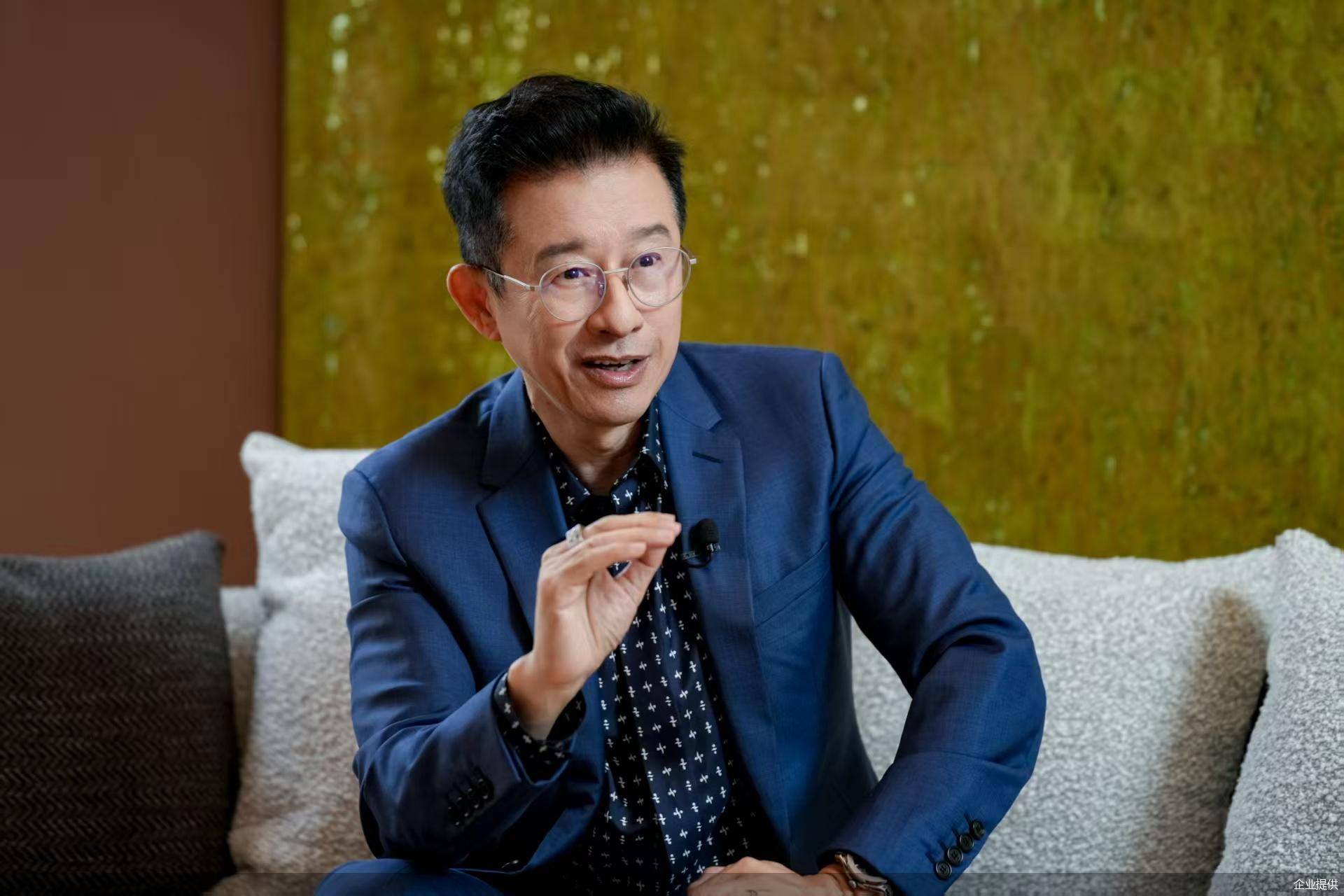
中国时尚寄望“后浪推前浪”
Bei Jing Shang Bao· 2026-01-15 12:14
Core Insights - LVMH Group emphasizes that retail spaces have evolved from mere sales points to platforms for brand culture and emotional value delivery [1][2] - The integration of local culture and international trends is a key aspect of Beijing's fashion consumption evolution, driven by the younger generation's discerning tastes [1][5] - The shift from product transactions to experiential consumption is central to luxury brands' strategies, focusing on creating memorable experiences for consumers [1][7] Group 1: Retail Evolution - The retail industry's progress is attributed to long-term consumer interactions, with emotional value continuously evolving through brand-consumer growth [2][7] - The high-end retail market has transitioned from a "gift attribute" to a "consumption attribute," centering on consumer needs [5][8] - Despite rapid online retail growth, quality offline retail maintains an irreplaceable market position due to its unique experiential advantages [5] Group 2: Cultural Integration - Beijing's fashion ecosystem is distinct from other cities, characterized by unique commercial center distributions and consumer behavior patterns [6] - The interaction between local cultural elements and international fashion trends has created a mutually beneficial dynamic in Beijing's fashion landscape [4][6] - The ongoing integration of international and local fashion is seen as a natural trend, with the younger generation embracing diverse fashion influences [8] Group 3: Future Outlook - The importance of the Chinese market in the international fashion landscape is expected to grow, driven by the continuous development of young consumers [2][8] - International high-end brands adopt a long-term strategy, confident in the sustained growth of Chinese consumers, which will propel the global fashion industry forward [8]
三里屯商圈焕新 北京时尚消费趋于体验驱动
Bei Jing Shang Bao· 2025-12-21 15:55
Core Insights - The transformation of the Sanlitun business district reflects the evolution of Beijing's fashion commerce, showcasing a blend of local culture and international trends [3][4] - LVMH's Greater China President, Wu Yue, emphasizes the growing importance of Chinese consumers in the global fashion landscape, highlighting the integration of local culture with international fashion [1][5] Group 1: Market Evolution - Sanlitun's development over the past 20 years has synchronized with the upgrade of China's fashion market, demonstrating a successful combination of internationalization and localization [3] - The area has evolved from a diplomatic hub to a forefront of urban internationalization, facilitating cultural exchange and interaction [3] Group 2: Consumer Behavior - The shift in consumer demand from "product-oriented" to "experience-driven" is a key trend, with emotional value becoming a crucial link in this transformation [4][10] - Retail development must focus on continuous interaction with consumers, adapting to their evolving needs and preferences [10] Group 3: Future Outlook - The significance of the Chinese market in the international fashion scene is expected to increase, with a historical shift from industrial exports to a vibrant fashion industry [11][12] - International high-end brands are adopting a long-term strategy, expressing confidence in the growth of the Chinese consumer base, which will further propel the global fashion industry [5][12]
三里屯商圈焕新 北京时尚消费趋于“本土融合+体验驱动”
Bei Jing Shang Bao· 2025-12-21 09:00
Group 1 - The core viewpoint of the article highlights the transformation of the Sanlitun business district, showcasing its evolution into a vibrant fashion cultural space with the introduction of high-end luxury brands [1][4] - The Sanlitun area reflects the synchronization of Beijing's fashion commercial development with the upgrading of the Chinese fashion market, emphasizing the organic combination of internationalization and localization [4][9] - The fashion market is characterized by its ability to integrate diverse cultural elements, breaking down geographical and cultural boundaries, thus becoming a significant medium for global cultural exchange [7][8] Group 2 - Sanlitun Taikooli is noted for its unique "indoor-outdoor integrated" commercial model, which fosters community development and enhances the overall vitality of the surrounding area [7][10] - The shift in consumer behavior from a "product-oriented" approach to an "experience-driven" model is identified as a key change, with emotional needs acting as a crucial link in this transformation [7][10] - The importance of continuous interaction with consumers is emphasized as essential for retail progress, highlighting the dynamic nature of consumer demands in the Chinese market [10][11] Group 3 - The future significance of the Chinese market in the international fashion landscape is expected to grow, with high-end brands maintaining a long-term confidence in the development of Chinese consumers [8][11] - The integration of local culture with international trends is seen as a natural progression, especially with the increasing fashion consciousness among younger demographics [9][10] - The historical evolution of Beijing's fashion industry is traced from industrial exports to a vibrant commercial landscape, indicating a significant shift in its global standing [8][11]
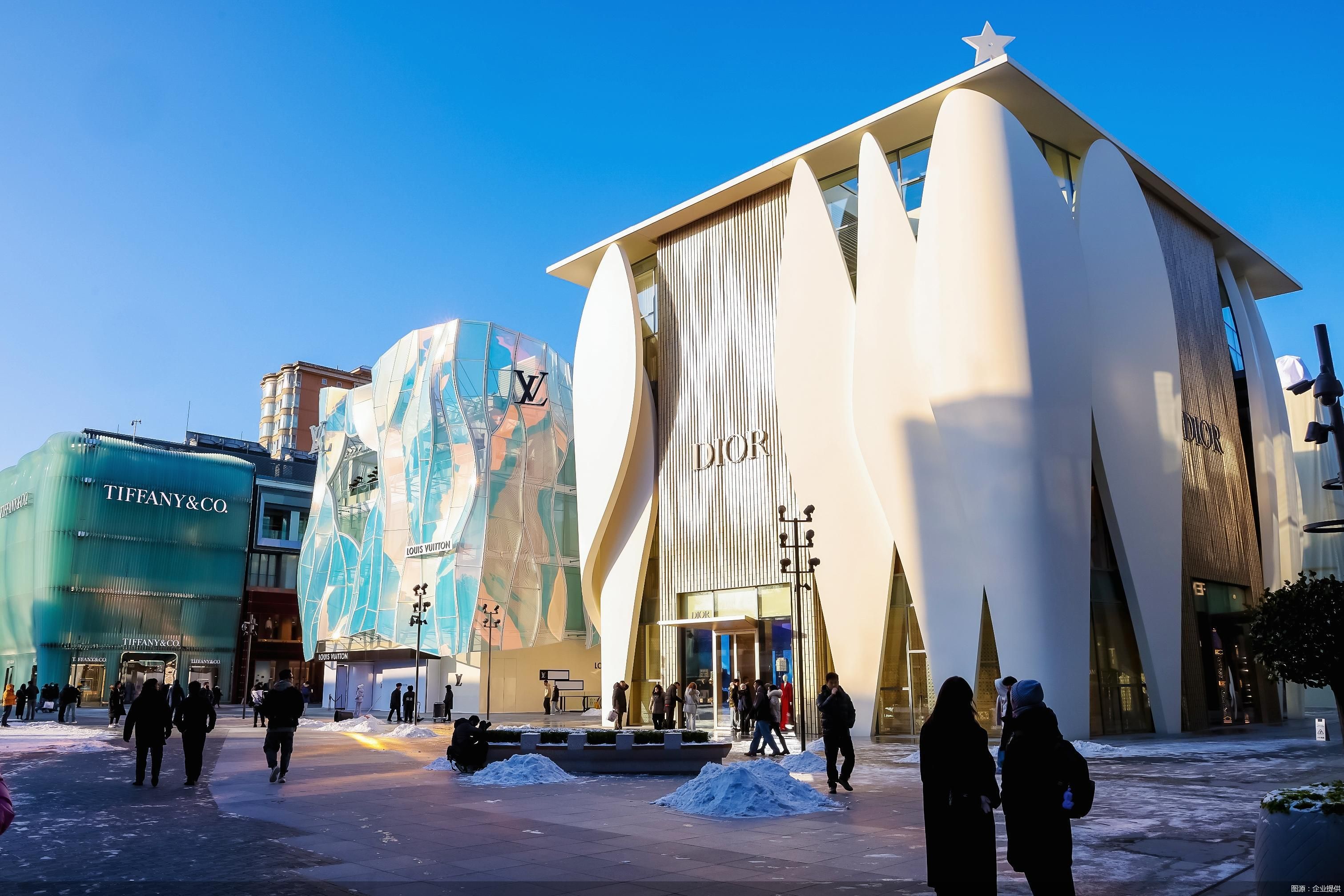
北京三里屯商圈焕新!迪奥之家中国首店、路易威登…
Bei Jing Shang Bao· 2025-12-21 08:10
Core Insights - The transformation of the Sanlitun business district reflects the evolution of Beijing's fashion market, showcasing a blend of local culture and international trends [3][6] - The emergence of high-end luxury stores in Sanlitun, such as Tiffany, Dior, and Louis Vuitton, signifies the area's status as a dynamic "fashion cultural field" [1][3] - The shift in consumer behavior from "product-oriented" to "experience-driven" is crucial, with emotional value becoming a key driver of retail growth [5][8] Group 1: Market Evolution - Sanlitun has evolved over the past two decades, aligning its development with the upgrading of China's fashion market [3] - The area has become a hub for international and local cultural exchange, enhancing its appeal as a fashion destination [3][6] - The integration of indoor and outdoor commercial spaces in Sanlitun sets it apart from other shopping districts, fostering community development [5] Group 2: Consumer Behavior - The retail industry must engage in continuous interaction with consumers to adapt to their changing needs and preferences [5][8] - Emotional engagement is essential for driving consumer experiences, making retail spaces social "stages" for interaction [8] - The demand for fashion and lifestyle products is increasingly influenced by the younger generation's evolving tastes [8][9] Group 3: Future Outlook - China's influence in the international fashion landscape is expected to grow, with high-end brands expressing long-term confidence in the Chinese market [6][9] - The fashion sector's impact extends beyond clothing, influencing various industries such as commerce, technology, and education [6] - The ongoing integration of local culture with global trends will continue to shape the future of fashion in Beijing [8]