
本地生活评价体系

Search documents
京东点评上线 承诺永不商业化
2 1 Shi Ji Jing Ji Bao Dao· 2025-11-17 13:53
Core Insights - JD.com founder Liu Qiangdong announced the launch of an independent JD Takeout app and JD Review, promising that the review platform will "never be commercialized" [2][5] - This move intensifies competition in the local lifestyle service market, establishing a "three-way battle" among JD.com, Meituan, and Alibaba [2][7] Summary by Sections JD Takeout App Launch - The independent JD Takeout app was created to address user difficulties in finding the takeout service, enhancing convenience for frequent users [3] - The app features a quality life section on its homepage, including sub-channels for food, hotels, products, and activities [3] JD Review Platform - JD Review aims to extend quality trust from product retail to local lifestyle services, establishing a comprehensive evaluation system based on real user feedback [5] - The platform's first initiative, "JD True List," employs an "AI full network evaluation + repurchase + user blind test" model to ensure authentic reviews [8] Competitive Landscape - JD Review's entry creates a competitive equilibrium with Meituan's Dazhong Dianping and Alibaba's Gaode Map, both of which have also claimed to avoid commercialization [6][7] - The review system is designed to eliminate issues like paid rankings and inflated scores, which have plagued the industry [8] User and Merchant Benefits - Users benefit from diverse platforms offering more reference points, while merchants gain fair exposure without the need for paid promotions, encouraging a focus on service quality [9] - The combination of the independent app and review platform enhances user engagement and strengthens JD.com's competitive position in the instant retail sector [9]


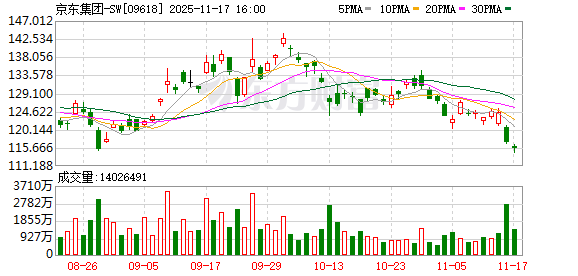
刘强东宣布京东做点评,推出真榜,打造AI全网评 | 直击京东品酒会
Xin Lang Ke Ji· 2025-11-17 11:51
Core Insights - Liu Qiangdong announced the launch of a new local life evaluation system called "JD Review" during the third JD wine tasting event on November 17 [1] - The new system features a "true list" that emphasizes "recommendations from thousands, no falsehoods" and is stated to never be commercialized [1] Group 1 - Liu Qiangdong's presence at the wine tasting event highlights the company's commitment to enhancing customer engagement through innovative platforms [1] - The introduction of "JD Review" aims to improve the credibility of local service evaluations, potentially increasing consumer trust in the platform [1] - The emphasis on non-commercialization suggests a strategic move to differentiate JD from competitors by focusing on authenticity and user-generated content [1]
高德,急需向淘宝证明自己
Hu Xiu· 2025-09-11 04:22
Core Viewpoint - Alibaba is attempting to compete with Meituan by launching a user behavior-based evaluation system through its subsidiary, Gaode Map, which is similar to Meituan's Dianping platform [1][2][4]. Group 1: Alibaba's Strategic Shift - On its 26th anniversary, Alibaba's Gaode Map introduced the "Gaode Street Ranking," aiming to provide a genuine reflection of user choices without commercializing the ranking system [2][3]. - The competition in the local lifestyle sector is intensifying, with both Alibaba and Meituan focusing on establishing robust evaluation systems [4][5]. - Alibaba's strategy has shifted from "dispersed empowerment" to "core aggregation," as seen in the integration of Ele.me and Gaode into its main e-commerce operations [11][10]. Group 2: Gaode's Position and Challenges - Gaode, acquired by Alibaba in 2014, has struggled to establish itself in the local lifestyle service sector despite its significant user base of over 800 million monthly active users [13][15]. - Gaode's revenue primarily comes from advertising, accounting for 60%-70% of its income, and it has only recently achieved profitability [16][15]. - The introduction of the "Gaode Street Ranking" is seen as an opportunity for Gaode to prove its value to Alibaba, especially in the context of the growing demand for local service evaluation systems [20][12]. Group 3: Competitive Landscape - The local lifestyle evaluation space is highly competitive, with established players like Dianping and emerging competitors such as Douyin and Xiaohongshu, which have strong user engagement and content ecosystems [34][36]. - Gaode faces the challenge of building a content ecosystem while competing for evaluation authority in a crowded market [37][33]. - The "non-commercial" positioning of Gaode may help it gain user trust in the short term, but it raises concerns about long-term sustainability and the ability to generate revenue independently [39][40]. Group 4: Future Prospects - For Gaode to succeed, it must effectively convert its functional traffic into content consumption and enhance user engagement, which is critical for its collaboration with Alibaba's e-commerce platform [31][42]. - The success of the "Gaode Street Ranking" will depend on its ability to differentiate itself and provide real value to Alibaba's local service offerings, potentially impacting its resource allocation within the Alibaba ecosystem [41][42].

